





I’ve walked properties that looked like impenetrable walls of brush and mature trees one week and stood on clean, usable ground the next. Land clearing is the process that makes that transformation possible. Whether you’re preparing a building site, reclaiming pasture, creating trails, or simply opening up overgrown acreage, understanding the methods, realistic costs, and practical realities will save you time, money, and frustration.
This guide covers what land clearing actually involves, the main techniques used today, current cost ranges, the real benefits and trade-offs, and what a typical project looks like from start to finish.
Table of Contents
- What Land Clearing Really Means
- Common Reasons People Clear Land
- Main Land Clearing Methods Compared
- Cost Factors and 2026 Price Ranges
- Benefits of Proper Land Clearing
- What to Expect During the Process
- Permits, Regulations, and Environmental Considerations
- DIY vs. Hiring Professionals
- Practical Tips from the Field
- FAQs
- Looking Ahead
- Final Thoughts
- About the Author
What Land Clearing Really Means
Land clearing is the systematic removal of trees, brush, stumps, roots, rocks, and other vegetation or debris so the ground can be used for a new purpose. It is more than just cutting trees. A complete job often includes managing the resulting material, addressing drainage, and leaving the site stable and ready for the next phase—whether that is construction, planting, or simply open space.
The scope varies widely. On a small residential lot it might mean removing a few dozen trees and grinding stumps. On larger rural acreage it can involve selective thinning, full clearing of brush and timber, or creating firebreaks. The end goal determines how aggressive the work needs to be.
Common Reasons People Clear Land
People clear land for many practical reasons:
- Preparing a site for a house, shop, driveway, or septic system
- Converting brush or timber into pasture, food plots, or agricultural fields
- Creating access roads, trails, or recreational space
- Reducing wildfire risk by removing dense undergrowth
- Improving views or reclaiming land that has become overgrown
- Managing invasive species that have taken over
Each goal influences the best method. Building a foundation usually requires a clean, graded surface with stumps and roots removed. A food plot or trail may only need the vegetation ground into mulch that stays on site.
Main Land Clearing Methods Compared
No single method is best for every property. The right choice depends on vegetation density, terrain, soil sensitivity, budget, and final use.
Forestry Mulching
A specialized machine with a rotating drum or disc fitted with carbide teeth grinds trees, brush, and undergrowth into mulch in a single pass. The material stays on the ground as a protective layer. It is fast, leaves minimal bare soil, reduces erosion, and eliminates hauling or burning. Ideal for brush and trees generally under 8–12 inches in diameter. Costs typically range from $1,200–$3,500 per acre depending on density.
Bulldozer / Dozer Clearing
Heavy equipment pushes over vegetation and piles it for burning or hauling. It handles large trees and works quickly on relatively flat ground. The downside is significant soil disturbance, higher erosion risk, and the need to deal with debris. Often used for larger construction sites. Costs commonly fall in the $2,000–$5,000+ per acre range once disposal is included.
Excavator and Grubbing
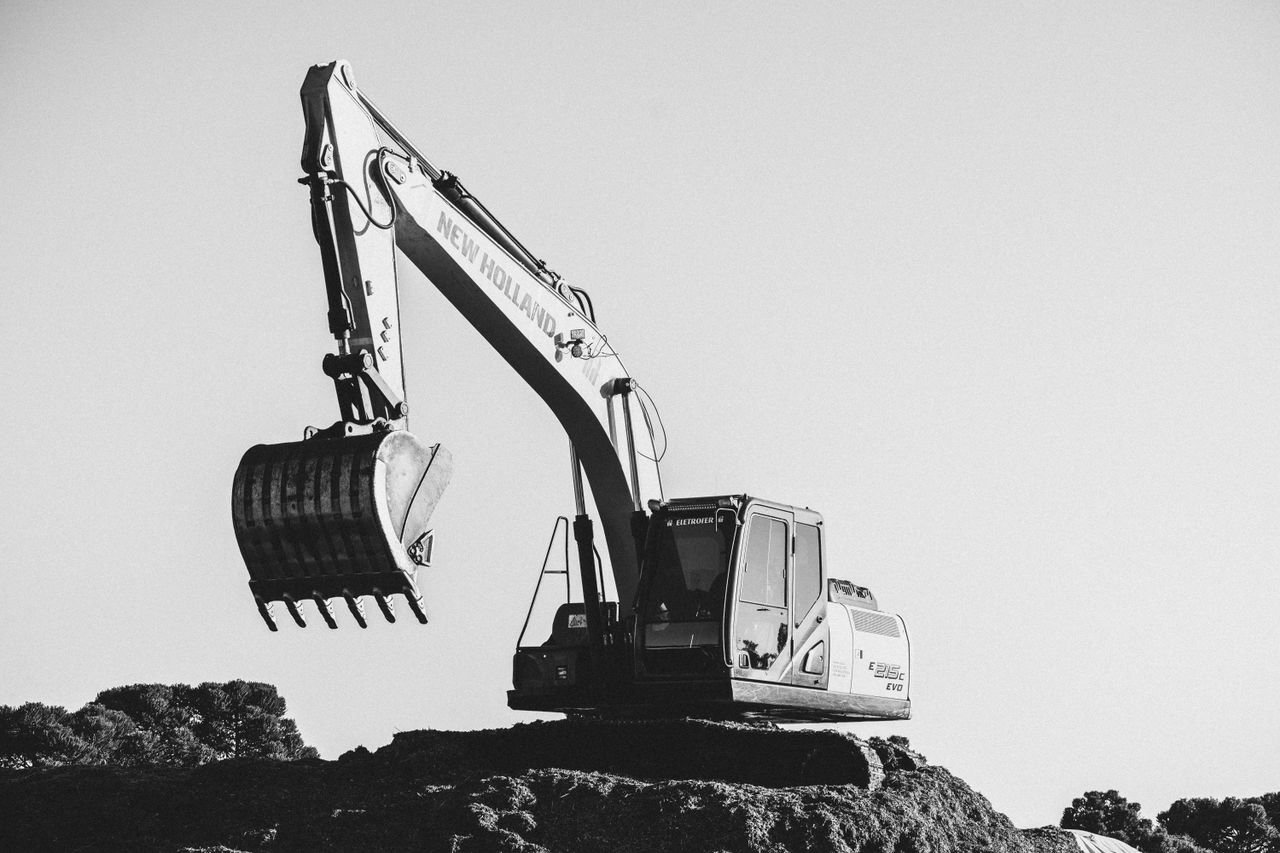
Excavators dig out stumps and root systems while chainsaws or the machine itself fell trees. This produces a very clean surface ready for grading and is useful when selective work or complete root removal is required. It is slower and more expensive than mulching on lighter vegetation but necessary for heavy timber or construction prep. Expect $3,000–$6,000+ per acre.
Hand / Manual Clearing
Crews use chainsaws, brush cutters, and hand tools. It offers the highest selectivity and works in tight or environmentally sensitive areas where machines cannot go. It is labor-intensive and slow, so costs rise quickly—often $4,000–$8,000+ per acre on anything beyond light work.
Controlled Burning
Where permitted and carefully managed, prescribed fire can clear underbrush and small material at relatively low cost. It requires permits, ideal weather, and experienced supervision. It is rarely used as a standalone method on residential or construction sites today.
Many projects combine methods—mulching the bulk of the acreage and using an excavator for larger trees or final stump work.
Cost Factors and 2026 Price Ranges
National averages for residential or rural clearing often land between $1,500 and $5,000 per acre, with lighter brush at the low end and dense mature timber at the high end. Real-world 2026 ranges commonly cited include:
- Light brush and grass: $700–$2,500 per acre
- Medium vegetation (small trees and brush): $2,000–$4,000 per acre
- Heavy timber and dense growth: $3,400–$6,700+ per acre
Key cost drivers are vegetation density and size, terrain (steep slopes or rocky ground slow progress), access for equipment, whether debris is mulched on site or hauled away, stump removal requirements, and local labor and disposal rates. Hauling debris or full stump extraction can add significantly to the total. Forestry mulching frequently comes in lower overall because there is no disposal step.
Always get multiple site-specific quotes. Per-acre pricing can be misleading if the operator has not walked the property.
Benefits of Proper Land Clearing
Done correctly, land clearing delivers clear practical advantages:
- Makes the land immediately usable for its intended purpose
- Improves access and safety by removing hazardous trees and dense undergrowth
- Reduces wildfire fuel loads
- Allows proper grading and drainage installation
- Can improve soil conditions when mulch is left in place
- Increases property value and usability
- Controls invasive species when combined with follow-up treatment
The key is matching the method to the goal so you do not create new problems such as severe erosion or unwanted regrowth.
What to Expect During the Process
A professional job usually follows these stages:
- Site assessment and walk-through to identify goals, protected trees, utilities, and access.
- Permitting and utility locates (call 811).
- Clearing the vegetation according to the chosen method.
- Managing debris—mulching in place, piling for burn (where allowed), or hauling.
- Stump and root work if required.
- Rough grading and erosion control measures.
- Final cleanup and inspection.
Timeline depends on acreage and density. Light brush on a few acres can finish in a day or two. Heavy timber on challenging terrain can take a week or more. Weather, especially wet ground, often dictates the schedule.
Permits, Regulations, and Environmental Considerations
Rules vary by location. Many jurisdictions require permits once you disturb more than a certain area (often 0.5–1 acre), work near wetlands or waterways, or remove trees above a protected size. Federal Clean Water Act rules can apply near waters of the U.S. Always check local planning, environmental, and forestry departments before starting. Failing to obtain required permits can result in stop-work orders and significant fines.
Responsible clearing includes erosion control, protection of water quality, and, where appropriate, selective retention of desirable trees or buffers.
DIY vs. Hiring Professionals
DIY can work for very small areas of light brush if you already own suitable equipment and understand the risks. Beyond that, equipment rental, fuel, disposal fees, time, and safety hazards usually make professional work more cost-effective and far safer. Professionals bring the right machines, insurance, experience with difficult terrain, and knowledge of local regulations.
Practical Tips from the Field
- Walk the property with the contractor and mark trees or features you want to keep.
- Clear on dry or frozen ground when possible to minimize soil damage.
- Ask how debris will be handled—on-site mulch versus hauling changes the price and the finished look.
- Plan for erosion control and, if needed, reseeding or cover crops after clearing.
- Get written scopes of work that specify what is included (stumps, grading, debris removal).
FAQs
How long does land clearing take?
A typical residential lot or a few acres of moderate vegetation often takes one to several days. Larger or denser projects take longer.
Do I need to remove stumps?
It depends on the end use. Construction usually requires full removal or grinding. Pasture or trails may tolerate stumps ground to grade.
Is forestry mulching better than traditional clearing?
For many brush and small-tree jobs, yes—faster, less soil disturbance, no debris disposal. Heavy timber or sites needing bare dirt often still need excavators or dozers.
What about environmental impact?
Modern methods, especially mulching, can be lower-impact than older clear-and-burn approaches when done with proper erosion controls and selective practices.
Looking Ahead
Forestry mulching continues to grow in popularity because of its efficiency and reduced environmental footprint. Equipment is becoming more capable, and operators are offering more refined selective clearing options. At the same time, regulations around wetlands, stormwater, and protected species are tightening in many areas, making professional knowledge of local rules more valuable than ever.
Final Thoughts
Land clearing is a foundational step that determines how usable and stable a property will be for years afterward. Choosing the right method for the vegetation, terrain, and intended use—and working with experienced operators who understand both the machines and the regulations—produces the best long-term results. Take the time to walk the land, define clear goals, and compare approaches. The difference between a rushed job and a well-planned one is visible every time you look at the finished ground.
About the Author
The author is an independent land management and site-preparation specialist with extensive field experience across residential, rural, and light commercial clearing projects. Work has included evaluating vegetation density and terrain, selecting appropriate mechanical and selective methods, managing debris and erosion control, and advising property owners on realistic costs and timelines. The focus remains on practical, site-specific solutions that balance usability, cost, and long-term land health.