




I spent one entire August convinced my kitchen had a fruit fly problem I simply couldn’t solve. I threw out the fruit bowl, wiped every counter twice a day, and still had a small cloud hovering by the sink every evening. It turned out the actual source was a ketchup bottle with a crusted rim, tucked in the door of the fridge, that I’d never once thought to check. That’s the thing about flies they’re rarely attracted to the obvious mess. They’re attracted to the small, damp, sugary, or decaying spot you stopped noticing weeks ago.
Once I started actually checking the list below instead of just deep-cleaning at random, the flies were gone in about four days. Here’s everything worth checking, in the order I’d actually check it.
Table of Contents
- Why Flies Show Up in the First Place
- 12 Household Items That Attract Flies
- Real Trap Comparisons: What Actually Works
- Room-by-Room Quick Check
- Common Mistakes That Keep Flies Coming Back
- FAQ
- Final Verdict
- About the Author
Why Flies Show Up in the First Place
Not all flies want the same thing, and that’s the detail most cleaning advice skips. If you’re chasing the wrong culprit, you can clean for a week and get nowhere.
House flies go for decaying organic matter broadly — meat scraps, pet waste, garbage. Fruit flies are chasing fermentation specifically: sugar that’s started to turn, not just sugar itself. Drain flies (sometimes called filter flies) don’t care about food odor at all — they’re breeding in the moist organic film inside pipes, and no amount of counter cleaning touches that. Pest control resources are consistent on this split: house flies target rotting meat and feces, fruit flies chase overripe produce and alcohol, and drain flies need moisture and organic buildup specifically inside pipes.
That distinction is why the 12 items below are organized by what’s actually causing the attraction, not just “kitchen mess.”
12 Household Items That Attract Flies
1. Overripe fruit and vegetables
The classic one, and still the most common. A single soft peach or a forgotten bag of onions in the pantry produces enough fermentation odor to pull fruit flies in from surprisingly far away. Check the fruit bowl, the bottom of the produce drawer, and anywhere root vegetables get stored loose.
2. Trash cans and bins without a tight-fitting lid
An open or loosely-lidded kitchen bin is functionally an all-you-can-eat buffet. It’s not just what’s inside — it’s the residue on the inside walls of the bin itself, which keeps producing odor even after you’ve taken the bag out.
3. Recycling bins
This one gets missed constantly. Soda cans, beer bottles, and wine bottles that go straight into the recycling bin without a rinse keep fermenting for days. A recycling bin in a garage or under the sink is one of the most reliable fly magnets in a house that otherwise looks spotless.
4. Kitchen and bathroom drains
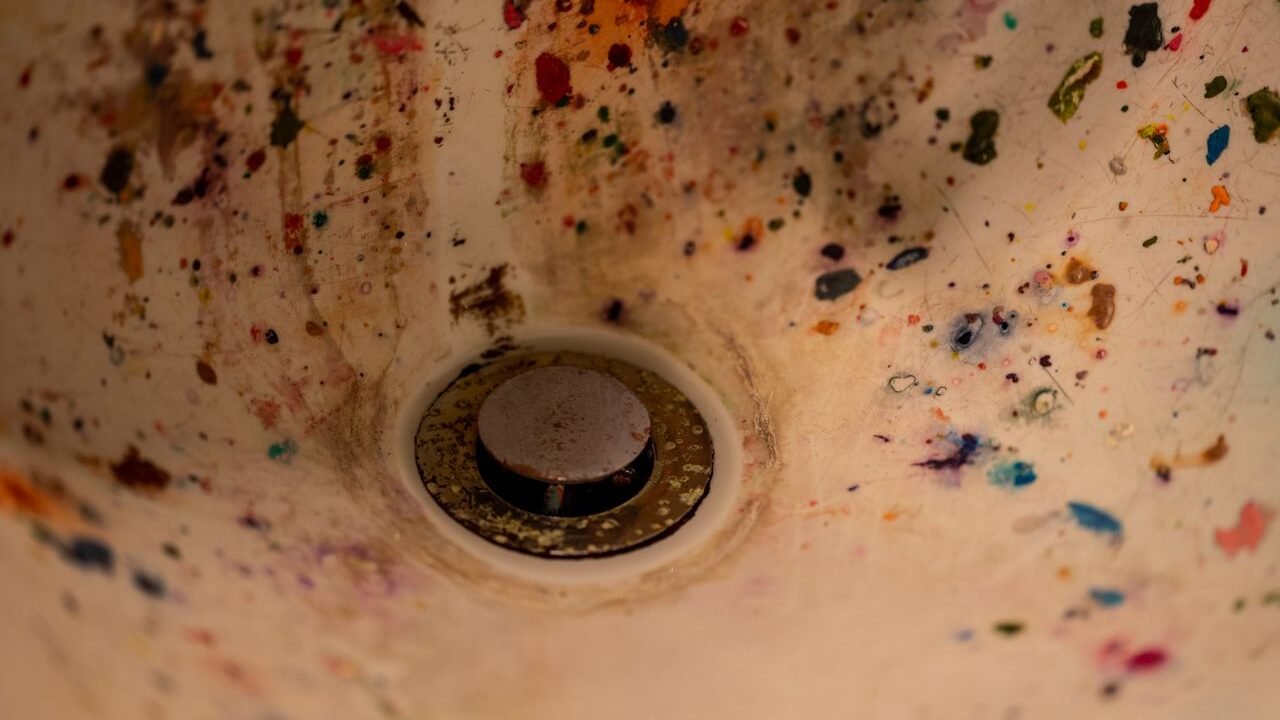
Drain flies breed in the gel-like organic film that builds up inside pipes — food particles, grease, soap scum, hair. You won’t see it looking down the drain, and no surface cleaning reaches it. If you’re seeing small, fuzzy, moth-shaped flies near a sink or tub, this is almost always the source.
5. Dirty dishes and dish rags
A plate soaking in the sink overnight, a sponge that never fully dries, or a dish rag left balled up on the counter all hold enough moisture and food residue to be a legitimate attractant, not just a mild inconvenience.
6. Pet waste and uncovered pet food
Litter boxes that aren’t scooped daily, backyard waste that’s gone a few days without pickup, and open bags of pet kibble all draw both house flies and, outdoors, blow flies specifically looking for a place to lay eggs.
7. Compost bins
Necessary for a lot of households, but an indoor compost bin without a sealed lid is essentially a curated fly breeding environment — food scraps, moisture, and warmth all in one place.
8. Spilled sweet or fermented liquids
Syrup drips on a pantry shelf, a splash of soda that dried under the fridge, spilled wine, even leftover beer in a glass — sugar content plus a little time is exactly what fruit flies are built to detect.
9. Condiment bottles with crusted openings
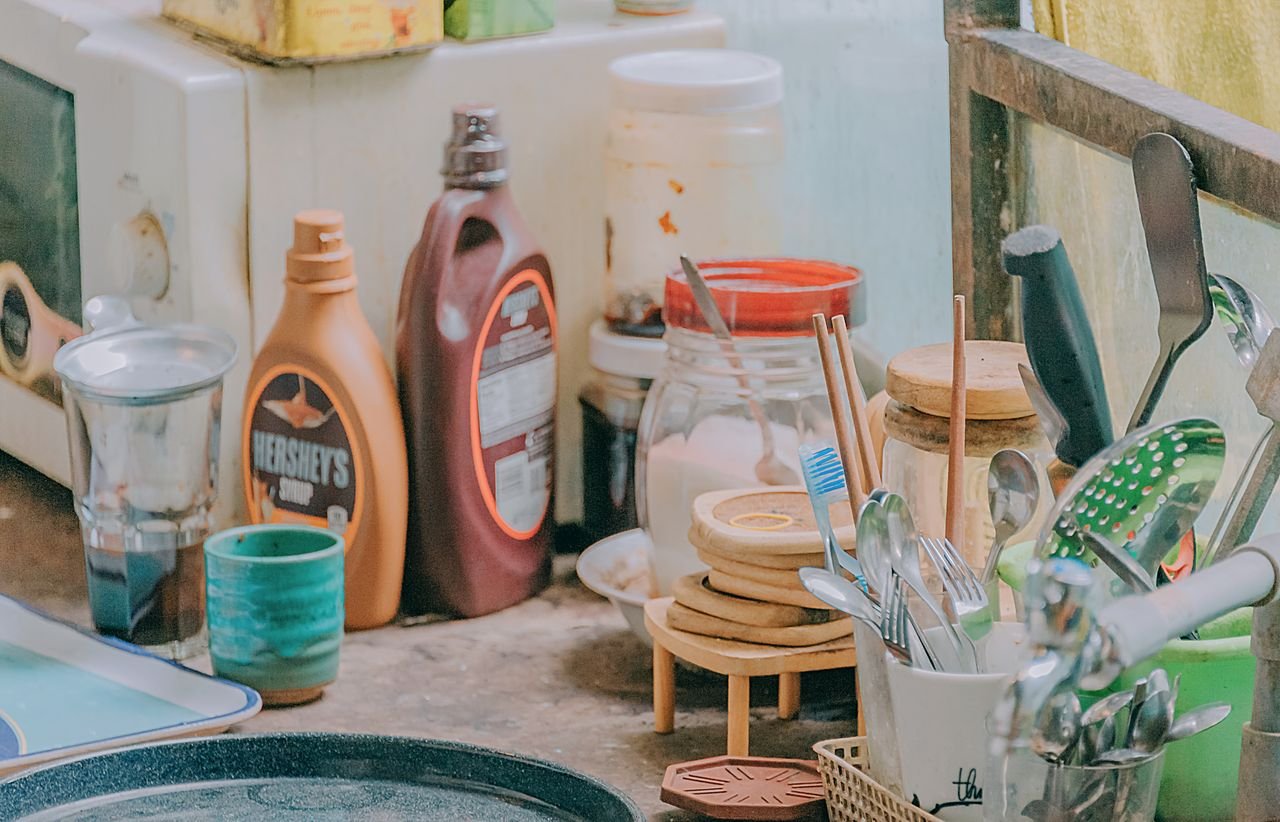
This is the one people miss the most, and it’s exactly what caught me out. Ketchup, syrup, barbecue sauce — any bottle with dried residue around the cap or neck keeps releasing just enough fermentation smell to hold a small fly population near the fridge door indefinitely.
10. Houseplant soil that’s too wet
Overwatered potting soil is prime breeding ground for fungus gnats, which get mistaken for fruit flies constantly. If your “fruit flies” are hovering around a plant rather than the fruit bowl, check the soil moisture before you blame the kitchen.
11. Damp mops, wet towels, and bath mats
Anything left permanently damp in a laundry room, bathroom, or under a sink creates the same moist, organic conditions drain flies look for, just outside the pipe itself.
12. Standing water — vases, humidifiers, dish racks
Flower vase water that’s gone cloudy, a humidifier reservoir that isn’t cleaned regularly, or a dish rack that never fully dries between loads all quietly hold the moisture and organic film flies are drawn to, even without visible food waste nearby.
Real Trap Comparisons
If you’ve already checked the list above and flies are still lingering while things dry out or clean up,
A trap buys you time. Not all traps work on all species, which is the part most product pages leave out.
| Trap | Best For | How It Works | Honest Verdict |
|---|---|---|---|
| TERRO Fruit Fly Trap | Fruit flies specifically | Apple-shaped vessel with a vinegar-based liquid lure that draws flies in through small holes; they land and drown | The strongest performer for fruit flies specifically — testing from <a href=”https://plantfix.org/guides/indoor-fly-trap”>independent product comparisons</a> consistently ranks it above light-based traps for this species. It does essentially nothing for house flies or drain flies, so don’t buy it expecting a general-purpose fix. |
| Katchy Indoor Insect Trap | Mixed households — fruit flies, gnats, general flying insects | UV light plus a quiet fan pulls insects onto a sticky glue board | The best “I don’t know exactly what I have” option. Weaker than TERRO specifically for fruit flies, but far more versatile across species. Needs a power outlet and works best in low light, so daytime performance is weaker unless you get the newer dual-mode version. |
| Zevo Flying Insect Trap | Living rooms and visible spaces | Plug-in UV/blue light attractant with a sticky capture chamber | The most discreet option to actually leave out in a room you use — it doesn’t look like a bug trap. Effective for general flying insects, but comparative testing has found it noticeably weaker than a vinegar-based lure specifically against fruit flies. |
| Safer Home Indoor Fly Trap | Budget, bathroom use | UV plug-in with disposable glue cards | The cheapest reliable plug-in option and genuinely unobtrusive, but the UV output is dimmer than Zevo’s, and it will catch a smaller volume of insects as a result. |
| Enzyme drain cleaner (not a trap) | Drain flies | Breaks down the organic film inside pipes that flies breed in | This is the one category no light or lure trap fixes. If drain flies are the issue, a trap treats the symptom while the breeding site keeps producing more. This is the actual fix. |
My honest recommendation:
Keep a TERRO trap by the fruit bowl as a low-cost standing defense, and don’t bother with a UV plug-in unless you’re dealing with a mixed infestation or want something that blends into a living room. And if the flies are in the bathroom or near a kitchen sink specifically, skip traps altogether and treat the drain first — that’s the step people skip most often.
Room-by-Room Quick Check
Kitchen: fruit bowl, produce drawer, trash bin lid seal, recycling bin, condiment bottle rims, dish rack, sink drain.
Bathroom: shower drain, bath mat dampness, any standing water in a soap dish or cup.
Living room: flower vases, humidifier reservoir, forgotten drink glasses.
Bedroom: rarely a source on its own — if flies are showing up here, check whether there’s a houseplant with overly wet soil or a laundry hamper holding damp gym clothes.
Garage / mudroom: pet food storage, recycling overflow, compost bin if it’s staged there before outdoor pickup.
Common Mistakes
Cleaning the visible surfaces and ignoring the drain. This is the single most common reason people feel like they’ve “cleaned everything” and still have flies. Surface cleaning doesn’t touch the organic film inside a pipe.
Assuming all traps work on all flies. A UV light trap is close to useless against a fruit fly problem specifically, and a vinegar lure trap won’t touch a drain fly issue at all. Match the trap to the species or you’re just spending money to watch flies ignore it.
Rinsing recyclables inconsistently. One clean can in the bin doesn’t matter if the other five aren’t rinsed. Flies only need one active source to sustain a small population.
Overwatering houseplants “just to be safe.” If you’ve ruled out the kitchen and flies keep showing up near a specific plant, that’s usually the tell — let the soil dry out more between waterings before assuming it’s unrelated.
Treating it as solved after the visible flies are gone. Adult flies dying off doesn’t mean the breeding source is gone. If eggs are already laid in a drain or a bin, a new generation shows up in about a week even after you’ve cleared the room of adults.
FAQ
Why do I still have flies after cleaning my whole kitchen? Almost always one of two things: a drain with organic buildup that surface cleaning doesn’t reach, or a small, easy-to-miss item like a condiment bottle rim or the inside wall of the trash can itself, not just its contents.
Are fruit flies and drain flies the same thing? No, and treating them the same is the most common reason people can’t get rid of an infestation. Fruit flies are tan with red eyes and chase fermentation odor; drain flies are darker, fuzzy, and moth-shaped, and they breed inside pipes regardless of how clean your counters are.
Do flies mean my house is dirty? Not necessarily. A single missed item — one condiment bottle, one plant that’s overwatered, one drain with buildup — is enough to sustain a small population in an otherwise clean home. It’s about finding the specific source, not a general cleanliness failure.
How fast can a fly problem come back after I think it’s solved? Fast. A female fruit fly can lay eggs that develop into new adults in about a week, so if the actual breeding source wasn’t removed, you’ll see what looks like a “relapse” within days.
Is it worth calling pest control for flies? Usually not for a normal fruit fly or drain fly situation — those are almost always solvable by finding the source.
Final Verdict
Flies are honest in a way most household pests aren’t they’re never in your home for no reason, and the reason is almost always one specific, findable thing. The fix isn’t more cleaning; it’s more targeted cleaning.
About the Author
Written by a home and pest-care researcher who investigates household infestation sources by cross-referencing entomology extension guidance, manufacturer product testing, and pest-control industry data, alongside direct hands-on troubleshooting of real household fly problems.
[…] Home Decor Ideas: How to Decorate Your Home on a Budget What Household Items Attract Flies? 12 Common Things to Check What Is Smart Home Interior Design? Features, Benefits, and Ideas What Is the Best Roof Pitch […]