

My first apartment had a $600 total decorating budget and four bare white walls I hated within a week of moving in. I spent the first two hundred dollars on things that looked fine in the store and forgettable at home — a generic canvas print, a throw pillow that didn’t match anything, a floor lamp that hummed. The next four hundred, spent slower and mostly secondhand, did more for that apartment than the first two hundred ever did. That gap between “cheap” and “budget done well” is really the entire subject of this article.
Decorating on a budget isn’t about buying less expensive versions of the same things. It’s a different set of decisions entirely — what to spend on, what to find used, and what to skip completely because it wasn’t doing anything for the room in the first place.
Table of Contents
- Why “Budget” and “Cheap” Aren’t the Same Thing
- Where to Actually Find Budget Decor: A Real Comparison
- The Highest-Impact Low-Cost Changes
- Room-by-Room Budget Ideas
- DIY and Upcycling Projects Worth Your Time
- Common Budget Decorating Mistakes
- 2026 Trends You Can Do Cheaply
- FAQ
- Final Verdict
- About the Author
Why “Budget” and “Cheap” Aren’t the Same Thing
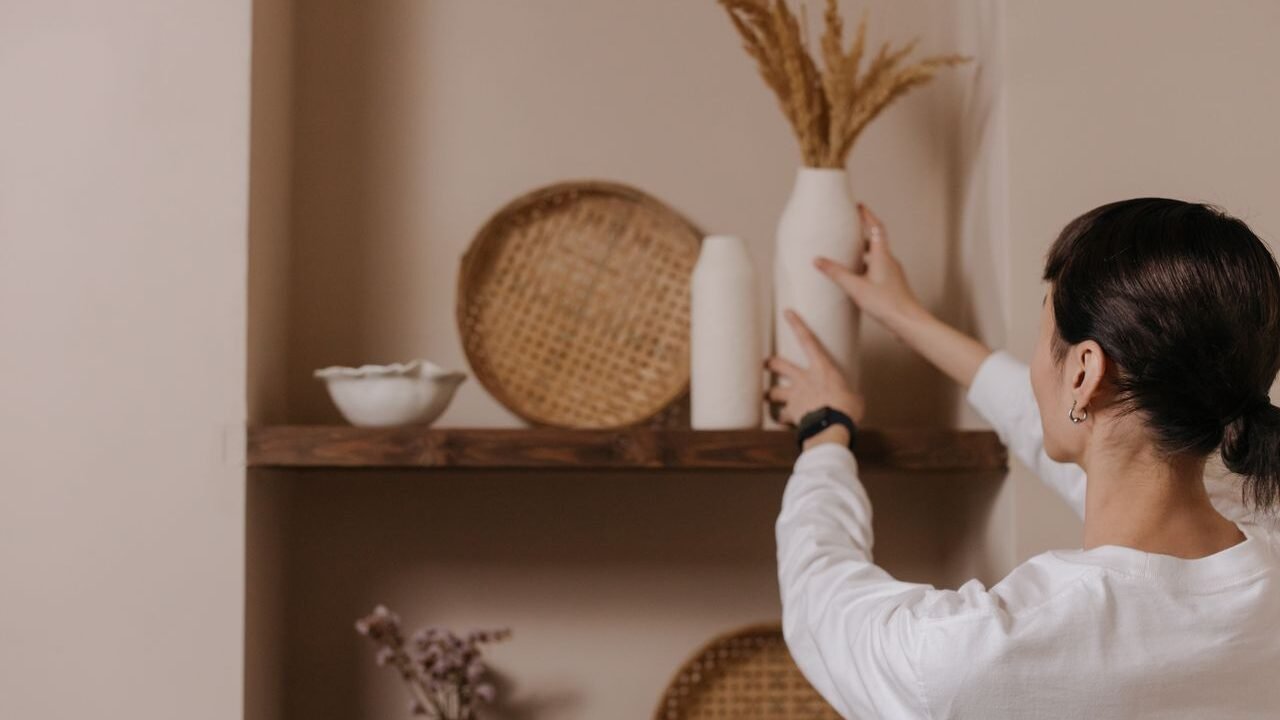
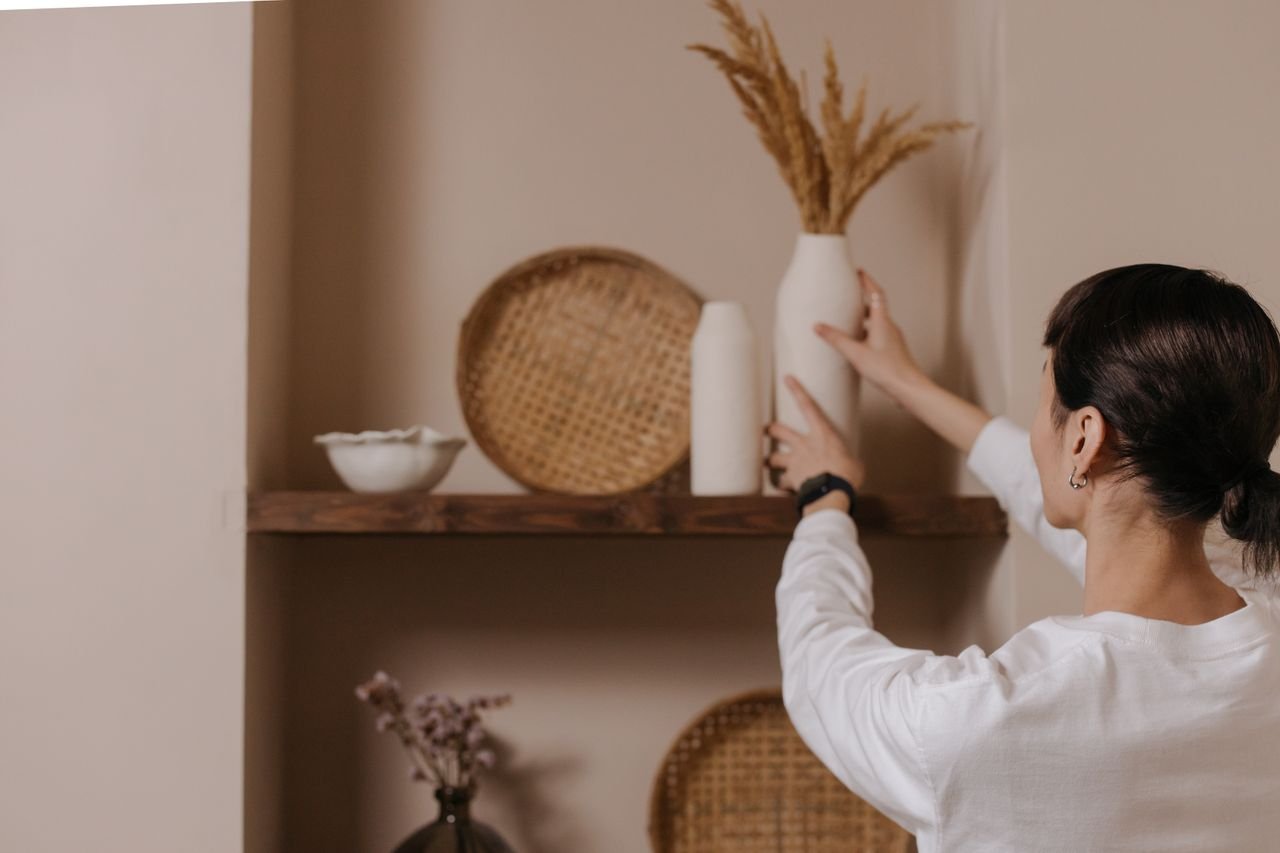
The rooms that read as expensive almost never got there through spending. They got there through restraint — fewer objects, each one doing more work, with enough negative space around them to actually be seen. A single well-placed ceramic vase on an otherwise empty shelf looks more considered than the same shelf crammed with five smaller, cheaper things.
This is genuinely the biggest mental shift for anyone decorating on a real budget: buying less and placing it more carefully will outperform buying more, every time. It also happens to be free advice, which is the best kind when you’re working with a limited budget. Design coverage heading into 2026 keeps landing on the same point a genuinely beautiful home is defined by intention and personal touch rather than price tag, not by how much was spent filling it.
Where to Actually Find Budget Decor
This is the part most budget decor articles skip entirely a real
Honest comparison of where to actually source cheap furniture and decor, and what each source is genuinely good and bad at.
| Source | Best For | Honest Verdict |
|---|---|---|
| Facebook Marketplace | Furniture, larger pieces, local pickup | The strongest option for furniture specifically. Unlike anonymous listing sites, you can see a seller’s profile and history before committing, which cuts down on scam risk noticeably. Roundups of <a href=”https://www.aol.com/best-things-buy-facebook-marketplace-200007935.html”>the best categories to buy secondhand</a> consistently put furniture near the top of the list. The tradeoff is time — good pieces move fast, and you’ll spend real hours scrolling and messaging for the pieces worth having. |
| Thrift stores (Goodwill, Habitat for Humanity ReStore) | One-off finds, frames, small furniture, lamps | Genuinely unbeatable for character pieces you couldn’t plan for in advance — an odd little side table, a great mirror, a lamp with real personality. Selection is unpredictable by nature, so this only works if you go in without a specific shopping list and leave room to be surprised. |
| IKEA As-Is / IKEA Preowned | IKEA-specific pieces at a real discount | If you already like IKEA’s catalog, this is close to free money — the same familiar pieces at meaningfully lower prices, sometimes with only cosmetic flaws. IKEA has been actively expanding <a href=”https://www.housedigest.com/2025164/best-places-to-buy-ikea-secondhand/”>secondhand access to its own furniture</a>, including in-store As-Is sections and a growing peer-to-peer resale option. The catch: selection is entirely local-inventory dependent, so it’s a “check often” source, not a “search for exactly what I need” source. |
| Amazon / Wayfair open-box and clearance | New items, predictable specs, delivery | The right call when you need something specific — a particular size rug, a particular finish — and don’t have time to hunt secondhand. You lose the character and the deepest discounts of thrifting, but you gain certainty, which has real value when you’re decorating on a deadline. |
| Dollar stores and discount retailers | Small styling objects, not furniture | Excellent for the finishing 10% — vases, trays, candle holders, picture frames you’ll repaint anyway. Weak for anything that needs to hold weight or last years; this is a source for accents, not investment pieces. |
My honest recommendation for most budget decorators:
Treat Facebook Marketplace as your default for furniture, thrift stores as your source for character pieces you can’t plan for, and reserve actual retail spending for the handful of items where fit or function really can’t be left to chance — a mattress, a sofa you’ll use daily, anything load-bearing.
The Highest-Impact Low-Cost Changes
Not every dollar spent on decor delivers the same return. These consistently punch above their cost:
Paint. Still the single highest-impact-per-dollar change available. A gallon covers a wall for the price of a mid-range throw pillow, and it changes how every other object in the room reads.
Lighting layers. Swapping a single overhead fixture for two or three smaller lamps at different heights does more for how a room feels in the evening than almost any object you could buy. Warm-toned bulbs specifically make a budget room feel considered rather than bare — as one 2026 styling guide puts it, before a home looks good, it should feel good, and lighting is usually the fastest route to that feeling.
Hardware swaps. New cabinet pulls or a new doorknob cost a few dollars each and change the perceived age of a kitchen or bathroom disproportionately to their price.
Rearranging what you already own. Before buying anything, walk a room and just move things — swap what’s on the coffee table with what’s on a shelf, move a chair to a different corner. This costs nothing and routinely reveals that the room didn’t need new things, it needed different placement.
One quality textile. A single good throw blanket or a well-chosen rug does more visual work than several small decorative objects combined, because texture reads at a distance in a way small tchotchkes don’t.
Room-by-Room Budget Ideas
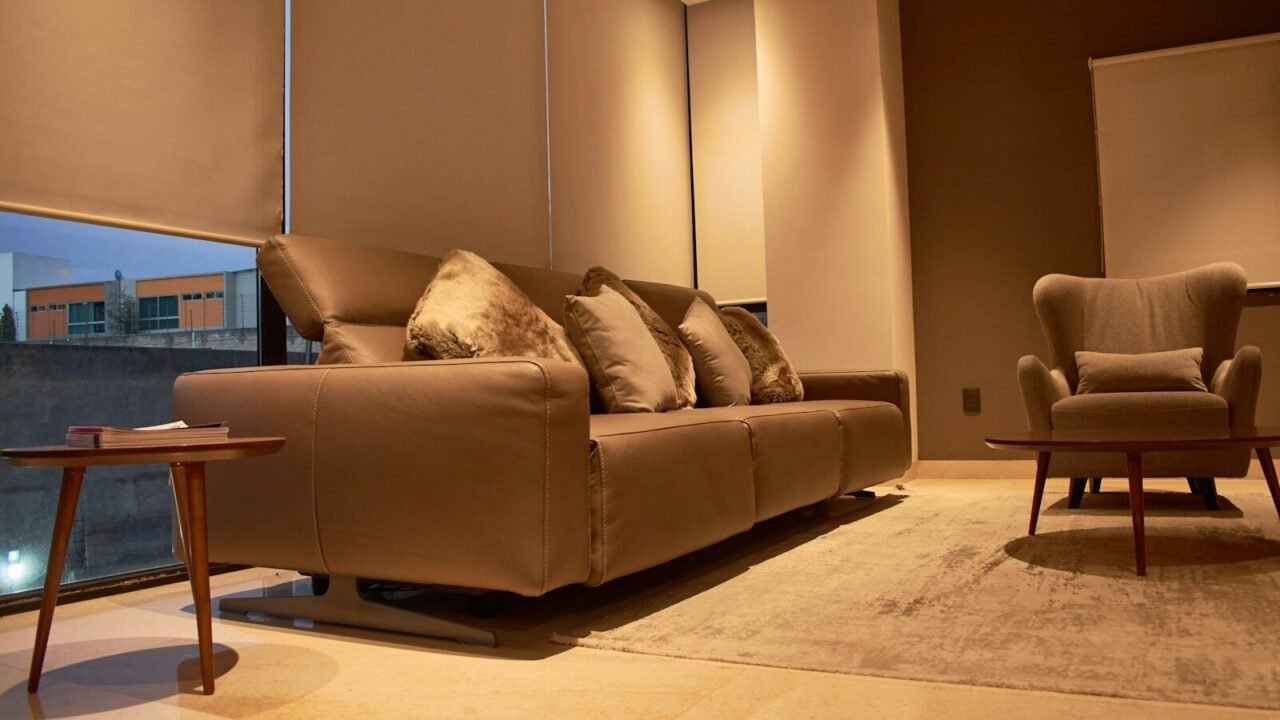
Living room. Anchor the room with one secondhand statement piece — a chair, a coffee table — and keep everything else quiet around it. A gallery wall of thrifted frames, even with mismatched styles, reads as intentional if you paint them all the same color first.
Bedroom. Spend on the bedding, not the bed frame. A well-chosen duvet cover and a couple of throw pillows transform a room faster and cheaper than any furniture swap”textiles are consistently ranked as one of the most cost-effective ways to refresh a space, and bedding is the highest-visibility textile in the house.
Kitchen. Open shelving styled with a handful of matching glass jars or a stack of good-looking dishware does more than a full cabinet overhaul most renters will never do anyway.
Bathroom. New hardware, a good bath mat, and a single plant genuinely change the feel of a small bathroom more than people expect for the cost involved.
Entryway. This is the room most people forget to decorate at all, which makes it the cheapest possible win — a secondhand mirror and a small tray for keys does more relative to its cost here than almost anywhere else in the home.
DIY and Upcycling Projects Worth Your Time
Not every DIY project is worth the hours it takes. These are the ones that consistently are:
- Repainting thrifted furniture. A tired secondhand dresser with a fresh coat of paint and new hardware routinely looks better than a mid-range new piece, for a fraction of the cost. This is a favorite move among budget-decor writers too second-hand pieces given a fresh coat of paint or new upholstery are a recurring recommendation for multifunctional and statement furniture alike.
- Reupholstering a single chair. More time-intensive, but a great secondhand chair frame with new fabric can become the best piece in a room.
- Building simple floating shelves. Cheaper than almost any comparable retail shelving, and customizable to the exact wall you have.
- Making your own art. A large, simple abstract piece — even something as basic as fabric stretched over a frame in a color that matches your room — fills wall space for a fraction of what framed prints cost.
Projects to skip unless you genuinely enjoy the process: refinishing wood floors, reupholstering a full sofa, and anything requiring specialty tools you’d need to buy just for one project. The math on those rarely favors DIY once your time is factored in.
Common Budget Decorating Mistakes
Buying everything at once. A room furnished in a single weekend from a single store reads as exactly that. Rooms that feel collected over time — because they involve pieces from different sources at different points — read as more expensive, even on a lower total budget.
Matching sets. A matching living room set from one retailer is often more expensive than the same pieces sourced individually, and it reads as less considered, not more.
Skipping the mid-tier and going straight to the cheapest option every time. Sometimes the cheapest version of something looks cheap because it is — a slightly higher spend on the one or two pieces you touch or see daily (a lamp, a throw blanket) is usually worth it, even on a tight budget.
Ignoring lighting entirely. Budget decorating tends to focus on objects and forgets that a warmly lit room with almost nothing in it looks better than a fully furnished room lit by a single harsh overhead bulb.
Cluttering instead of curating. More small objects doesn’t read as “more decorated” — it reads as busy. The instinct to fill every empty surface is usually worth resisting; clearing a coffee table down to a single object is a favorite reset for a reason clutter is usually the real reason a space feels messy or outdated, not the furniture underneath it.
2026 Trends You Can Do Cheaply
A few things showing up across current design coverage that happen to be genuinely low-cost to execute:
Negative space as a styling choice. Leaving deliberate empty space around a few well-chosen objects rather than filling every shelf is one of the most consistently recommended budget techniques for 2026, and it costs nothing beyond the discipline of not buying more.
Warm, earthy palettes over cool minimalism. Muted greens, terracotta, and warm neutrals are dominating over the gray-and-white palettes that defined the last decade muted jewel tones and earthy greens are leading the pack for 2026 specifically through rugs, throws, and cushions — and they’re genuinely easier to source secondhand since they’ve been common in furniture and textiles for years.
Texture layering with natural materials. Linen, rattan, and reclaimed wood paired together read as considered without needing to be expensive individually — a single rattan basket or a linen throw does real visual work for very little money.
Elevated everyday objects. Displaying a stack of real books, a ceramic pitcher, or a family object on a small stand or riser, rather than buying decorative objects specifically to fill a shelf, is a genuinely free technique that’s having a real design moment.
FAQ
What’s the single best first purchase on a tight decorating budget?
Paint, without much competition. It’s the cheapest way to change how a room feels, and every other purchase you make afterward looks better against a wall color you actually chose rather than whatever was there when you moved in.
Is secondhand furniture actually cheaper once you account for cleaning, repairs, and delivery?
Usually yes, even after factoring in a can of paint or new hardware, but it’s worth being honest about pickup logistics — a piece that “saves” you $150 but requires renting a truck can end up a wash. Factor transportation into the real cost before committing. It’s also a growing habit, not a niche one roughly one in five consumers who bought something secondhand last year bought furniture specifically, a share that climbs well above that among younger buyers.
How do I make a room look pulled together without spending more? Repetition of one or two colors across a few objects — a pillow, a vase, a piece of art — does more than any single expensive item. A room with a clear, limited palette looks more expensive than one with more objects but no consistent thread between them.
Are dupes (cheaper versions of designer pieces) worth buying? For decorative objects, generally yes — a vase or a mirror doesn’t need to be the original to do its job well. For furniture you’ll use daily, it’s worth being more cautious, since build quality differences show up fast in anything load-bearing.
How often should a budget decorated room be “refreshed”? There’s no fixed schedule that matters here — the better approach is swapping one or two small, low-cost elements (a pillow cover, a piece of art) seasonally rather than a full overhaul, which keeps a room feeling current without ever requiring a real budget reset.
Final Verdict
The homes that feel expensive on a real budget almost never got there by spending more carefully within the same old plan they got there by changing what they were optimizing for. Fewer, better-placed objects. Secondhand furniture sourced with patience instead of new furniture bought on a deadline. Paint and lighting prioritized over decorative objects. None of that requires more money than the alternative; it just requires slower, more deliberate decisions. My $600 apartment eventually looked like it cost twice that, and the difference wasn’t the second $400 it was learning to spend the first $200 on the right things instead of the fastest ones.
About the Author
Written by an interior design researcher who studies budget-conscious residential decorating, drawing on hands-on apartment and home decorating experience, current retail and secondhand-market trend data, and published interior design industry analysis. This article reflects real sourcing and styling decisions rather than sponsored product recommendations.
[…] Packing Mistakes to Avoid Before Moving House Economy Home Decor Ideas: How to Decorate Your Home on a Budget What Household Items Attract Flies? 12 Common Things to Check What Is Smart Home Interior […]