


Introduction
1920s Kitchen Design: Classic Style, Layouts, and Authentic Details explores how early 20th-century kitchens were designed, built, and used, and how those ideas are still influencing modern homes today. The 1920s marked a major shift in home design. Kitchens moved from purely utilitarian workspaces to more organized, hygienic, and functional rooms.
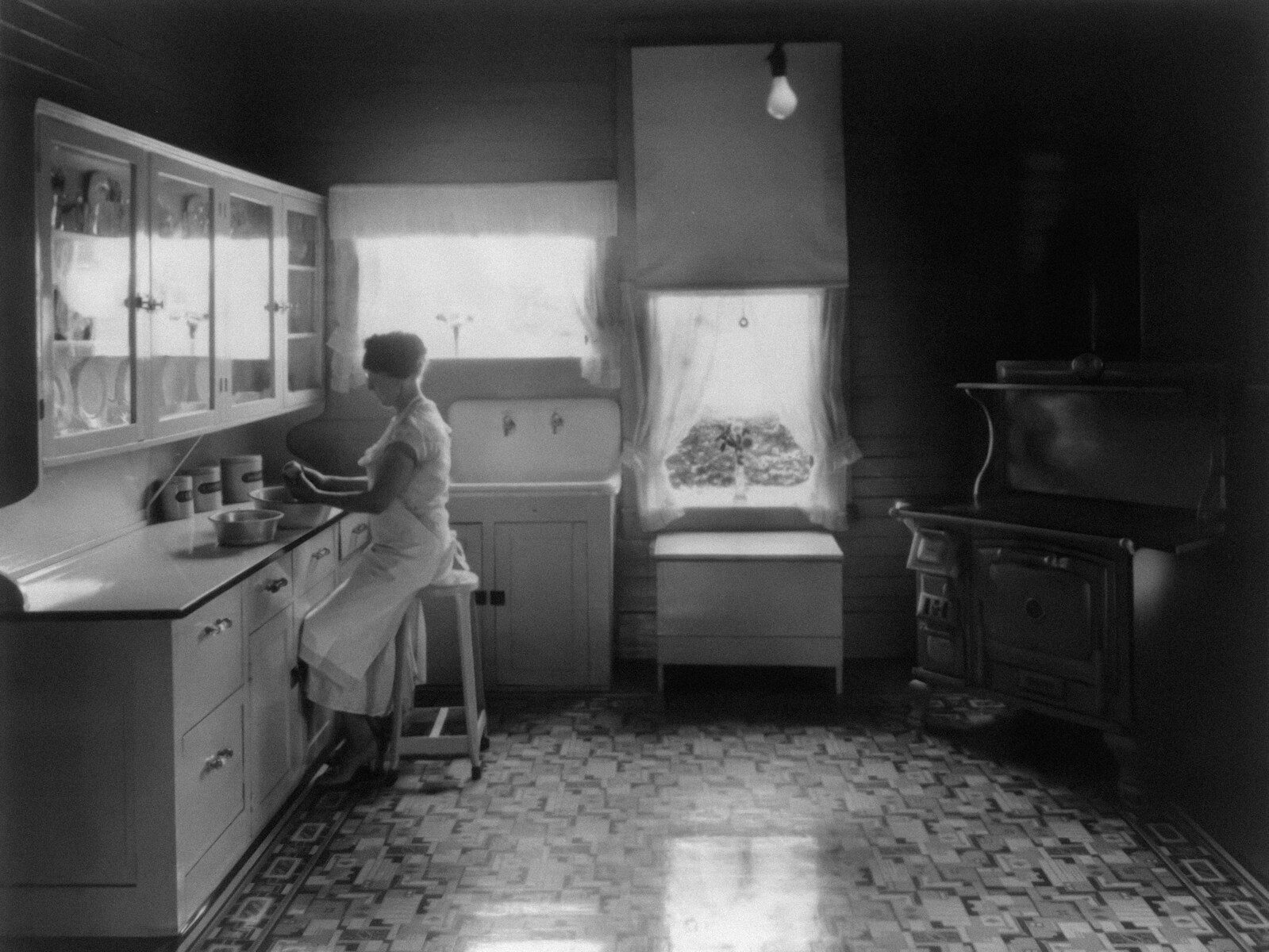
A 1920s kitchen is defined by practical layouts, durable materials, and simple but elegant detailing. Unlike modern open-plan kitchens, these spaces were often separate rooms designed for efficiency and cleanliness. Understanding this design style helps homeowners and designers recreate authentic vintage kitchens or incorporate 1920s elements into modern renovations.
This guide covers layouts, materials, cabinetry styles, color schemes, appliances, and expert design tips for achieving a historically inspired kitchen.
What Defines a 1920s Kitchen Design?
A 1920s kitchen design focuses on function, cleanliness, and structured organization. This era introduced early modern kitchen planning principles.
Key Characteristics
- Separate enclosed kitchen spaces
- Built-in cabinetry beginning to emerge
- Simple tile and wood finishes
- Emphasis on hygiene and easy cleaning
- Early gas and electric appliances
Expert Insight: The 1920s kitchen is often considered the foundation of modern kitchen ergonomics due to its focus on workflow efficiency.
Historical Context of 1920s Kitchens
During the 1920s, industrial progress influenced home design significantly.
Key Influences
- Rise of electricity in homes
- Improved plumbing systems
- Growth of middle-class housing
- Focus on domestic efficiency
Kitchens were no longer hidden purely for servants but became organized domestic workspaces.
Typical 1920s Kitchen Layouts
1. Galley Kitchen Layout
The most common layout in small homes.
- Parallel counters
- Efficient movement between zones
- Compact and functional
2. L-Shaped Layout
Introduced better workflow separation.
- Cooking zone
- Cleaning zone
- Preparation space
3. Single-Wall Kitchen
Used in smaller homes and apartments.
- All appliances on one wall
- Space-saving design
Insider Tip: Early 1920s kitchens followed the “work triangle” concept informally, improving movement between stove, sink, and storage.
Cabinetry and Storage in the 1920s
Built-In Cabinets Emergence
The 1920s saw the transition from standalone furniture to built-in kitchen storage.
- Simple wooden cabinets
- Open shelving for daily use items
- Glass-front upper cabinets
Hoosier Cabinets
A popular freestanding kitchen unit.
Features:
- Built-in flour bins
- Storage compartments
- Pull-out work surfaces
Materials Used in 1920s Kitchens
Wood
- Primary material for cabinets
- Often painted or varnished
Tile
- Used for countertops and backsplashes
- Easy to clean surfaces
Linoleum Flooring
- Durable and affordable
- Popular in working kitchens
Metal Accents
- Early use of enamel-coated appliances
- Steel sinks becoming common
Color Schemes of 1920s Kitchens
Popular Colors
- White (symbol of cleanliness)
- Cream and beige tones
- Soft pastels (mint, pale yellow)
Accent Colors
- Black trim
- Green cabinetry details
- Blue tile accents
Expert Insight: White dominated 1920s kitchens because it reinforced the growing emphasis on hygiene and sanitation.
Appliances in 1920s Kitchens
Early Gas Stoves
Replaced wood-burning stoves in many homes.
Ice Boxes
Predecessor to modern refrigerators.
Early Electric Appliances
- Toasters
- Mixers
- Small countertop devices
Lighting in 1920s Kitchens
Ceiling Fixtures
Simple hanging lights or glass shades.
Natural Light
Large windows were essential for ventilation and brightness.
Flooring Styles
Checkerboard Tiles
Black and white tile patterns became iconic.
Linoleum Sheets
Easy to clean and maintain.
Decorative Details
Minimal Ornamentation
1920s kitchens were functional, not overly decorative.
Glass Cabinets
Displayed dishes while maintaining organization.
Metal Hardware
Simple handles and knobs in nickel or brass.
Modern Adaptations of 1920s Kitchen Design
Why It Still Works Today
- Efficient layouts
- Timeless aesthetics
- Easy-to-maintain surfaces
Blending Old and New
- Vintage cabinets with modern appliances
- Retro tile with modern lighting
- Classic color palettes with updated materials
Common Mistakes When Recreating a 1920s Kitchen
Over-Modernization
Removes historical authenticity.
Overcrowding the Space
1920s kitchens were organized and minimal.
Ignoring Workflow Layout
Functionality should remain a priority.
Expert Design Tips
- Use period-appropriate tile patterns
- Choose simple cabinet designs
- Keep color palette light and clean
- Prioritize functional layout over decoration
- Add vintage hardware for authenticity
Maintenance Tips for Vintage-Style Kitchens
- Use gentle cleaning products on wood
- Avoid harsh chemicals on tile grout
- Maintain ventilation to prevent moisture damage
- Regularly check plumbing in older-style sinks
Cost Considerations
Budget Restoration
- Painted cabinets
- Basic tile updates
Mid-Range Renovation
- Custom cabinetry
- Period-style fixtures
High-End Authentic Restoration
- Custom-built Hoosier-style units
- Premium vintage appliances
Is a 1920s Kitchen Design Worth It?
Yes, especially for homeowners who value historical charm, functional layout design, and timeless aesthetics. It works well in both restorations and modern reinterpretations.
Conclusion
1920s Kitchen Design: Classic Style, Layouts, and Authentic Details highlights how early kitchen design principles still influence modern interiors. With its focus on function, cleanliness, and structured layouts, the 1920s kitchen remains one of the most practical and visually appealing vintage styles.
By combining historical accuracy with modern convenience, homeowners can create kitchens that are both beautiful and highly functional.