



Introduction
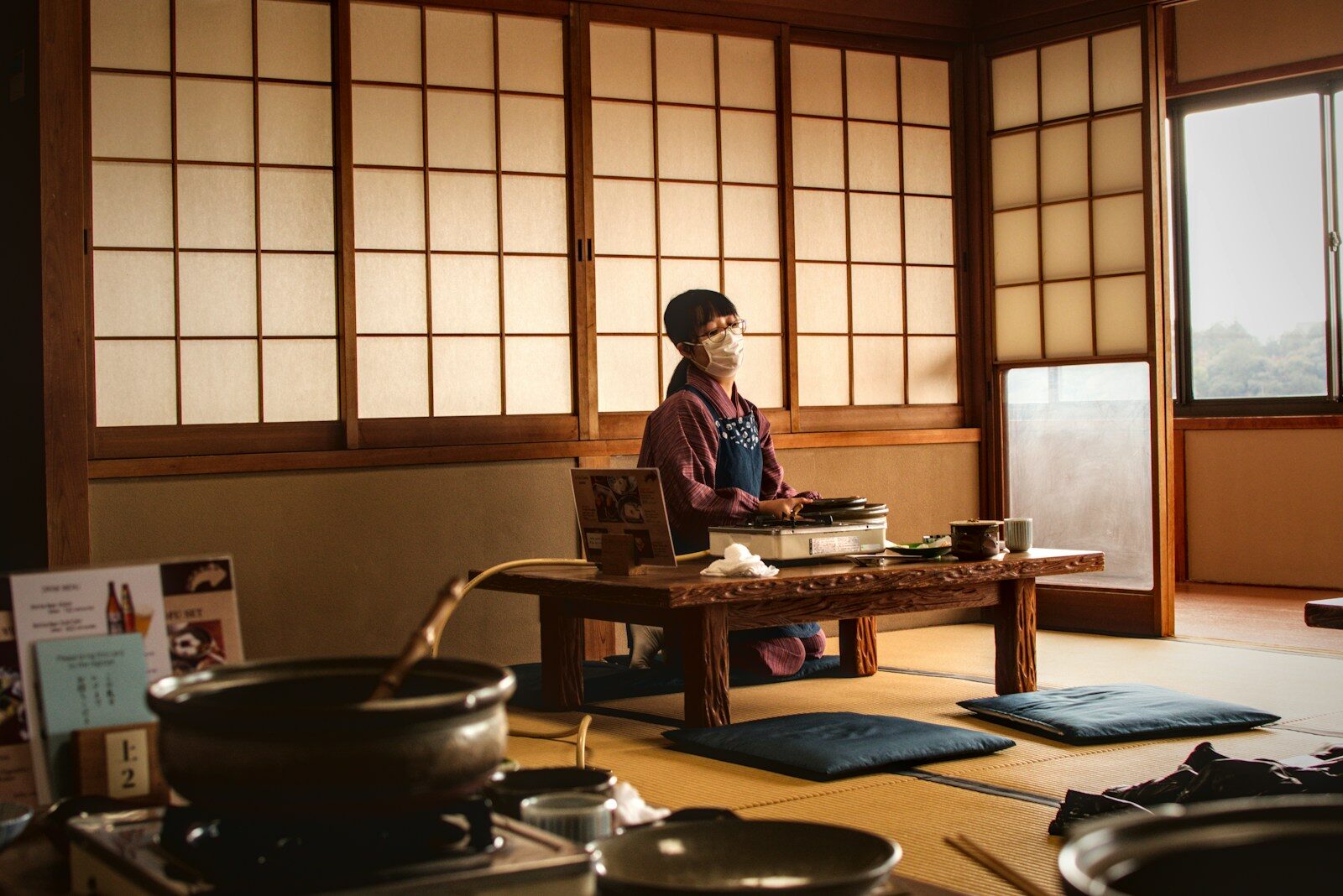
Japanese Style Kitchen Guide: Cabinets, Colors, and Materials explores one of the most refined, functional, and calming kitchen design philosophies in the world. Japanese kitchen design is built on simplicity, efficiency, natural materials, and a deep respect for space and order.
Unlike heavily decorative Western kitchens, Japanese-style kitchens focus on minimal clutter, clean lines, and practical layouts that support smooth daily workflow. Every element has a purpose, and unnecessary decoration is avoided.
This guide breaks down Japanese kitchen cabinets, color palettes, materials, layouts, storage solutions, lighting, and expert design tips to help you create a functional and peaceful cooking space.
What Is a Japanese Style Kitchen?
A Japanese-style kitchen is designed around simplicity, efficiency, and harmony with natural elements. It prioritizes usability and cleanliness while maintaining a calm visual atmosphere.
Core Principles
- Minimalism and decluttered surfaces
- Functional layout and efficiency
- Natural materials and textures
- Soft, neutral color palettes
- Hidden or integrated storage solutions
Expert Insight: Japanese kitchen design is influenced by the concept of “Ma,” which values empty space as an essential part of design balance.
Key Features of Japanese Kitchen Design
1. Clean and Simple Layouts
Japanese kitchens avoid unnecessary complexity and focus on workflow efficiency.
2. Smart Storage Solutions
Everything is stored out of sight to maintain visual cleanliness.
3. Natural Materials
Wood, stone, bamboo, and ceramic are commonly used.
4. Compact and Functional Design
Even small kitchens are optimized for maximum usability.
Japanese Kitchen Cabinet Styles
Cabinets are a central element of Japanese kitchen design.
1. Flat Panel Cabinets
- Smooth surfaces
- No ornate detailing
- Easy to clean
2. Handleless Cabinets
- Push-to-open systems
- Sleek, modern appearance
3. Wood Grain Cabinets
- Natural textures
- Warm and organic feel
4. Sliding Door Cabinets
- Space-saving design
- Traditional Japanese influence
Insider Tip: Matte finishes work better than glossy surfaces for achieving an authentic Japanese aesthetic.
Best Color Palettes for Japanese Kitchens
Neutral Base Colors
- White
- Beige
- Soft gray
- Cream tones
Natural Accent Colors
- Light wood brown
- Bamboo green
- Stone gray
Minimal Contrast Approach
Japanese kitchens avoid strong color contrasts.
Expert Insight: The goal is visual calmness, not visual impact.
Materials Used in Japanese Kitchens
Natural Wood
- Oak
- Cedar
- Walnut
Bamboo
- Eco-friendly
- Lightweight and durable
Stone and Ceramic
- Used for countertops and backsplashes
- Adds durability and texture
Stainless Steel
- Used in modern Japanese kitchens
- Hygienic and easy to clean
Japanese Kitchen Layouts
1. Galley Kitchen
- Efficient and compact
- Common in small homes
2. L-Shaped Kitchen
- Improves workflow
- Separates cooking zones
3. Open Kitchen Concept
- Blends with dining space
- Encourages social cooking
4. Compact Apartment Kitchen
- Vertical storage
- Foldable surfaces
Japanese Storage Philosophy
Hidden Storage
Clutter is always hidden from view.
Vertical Organization
Uses wall height efficiently.
Minimal Countertop Items
Only essential tools are visible.
Insider Tip: Japanese kitchens often use drawer organizers to separate every utensil category precisely.
Lighting in Japanese Kitchens
Natural Light Priority
Large windows are preferred when possible.
Soft Artificial Lighting
- Warm LED lighting
- Under-cabinet lighting
Avoid Harsh Lighting
Bright, cold lighting is avoided.
Flooring Options
Wooden Flooring
- Warm and natural
- Common in traditional homes
Tile Flooring
- Easy maintenance
- Water resistant
Matte Finishes
Prevents visual clutter and glare
Japanese Kitchen Appliances
Compact Appliances
- Small refrigerators
- Built-in ovens
Multi-Function Tools
- Space-saving devices
- Energy-efficient design
Integrated Appliances
- Hidden within cabinetry
- Maintains clean look
Japanese Kitchen Decor Style
Minimal Decoration
- Small plants
- Simple ceramics
Natural Elements
- Wood bowls
- Stone accessories
Functional Beauty
Everything in the kitchen has a purpose.
Common Mistakes in Japanese Kitchen Design
Over-Decorating
Breaks minimalist balance.
Using Too Many Colors
Creates visual noise.
Ignoring Storage Planning
Leads to cluttered countertops.
Choosing Glossy Finishes
Reduces natural calm effect.
Expert Design Tips
- Keep surfaces completely clutter-free
- Use built-in appliances whenever possible
- Choose soft natural textures over synthetic finishes
- Prioritize function before decoration
- Stick to a limited color palette
Maintenance Tips
- Clean surfaces daily to maintain minimal look
- Organize storage weekly
- Avoid moisture buildup in wooden areas
- Use gentle cleaning products for natural materials
Sustainability in Japanese Kitchens
Eco-Friendly Design
- Bamboo materials
- Energy-efficient appliances
- Long-lasting natural finishes
Is Japanese Kitchen Design Practical?
Yes, it is one of the most practical kitchen design styles due to its focus on efficiency, organization, and simplicity.
Conclusion
Japanese Style Kitchen Guide: Cabinets, Colors, and Materials shows how simplicity and functionality can create a highly efficient and peaceful cooking environment. By using natural materials, neutral colors, and smart storage systems, Japanese kitchens achieve a timeless balance between beauty and practicality.
This design philosophy works well in both small apartments and large modern homes, making it one of the most adaptable kitchen styles today.