


Introduction
Edwardian Interior Design Style: Colors, Furniture, and Key Features explores a refined yet lighter alternative to Victorian design that emerged during the early 20th century. The Edwardian era (1901–1910) brought a shift toward brighter spaces, simpler decoration, and improved functionality in homes.
Unlike the heavy, dark interiors of the Victorian period, Edwardian design embraces light colors, airy layouts, and a balance between elegance and comfort. It reflects a time when homes became more practical while still maintaining decorative charm.
This guide covers the core elements of Edwardian interiors, including color palettes, furniture styles, architectural features, materials, and expert design tips to help you recreate this timeless look.
What Is Edwardian Interior Design?
Edwardian interior design is a style that blends traditional elegance with lighter, more open living spaces. It is often seen as a transitional style between Victorian richness and modern simplicity.
Key Characteristics
- Light and airy rooms
- Soft color palettes
- Elegant but less cluttered decor
- Functional layouts
- Mix of traditional and early modern elements
Expert Insight: Edwardian interiors prioritize comfort and usability without losing classic charm.
Historical Background
The Edwardian period followed the Victorian era and reflected social changes, including improved technology, better lighting, and evolving lifestyles.
Key Influences
- Introduction of electricity
- Increased natural light usage
- Move toward simpler living spaces
Color Palette in Edwardian Interiors
Light and Fresh Colors
- Soft white
- Cream
- Pale grey
Pastel Shades
- Light blue
- Soft green
- Dusty pink
Accent Colors
- Gold detailing
- Floral tones
Insider Tip: Edwardian color schemes often use lighter tones on walls with slightly darker accents in furniture or trims.
Furniture Style
1. Elegant but Lightweight
Furniture is less bulky compared to Victorian pieces.
2. Curved and Refined Lines
- Tapered legs
- Soft edges
3. Mixed Materials
- Wood with inlays
- Upholstered seating
4. Functional Layout
Furniture is arranged for comfort and usability.
Common Furniture Pieces
- Upholstered armchairs
- Wooden sideboards
- Display cabinets
- Writing desks
Flooring in Edwardian Homes
Wooden Floors
- Polished hardwood
- Often paired with rugs
Decorative Tiles
- Found in hallways and entrances
Walls and Wallpaper
Painted Walls
- Light colors dominate
Wallpaper Designs
- Floral patterns
- Subtle prints
Lighting in Edwardian Interiors
Natural Light
- Large windows
- Minimal window coverings
Artificial Lighting
- Early electric fixtures
- Chandeliers and wall sconces
Expert Insight: Lighting was a major advancement in the Edwardian era, influencing brighter interiors.
Decorative Elements
Textiles
- Linen curtains
- Patterned cushions
Accessories
- Porcelain items
- Framed artwork
Plants and Flowers
- Fresh floral arrangements
Architectural Features
High Ceilings
Create spacious feeling.
Large Windows
Allow maximum natural light.
Fireplaces
Often used as focal points.
Room-by-Room Design Ideas
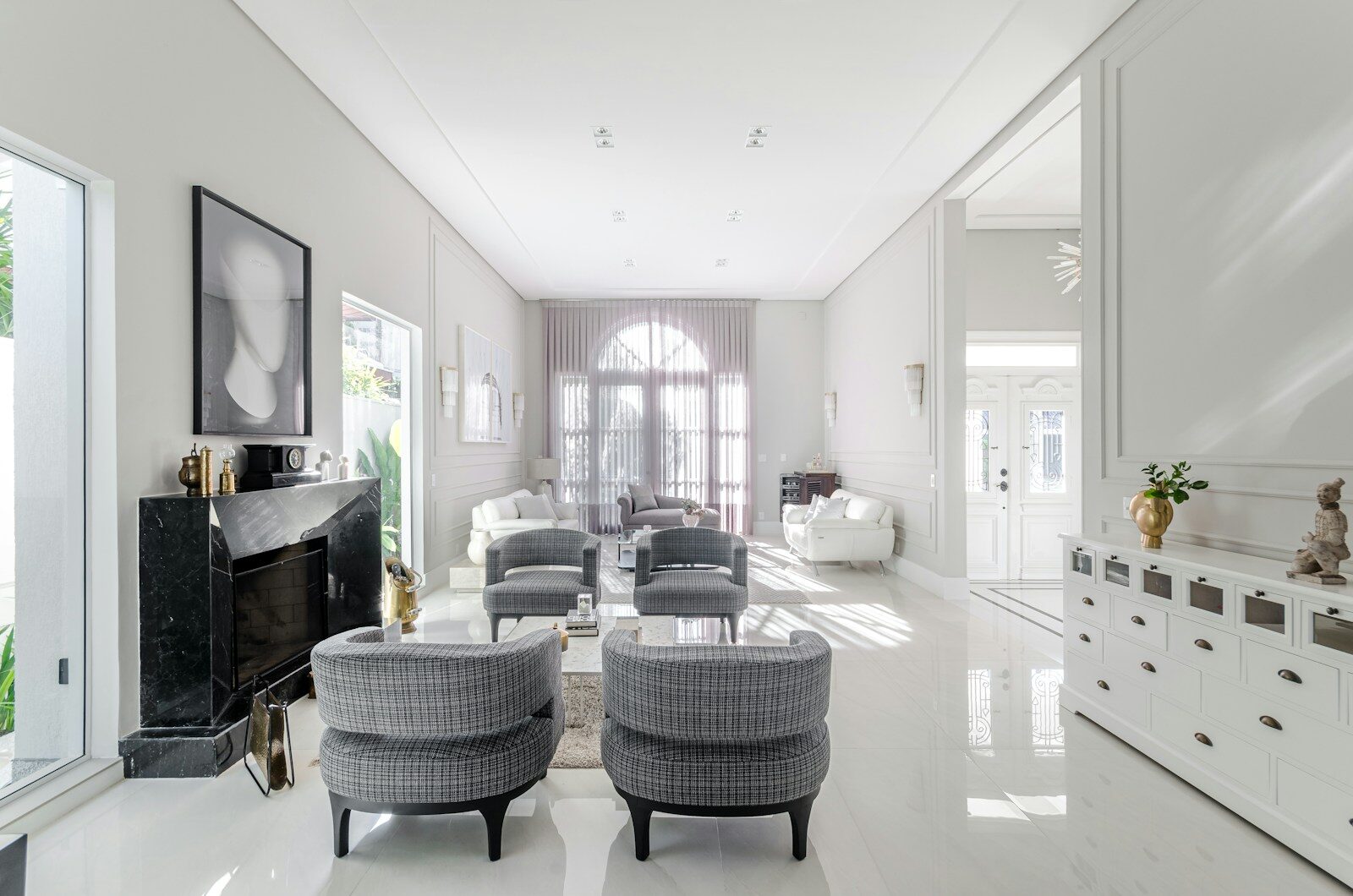
Living Room
- Light wall colors
- Elegant seating
- Central fireplace
Dining Room
- Wooden dining table
- Display cabinets
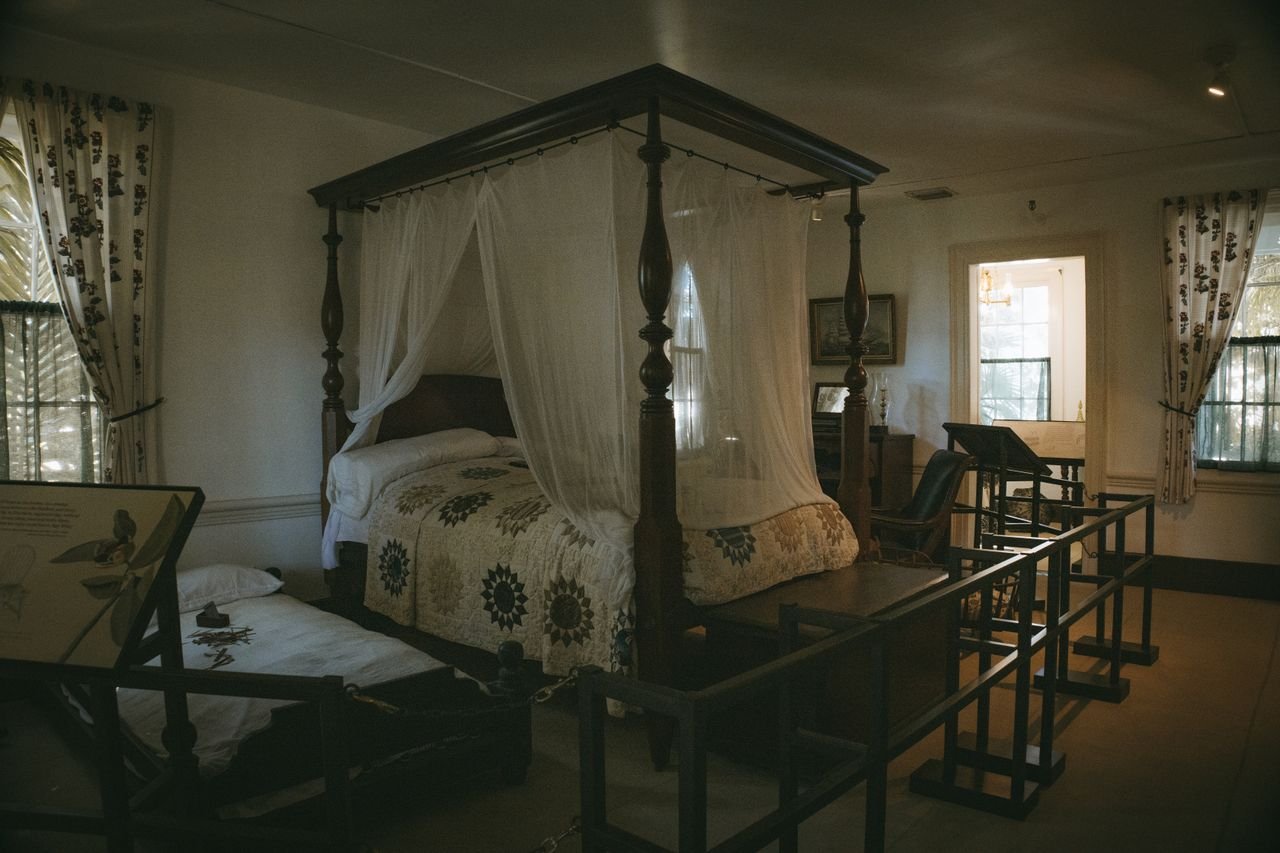
Bedroom
- Soft bedding
- Simple furniture layout
Bathroom
- Classic fixtures
- Light tiles
Edwardian vs Victorian Style
Edwardian
- Light, airy, simple
Victorian
- Dark, heavy, ornate
Common Mistakes to Avoid
Overdecorating
Edwardian style favors simplicity.
Using Dark Colors
Reduces the airy feel.
Ignoring Natural Light
Key feature of the style.
Expert Styling Tips
- Use light color palettes
- Choose elegant but simple furniture
- Maximize natural light
- Add subtle decorative details
- Keep spaces uncluttered
Why Choose Edwardian Interior Design?
- Timeless elegance
- Comfortable living spaces
- Bright and welcoming atmosphere
Conclusion
Edwardian Interior Design Style: Colors, Furniture, and Key Features highlights a design approach that balances tradition and modern comfort. With its light color schemes, elegant furniture, and functional layouts, this style creates spaces that feel both refined and livable.
By focusing on simplicity, natural light, and thoughtful decoration, you can successfully recreate the charm of Edwardian interiors in modern homes.