

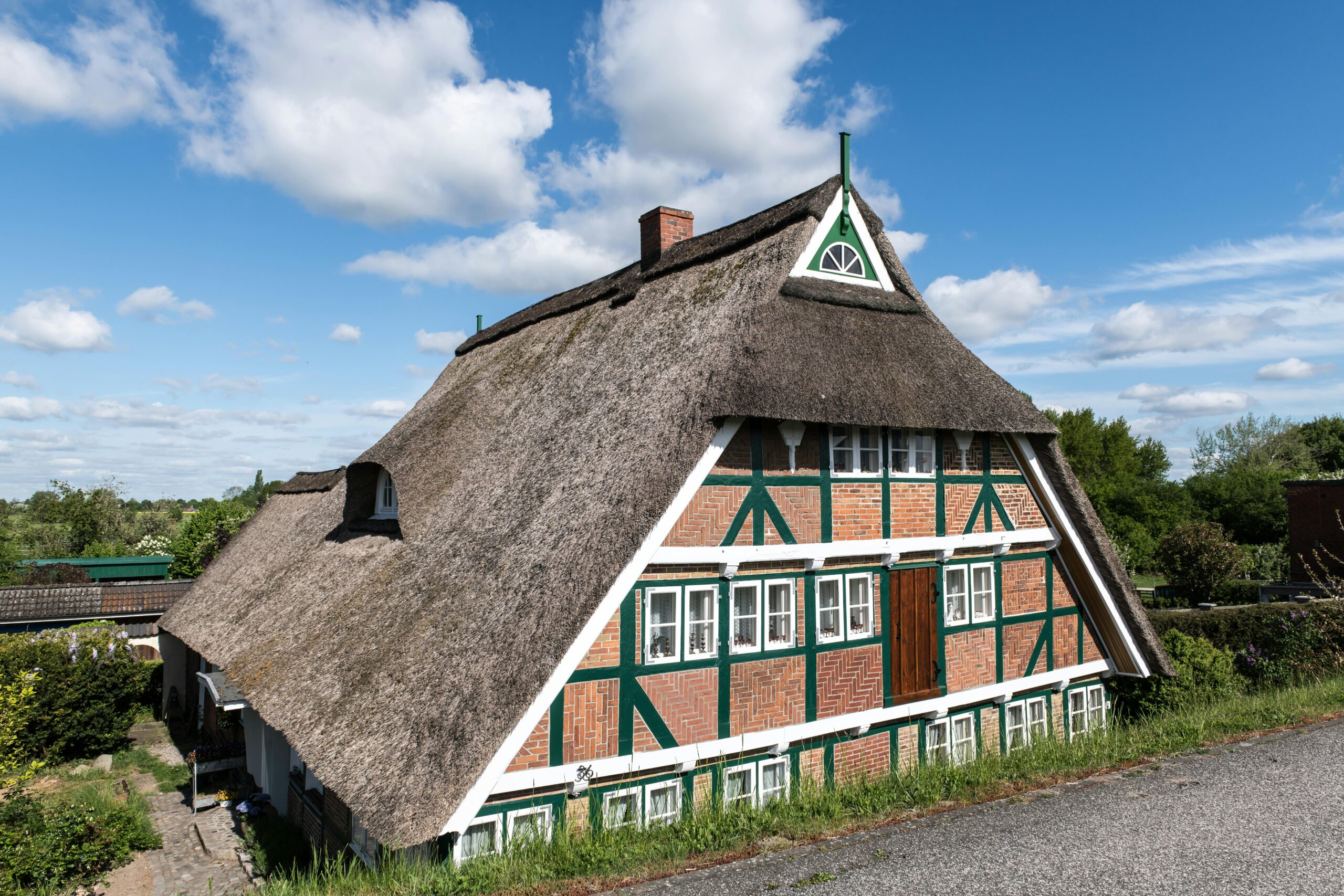
Eaves are one of the most overlooked parts of a house, yet they play a major role in protecting the structure, improving comfort, and enhancing the overall look of your home. Many homeowners notice them but don’t fully understand their function or importance.
This guide explains what eaves are, how they work, why they matter, and how to design and maintain them properly. The goal is simple: give you practical, real-world knowledge you can actually use.
What Are Eaves of a House?
There are the edges of a roof that extend beyond the exterior walls of a house. In simple terms, they are the part of the roof that “hangs over” the sides.
You can easily spot it by standing outside your home and looking at the roofline. If the roof extends past the wall, that extension is the eave.
Main Components of Eaves
Understanding the parts of eave helps you see how they function together.
1. Soffit
The soffit is the underside of the eave. It is visible when you stand directly below the roof overhang.
Purpose:
- Covers exposed rafters
- Improves appearance
- Allows ventilation (if vented)
2. Fascia
The fascia is the vertical board that runs along the edge of the roof.
Purpose:
- Supports gutters
- Protects roof edges
- Provides a clean finishing look
3. Rafters or Trusses
These are structural elements that support the roof and extend to form the eaves.
4. Gutters (Optional but Common)
Attached to the fascia, gutters help direct rainwater away from the house.
Types of Eaves
Different houses use different eave styles depending on climate, design, and budget.
Open Eaves
- Rafters are visible
- Common in traditional or rustic homes
Pros:
- Better airflow
- Easier to inspect
Cons:
- More exposure to pests and weather
Closed Eaves
- Covered with soffit
- Clean and modern look
Pros:
- Better protection
- Low maintenance
Cons:
- Requires proper ventilation design
Boxed Eaves
- Fully enclosed with a box-like structure
Pros:
- Strong protection from weather
- Polished appearance
Abbreviated Eaves
- Short overhang
Used in:
- Modern or minimalist homes
Limitation:
- Less protection from rain and sun
Why Eaves Are Important
There are not just decorative. They serve multiple essential functions.
1. Protect Walls from Rain
Eave prevent rainwater from running directly down the walls.
Without eaves:
- Water stains appear
- Paint peels faster
- Structural damage increases
With proper eaves:
- Water is directed away
- Walls stay dry longer
2. Improve Ventilation
Vented soffits allow air to circulate in the attic.
Benefits:
- Reduces heat buildup
- Prevents moisture damage
- Extends roof life
3. Control Sunlight
it’s eave act as natural shade.
- In summer: block direct sunlight
- In winter: allow lower-angle sunlight
This helps regulate indoor temperature.
4. Increase Energy Efficiency
By controlling heat and airflow, it reduce the need for cooling.
Result:
- Lower electricity bills
- More comfortable indoor environment
5. Protect Foundation
Water that falls near the base of a house can damage the foundation.
Eave, combined with gutters, help:
- Direct water away
- Prevent soil erosion
6. Enhance Aesthetic Appeal
it is give a finished look to the house.
They:
- Add depth and shadow
- Improve architectural style
- Increase property value
Ideal Eave Length: What Works Best?
The size of eave matters.
Standard range:
- 12 to 24 inches (1 to 2 feet)
Factors affecting size:
- Climate
- Roof design
- Building codes
Hot climates:
- Longer eaves for more shade
Rainy climates:
- Wider overhang for better protection
Best Materials for Eaves
Choosing the right material improves durability and reduces maintenance.
Wood
Pros:
- Natural look
- Easy to customize
Cons:
- Requires regular maintenance
- Can rot over time
Aluminum
Pros:
- Lightweight
- Rust-resistant
- Low maintenance
PVC (Plastic)
Pros:
- Affordable
- Water-resistant
Cons:
- Less durable than metal
Fiber Cement
Pros:
- Strong and long-lasting
- Fire-resistant
Common Problems with Eaves
Even well-built it can develop issues over time.
1. Poor Ventilation
Problem:
- Heat and moisture buildup
Solution:
- Install vented soffits
2. Rotting Wood
Cause:
- Water exposure
Solution:
- Replace damaged sections
- Use waterproof coatings
3. Pest Infestation
Birds, insects, and rodents may enter through gaps.
Solution:
- Seal openings
- Install mesh vents
4. Sagging Gutters
Cause:
- Weak fascia board
Solution:
- Reinforce or replace fascia
Maintenance Tips for Long-Lasting Eaves
Regular care prevents costly repairs.
Inspect Twice a Year
Check for:
- Cracks
- Rot
- Loose parts
Clean Gutters Regularly
Clogged gutters cause water overflow, damaging it.
Repaint or Seal Wood
Protects against moisture and weather damage.
Check Ventilation Openings
Ensure they are not blocked by dust or debris.
Eaves vs Soffit vs Fascia: Quick Difference
| Feature | Description | Function |
|---|---|---|
| Eaves | Roof overhang | Protect walls |
| Soffit | Underside of eaves | Ventilation & cover |
| Fascia | Front board | Supports gutters |
Modern Design Trends for Eaves
Today’s homes use it not just for function but also for style.
Minimalist Eaves
- Clean lines
- Smaller overhangs
Extended Eaves
- Large overhangs
- Better shading and energy efficiency
Decorative Soffits
- Patterned or vented designs
- Adds visual detail
Insider Tips from Real Builders
1. Always Combine Eaves with Gutters
It’s alone are not enough in heavy rain areas.
2. Use Vented Soffits in Hot Climates
This prevents attic overheating.
3. Don’t Go Too Short
Short eaves may look modern but reduce protection.
4. Match Eaves with Roof Pitch
Steeper roofs often need wider it.
5. Invest in Quality Fascia Boards
Weak fascia leads to gutter failure.
When Should You Repair or Replace Eaves?
You should take action if you notice:
- Peeling paint
- Water leaks
- Visible cracks
- Mold or mildew
- Animal activity
Ignoring these signs can lead to:
- Roof damage
- Interior leaks
- Higher repair costs
Cost Overview (General Estimate)
Costs depend on material and size.
Basic repair:
- Low to moderate cost
Full replacement:
- Higher cost but long-term value
Tip:
Investing in durable materials reduces maintenance costs over time.
Are Eaves Necessary for Every House?
Not all modern homes have large it, but most benefit from them.
Homes without it rely heavily on:
- Waterproof coatings
- Advanced drainage systems
Even then, it’s remain one of the simplest and most effective protective features.
Final Thoughts
it may seem like a small detail, but they play a big role in protecting your home, improving energy efficiency, and enhancing visual appeal. From shielding walls against rain to regulating temperature, their benefits are both practical and long-lasting.
Understanding how it’s work and maintaining them properly helps you avoid common problems and extend the life of your home. Whether you are building a new house or improving an existing one, well-designed eaves are a smart and necessary feature.



Leave a Reply