

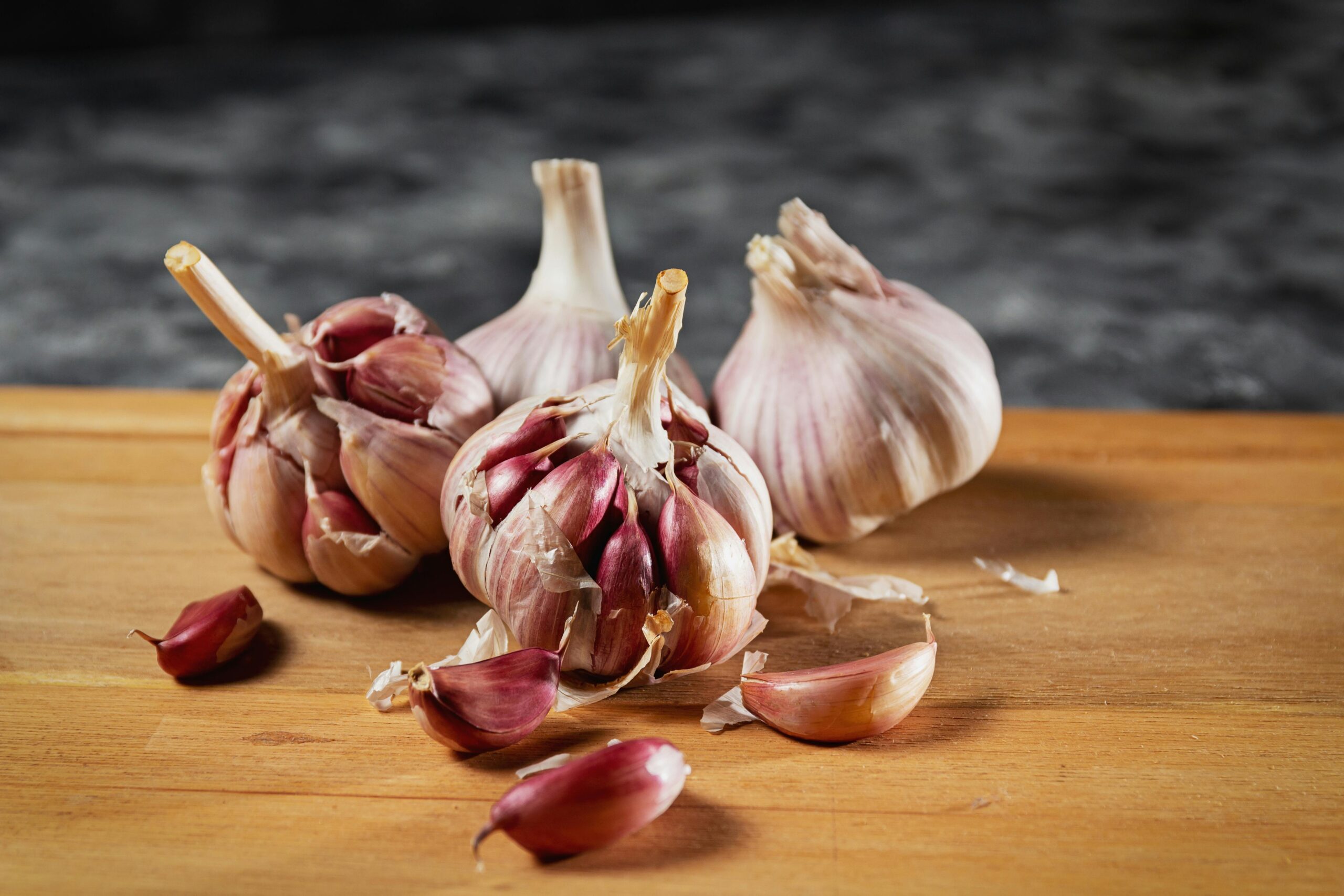
Garlic Growing Problems it is not trouble-free. Even small mistakes in soil, watering, or timing can lead to weak plants, poor bulb formation, or disease. Many growers lose yield not because garlic is difficult, but because early warning signs go unnoticed.
This guide explains how to recognize garlic growing problems and deal with them using practical, field-tested methods. It focuses on real symptoms, clear causes, and simple fixes you can apply immediately.
Why Garlic Growing Problems Happen
Garlic is sensitive to its environment. It needs the right balance of:
- Well-drained soil
- Consistent moisture
- Cool early growth and warm bulb development
- Proper spacing
- Healthy seed cloves
If any of these conditions are off, the plant shows visible stress. The key is to catch these signs early.
Common Garlic Growing Problems (With Clear Solutions)
1. Yellowing Leaves
What You See:
Leaves turn yellow from the tips downward. Growth slows.
Main Causes:
- Overwatering
- Poor drainage
- Nitrogen deficiency
- Early fungal infection
How to Fix It:
- Check soil moisture. Garlic does not like soggy soil.
- Improve drainage by adding sand or organic matter.
- Apply a balanced fertilizer with nitrogen.
- Remove affected leaves if disease is suspected.
Insider Tip:
If yellowing starts in late season, it may be normal. Garlic naturally dries before harvest. Timing matters here.
2. Small or Underdeveloped Bulbs
What You See:
Plants look healthy but bulbs remain small at harvest.
Main Causes:
- Poor soil nutrition
- Overcrowding
- Wrong planting time
- Lack of sunlight
How to Fix It:
- Use compost-rich soil before planting.
- Maintain proper spacing (at least 4–6 inches apart).
- Plant at the right time (usually fall in most regions).
- Ensure 6–8 hours of direct sunlight daily.
Expert Insight:
Bulb size is decided early. If growth is weak in the first few months, the final bulb will stay small no matter what you do later.
3. Garlic Not Forming Bulbs
What You See:
Plants grow leaves but no proper bulb develops underground.
Main Causes:
- Wrong garlic variety for your climate
- Insufficient cold exposure (vernalization)
- Excess nitrogen late in growth
How to Fix It:
- Choose the right type (hardneck or softneck) for your region.
- Plant in fall to allow cold exposure.
- Reduce nitrogen feeding after early growth stage.
4. Brown Spots or Rust on Leaves
What You See:
Small orange or brown spots appear on leaves.
Main Cause:
Garlic rust (fungal disease)
How to Fix It:
- Remove infected leaves immediately.
- Avoid overhead watering.
- Improve air circulation by spacing plants properly.
- Use organic fungicides if infection spreads.
Insider Tip:
Rust spreads fast in humid weather. Early action prevents full crop damage.
5. Wilting or Drooping Plants
What You See:
Plants fall over or look weak despite watering.
Main Causes:
- Root rot
- Poor soil drainage
- Pest damage (underground insects)
How to Fix It:
- Check roots for rot or pests.
- Improve soil drainage.
- Rotate crops to avoid soil-borne diseases.
6. Garlic Bulbs Rotting in Soil
What You See:
Bulbs become soft, mushy, or smell bad.
Main Causes:
- Overwatering
- Heavy clay soil
- Fungal infections
How to Fix It:
- Stop watering immediately.
- Use raised beds for better drainage.
- Remove infected plants to stop spread.
7. Pests Attacking Garlic
Garlic is naturally pest-resistant, but some insects still attack it.
Common Garlic Pests:
- Onion maggots
- Thrips
- Nematodes
Signs:
- Holes in leaves
- Stunted growth
- Distorted bulbs
How to Fix It:
- Use neem oil or organic insect sprays.
- Rotate crops every season.
- Remove infected plants quickly.
8. Leaves Turning Brown Too Early
What You See:
Leaves dry out before bulbs fully develop.
Main Causes:
- Drought stress
- Disease
- Nutrient imbalance
How to Fix It:
- Maintain consistent watering schedule.
- Feed plants with balanced nutrients.
- Check for disease signs.
Soil Problems That Affect Garlic Growth
Poor Drainage
Garlic roots rot quickly in waterlogged soil.
Solution:
- Add compost and sand
- Use raised beds
Low Nutrients
Garlic is a heavy feeder, especially in early growth.
Solution:
- Add organic compost before planting
- Use nitrogen-rich fertilizer early
Wrong pH Level
Garlic prefers slightly acidic to neutral soil (pH 6–7).
Solution:
- Test soil pH
- Add lime or sulfur as needed
Watering Mistakes and How to Correct Them
Overwatering
- Causes root rot and fungal diseases
Underwatering
- Leads to small bulbs and dry plants
Best Practice:
- Keep soil moist but not soggy
- Reduce watering near harvest time
Expert Tip:
Stick your finger into the soil. If the top inch is dry, it’s time to water.
Climate-Related Garlic Problems
Extreme Heat
- Stops bulb development
- Causes early drying
Fix:
- Use mulch to keep soil cool
- Water consistently
Frost Damage
- Damages young shoots
Fix:
- Use mulch or row covers
Harvesting Problems and Mistakes
Too Early
- Bulbs remain small
Too Late
- Bulbs split and lose quality
Correct Timing:
- Harvest when lower leaves turn brown but upper leaves are still green
Preventive Care: The Best Strategy
Prevention is always easier than fixing problems later.
Use Healthy Seed Garlic
Avoid supermarket garlic. Use disease-free planting stock.
Rotate Crops
Do not plant garlic in the same spot every year.
Maintain Spacing
Proper airflow reduces disease risk.
Mulch Properly
Mulch helps control weeds, moisture, and temperature.
Professional Grower Insights
- Most garlic problems start in the soil, not on the leaves
- Overwatering is the most common mistake among beginners
- Early growth stage is critical for final bulb size
- Prevention is more effective than treatment
Quick Troubleshooting Guide
| Problem | Likely Cause | Solution |
|---|---|---|
| Yellow leaves | Overwatering / low nitrogen | Adjust watering, add fertilizer |
| Small bulbs | Poor nutrition / spacing | Improve soil, space plants |
| No bulbs | Lack of cold exposure | Plant in fall |
| Rust spots | Fungal disease | Remove leaves, improve airflow |
| Rotting bulbs | Excess moisture | Improve drainage |
| Wilting plants | Root issues | Check soil and pests |
Final Thoughts
Recognizing garlic growing problems early is the difference between a healthy harvest and a failed crop. Garlic plants give clear signals when something is wrong yellow leaves, slow growth, or unusual spots are not random. Each sign points to a specific issue.
Focus on soil quality, proper watering, and seasonal care. These three factors solve most garlic problems before they start. Stay consistent, observe your plants closely, and act quickly when you notice changes.
With the right approach, garlic becomes one of the most reliable and rewarding crops you can grow.


Leave a Reply