

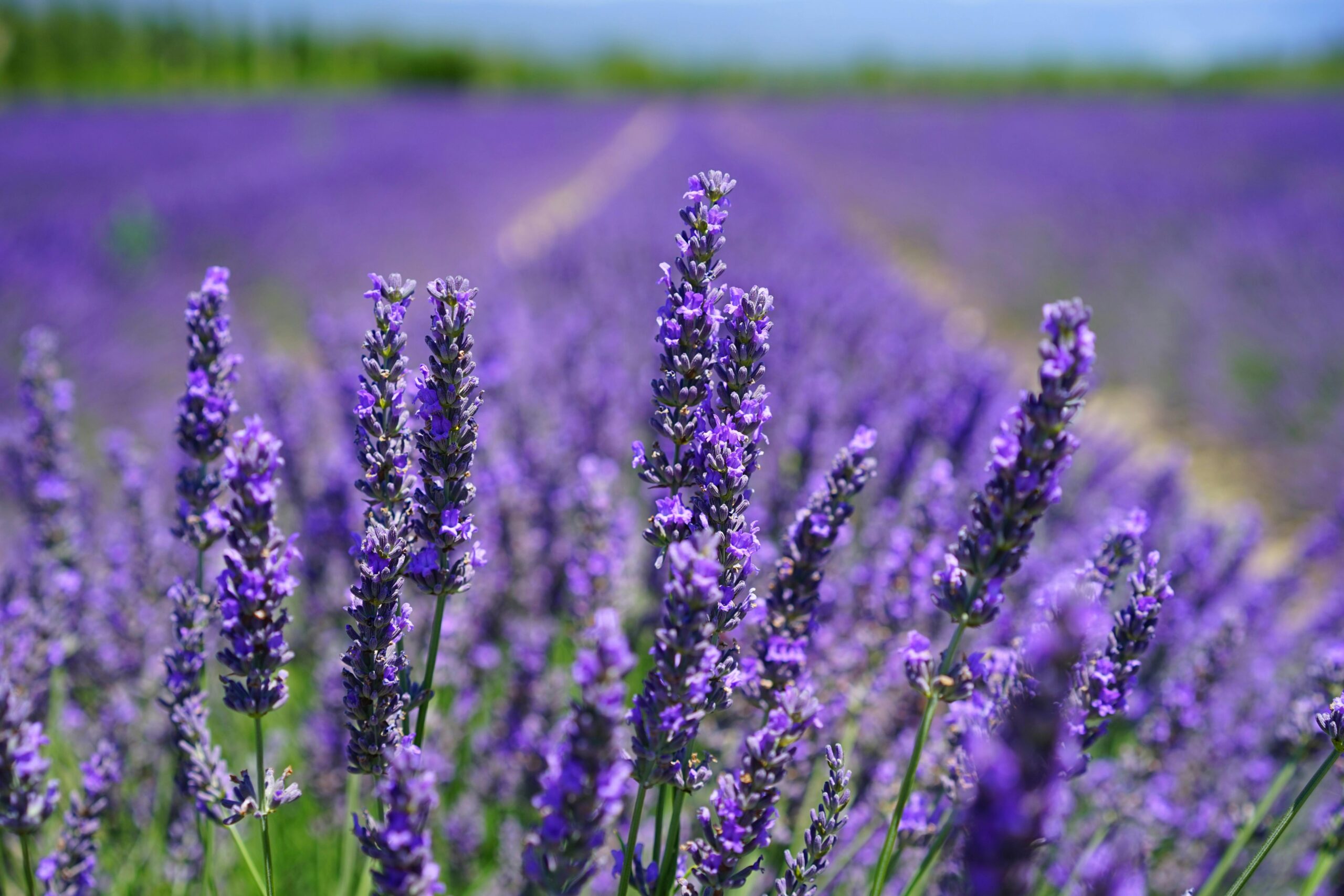
Lavender can thrive in Texas but only if you respect the climate. Many gardeners fail because they treat lavender like a moisture-loving plant. In reality, lavender prefers dry air, fast-draining soil, and careful watering. Texas offers long sun hours, which is ideal, but heat, humidity, and heavy soil can quickly damage plants if not managed properly.
This guide explains how to grow lavender successfully in Texas using practical methods based on real growing conditions across the state.
Why Growing Lavender in Texas Is Challenging (and Possible)
Texas has diverse climate zones:
- North Texas: Hot summers, cold winters
- Central Texas: Dry heat, rocky soil
- East Texas: High humidity, heavy rainfall
- West Texas: Dry, desert-like conditions
Lavender grows best in dry, Mediterranean-like climates. This means parts of Texas especially humid regions require adjustments.
Key challenge: Moisture, not heat, is the main problem.
Best Lavender Varieties for Texas
Choosing the right variety is the most important decision.
1. Spanish Lavender (Lavandula stoechas)
- Best for humid areas (East Texas)
- Tolerates heat and moisture better than others
- Recognizable by its unique “rabbit ear” blooms
2. French Lavender (Lavandula dentata)
- Handles heat and moderate humidity
- Long blooming season
- Good for decorative use
3. English Lavender (Lavandula angustifolia)
- Struggles in humid Texas regions
- Better suited for North and West Texas
- Produces the best fragrance
4. Hybrid Lavender (Lavandin)
- More heat-tolerant than English lavender
- Strong growth and higher oil production
Expert Tip: If you are unsure, start with Spanish lavender. It is the most forgiving in Texas conditions.
Ideal Growing Conditions for Lavender
Sunlight
Lavender needs full sun (6–8 hours daily). In Texas, morning sun with slight afternoon protection works best in extreme heat zones.
Soil
This is where most gardeners fail.
Lavender needs:
- Well-drained soil
- Sandy or rocky texture
- Low organic matter
Avoid: Clay soil that holds water.
Fix heavy soil:
- Mix sand, gravel, or perlite
- Use raised beds
Temperature
Lavender tolerates heat well but struggles with humidity.
- Ideal: Warm days, cool nights
- Risk: Constant moisture in air and soil
Planting Lavender in Texas
When to Plant
- Best time: Fall (October–November) or early spring
- Avoid peak summer planting
Fall planting allows roots to establish before heat arrives.
Spacing
- Space plants 2–3 feet apart
- Good airflow prevents disease
Planting Steps
- Dig a hole slightly larger than the root ball
- Add sand or gravel if soil is heavy
- Place plant slightly above ground level
- Backfill and press gently
- Water lightly
Insider Tip: Plant lavender on a slight mound. This improves drainage and prevents root rot.
Watering Lavender the Right Way
Overwatering is the fastest way to kill lavender in Texas.
First Few Weeks
- Water lightly 1–2 times per week
After Establishment
- Water only when soil is completely dry
Mature Plants
- Can survive on minimal water
Simple Rule:
It’s safer to underwater than overwater.
Fertilizing Lavender
Lavender does not need heavy feeding.
- Use light, balanced fertilizer once in early spring
- Avoid high nitrogen fertilizers
Too much fertilizer leads to:
- Weak growth
- Less fragrance
- Fewer flowers
Pruning and Maintenance
Regular pruning keeps lavender healthy and productive.
When to Prune
- After flowering
- Light trim in early spring
How to Prune
- Cut back about one-third of the plant
- Avoid cutting into woody stems
Expert Tip:
Frequent light pruning encourages more blooms.
Dealing with Texas Heat
Texas summers can be intense, especially in Central and West regions.
Protection Strategies
- Add light mulch (gravel works better than wood mulch)
- Water early in the morning
- Provide partial shade during extreme heat waves
Humidity Problems and Solutions
Humidity is a bigger threat than heat.
Common Issues:
- Root rot
- Fungal diseases
- Weak growth
How to Prevent:
- Space plants properly
- Avoid overhead watering
- Use raised beds
- Plant in windy or open areas
Insider Tip:
If your area stays humid, choose containers instead of ground planting.
Growing Lavender in Containers
Container gardening is often the best option in Texas.
Benefits:
- Full control over soil and drainage
- Easier to move plants
- Reduced disease risk
Container Tips:
- Use pots with drainage holes
- Use sandy, well-drained potting mix
- Avoid plastic pots in extreme heat (they trap moisture)
Common Lavender Growing Problems (and Fixes)
1. Yellow Leaves
Cause: Overwatering
Fix: Reduce watering, improve drainage
2. Plant Dying from Base
Cause: Root rot
Fix: Remove plant, improve soil conditions
3. No Flowers
Cause: Too much fertilizer or lack of sun
Fix: Increase sunlight, reduce feeding
4. Leggy Growth
Cause: Lack of pruning or sunlight
Fix: Prune regularly, relocate plant
5. Fungal Spots
Cause: High humidity
Fix: Improve airflow, avoid wet leaves
Pest Control for Lavender
Lavender naturally repels many pests, but some may still appear.
Common Pests:
- Aphids
- Whiteflies
- Spider mites
Solutions:
- Spray neem oil
- Use mild soap spray
- Keep plants dry and airy
Harvesting Lavender
When to Harvest
- When flowers just begin to open
How to Harvest
- Cut stems early in the morning
- Bundle and hang upside down to dry
Uses:
- Essential oils
- Aromatherapy
- Cooking
- Home decoration
Long-Term Care Strategy
To keep lavender thriving year after year:
- Focus on drainage first
- Avoid overwatering
- Prune regularly
- Replace plants every few years if needed
Lavender is a short-lived perennial in humid climates. Expect a lifespan of 3–5 years in Texas.
Expert Insights for Texas Growers
- Soil preparation matters more than watering schedules
- Raised beds solve most humidity-related issues
- Spanish lavender is the safest choice for beginners
- Container growing offers better success in difficult areas
Quick Care Checklist
- Full sun (6–8 hours daily)
- Sandy, well-drained soil
- Minimal watering
- Proper spacing
- Light pruning after blooms
- Avoid humidity buildup
Final Thoughts
Growing lavender in Texas is not difficult it just requires the right approach. The biggest mistake is treating lavender like a typical garden plant. It thrives on neglect, dry conditions, and strong sunlight.
Focus on drainage, control watering, and choose the right variety for your region. Once established, lavender becomes a low-maintenance, highly rewarding plant that adds beauty, fragrance, and practical use to your garden.
By following these proven strategies, you can successfully grow healthy lavender plants even in Texas’s challenging climate.


Leave a Reply