

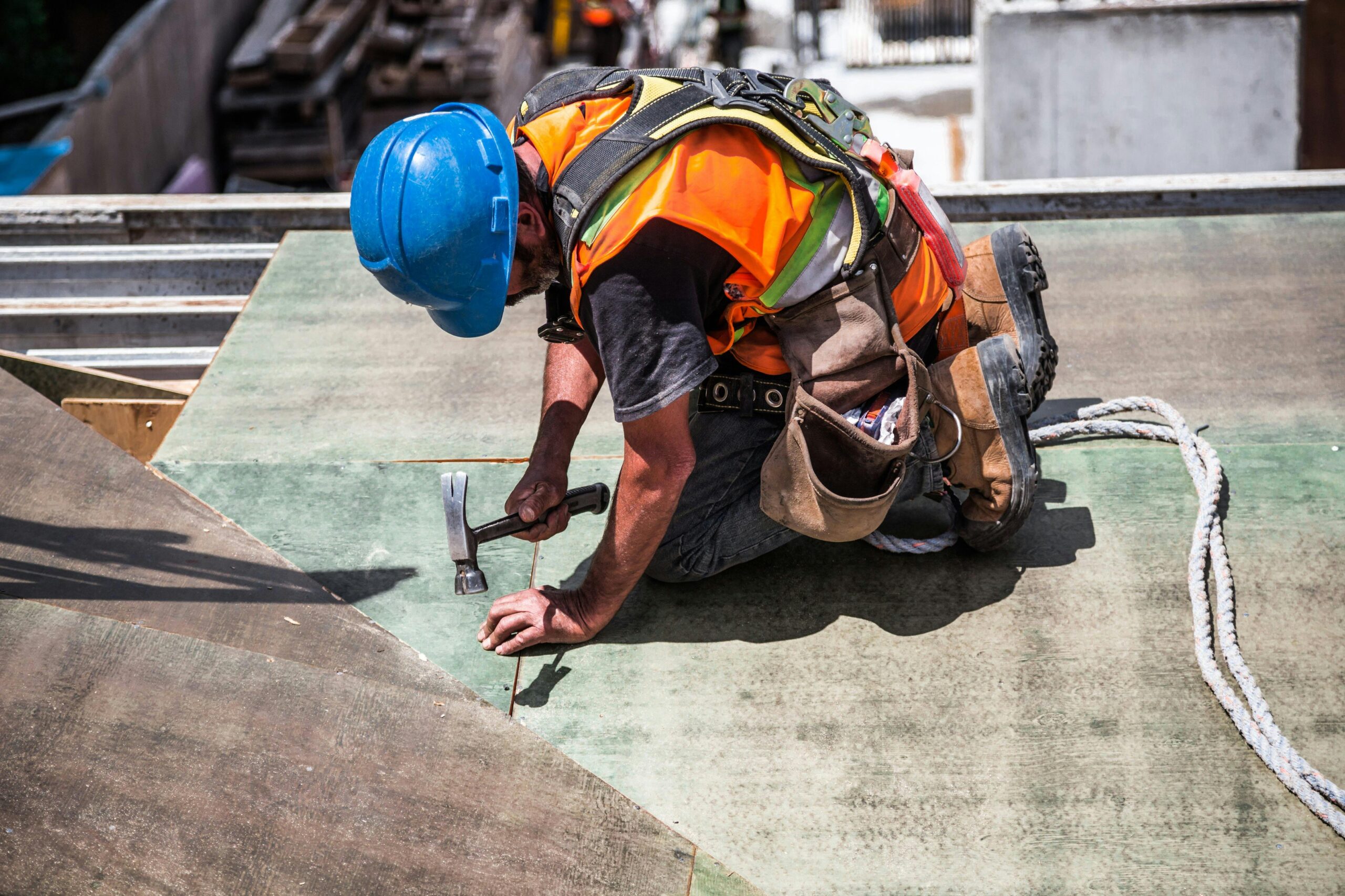
Maintain A roof is your home’s first line of defense against extreme weather. Whether it’s heavy rain, scorching heat, snowstorms, or strong winds, harsh conditions can quickly weaken roofing materials if not properly maintained. Many homeowners only think about their roof when there’s a visible leak but by then, the damage is often already expensive.
This guide explains how to maintain a roof in harsh weather conditions using practical, proven methods. It is based on real-world roofing practices, contractor insights, and long-term maintenance strategies that protect both structure and budget.
Why Roof Maintenance Matters in Extreme Weather
Harsh weather doesn’t just affect the surface of your roof. It slowly breaks down materials, weakens joints, and creates entry points for water and pests.
Common risks include:
- Water infiltration from heavy rain or melting snow
- Thermal expansion due to extreme heat
- Wind uplift that loosens shingles or tiles
- Ice dams in freezing climates
- Mold and rot from trapped moisture
Without regular maintenance, small issues can turn into structural damage. Timely care increases your roof’s lifespan and reduces repair costs.
Understanding Your Roof Type
Before applying any maintenance plan, you need to know your roof type. Different materials react differently to weather.
1. Asphalt Shingles
- Most common and affordable
- Vulnerable to heat cracking and wind damage
2. Metal Roofing
- Highly durable and weather-resistant
- Can expand and contract with temperature changes
3. Tile Roofing (Clay/Concrete)
- Excellent in hot climates
- Can crack under impact or freezing conditions
4. Flat Roofs
- Common in commercial buildings
- Prone to water pooling and drainage issues
Each type requires a slightly different maintenance approach.
Seasonal Roof Maintenance Checklist
A structured schedule makes maintenance easier and more effective.
Spring
- Inspect for winter damage
- Clean gutters and downspouts
- Check for mold or algae growth
Summer
- Look for heat-related cracks
- Inspect flashing and seals
- Ensure proper attic ventilation
Autumn
- Remove leaves and debris
- Prepare for heavy rain or snow
- Check insulation
Winter
- Monitor snow buildup
- Watch for ice dams
- Inspect interior ceilings for leaks
Roof Maintenance Tips for Heavy Rain
Heavy rainfall can expose even minor weaknesses in your roofing system.
Keep Gutters Clean
Clogged gutters cause water to overflow and seep into the roof structure. Clean them regularly, especially during rainy seasons.
Inspect Flashing
Flashing around chimneys, vents, and skylights is a common leak point. Ensure it is tightly sealed and rust-free.
Check for Standing Water
Flat roofs are especially at risk. If water pools for more than 48 hours, drainage needs improvement.
Seal Small Cracks Early
Even tiny cracks can allow water to enter. Use waterproof sealants to fix them before they grow.
Insider Tip: After heavy rain, check your attic. Damp insulation or a musty smell is often the first sign of a hidden leak.
Protecting Your Roof from Extreme Heat
Heat can be just as damaging as water, especially in regions with long summers.
Use Reflective Coatings
Cool roof coatings reflect sunlight and reduce surface temperature. This helps prevent material breakdown.
Ensure Proper Ventilation
Hot air trapped in the attic increases roof temperature from below. Install vents or fans to improve airflow.
Inspect for Warping or Cracking
High temperatures can cause shingles to curl or crack. Replace damaged sections promptly.
Trim Overhanging Branches
Branches can trap heat and scratch the roof surface during wind.
Expert Insight: Poor ventilation can shorten roof lifespan by up to 30%. It’s one of the most overlooked issues in hot climates.
Snow and Ice: Winter Roof Protection
Cold weather creates unique challenges, especially in areas with snowfall.
Prevent Ice Dams
Ice dams form when snow melts and refreezes at roof edges. This blocks water flow and forces it under shingles.
Solutions:
- Improve attic insulation
- Maintain consistent roof temperature
- Install ice and water shields
Remove Excess Snow
Use a roof rake to safely remove heavy snow buildup. Avoid sharp tools that can damage materials.
Check for Condensation
Warm indoor air meeting a cold roof creates moisture inside the attic.
Wind Damage Prevention Strategies
Strong winds can lift shingles, loosen tiles, and expose underlayment.
Secure Loose Materials
Inspect and tighten any loose shingles or tiles.
Use Wind-Resistant Roofing
If you live in a high-wind area, consider materials rated for strong winds.
Reinforce Roof Edges
Edges are the most vulnerable parts. Ensure they are properly sealed and fastened.
Insider Tip: After a storm, check your yard for fallen shingles. It’s often the first sign of wind damage.
Regular Roof Inspections: What to Look For
Routine inspections are key to early problem detection.
Exterior Inspection
- Missing or damaged shingles
- Rusted flashing
- Sagging areas
- Moss or algae growth
Interior Inspection
- Water stains on ceilings
- Peeling paint
- Mold smell
- Light entering through roof boards
Aim to inspect your roof at least twice a year and after major storms.
DIY vs Professional Roof Maintenance
When DIY is Enough
- Cleaning gutters
- Removing debris
- Visual inspections
- Minor sealing
When to Call a Professional
- Structural damage
- Persistent leaks
- Large areas of missing material
- Safety risks (steep or high roofs)
Expert Advice: Professional inspections once a year can catch issues you might miss, saving significant repair costs.
Best Tools for Roof Maintenance
Having the right tools makes the job safer and more effective.
- Roof rake (for snow removal)
- Safety harness
- Ladder stabilizer
- Sealant and caulking gun
- Soft-bristle brush (for cleaning)
Avoid pressure washers they can damage roofing materials.
Common Roof Maintenance Mistakes to Avoid
Ignoring Small Issues
Small cracks or loose shingles can quickly become major leaks.
Walking Directly on the Roof
This can cause damage, especially on tile or asphalt roofs.
Poor Gutter Maintenance
Neglected gutters are one of the leading causes of roof damage.
Using Incorrect Materials
Always match repair materials with your existing roof type.
Long-Term Roof Protection Strategies
Install Quality Underlayment
Acts as a second barrier against water.
Upgrade Insulation
Reduces temperature fluctuations and prevents condensation.
Apply Protective Coatings
Extends the life of roofing materials.
Schedule Annual Maintenance
Consistent care prevents costly surprises.
Cost of Roof Maintenance vs Repairs
Many homeowners delay maintenance to save money, but this often leads to higher expenses.
| Service | Average Cost |
|---|---|
| Basic Maintenance | Low |
| Minor Repairs | Moderate |
| Major Repairs | High |
| Full Replacement | Very High |
Regular maintenance is always more cost-effective than emergency repairs or full replacement.
Signs Your Roof Needs Immediate Attention
Do not delay action if you notice:
- Active leaks
- Large patches of missing shingles
- Sagging roof sections
- Sudden increase in energy bills
- Mold growth inside the home
These indicate serious issues that require urgent repair.
Final Thoughts: A Practical Approach to Roof Maintenance
Maintain a roof in harsh weather conditions is not about occasional fixes it requires a consistent, proactive approach. Each season brings different challenges, and your maintenance strategy should adapt accordingly.
Focus on prevention rather than repair. Clean gutters, inspect regularly, and address small issues early. Use proper materials and don’t hesitate to call professionals when needed.
A well-maintain roof not only protects your home but also improves energy efficiency, increases property value, and reduces long-term costs.








Leave a Reply