

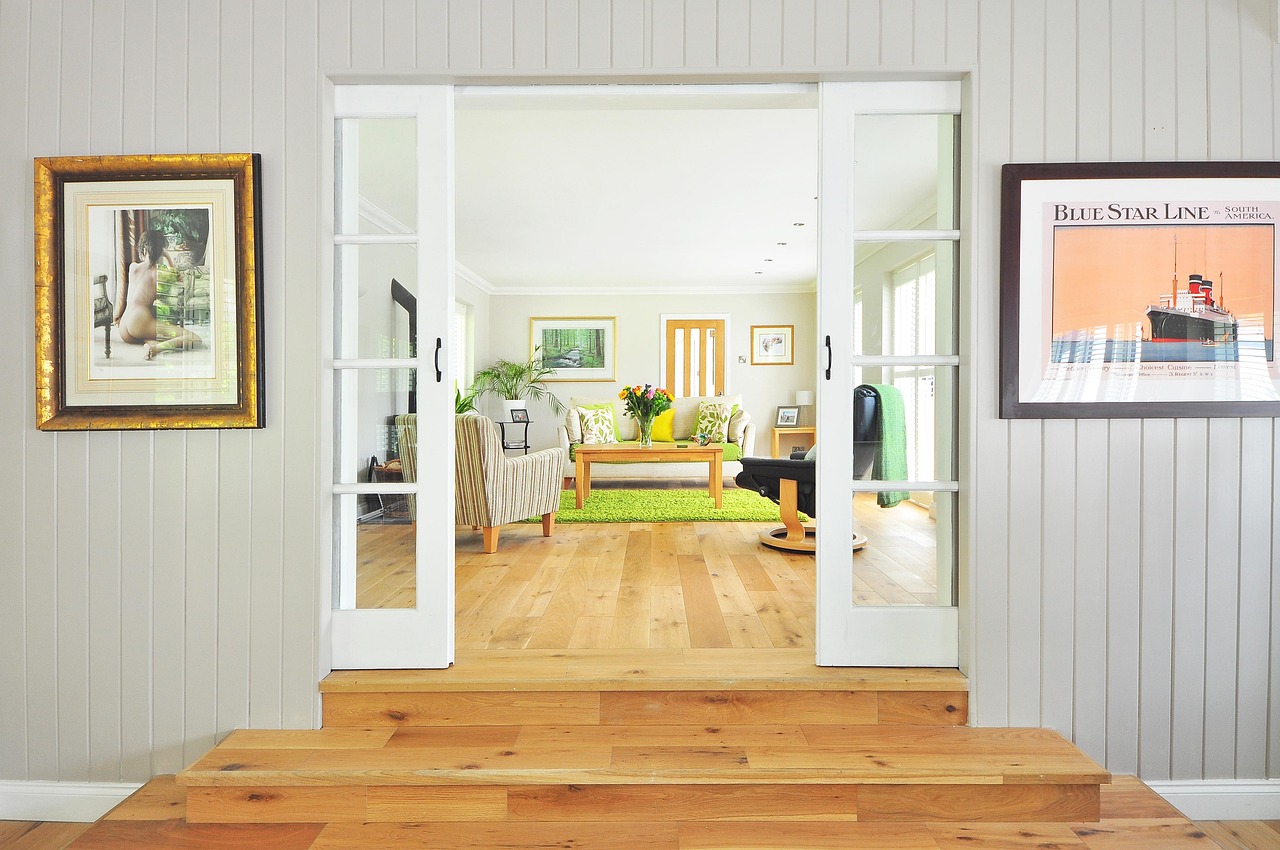
Choosing the right flooring for a mobile home is not just about looks. It directly affects comfort, durability, maintenance, and even the structural performance of your home. Mobile homes (also called manufactured homes) have different construction methods than traditional houses, so flooring decisions must consider weight, subfloor strength, moisture resistance, and ease of installation.
This guide explains how to choose the best mobile home flooring with practical advice, real-world insights, and clear comparisons. Whether you are upgrading old floors or installing new ones, this article will help you make the right choice.
Why Flooring Choice Matters in a Mobile Home
Mobile home flooring needs to handle unique challenges:
- Flexible structure: Floors may shift slightly over time
- Thinner subfloors: Less support compared to site-built homes
- Moisture risks: Especially in kitchens and bathrooms
- Weight limits: Heavy materials can stress the frame
Choosing the wrong flooring often leads to cracks, sagging, or early wear. The right choice improves durability and reduces maintenance costs.
Key Factors to Consider Before Choosing Mobile Home Flooring
1. Subfloor Condition
Before installing any new flooring, inspect the subfloor.
Common issues include:
- Soft spots
- Water damage
- Uneven surfaces
Insider Tip:
Always repair or replace damaged subfloor sections first. Installing new flooring over weak areas will cause long-term problems.
2. Weight of the Material
Mobile homes are designed with weight limits in mind.
- Lightweight options: vinyl, laminate
- Heavy options: tile, stone
Heavy flooring can be used, but only if the structure is reinforced.
3. Moisture Resistance
Certain areas require water-resistant flooring:
- Bathrooms
- Kitchens
- Laundry spaces
Ignoring moisture resistance leads to swelling, mold, and odor issues.
4. Ease of Installation
Many homeowners prefer DIY-friendly flooring.
- Click-lock systems are easier
- Glue-down options need more skill
- Tile requires professional installation in most cases
5. Budget
Costs vary widely depending on material and labor.
Plan for:
- Material cost
- Installation cost
- Underlayment
- Tools or professional help
Best Flooring Options for Mobile Homes
1. Vinyl Flooring (Top Choice)
Vinyl flooring is one of the most popular options for mobile homes.
Types of Vinyl:
- Luxury Vinyl Plank (LVP)
- Luxury Vinyl Tile (LVT)
- Sheet vinyl
Why It Works:
- Lightweight
- Water-resistant
- Easy to install
- Affordable
Pros:
- Handles moisture well
- Comfortable underfoot
- Wide range of designs
Cons:
- Can dent under heavy furniture
- Lower-quality options wear out faster
Expert Insight:
Luxury Vinyl Plank (LVP) is the best overall option for most mobile homes due to its durability and realistic wood appearance.
2. Laminate Flooring
Laminate offers a wood-like appearance at a lower cost.
Pros:
- Budget-friendly
- Scratch-resistant
- Easy click-lock installation
Cons:
- Not fully waterproof
- Can swell with moisture exposure
Best Use:
Living rooms and bedrooms, not bathrooms.
3. Carpet
Carpet adds warmth and comfort, especially in colder climates.
Pros:
- Soft and comfortable
- Reduces noise
- Affordable
Cons:
- Hard to clean
- Traps dust and allergens
- Not suitable for wet areas
Insider Tip:
Use stain-resistant carpet for better durability.
4. Engineered Wood Flooring
Engineered wood provides a real wood surface with better stability.
Pros:
- Attractive and high-end look
- More stable than solid wood
Cons:
- More expensive
- Sensitive to moisture
Best Use:
Dry areas where appearance matters.
5. Tile Flooring
Tile is durable but requires careful planning.
Pros:
- Water-resistant
- Long-lasting
- Easy to clean
Cons:
- Heavy
- Can crack if the floor shifts
- Requires strong subfloor
Expert Advice:
Only install tile if your mobile home structure can support the weight and movement.
6. Hardwood Flooring (Limited Use)
Solid hardwood is rarely recommended for mobile homes.
Challenges:
- Heavy weight
- Expansion and contraction
- High cost
Alternative:
Use engineered wood or LVP for a similar look with better performance.
Room-by-Room Flooring Recommendations
Living Room
Best options:
- Vinyl plank
- Laminate
- Carpet
Focus on comfort and durability.
Kitchen
Best options:
- Vinyl plank
- Sheet vinyl
Avoid laminate unless it is water-resistant.
Bathroom
Best options:
- Vinyl
- Tile (if structure supports it)
Water resistance is critical here.
Bedroom
Best options:
- Carpet
- Laminate
- Vinyl
Comfort is usually the priority.
Laundry Area
Best options:
- Vinyl
- Tile
Choose materials that can handle water spills.
Subfloor Preparation: Step-by-Step Basics
A strong base ensures long-lasting flooring.
- Remove old flooring
- Inspect for damage
- Replace weak sections
- Level the surface
- Install underlayment if needed
Insider Tip:
Use plywood reinforcement in weak areas to improve stability.
Installation Methods Explained
Floating Floor (Click-Lock)
- Pieces snap together
- No glue required
- Ideal for DIY
Glue-Down Flooring
- Strong bond
- Better for high-traffic areas
- Needs precision
Nail-Down Installation
- Used for wood flooring
- Rare in mobile homes
Common Mistakes to Avoid
Ignoring Floor Movement
Mobile homes shift slightly. Rigid flooring without flexibility may crack.
Skipping Underlayment
Underlayment improves:
- Comfort
- Noise reduction
- Moisture protection
Choosing Style Over Function
A beautiful floor that cannot handle moisture or weight will fail quickly.
Poor Measurements
Always measure accurately to avoid waste and extra cost.
Budget Planning for Mobile Home Flooring
Low Budget Options
- Sheet vinyl
- Basic carpet
Mid-Range Options
- Laminate
- Luxury vinyl plank
High-End Options
- Engineered wood
- High-quality tile
Maintenance Tips for Long-Lasting Floors
- Clean regularly with appropriate products
- Avoid excess water on non-waterproof floors
- Use furniture pads to prevent dents
- Fix spills immediately
Eco-Friendly Flooring Choices
If sustainability matters, consider:
- Cork flooring
- Bamboo flooring
- Low-VOC vinyl
These options reduce environmental impact while maintaining performance.
Insider Tips from Flooring Professionals
- Always buy 10–15% extra material for waste and repairs
- Test flooring samples in your home lighting before buying
- Check manufacturer warranties carefully
- Use transition strips between rooms for better results
- Avoid very dark floors in small spaces—they show dust easily
How to Make the Final Decision
To choose the right mobile home flooring, ask yourself:
- Is it suitable for my subfloor?
- Can it handle moisture in this area?
- Is it within my budget?
- Does it match my lifestyle?
Balancing these factors leads to a practical and long-lasting choice.
Final Thoughts
Mobile home flooring should combine durability, flexibility, and style. While many materials are available, not all are suitable for manufactured homes. Vinyl flooring stands out as the most reliable option for most situations, but the best choice ultimately depends on your space, budget, and needs.
Focus on proper preparation, choose materials that match your environment, and avoid shortcuts during installation. A well-chosen floor not only improves the look of your home but also adds comfort and long-term value.


Leave a Reply