

Choosing between a walk-in freezer and a reach-in freezer is not just about size it directly impacts your daily operations, energy costs, storage efficiency, and long-term scalability. Many businesses rush this decision and end up overspending or outgrowing their equipment within months.
This guide breaks down the real differences, practical use cases, and insider considerations so you can make a decision that actually fits your workflow not just your budget.
Understanding the Basics
What is a Walk-In Freezer?
A walk-in freezer is a large, room-sized cold storage unit that you can physically enter. It’s typically used by restaurants, warehouses, grocery stores, and food production facilities that handle bulk inventory.
Key traits:
- Large storage capacity
- Customizable shelving and layout
- Requires dedicated installation space
- Higher upfront cost
What is a Reach-In Freezer?
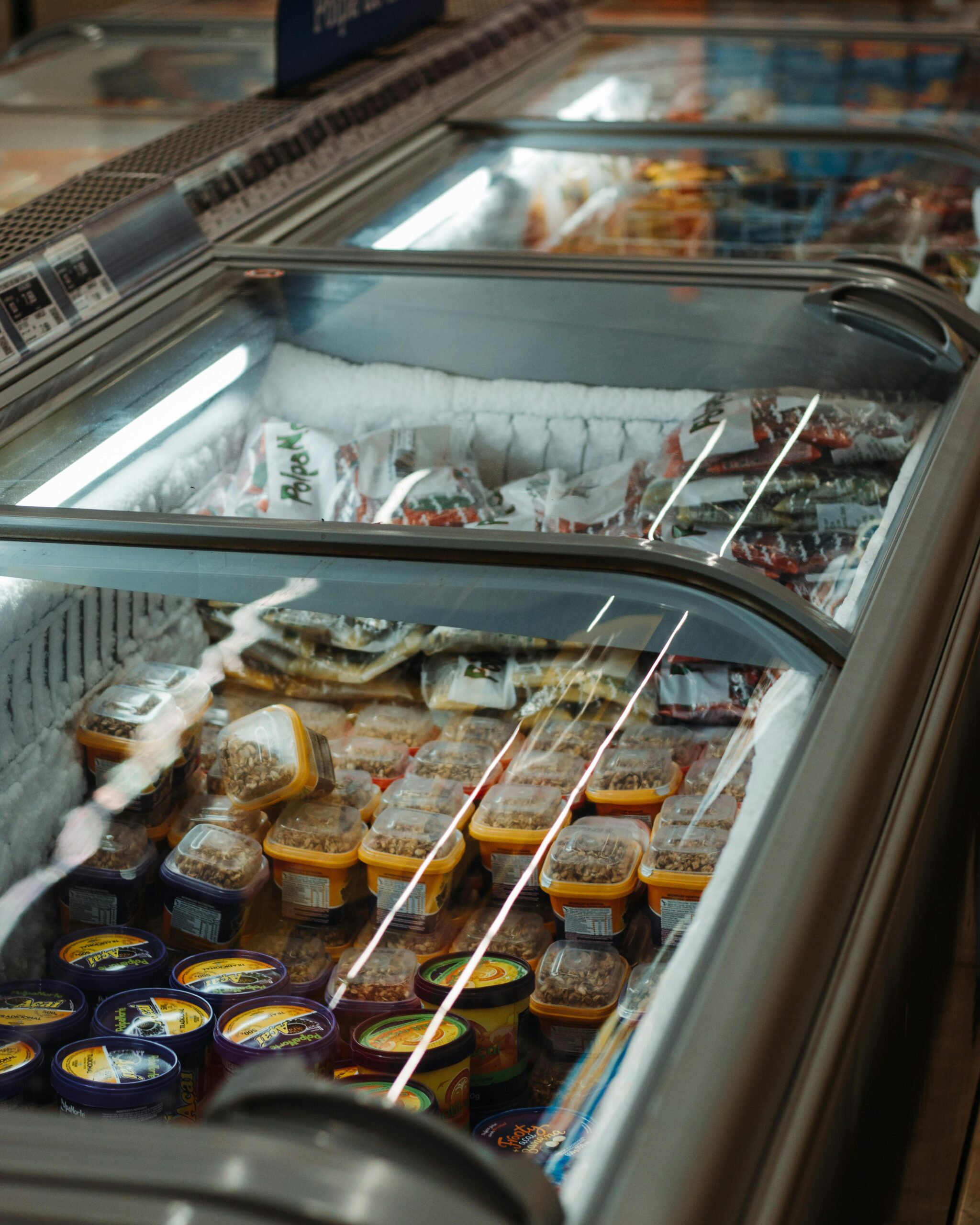
A reach-in freezer is a smaller, upright or under-counter unit, similar to a household refrigerator but designed for commercial use.
Key traits:
- Compact and space-saving
- Plug-and-play setup
- Lower cost
- Limited storage capacity
Core Difference: It’s Not Just Size
While size is the obvious difference, the real distinction lies in how you operate your business.
| Factor | Walk-In Freezer | Reach-In Freezer |
|---|---|---|
| Storage Volume | Very High | Low to Medium |
| Accessibility | Walk inside | Open door, reach items |
| Cost | Expensive upfront | Budget-friendly |
| Installation | Complex | Simple |
| Best For | Bulk storage | Daily access |
When a Walk-In Freezer Makes Sense
1. You Handle Bulk Inventory
If you purchase ingredients in large quantities or deal with wholesale distribution, a reach-in freezer will slow you down. Constant restocking wastes time.
A walk-in freezer allows you to:
- Store large shipments at once
- Reduce supply trips
- Maintain better stock rotation
Example: A restaurant serving 300+ customers daily benefits significantly from a walk-in.
2. You Need Organized Storage Systems
Walk-in freezers allow zoning:
- Meat section
- Frozen vegetables
- Prepared meals
- Ice cream or desserts
This improves:
- Workflow efficiency
- Food safety
- Inventory tracking
3. You’re Planning to Scale
One mistake many businesses make is choosing reach-in freezers early to save money, then upgrading within a year.
A walk-in freezer is a long-term investment if:
- You plan to expand your menu
- Your customer volume is increasing
- You want fewer storage limitations
4. You Require Stable Temperature for Large Volumes
Walk-in freezers maintain temperature more consistently when fully loaded compared to multiple smaller units.
This matters for:
- Frozen meat storage
- Pharmaceutical products
- Ice cream businesses
When a Reach-In Freezer is the Better Choice
1. You Have Limited Space
Not every business can accommodate a walk-in freezer.
Reach-in units:
- Fit in tight kitchens
- Work under counters
- Require no structural modifications
Perfect for:
- Cafes
- Small restaurants
- Food trucks
2. You Need Quick Daily Access
If your staff frequently opens the freezer for small quantities, reach-in freezers are more efficient.
Why?
- Faster access
- Less cold air loss
- Better for high-speed kitchen environments
3. Lower Initial Budget
Walk-in freezers can cost significantly more when you include:
- Installation
- Insulation
- Flooring
- Refrigeration systems
Reach-in freezers are:
- Affordable upfront
- Easy to install
- Lower risk for startups
4. You Don’t Need Bulk Storage
If your inventory turnover is fast and you restock frequently, a large freezer is unnecessary.
Example:
- A small bakery freezing limited items daily
- A juice bar storing frozen fruits in moderate quantities
Cost Breakdown (Realistic View)
Walk-In Freezer Costs
- Unit: $5,000 – $20,000+
- Installation: $2,000 – $10,000
- Energy consumption: Moderate to high (depends on insulation and usage)
Reach-In Freezer Costs
- Unit: $500 – $3,000
- Installation: Minimal or none
- Energy consumption: Lower per unit, but multiple units can add up
Insider Tip:
Multiple reach-in freezers running together can sometimes consume more energy than one properly insulated walk-in freezer.
Energy Efficiency: What Most Buyers Overlook
Energy cost is often ignored during purchase, but it becomes a long-term expense.
Walk-In Freezer Efficiency
- Better when fully stocked
- Requires good insulation
- Needs proper door management
Reach-In Freezer Efficiency
- Efficient for small loads
- Frequent opening increases energy loss
Pro Insight:
If your freezer is half-empty most of the time, a walk-in freezer becomes inefficient.
Installation & Space Requirements
Walk-In Freezer
- Needs dedicated floor space
- Requires ventilation clearance
- May need structural modifications
- Professional installation required
Reach-In Freezer
- Plug-and-use
- Minimal setup
- Can be moved easily
Maintenance & Lifespan
Walk-In Freezer
- Longer lifespan if maintained well
- Requires scheduled servicing
- Components like compressors may need replacement
Reach-In Freezer
- Easier to maintain
- Cheaper repairs
- Shorter lifespan under heavy usage
Workflow Impact (Critical Factor)
Many buyers ignore how freezer choice affects daily operations.
Walk-In Workflow
- Staff enters freezer
- Bulk handling possible
- Slower for quick grabs
Reach-In Workflow
- Fast access
- Ideal for busy kitchens
- Limited batch handling
Real Insight:
Busy kitchens often use both:
- Walk-in for storage
- Reach-in for immediate use
Hybrid Setup: The Smart Strategy
If your budget allows, a hybrid system is often the best choice.
How it works:
- Walk-in freezer → bulk storage
- Reach-in freezer → daily operations
Benefits:
- Reduces staff movement
- Improves efficiency
- Maintains stock organization
Industry-Based Recommendations
Restaurants (Medium to Large)
- Best: Walk-in + reach-in combo
Small Cafes / Startups
- Best: Reach-in freezer
Grocery Stores
- Best: Walk-in freezer
Cloud Kitchens
- Depends on volume:
- Low volume → Reach-in
- High volume → Walk-in
Food Production Units
- Walk-in freezer is essential
Common Mistakes to Avoid
1. Choosing Based on Price Alone
Cheaper upfront can cost more long-term.
2. Ignoring Growth Plans
Many businesses outgrow reach-in freezers quickly.
3. Poor Space Planning
Installing a walk-in without proper ventilation leads to inefficiency.
4. Overestimating Storage Needs
Buying too large leads to wasted energy and cost.
5. Not Considering Workflow
The freezer should match how your team works, not just storage needs.
Insider Buying Tips (From Industry Experience)
1. Measure Real Storage Needs
Track your inventory for 2–4 weeks before deciding.
2. Check Door Usage Frequency
High traffic = reach-in advantage.
3. Prioritize Insulation Quality
Better insulation = lower electricity bills.
4. Plan for Backup Storage
Equipment failure happens—always have contingency.
5. Think in Systems, Not Equipment
Your freezer is part of a larger workflow:
- Purchasing
- Storage
- Preparation
- Serving
Final Decision Framework
Ask yourself these questions:
- Do I store bulk inventory regularly?
- How often will the freezer be opened?
- Do I plan to scale in the next 6–12 months?
- Do I have space for installation?
- Is my workflow fast-paced or storage-heavy?
Quick Decision Guide
- Go for Walk-In Freezer if:
- You need high capacity
- You handle bulk storage
- You are scaling operations
- Go for Reach-In Freezer if:
- You have limited space
- You need quick access
- Your storage needs are moderate






Leave a Reply