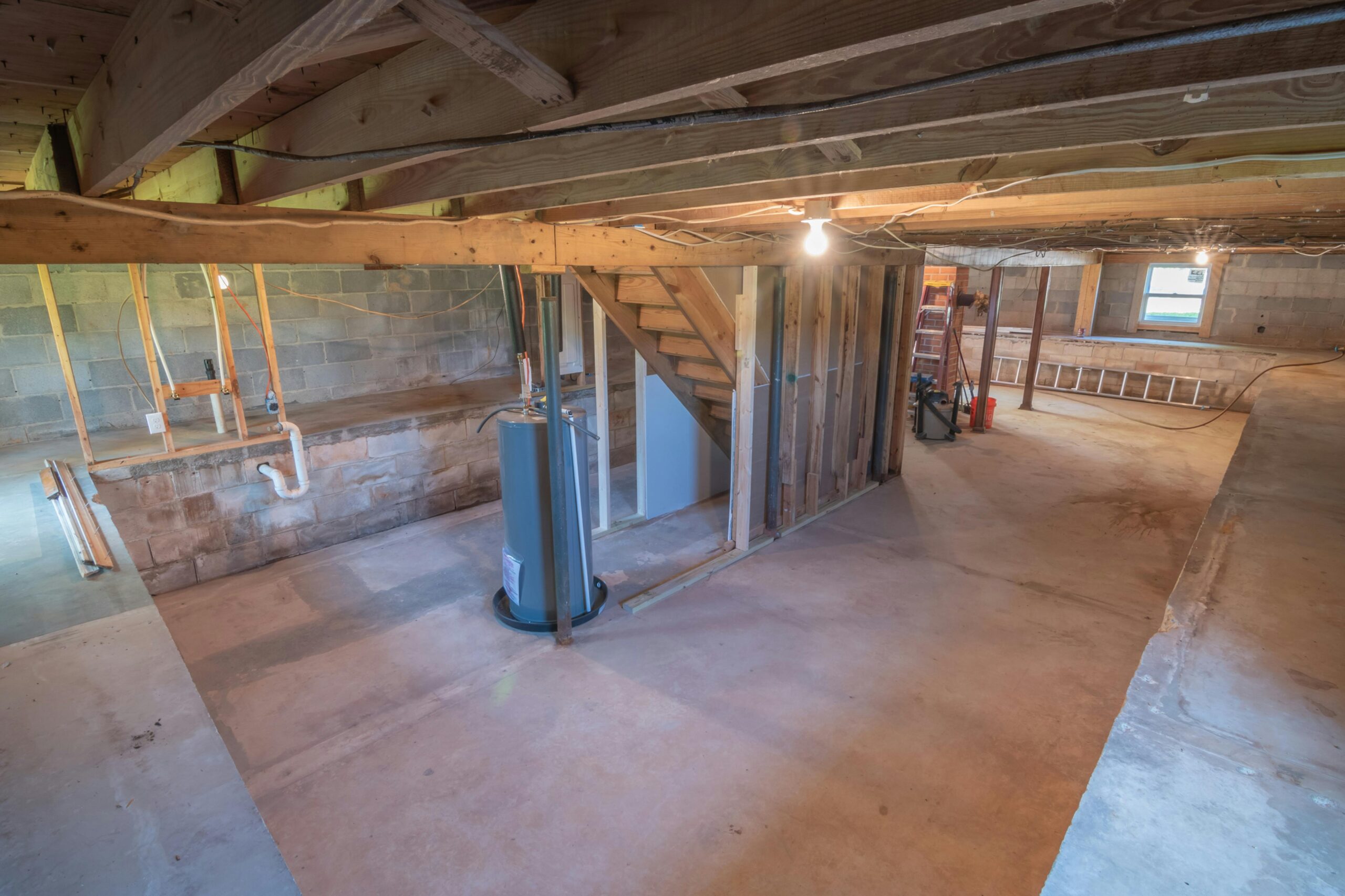
Epoxy coating is one of the most effective ways to upgrade a basement floor. It improves durability, resists moisture, and gives a clean, modern look. When done correctly, an epoxy-coated floor can last for years without peeling or cracking.
This guide explains the full process in a practical, step-by-step way. It focuses on real-world results, common mistakes, and proven methods used by professionals.
What Is Epoxy Floor Coating?
Epoxy is a two-part system made of:
- Resin
- Hardener
When mixed, these components create a strong chemical bond that forms a hard, plastic-like surface over concrete.
Unlike paint, epoxy penetrates and bonds with the concrete, making it far more durable and resistant to wear.
Why Epoxy Is a Good Choice for Basement Floors
Basements often face moisture, dust, and heavy use. Epoxy solves many of these problems.
Key Benefits
- Water resistance: Helps protect against minor moisture issues
- Durability: Handles foot traffic, storage weight, and tools
- Easy cleaning: Smooth surface makes maintenance simple
- Improved appearance: Gives a polished, professional look
- Dust reduction: Seals porous concrete
Is Your Basement Floor Suitable for Epoxy?
Before starting, check if your floor is ready.
1. Moisture Test (Very Important)
Tape a plastic sheet (1×1 ft) to the floor and leave it for 24 hours.
- If condensation forms → moisture problem
- If dry → safe to proceed
Epoxy does not bond well to damp surfaces.
2. Check for Damage
Look for:
- Cracks
- Holes
- Oil stains
- Uneven surfaces
These must be repaired before coating.
3. Age of Concrete
New concrete should cure for at least 28 days before applying epoxy.
Tools and Materials You Will Need
Materials
- Epoxy floor kit (resin + hardener)
- Concrete cleaner or degreaser
- Etching solution (or muriatic acid)
- Crack filler or concrete patch
- Primer (optional but recommended)
- Decorative flakes (optional)
- Topcoat sealer (optional)
Tools
- Paint roller (with extension pole)
- Brushes for edges
- Mixing drill with paddle
- Bucket for mixing
- Squeegee
- Protective gloves and mask
- Safety goggles
Step-by-Step: How to Epoxy Coat a Basement Floor
Step 1: Clean the Floor Thoroughly
Start by removing everything from the basement.
- Sweep dust and debris
- Use a degreaser to remove oil stains
- Scrub the surface well
Rinse with clean water and let it dry completely.
Tip: Any dirt left behind will weaken adhesion.
Step 2: Repair Cracks and Imperfections
Use a concrete patch or epoxy filler.
- Fill cracks and holes
- Smooth the surface
- Allow it to dry as per instructions
A smooth base ensures a uniform finish.
Step 3: Etch the Concrete Surface
Etching opens the pores of concrete so epoxy can bond properly.
- Mix etching solution with water
- Apply evenly across the floor
- Scrub with a stiff brush
Rinse thoroughly and allow the floor to dry.
Alternative: Use a mechanical grinder for better results.
Step 4: Perform Final Cleaning
After etching:
- Vacuum dust
- Wipe with a damp cloth
The surface should feel slightly rough, like sandpaper.
Step 5: Apply Primer (Recommended)
Primer improves bonding and reduces air bubbles.
- Use a roller to apply evenly
- Let it dry according to instructions
Step 6: Mix the Epoxy Properly
Follow manufacturer instructions carefully.
- Mix resin and hardener in correct ratio
- Use a drill mixer for even blending
- Mix for 2–3 minutes
Important: Once mixed, epoxy has a limited working time (pot life).
Step 7: Apply the Epoxy Coating
Work in small sections.
- Pour epoxy onto the floor
- Spread with a squeegee
- Roll evenly using a roller
Maintain consistent thickness.
Step 8: Add Decorative Flakes (Optional)
While epoxy is still wet:
- Sprinkle flakes evenly
- Adjust density based on preference
This improves grip and appearance.
Step 9: Apply a Second Coat or Topcoat
After the first layer cures:
- Apply a clear topcoat for extra durability
- Enhances shine and protection
Step 10: Let It Cure Properly
Curing times vary:
- Light foot traffic: 24 hours
- Heavy use: 3–7 days
Avoid moisture during curing.
Insider Tips for Professional Results
1. Work in the Right Temperature
Ideal range: 15°C to 25°C
Too cold → slow curing
Too hot → fast drying, uneven finish
2. Plan Your Exit Path
Start from the far corner and move toward the exit.
3. Use Spiked Shoes
Allows you to walk on wet epoxy without leaving marks.
4. Mix Small Batches
Prevents epoxy from hardening before use.
5. Control Humidity
High humidity can cause:
- Blushing (cloudy finish)
- Poor adhesion
6. Don’t Skip Etching
Skipping this step is a common cause of peeling.
Common Mistakes to Avoid
Poor Surface Preparation
Most epoxy failures happen because of improper cleaning or etching.
Applying on Wet Concrete
Moisture leads to bubbling and peeling.
Incorrect Mixing Ratio
Leads to soft or sticky coating.
Thick Application
Too much epoxy at once causes uneven curing.
Ignoring Safety
Always use gloves, mask, and ventilation.
How Long Does Epoxy Flooring Last?
With proper application:
- Residential use: 5–10 years
- Light commercial use: 3–7 years
Regular maintenance extends lifespan.
Maintenance Tips for Epoxy Floors
- Sweep regularly
- Mop with mild cleaner
- Avoid harsh chemicals
- Clean spills quickly
Cost Breakdown
DIY Cost
- Epoxy kit: moderate
- Tools: one-time investment
Estimated: $2–$5 per square foot
Professional Cost
- Higher due to labor and equipment
Estimated: $5–$12 per square foot
When You Should Avoid Epoxy
Epoxy may not be suitable if:
- Basement has constant water leakage
- Floor has severe structural damage
- No proper ventilation available
In such cases, fix underlying issues first.
Basement Floor Options
Paint
- Epoxy lasts longer
- Paint peels faster
Tiles
- Epoxy is seamless
- Tiles can crack or shift
Vinyl
- Epoxy is more durable
- Vinyl is easier to install
Final Thoughts
Epoxy coating is one of the most practical upgrades for a basement floor. It combines durability, protection, and a clean finish in a single solution.
Success depends on preparation. If the surface is clean, dry, and properly etched, epoxy will bond strongly and last for years.
Take time with each step. Avoid shortcuts. The result will be a professional-quality floor without hiring a contractor.