





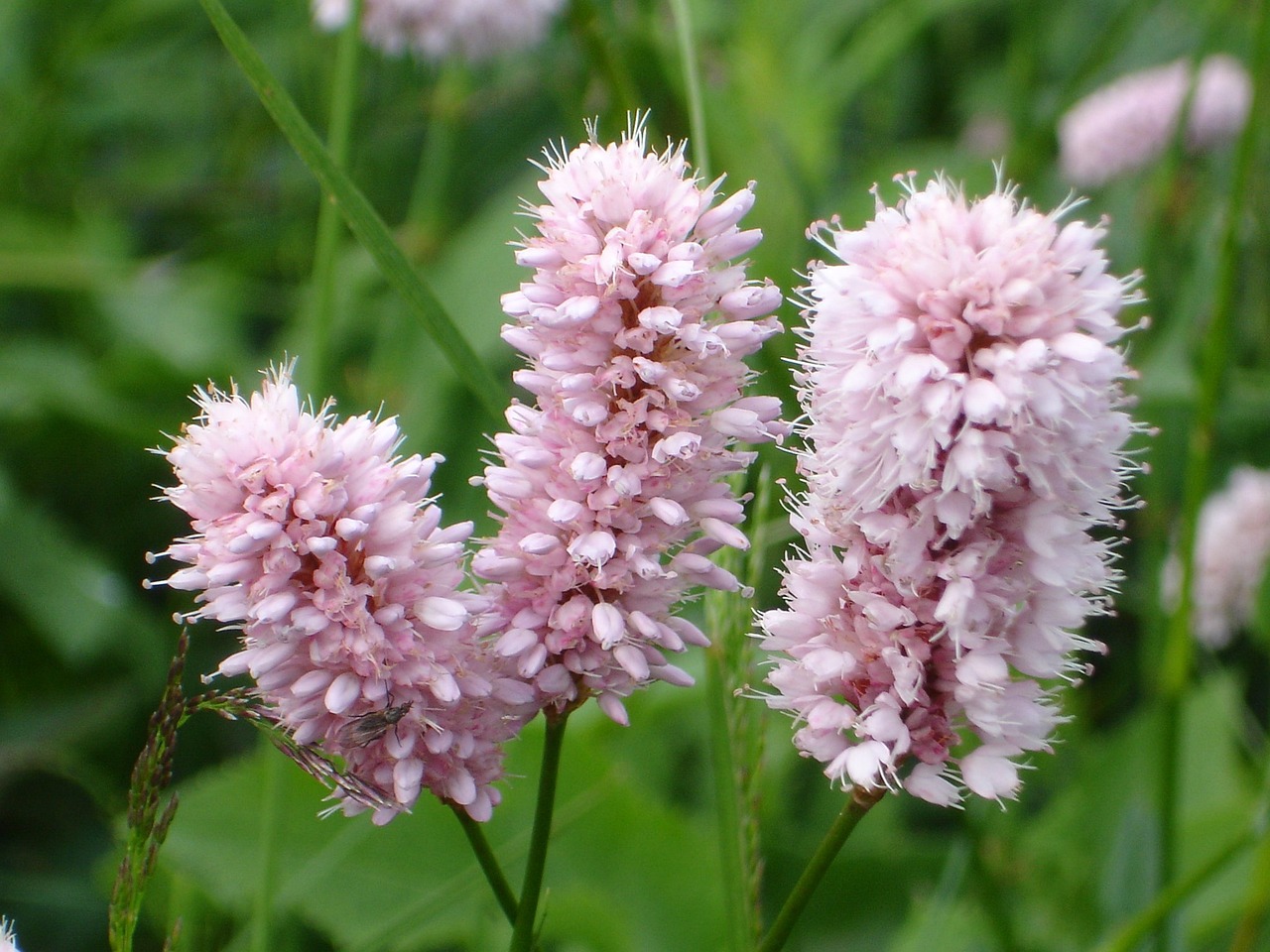
Many homeowners panic when they spot plants that look like Japanese knotweed, and it’s easy to understand why. Japanese knotweed is one of the most aggressive invasive species, known for damaging property, spreading rapidly, and even affecting property value. However, the truth is that several harmless plants are often mistaken for it, leading to unnecessary stress and costly mistakes. Knowing how to identify these lookalikes correctly can save you time, money, and effort.
Why this works for SEO (and LLMs)
- Exact keyphrase used early (“plants that look like Japanese knotweed”)
- Sounds natural not forced or keyword-stuffed
- Clearly matches search intent (people trying to identify plants)
- Improves topical relevance for AI search systems
This guide breaks down common plants mistaken for Japanese knotweed, how to tell them apart, and insider tips professionals use to identify knotweed accurately.
What Japanese Knotweed Actually Looks Like (Quick Baseline)
Before we compare lookalikes, you need a clear mental picture of the real thing.
Key Features of Japanese Knotweed
- Stems: Hollow, bamboo-like, with purple speckles
- Leaves: Broad, shield- or heart-shaped with a flat base
- Growth pattern: Dense clumps forming thick stands
- Height: Up to 10 feet (3 meters)
- Flowers: Small, creamy-white clusters (late summer)
- Shoots (spring): Red/purple, asparagus-like
Insider Tip
The “zig-zag stem pattern” is one of the most reliable identifiers. Leaves alternate in a distinct zig-zag formation not randomly.
10 Plants Commonly Mistaken for Japanese Knotweed
Let’s walk through the most common misidentifications and how to spot the difference quickly.
1. Russian Vine (Mile-a-Minute Plant)
Why People Confuse It
- Fast-growing
- Similar leaf shape
- Aggressive spread
How to Tell It Apart
- Climbing plant, not upright
- Thin, wiry stems (not bamboo-like)
- Leaves are more arrow-shaped
Quick Check
If it’s wrapping around fences or walls it’s not knotweed.
2. Bamboo
Why People Confuse It
- Tall, cane-like stems
- Dense growth
Key Differences
- Bamboo stems are woody and rigid, not soft
- Leaves are long and narrow (grass-like)
- No broad, heart-shaped leaves
Insider Tip
Snap the stem:
- Knotweed = soft, green, easy to break
- Bamboo = hard, woody, tough
3. Himalayan Balsam
Why It Gets Confused
- Grows in dense patches
- Tall and fast-growing
Differences
- Leaves are long and serrated, not broad
- Pink or purple flowers (very noticeable)
- Stems are translucent and juicy
Visual Cue
If you see bright pink flowers, it’s not knotweed.
4. Bindweed
Why It Tricks People
- Fast spreader
- Can dominate gardens
Key Differences
- It’s a climber/vine
- Produces white trumpet-shaped flowers
- Thin stems
Quick Rule
If it climbs it’s not knotweed.
5. Dock (Broadleaf Dock)
Why It’s Commonly Mistaken
- Large leaves
- Found in similar environments
Differences
- Leaves are long and wavy, not flat-bottomed
- No bamboo-like stems
- Produces tall seed spikes
Insider Tip
Look at the leaf base:
- Knotweed = flat base
- Dock = tapered/pointed base
6. Lilac Bush
Why Confusion Happens
- Woody stems
- Large leaves
Differences
- It’s a shrub, not herbaceous
- Produces fragrant purple flowers
- Leaves are thicker and more oval
Quick Check
If the plant feels woody and permanent it’s not knotweed.
7. Dogwood (Young Plants)
Why It Confuses Beginners
- Red stems
- Upright growth
Differences
- Leaves grow opposite each other, not zig-zag
- Woody stems
- Branching structure early on
Insider Tip
Leaf arrangement is key:
- Knotweed = alternating
- Dogwood = opposite pairs
8. Rhubarb
Why People Panic
- Large, bold leaves
- Thick stems
Differences
- Leaves are huge and heavily textured
- Stems are thick and edible
- Growth is low and clumped
Quick Rule
If it looks like something you’d cook it’s not knotweed.
9. Redshank (Persicaria)
Why It’s a Close Lookalike
- Same plant family
- Similar leaf shape
Differences
- Much smaller (usually under 2 feet)
- No thick cane-like stems
- Often has a dark blotch on leaves
Insider Tip
Size matters:
- Knotweed dominates
- Redshank stays small and subtle
10. Goat’s Beard (Aruncus)
Why It’s Confusing
- Bushy growth
- White flower plumes
Differences
- Leaves are feathery and divided
- Not broad or heart-shaped
- No bamboo stems
The 5-Step Method Experts Use to Confirm Knotweed
Professionals don’t rely on one feature they use a checklist.
1: Check the Stem
- Hollow?
- Green with purple speckles?
- Visible nodes like bamboo?
2: Look at Leaf Shape
- Flat base
- Shield-like appearance
3: Study Growth Pattern
- Dense colony
- Uniform height
4: Observe Seasonal Changes
- Spring: red shoots
- Summer: thick green canopy
- Autumn: dying brown canes
5: Inspect the Roots (if safe)
- Thick, orange inside
- Aggressive spreading rhizomes
Insider Tips Most Articles Miss
1. Location Matters More Than You Think
Japanese knotweed often grows:
- Near water (rivers, streams)
- Along roadsides
- In disturbed soil
If your plant is in a well-maintained flower bed, chances are lower.
2. Knotweed Rarely Grows Alone
You’ll almost never find a single isolated plant.
If it’s knotweed, it’s usually a colony.
3. The “Too Perfect” Myth
Many people expect knotweed to look dramatic and obvious.
In reality:
- Young plants can look unimpressive
- Early misidentification is very common
4. Season Changes Everything
A plant that looks harmless in spring can look very different in summer.
Always check across seasons before deciding.
5. Don’t Rely Only on Apps
Plant ID apps can be helpful but:
- They often confuse knotweed with similar species
- Lighting and angles affect results
Use them as a starting point, not final confirmation.
Common Mistakes That Lead to Misidentification
Mistake 1: Focusing Only on Leaves
Many plants have similar leaves. Stem structure is more reliable.
Mistake 2: Ignoring Growth Habit
Knotweed grows in dense, aggressive clusters not scattered individuals.
Mistake 3: Panicking Too Early
People often assume the worst without checking multiple features.
Mistake 4: Cutting Before Identifying
Cutting can:
- Spread knotweed (if it is knotweed)
- Destroy key identifying features
What To Do If You Think It Might Be Knotweed
Step 1: Don’t Disturb It
Avoid digging, cutting, or moving soil.
Step 2: Take Clear Photos
Capture:
- Leaves (top and bottom)
- Stem close-up
- Whole plant
- Surrounding area
Step 3: Compare Multiple Sources
Don’t rely on one image or guide.
Step 4: Get Expert Verification
If in doubt:
- Local horticulturist
- Environmental agency
- Professional surveyor
When It’s Definitely NOT Japanese Knotweed
You can safely rule it out if:
- It climbs (vine)
- It has woody branches
- Leaves are narrow or feathery
- It grows as a single plant
- It produces large colorful flowers (pink/purple blooms)
Final Thoughts: Stay Calm, Stay Accurate
Japanese knotweed is serious but false alarms are far more common than real infestations.
The key is not memorizing dozens of plants it’s understanding a few core identifying traits:
- Bamboo-like stems
- Zig-zag leaf pattern
- Dense colony growth
- Seasonal consistency
Once you know these, most lookalikes become easy to rule out.
[…] vs Fiberglass Door: Buyer’s Guide 2026 Mistaken Plants That Look Like Japanese Knotweed Solar Panel Cleaning Brush: Why You Need It? Mobile Home Flooring: How to Choose the Right […]