




Expanding your home is one of the few improvements that can dramatically increase both your living comfort and property value if done right. The key word here is right. Not all room additions are equal, and some can even hurt your resale value if they’re poorly planned or out of sync with your home.
This guide breaks down which room additions actually add value, why they work, and how to approach them like a seasoned homeowner or investor not just someone adding extra square footage.
Why Room Additions Can Be a Smart Investment
A room addition is more than just extra space it’s a strategic upgrade. When done correctly, it improves:
- Functionality (how your home works daily)
- Livability (comfort and convenience)
- Market appeal (what buyers are willing to pay)
Unlike cosmetic upgrades, room additions change how a home is used. That’s why they often deliver stronger long-term returns.
However, value doesn’t come from size alone. It comes from purposeful space.
What Makes a Room Addition Valuable?
Before diving into specific types, it’s important to understand what actually drives value.
1. Functional Demand
Spaces that solve common problems like lack of bedrooms or storage always perform better.
2. Flow and Integration
The addition should feel like part of the original home, not an afterthought.
3. Cost vs. Return
Spending $50,000 doesn’t guarantee a $50,000 increase in value. Smart budgeting matters.
4. Local Market Expectations
Adding a luxury feature in a modest neighborhood often doesn’t pay off.
Bedroom Additions: The Most Reliable Value Booster
Adding a bedroom is one of the safest ways to increase home value.
Why It Works
Buyers often search based on bedroom count first. Going from:
- 2 → 3 bedrooms
- 3 → 4 bedrooms
…can significantly expand your buyer pool.
Best Practices
- Keep it at least 10×10 feet
- Include a closet (required in many markets)
- Ensure access to a bathroom
Insider Tip
If possible, position the new bedroom near existing plumbing. This makes it easier (and cheaper) to add a bathroom later.
Bathroom Additions: High ROI with Practical Appeal
Adding a bathroom especially in homes with only one is a game changer.
Types That Add Value
Full Bathroom
Includes toilet, sink, and shower/tub. Best return overall.
Half Bathroom (Powder Room)
Ideal for guests and smaller homes.
Why Buyers Love It
- Reduces morning congestion
- Improves privacy
- Signals modern living standards
Insider Tip
Don’t oversize it. A compact, well-designed bathroom often delivers better ROI than a large, expensive one.
Kitchen Expansions: The Heart of the Home
The kitchen is often the most influential room in a home purchase decision.
What Adds Value
- Open-concept layouts
- More counter space
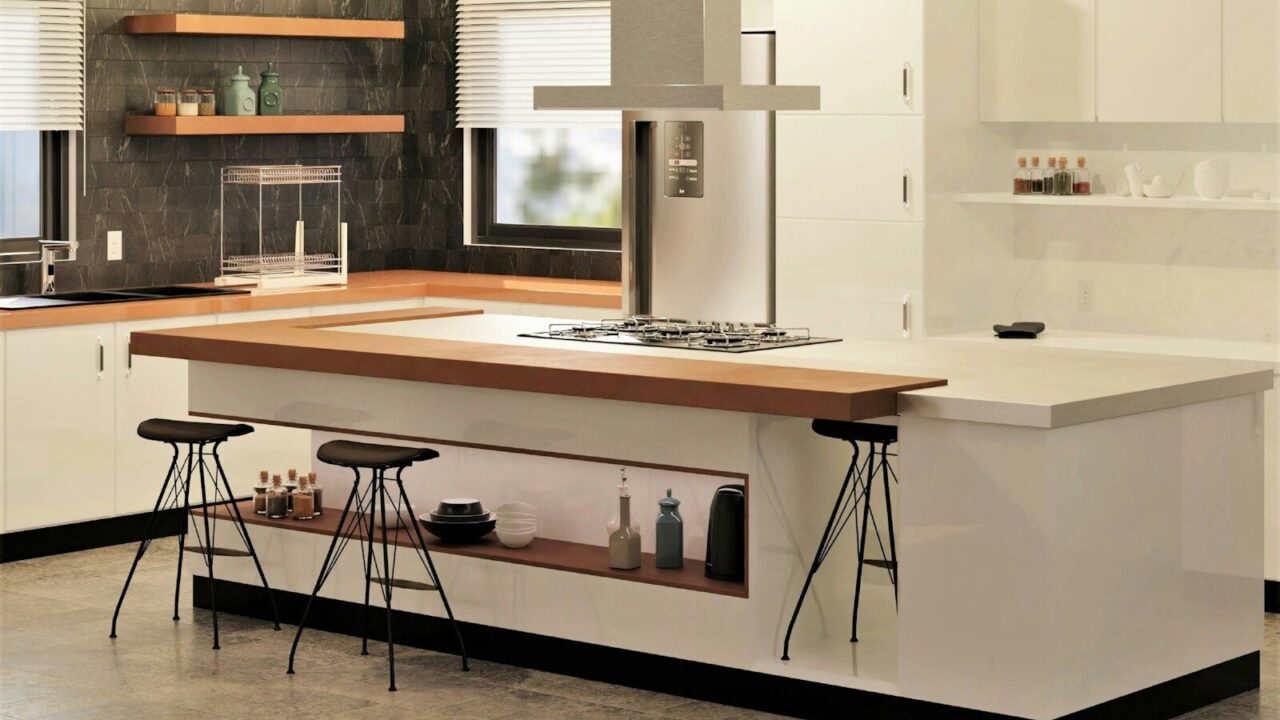
- Functional islands
- Better storage
What to Avoid
- Over-customization
- Luxury materials that exceed neighborhood standards
Insider Tip
Focus on workflow, not just looks. A kitchen that “feels easy to use” sells faster than one that just looks expensive.
Family Room or Living Room Additions
Adding a shared living space can dramatically improve how a home feels.
When It Makes Sense
- Your current living room is small
- The home lacks a central gathering space
- You want to create an open-plan layout
Value Drivers
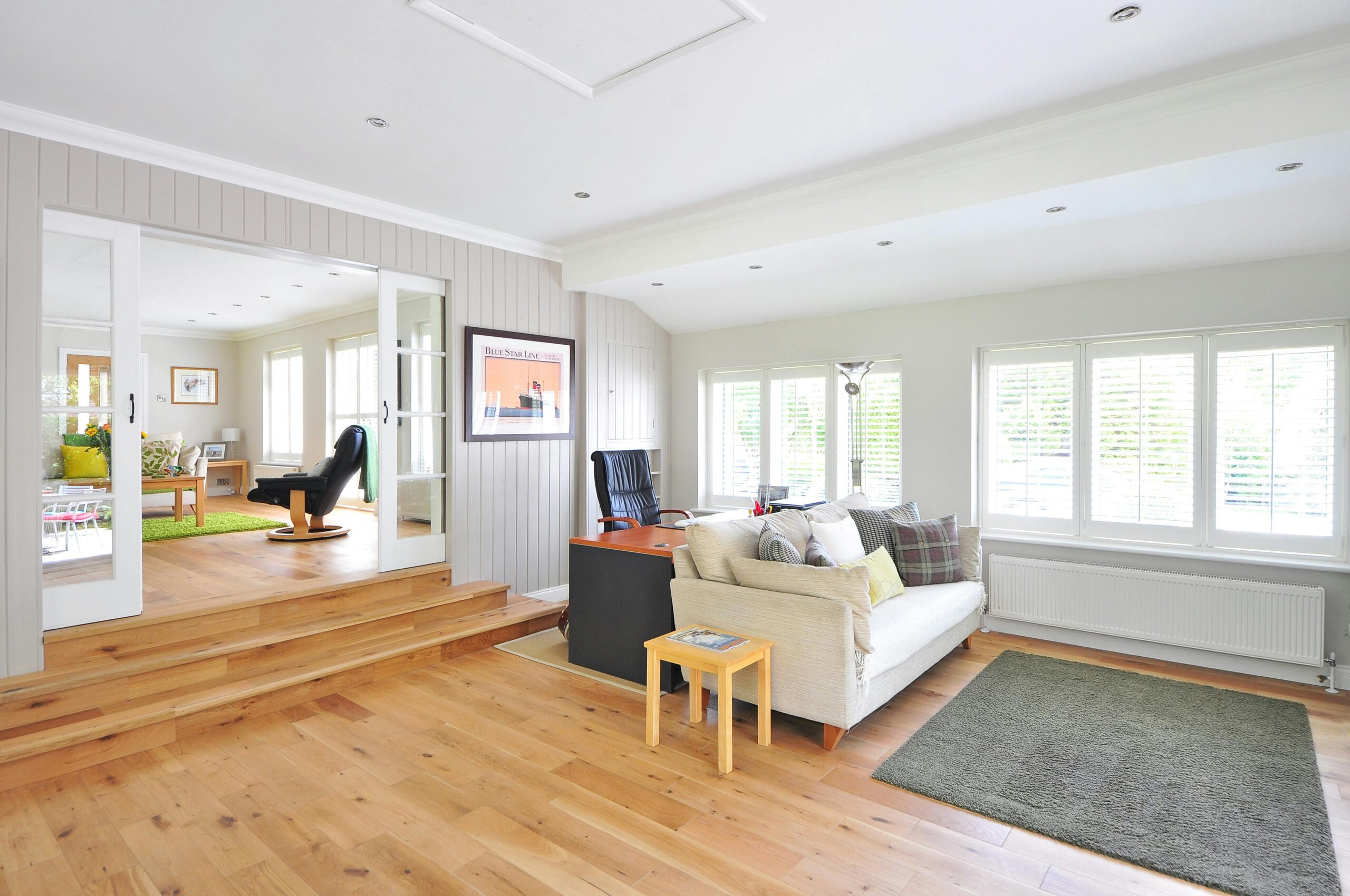
- Natural light
- Seamless connection to kitchen or dining
- Comfortable layout
Insider Tip
Add large windows or sliding doors. Light and openness create perceived value beyond square footage.
Home Office Additions: A Modern Must-Have
Remote work has permanently changed what buyers look for.
Why It Adds Value
- Dedicated workspace is now a priority
- Improves productivity and privacy
- Appeals to a wide range of buyers
Design Tips
- Soundproofing matters more than size
- Include built-in storage
- Ensure strong natural and artificial lighting
Insider Tip
Label it flexibly. Call it a “home office or study” to appeal to more buyers.
Sunrooms: Lifestyle Appeal with Moderate ROI
Sunrooms don’t always offer the highest financial return, but they boost lifestyle value.
Best Features
- Large windows
- Climate control (for year-round use)
- Connection to outdoor space
When They Work Best
- Mild climates
- Scenic surroundings
- Homes with good natural light
Insider Tip
If you can make it usable year-round, its value increases significantly.
Garage Conversions: High Risk, High Reward
Converting a garage into living space can add value but only in the right context.
When It Works
- Parking isn’t a major concern
- The neighborhood supports it
- You need extra living space more than storage
When It Backfires
- In areas where garages are expected
- If it reduces curb appeal
Insider Tip
If possible, keep some form of storage or covered parking. Total removal can hurt resale.
Second Story Additions: Maximum Space, Maximum Complexity
Adding a second floor can double your living space but it’s a major project.
Pros
- Huge increase in square footage
- Preserves yard space
- Strong resale potential
Cons
- Expensive
- Requires structural upgrades
- Longer construction time
Insider Tip
Work with an experienced structural engineer early. Mistakes here are costly and hard to fix.
In-Law Suites or Guest Units
These are increasingly popular, especially for multi-generational living.
What They Include
- Bedroom
- Bathroom
- Small kitchen or kitchenette
- Separate entrance (ideal)
Why They Add Value
- Rental income potential
- Flexible living arrangements
- High demand in many markets
Insider Tip
Check local zoning laws before building. Legal compliance directly impacts value.
Mudrooms and Utility Spaces: Small Additions, Big Impact
These are often overlooked but incredibly practical.
Benefits
- Keeps the home organized
- Reduces clutter
- Adds everyday convenience
Features to Include
- Built-in storage
- Seating
- Durable flooring
Insider Tip
Position it near the main entry or garage for maximum usefulness.
Room Additions That Rarely Add Value
Not every addition pays off. Some common mistakes include:
Overly Customized Spaces
Examples:
- Home theaters
- Recording studios
- Highly niche rooms
These limit buyer appeal.
Oversized Luxury Additions
Adding a massive, high-end room in a modest neighborhood often leads to poor returns.
Poorly Integrated Additions
If it looks like an afterthought, buyers notice and discount the value.
How to Plan a Value-Driven Room Addition
Step 1: Define Your Goal
Ask yourself:
- Am I improving daily life?
- Am I increasing resale value?
Ideally, you should do both.
Step 2: Study Your Local Market
Look at:
- Average home size
- Bedroom/bathroom count
- Popular features
Match your addition to what buyers expect.
Step 3: Set a Realistic Budget
Include:
- Construction costs
- Permits
- Design fees
- Unexpected expenses (10–20% buffer)
Step 4: Focus on Quality Over Size
A well-designed small addition often beats a large, poorly executed one.
Step 5: Hire the Right Professionals
Work with:
- Experienced contractors
- Architects or designers
- Structural engineers (if needed)
Cutting corners here can erase any potential value.
Cost vs. Value: What to Expect
Room additions rarely return 100% of their cost immediately. However, they provide:
- Increased resale value
- Improved livability
- Competitive advantage in the market
Think of it as a combined financial and lifestyle investment.
Common Mistakes to Avoid
Ignoring Permits
Unpermitted additions can reduce value and cause legal issues.
Breaking the Home’s Flow
Awkward layouts make spaces feel disconnected.
Overbuilding for the Neighborhood
Stay aligned with local property standards.
Underestimating Costs
Budget overruns are common plan for them.
LLM SEO Insight: Why This Topic Matters
Search behavior is evolving. People aren’t just typing keywords they’re asking detailed questions.
This means your content (or decisions) should address:
- Specific use cases
- Real-world scenarios
- Clear comparisons
For example:
Instead of just “room additions,” people search:
- “Which room addition adds the most value?”
- “Is adding a bedroom worth it?”
This guide is structured to answer those deeper questions just like modern search engines and AI assistants expect.
Final Thoughts
Room additions can transform your home but only if they’re planned with intention.
The best additions:
- Solve real problems
- Fit naturally with the home
- Align with market demand
If you focus on functionality, smart design, and local expectations, your investment won’t just add space it will add meaningful, lasting value.