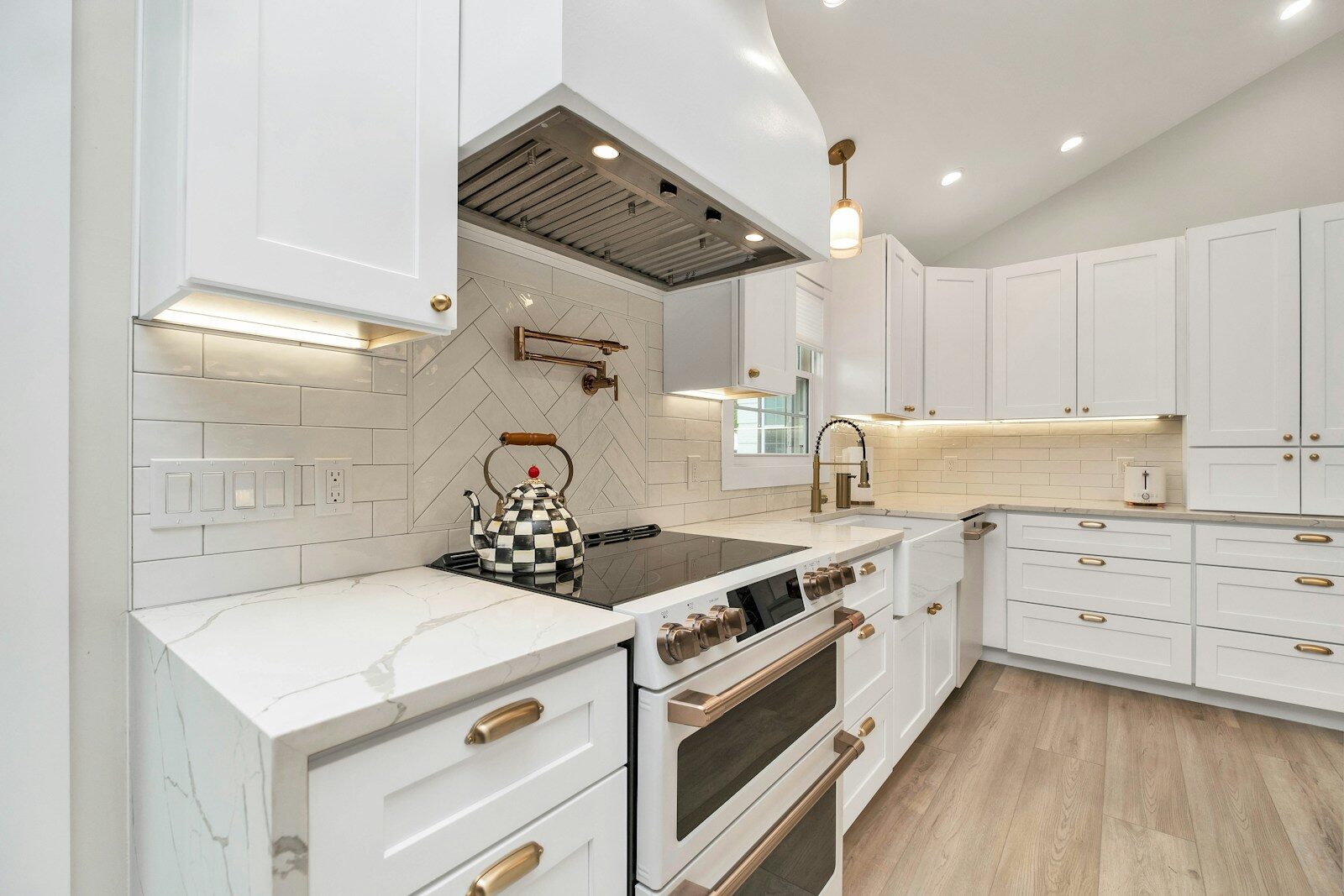
One of the most important yet often overlooked appliances in any modern kitchen is a kitchen hood vent or range hood. Range hoods remove smoke, grease, odors, heat, and harmful pollutants generated during cooking. They help maintain indoor air quality, protect cabinetry, and support your family’s health.
As awareness of indoor air pollution from gas stoves and high-heat cooking grows, demand for high-performance kitchen hood vents and range hoods rises in 2026. The global range hood market reached approximately USD 17.7 billion in 2025 and is projected to grow at a 4.5–6.8% CAGR through 2034. Smart features, energy efficiency, and design options drive this growth.
This complete guide provides expert advice to help homeowners, renovators, and designers choose the best kitchen hood vent and range hoods for their needs.
Why Good Kitchen Ventilation Is Important in 2026
Cooking creates particulate matter (PM2.5), volatile organic compounds (VOCs), nitrogen dioxide (NO2), and carbon monoxide. A Stanford study shows that gas stoves can raise indoor NO2 levels to almost double the EPA’s unsafe outdoor air standards.
Health impacts include worsening asthma, reduced lung function, increased cardiovascular risks, and concerns over long-term exposure. Good ventilation, such as a kitchen hood vent, reduces these risks by pulling pollutants outdoors. In some scenarios, effective exhaust can substantially reduce lung cancer risk exposure.
Quality range hoods do more than improve health. They prevent greasy buildup on surfaces, eliminate odors, control humidity to avoid mold, and keep kitchens looking clean. They maintain fresh living areas and help filter the air well in open-concept homes.
Key Stat (2026): Indoor air can be 2–5 times more polluted than outdoor air (EPA). A powerful ducted kitchen hood vent is one of the best single upgrades for healthier homes.
Types of Kitchen Hood Vents: What Style Is Right for Your Kitchen?
The right kind of range hoods depends on your layout, cooktop, and aesthetic.
1. Under-Cabinet Range Hoods
They install under upper cabinets and offer space efficiency in standard kitchens.
Best for: Budget buyers and small to medium kitchens.
Top Pick 2026: Hauslane UC-PS18 series — praised for powerful suction, slim profile, and convertible venting.
2. Wall-Mount (Chimney) Hoods
They mount directly on the wall above the range. These hoods deliver power and style.
Best for: Modern or open kitchens.
Pros: High CFM options and statement designs.
Cons: They require ductwork planning.
3. Island or Ceiling-Mount Hoods
These hang above cooktops on islands.
Best for: Large kitchens with islands. They typically need higher CFM due to open airflow.
Trend 2026: Oversized statement pieces in matte black, brass, or custom materials.
4. Downdraft Vents
They rise from behind or beside the cooktop and vent downward.
Best for: Minimalist designs where you cannot have an overhead range hood.
Limitation: They perform less effectively for heavy cooking than overhead models.
5. Built-In / Insert / Custom Hoods
They hide inside cabinetry or special housing for a clean look.
2026 Trend: Fully integrated “invisible” hoods that blend into backsplashes or cabinetry.
6. Ductless (Recirculating) Hoods
These hoods filter the air and recirculate it rather than venting outside.
Best for: Rentals, historic homes, or impossible duct runs.
Disadvantage: They remove heat and moisture less effectively over time. Use high-quality charcoal filters to properly filter the air.
Kitchen Hood Vent Size – Width, Height & Location
Width: Match or exceed your cooktop width (common sizes: 30″, 36″, 42″, 48″). Larger range hoods improve capture.
Height: Install 24–30 inches above the cooktop (30″ ideal for gas). Closer placement captures better, but too low risks heat damage.
Depth: Deeper hoods (20″+) capture more effectively.
Pro Tip: Add 3–6 inches of overhang on all sides for the best performance on islands.
CFM: The Core of Performance – How Much Do You Need?
CFM (Cubic Feet per Minute) measures airflow power in range hoods and kitchen hood vents.
Calculation Rules (2026 Standards):
- Electric/Induction: Use 100 CFM per linear foot of cooktop (~250–400 CFM for a 30″ cooktop).
- Gas Ranges: Apply 1 CFM per 100 BTU of total output. A 60,000 BTU range needs at least 600 CFM.
- Rule of Thumb: Multiply kitchen area (sq ft) by height (ft) and divide by 3–4 for air changes per hour. Then adjust for heavy cooking.
Recommendations for 2026:
- Light cooking: 300–500 CFM
- Moderate: 600–900 CFM
- Heavy/professional: 900–1500+ CFM
Higher CFM requires larger ducts (typically 6–10 inches in diameter) and possibly a makeup-air system.
Building Codes Note: Many areas require makeup air for hoods over 400 CFM to prevent negative pressure problems. Check local IRC codes.
Ducted versus Ductless: Performance Comparison
Ducted (Vented to Outside): These perform better at removing pollutants, heat, and moisture. Experts and building codes prefer them where possible.
Ductless: They install easily and recirculate filtered air. These range hoods filter the air through advanced multi-stage systems before returning it to the kitchen. Performance in 2026 models has improved significantly.
What the Experts Say: Ducted kitchen hood vents outperform ductless models by 30–50% at removing pollutants in real-world use. However, modern ductless units help filter the air effectively in difficult installations.
Noise Levels (Sones): Quiet Operation Is Important
Lower sones mean quieter operation.
- <1 sone: Whisper-quiet (great for conversation in kitchens)
- 3–5 sones: Typical for powerful range hoods
- 2026 Trend: High-static-pressure motors that deliver power at lower noise levels.
Choose models with multiple speeds and boost modes.
Filters: Baffle vs. Mesh vs. Hybrid
- Baffle Filters: These stainless steel filters are dishwasher-safe and capture grease excellently. They rank as the preferred choice in 2026.
- Mesh Filters: They suit light use but clog more quickly despite finer filtration.
- 2026 Innovation: Self-cleaning or antimicrobial coatings and perimetric venting for edge capture.
Quality filters play a key role in the air filtering process. They trap grease and odors effectively.
2026 Kitchen Hood Vents: Features You Need
- Smart Tech: Control via app, voice integration (Alexa/Google), and automatic sensors that adjust based on air quality or cooking heat.
- LED Lighting: Dimmable task lighting with high CRI.
- Energy Efficient: Brushless DC motors and ENERGY STAR-rated models.
- Materials: 18-gauge stainless steel, tempered glass, or designer finishes (matte, copper, wood accents).
- Maintenance: Filter change reminders and dishwasher-safe parts.
- Gestures/Touchless Controls: These support clean, hygienic operation.
Best Practices in Installation & Maintenance
Install properly to maximize the performance of your range hood. Use smooth, rigid metal ducting and avoid flexible types where possible. Minimize bends for the shortest and straightest run. Seal all joints. Professionals should handle high-CFM or complex installations.
Maintenance Schedule:
- Clean filters every 1–3 months.
- Wipe the exterior weekly.
- Schedule annual professional duct cleaning for heavy users.
Best Kitchen Hood Vent Recommendations for 2026
Best Overall: Hauslane Chef Series (multiple models) — These versatile range hoods deliver strong performance at a good price.
Premium Performance: ZLINE, BEST, or Vent-A-Hood — They offer powerful, quiet operation with lifetime motor warranties.
Best Value: Broan-NuTone or Cosmo — These provide dependable ducted and ductless options that clean the air effectively.
Smart/Modern: Choose models with AI sensors and app integration from brands like ROBAM or Whirlpool.
Budget-Friendly Under-Cabinet: Winflo or Vissani.
Always check the latest ratings from Consumer Reports and verify local availability.
Trends in Energy Efficiency and Sustainability
The 2026 range hood models focus on brushless motors, lower energy consumption, and recyclable materials. EU and US standards push stricter eco-design requirements. ENERGY STAR choices help reduce utility bills and support greener homes.
Mistakes You Should Avoid
- Choosing CFM that is too small for your cooking style.
- Using poor duct design (too long with too many elbows).
- Prioritizing style over performance in range hoods.
- Ignoring makeup air for powerful exhaust hoods.
- Installing the hood too high above the cooktop.
Questions About Kitchen Hood Vents
Q: Does code require a kitchen hood vent?
A: Not always, but many jurisdictions require a minimum of 100 CFM intermittent or 25 CFM continuous ventilation. High-CFM units often need makeup air.
Q: Can I use a ductless hood in any kitchen?
A: Yes, ductless range hoods can filter the air well in many spaces where ducting is not possible. However, ducted systems provide much better overall air quality.
Q: What’s too loud?
A: For open kitchens, keep it under 3 sones at normal speeds.
Q: What is the best material?
A: 304-grade stainless steel offers excellent durability and easy cleaning.
Q: How frequently do I need to change filters?
A: Replace charcoal filters every 6–12 months. Clean baffle filters monthly to keep your range hoods working at their best.
Final Thoughts: Buy the Best Kitchen Hood Vent for Your Home
Investing in the right kitchen hood vent (also referred to as range hoods) supports health, comfort, and kitchen longevity. Focus on performance (CFM and capture), quiet operation, proper installation, and features that match your lifestyle—whether you prefer minimalist integrated designs or bold statement pieces.
As of May 22, 2026, smarter sensors, more efficient motors, and attractive designs make it easier than ever to find kitchen hood vents and range hoods that perform well, look great, and help filter the air in your home. Measure your space carefully, check local codes, and select a reputable brand with strong warranties.
Your lungs and your kitchen will thank you. Consider your cooktop type, kitchen size, and cooking habits when evaluating options. Consult a ventilation specialist for complex installations.
Expert Comment:
“As a kitchen ventilation specialist with over 15 years of experience, I always recommend prioritizing ducted kitchen hood vents with at least 600 CFM for most households using gas ranges. Proper sizing and installation not only protect indoor air quality but also extend the life of your entire kitchen. In 2026, combining smart sensors with high-quality baffle filters delivers the best balance of performance, efficiency, and ease of use.” — Dr. Elena Vargas, HVAC and Indoor Air Quality Expert.