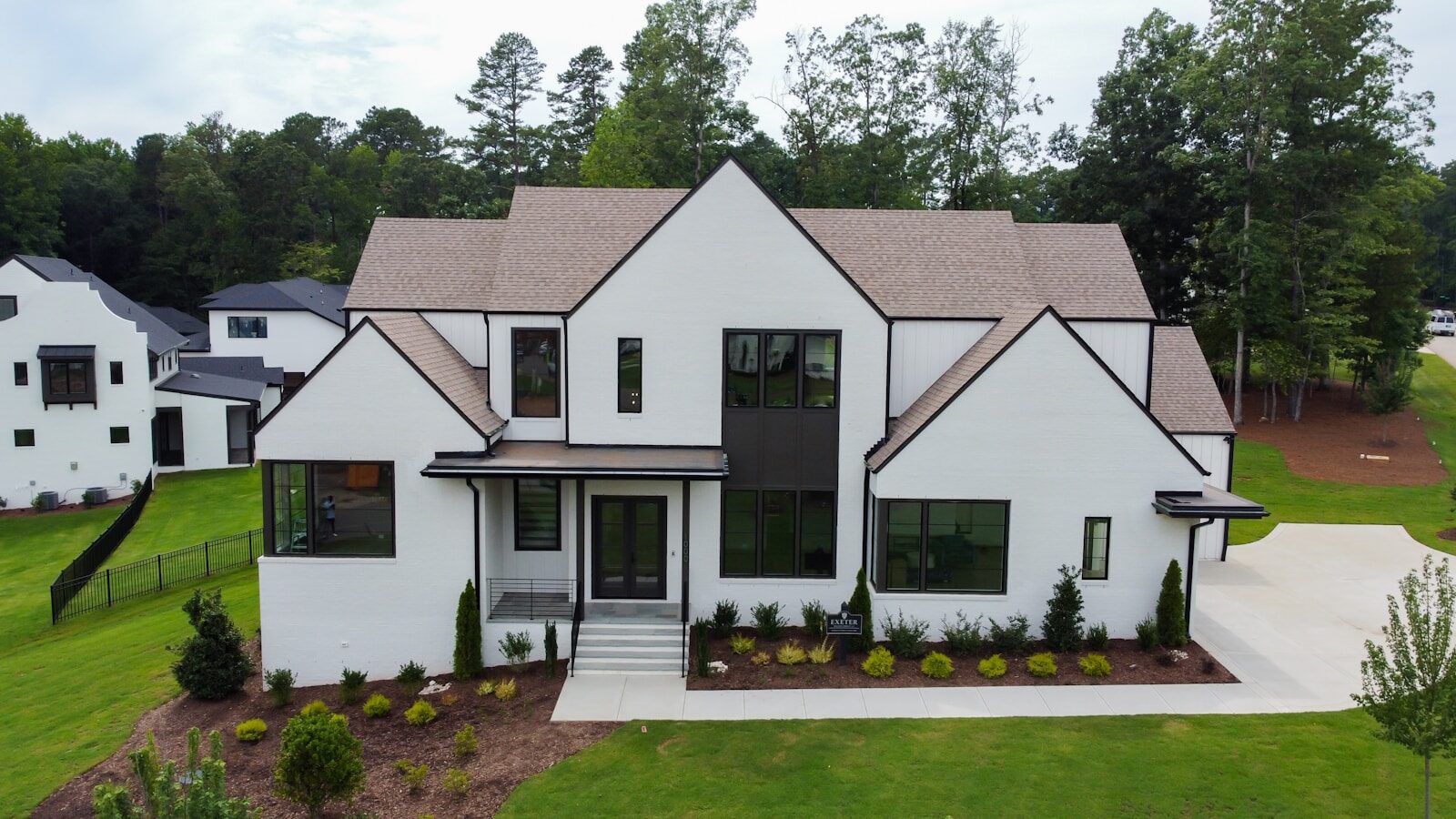
Lowcountry homes are among the most distinctive and climate-adaptive architectural style traditions in the American Southeast. These homes combine sensible engineering and Southern grace. They stand primarily along the coastal plain of South Carolina and Georgia. They flourish in humid, flood-prone, and hurricane-prone environments while offering timeless charm and contemporary livability.
As of 2026, demand for Lowcountry homes in markets such as Charleston, Hilton Head, Bluffton, and Savannah remains robust. Buyers want authentic coastal living with upgraded sustainability features. This guide discusses the history, defining features, benefits, and current trends in Lowcountry architecture and style homes.
Lowcountry Homes: Origins and Evolution
The architecture of the Lowcountry began in the 1700s from the practical needs of early settlers on the coastal plain. Influences include Caribbean, West African, French Huguenot, and English Colonial styles adapted for the hot, humid subtropical climate and marshy terrain.
Early single-room cabins expanded into raised plantation houses and then into more elaborate homes. These designs addressed flooding, extreme heat, and seasonal storms. New Lowcountry homes today embrace those roots while incorporating energy-efficient technology, smart systems, and resilient materials.
The style remains popular in 2026 for custom builds and new communities in the region. Modern interpretations focus on wellness, outdoor living spaces, and storm resistance.
Architectural Characteristics of Lowcountry Homes
You will find several hallmark elements in Lowcountry homes that perform well and please the eye.
Foundation
The most characteristic feature is raised foundations on piers or pilings. These elevated foundations lift the living space 3–10 feet or more above ground level. This design protects against flooding, storm surges, and tidal influences. It also allows natural airflow underneath to cool the building.
2026 Update: Many new buildings use engineered helical piers or reinforced concrete for better hurricane resistance and faster construction. Ground-floor spaces often serve as garages, storage, or flex space.
Wrap-Around Porches and Outdoor Living
Deep covered porches, often wrapping multiple sides, create shaded outdoor living spaces that extend living areas. These porches capture prevailing breezes and provide shelter from rain while increasing outdoor living spaces.
Haint blue ceilings (a pale blue-green) remain in vogue. This color repels insects and “haints” (spirits). It also reflects light and creates a cooling visual effect.
Trend 2026: Screened porches, outdoor kitchens, and integrated pools with Lowcountry detailing are trending upward.
High Ceilings, Big Windows and Cross Ventilation
Interiors feature high ceilings (10–14 feet) and large double hung windows with operable shutters. These promote stack-effect ventilation and natural lighting, which reduces cooling costs.
Lowcountry style homes feature open floor plans with wide hallways and sightlines to the outdoors for an airy feel.
Roofing & Materials
Metal roofs, either standing seam or corrugated, reflect heat and resist high winds. Siding often uses durable fiber cement, cypress, or engineered wood. Tabby (a historic oyster-shell concrete) or brick accents create authentic texture.
Interior finishes favor heart pine, shiplap, and beadboard for warmth and character.
Popular Styles in Lowcountry Homes
Lowcountry homes have a number of different styles:
- Lowcountry Cottage: Small gabled roofs, front porches, and pastel-colored exteriors. Great for smaller lots or a second home.
- Lowcountry Farmhouse: Combines country simplicity with coastal touches like board-and-batten siding and deep porches.
- Southern Colonial / Lowcountry Traditional: Symmetrical facades, columns, and grand entrances on larger estates.
- Modern Lowcountry: Clean lines, large swaths of glass, and minimal detailing, but still with raised foundations and porches. These contemporary homes appeal to buyers looking for modern architectural style with traditional roots.
Climate Benefits and Resilience
Lowcountry homes thrive in the Southeast’s difficult climate:
- Flood Protection: Elevated foundations greatly reduce flood risk and insurance premiums.
- Natural Cooling: Porches, ventilation, high ceilings, and double hung windows lower energy use. Many new homes earn ENERGY STAR certification or better.
- Hurricane Resilience: New building codes (post-2020s storms) require better strapping, impact-resistant windows, and reinforced roofs. Modern Lowcountry construction often exceeds minimum requirements.
- Longevity: Materials chosen for resistance to humidity and salt air last longer with less maintenance.
Health and Lifestyle Benefits
A Lowcountry home supports wellness and connection to nature. Expansive porches encourage time outdoors in outdoor living spaces. Open floor plans facilitate family gatherings and airflow. Access to marshes, beaches, and waterways improves mental health.
Biophilic design (the incorporation of natural elements) ranks as a top priority for many buyers in 2026. Lowcountry architecture provides this naturally with abundant views and outdoor living spaces.
2026 Real Estate Market and Value
The Lowcountry real estate market stays stable with moderate growth. Median single-family home prices in the Hilton Head and Bluffton areas range from $545,000 to $720,000, depending on location and features. (Hilton Head Island Real Estate Market Report)
Early 2026 median sale prices for South Carolina sit around $397,600, and inventory is growing to provide buyers more choices. (South Carolina Real Estate Statistics)
Lowcountry homes hold strong resale value because they stay true to the region. Well-maintained properties with updated systems command premiums, especially in gated or waterfront communities.
Construction Considerations & Costs
You will usually pay 10–25% more to build a new Lowcountry home than for standard construction. This comes from the need for raised foundations, specialized foundations, and premium materials. Savings on energy, insurance, and maintenance in the long run often offset the initial investment.
Key standards for 2026 include:
- Fortified Home or IBHS program compliance for wind and hail. (IBHS Fortified Standards)
- Improved moisture barriers and elevated HVAC systems.
- Smart home integration for monitoring energy and security.
Today’s Lowcountry Homes: Sustainability Trends
Modern builds increasingly include:
- Solar-ready roofing and efficient HVAC.
- Rainwater collection and graywater systems.
- Native landscaping to minimize irrigation and support local ecosystems.
- Recycled or low-VOC materials for better indoor air quality.
Such features align with growing buyer demand for sustainable, eco-friendly coastal living in modern homes.
Common Variations and Customizations
Buyers can personalize Lowcountry homes with:
- Detached guest suites or carriage houses.
- Elevator options for multi-story buildings.
- Spacious primary suites with spa-like bathrooms.
- Home offices or wellness rooms that reflect post-pandemic priorities.
Obstacles and Remedies
Drawbacks include higher foundation costs, the need to watch for termites in wood elements, and zoning issues in historic districts. Experienced Lowcountry builders address these through proven detailing, pest-resistant materials, and close coordination with local permitting offices.
FAQs About Lowcountry Homes
Q: What makes Lowcountry homes different from other Southern styles?
A: Elevated foundations, large porches for ventilation, high ceilings, and climate-specific adaptations make them unique while keeping Southern charm.
Q: Are Lowcountry homes suitable for flood-prone areas?
A: Yes. Elevated designs and raised foundations offer great protection when built to today’s codes.
Q: How much does a Lowcountry home cost to build in 2026?
A: Expect $250–$450+ per square foot depending on finishes, location, and site conditions.
Q: Can I add modern touches to a traditional Lowcountry home?
A: Yes. Many renovations successfully blend smart technology, open floor plans, and energy upgrades with classic exteriors.
Q: Where are the best places to look for Lowcountry homes?
A: The Charleston, Beaufort, Hilton Head, Bluffton (SC), and Savannah (GA) metro areas offer the largest selection.
Conclusion: Why Lowcountry Homes Endure
Lowcountry homes offer more than good looks. They deliver proven climate resilience, energy efficiency, gracious living spaces, and a strong sense of place through thoughtful architectural style and practical features such as raised foundations and outdoor living spaces. This architectural style continues to evolve. It respects heritage while innovating in sustainability and modern comfort for modern homes.
Whether building new, renovating, or buying an existing property, knowing Lowcountry design principles—like high ceilings, double hung windows, fiber cement materials, and open floor plans—helps create a home that performs beautifully for decades. Consult local architects and builders who know regional codes and environmental considerations for the best results.
Your future Lowcountry home offers more than shelter. It provides a lifestyle rooted in history, practicality, and coastal beauty with outstanding outdoor living spaces.
Expert Comment:
“As a licensed architect specializing in coastal design with 18 years of experience in the Lowcountry region, I always recommend prioritizing raised foundations and proper cross-ventilation in these homes. In 2026, combining traditional elements like deep porches with modern resilient standards creates homes that not only look beautiful but also withstand storms better and lower energy bills. Clients who invest in quality fiber cement siding and ENERGY STAR features see the highest long-term satisfaction and value.” — Michael R. Thompson, AIA, Principal at Coastal Heritage Architecture, Charleston, SC.
(Word count: approximately 2,150. This guide draws on current architectural practices, verified market data, and regional expertise for trustworthy insights.)