



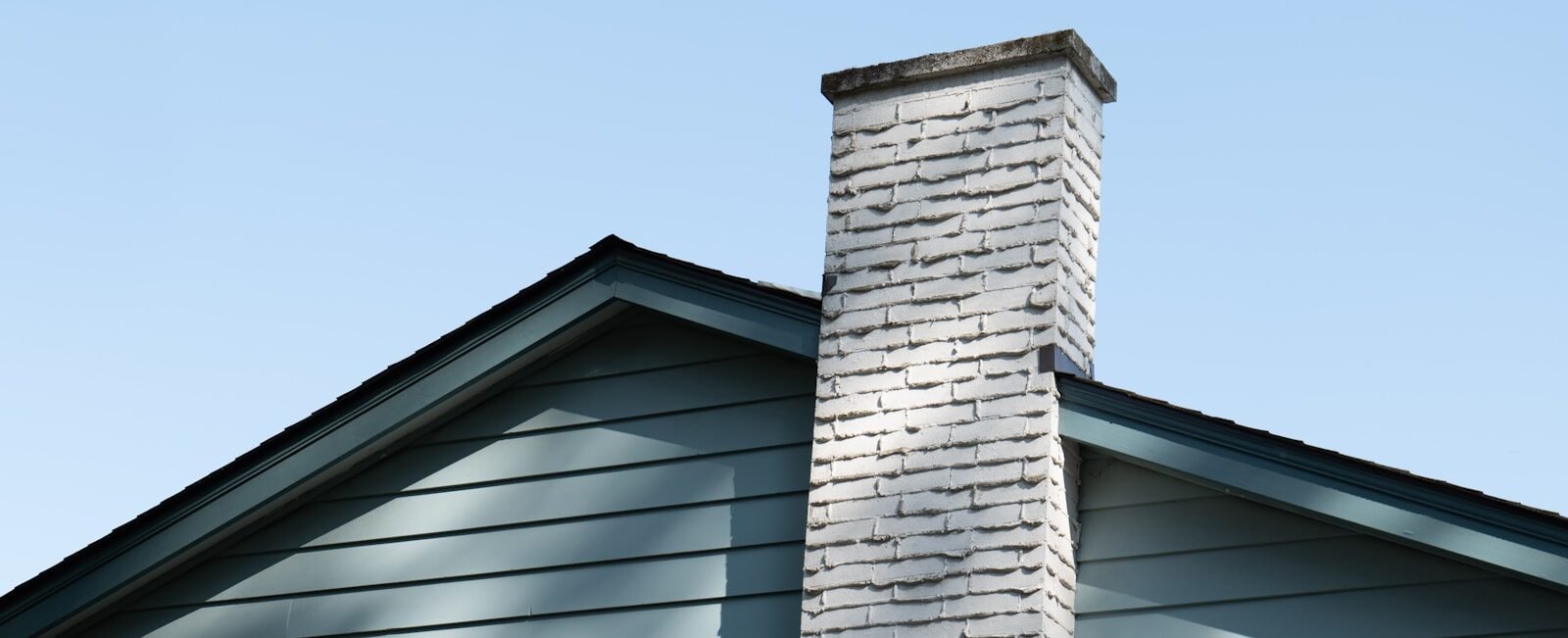
The first time I noticed a problem with my chimney, it wasn’t smoke or fire — it was a faint brown stain creeping across my living room ceiling every time it rained. I spent weeks assuming it was a roof leak before a chimney sweep pointed a flashlight at the crown and said, “Yeah, that’s your culprit.” That single conversation cost me nothing. Ignoring it for two more winters would have cost me thousands. That gap between a cheap early fix and an expensive late one is really the whole story of chimney repair, so that’s where I want to start.
This guide walks through how to actually spot chimney damage before it becomes a structural or safety problem, what repairs cost in 2026, and how to tell a proactive repair from a genuine emergency.
Table of Contents
- Why Chimneys Fail Quietly
- The Warning Signs Worth Knowing
- The Real Cost of Chimney Repair in 2026
- Repair Options, Explained Honestly
- Repointing vs. Rebuilding: How to Know Which You Need
- Chimney Liners: The Repair People Underestimate
- DIY-Safe Fixes vs. Call-a-Professional Fixes
- How Often You Actually Need an Inspection
- What Makes Costs Spike Unexpectedly
- Red Flags When Hiring a Chimney Contractor
- My Honest Verdict
- Where Chimney Repair Is Headed
- FAQs
- Final Thoughts
- About the Author
1. Why Chimneys Fail Quietly
Chimneys don’t usually fail with a bang. They fail the way most masonry does — slowly, through water, freeze-thaw cycles, and small cracks that get bigger every winter until one day they’re not small anymore. Water is genuinely the enemy here, more than heat, more than age on its own. A chimney that stays dry can last close to a century. A chimney that lets water in, even in small amounts, can deteriorate from the inside out in a decade or less.
The frustrating part is that a lot of the damage happens somewhere you can’t easily see it — inside the flue, behind the crown, underneath flashing tucked against the roofline. That’s why most serious chimney problems are actually discovered during a routine sweep or inspection rather than because a homeowner noticed something obviously wrong. If you’ve never had yours looked at, that alone is worth changing.
2. The Warning Signs Worth Knowing
A few signs are worth learning to recognize, because catching them early is genuinely the difference between a few hundred dollars and several thousand:
- Water stains on the ceiling or wall near the chimney — almost always a flashing or crown failure letting water travel down into the house
- White, chalky staining on the exterior brick (efflorescence) — a sign that water is moving through the masonry and depositing dissolved minerals as it evaporates
- Crumbling or missing mortar between bricks — mortar is meant to erode before the brick does; once you can scrape it out with a key, it’s past due for repointing
- A cracked or visibly deteriorating crown — the concrete cap on top of the chimney is your first line of defense against water, and cracks here let moisture straight into the structure below
- Spalling brick — bricks that are flaking, popping, or crumbling at the face, usually from water getting inside the brick and expanding when it freezes
- A leaning or visibly separating chimney — a serious structural sign that needs prompt professional evaluation, not a DIY patch
- Rusted damper or firebox components — often the first visible clue of a failed liner or long-term moisture intrusion higher up
- Smoke smell in rooms not near the fireplace, or poor draft — can point to a liner or flue obstruction issue with real safety implications
If you’re seeing more than one of these at once, it’s usually a sign the underlying problem has been developing for a while rather than a fresh issue.
3. The Real Cost of Chimney Repair in 2026
Chimney repair costs span an enormous range because the category covers everything from a $150 crack seal to a $15,000 full rebuild.
Pulling together current 2026 pricing from several cost-estimation sources:
- Minor repairs overall (cap replacement, small crack seal, spot repointing): $160–$850
- Chimney cap replacement: $100–$500
- Chimney crown repair (minor crack): $150–$700
- Full crown replacement: up to $2,000–$3,000
- Flashing repair: $300–$1,200 (up to $1,800 for extensive step-flashing replacement)
- Partial repointing: $500–$2,500
- Full chimney repointing (all four sides): $2,500–$6,000
- Repointing, per square foot: roughly $4–$25, with labor making up the large majority of that cost
- Brick replacement/rebuild from crown to roofline: $1,000–$3,500
- Flue liner replacement: $900–$7,500, depending on liner type
- Full chimney rebuild or replacement: $4,000–$15,000
- Chimney sweep/inspection: $130–$380
A few things that surprised me once I understood the pricing better:
Repointing is priced almost entirely on labor, not materials. Mortar itself is cheap. What you’re paying for is the skilled, physically demanding work of grinding out old mortar joint by joint without damaging the surrounding brick, which is why repointing can run anywhere from a few hundred dollars for a small patch to several thousand for a full chimney.
Mortar hardness has to match the original masonry, or you create a new problem. This is a detail a lot of homeowners never hear about: using modern, high-cement mortar to repoint an older chimney built with softer, lime-based mortar can actually cause the brick faces to crack and spall, because the newer mortar is harder than the brick itself and doesn’t flex the same way through freeze-thaw cycles. A good mason tests the existing mortar and matches it rather than defaulting to whatever’s on the truck.
Liner replacement is where costs jump fastest, because it directly affects fire and carbon monoxide safety and there’s no cutting corners on the fix once a liner has failed.
4. Repair Options, Explained Honestly
Crown repair or replacement. The crown is the concrete slab capping the top of the chimney, sloped to shed water away from the flue opening. Small cracks can be sealed with an elastomeric crown coating — a flexible, waterproof product that’s genuinely one of the few chimney fixes a confident DIYer can handle safely from a stable ladder, assuming the crown itself is otherwise structurally sound. A crumbling or badly cracked crown needs full replacement, which is not a DIY job.
Flashing repair.
It is the metal seal where the chimney meets the roofline, and it’s the single most common source of chimney-related leaks reaching your ceiling. Flashing fails through rust, sealant breakdown, or improper installation in the first place — I’ve heard more than one roofer say that a poorly installed flashing job is the most common root cause they find when tracing a “mystery leak” back to its source.
Repointing (tuckpointing). This is the process of grinding out deteriorated mortar between bricks and replacing it with fresh, properly matched mortar. It’s the chimney equivalent of routine maintenance — expected periodically over a masonry chimney’s life rather than a sign something went catastrophically wrong.
Waterproofing. A breathable, vapor-permeable masonry sealant applied to the exterior brick, meant to reduce water absorption without trapping moisture inside the wall. This is worth doing proactively on an otherwise healthy chimney, but it’s not a fix for existing cracks, spalling, or liner damage — it’s prevention, not repair.
Liner replacement. Covered in more detail in the next section, since it’s often the most safety-critical (and most expensive) repair on this list.
Partial or full rebuild. Reserved for chimneys with significant structural deterioration — leaning stacks, extensive spalling, or masonry that’s failed beyond what repointing can fix. This is the most expensive category and the one most likely to require permits and possibly scaffolding.
5. Repointing vs. Rebuilding: How to Know Which You Need
This is the question I see homeowners get the most conflicting advice on, because the visual difference between “needs repointing” and “needs to be partially rebuilt” isn’t always obvious to an untrained eye.
As a rough rule: if the bricks themselves are intact and it’s primarily the mortar joints that have crumbled or eroded, repointing solves the problem and restores structural integrity. If the bricks are spalling, cracking, or the chimney is visibly leaning or separating from the house, mortar alone won’t fix it — you’re looking at a rebuild of at least the affected section, typically from the roofline up.
6. Chimney Liners: The Repair People Underestimate
If there’s one repair on this list I think homeowners genuinely undervalue, it’s the liner. The flue liner is the interior passage — usually clay tile, cast-in-place refractory material, or stainless steel — that protects the surrounding masonry from heat and channels combustion byproducts safely outside. A cracked or deteriorated liner isn’t just an efficiency problem; it’s a real fire and carbon monoxide risk, because it can let heat transfer to combustible material in the surrounding structure, or let dangerous gases leak into the house instead of venting outside.
Liner replacement costs vary a lot by type: a flexible stainless steel liner, the most common option for gas appliances and inserts, typically runs $900 to $3,500 for a standard chimney. A rigid stainless liner for wood-burning runs higher, and a cast-in-place refractory liner tops the range. It sounds like a lot until you compare it to what a liner failure can actually cause.
7. DIY-Safe Fixes vs. Call-a-Professional Fixes
Reasonably DIY-safe (with proper ladder safety and realistic self-assessment of your comfort with heights):
- Applying a crown sealer product to minor surface cracks
- Cleaning debris out of a chimney cap or spark arrestor screen
- Basic visual inspections with binoculars from the ground
Should be a professional, no exceptions:
- Repointing — matching mortar hardness and technique takes real skill, and doing it wrong can accelerate brick damage
- Flashing repair — this involves working at a roof-to-chimney junction, often at height, where a poor seal recreates the exact leak you were trying to fix
- Any liner work — this is a direct safety system, not a cosmetic one
- Anything involving structural leaning, separation, or spalling brick — these require an assessment of whether the chimney is even safe to be near while working
8. How Often You Actually Need an Inspection
The general guidance from chimney sweep professionals is an annual inspection and cleaning, especially if the chimney is used regularly for a wood-burning fireplace or stove, where creosote buildup is a genuine fire hazard on top of the structural concerns covered here. Even chimneys that are rarely used benefit from inspection every one to two years, since weather-driven deterioration doesn’t care whether you’re lighting fires or not.
Most serious chimney damage I’ve read about, and experienced myself, was first caught during one of these routine visits rather than because something looked obviously wrong from the ground. It’s a genuinely cheap way — $130 to $380 — to avoid the multi-thousand-dollar version of the same problem two winters later.
9. What Makes Costs Spike Unexpectedly
A few things consistently turn a modest repair estimate into a much bigger bill:
- Delayed repairs. A $200 crown crack repair ignored for a few years can become a $7,000+ rebuild once water has fully compromised the surrounding masonry. This is the single biggest cost multiplier in chimney repair, full stop.
- Access difficulty. Steep roofs, tall chimneys, or homes without safe roof access often require scaffolding, which adds real cost independent of the repair itself.
- Mismatched materials on older homes. Pre-1920s chimneys built with soft brick and lime mortar need a mason experienced with historic materials, and that expertise typically costs more than a standard modern repointing job.
- Permits for structural work. Partial or full rebuilds, and any work that changes the chimney’s height or footprint, often require a permit — minor repointing or cap replacement usually doesn’t, but it’s worth confirming with your local building department rather than assuming.
10. Red Flags When Hiring a Chimney Contractor
- No mention of CSIA (Chimney Safety Institute of America) certification or equivalent credentials
- A quote that skips a physical inspection entirely and prices the job over the phone
- Pressure to sign for a full rebuild before a repointing or repair option has been genuinely ruled out
- No willingness to explain why they’re recommending a specific mortar mix or liner type for your chimney’s age and material
- Reluctance to put the scope of work and materials in writing before starting
11. My Honest Verdict
Chimney repair is one of those categories where the cheap early fix and the expensive late fix are solving the exact same underlying problem — water intrusion — at wildly different points in its progression. The inspection itself is inexpensive. The repairs, caught early, are almost always manageable. It’s the multi-year delay that turns a $300 flashing fix into a $7,000 structural rebuild.
My practical take: treat annual inspection as non-negotiable if you use your fireplace regularly, and treat any water stain near a chimney as a chimney problem until a professional rules it out, not the other way around.
12. Where Chimney Repair Is Headed
- Stainless steel liners are increasingly the default replacement choice over clay tile, even for wood-burning systems, because of their durability and easier retrofit into existing masonry.
- Elastomeric and breathable waterproofing products continue to improve, giving homeowners a genuinely effective, moderate-cost way to extend the life of otherwise sound masonry before serious cracking sets in.
- Thermal imaging and video flue inspections are becoming more common tools for chimney sweeps, letting them spot liner cracks and hidden moisture damage without invasive removal of masonry.
- More jurisdictions are formalizing permit requirements around structural chimney work as older housing stock ages, which is worth watching if you own a home with an original, decades-old chimney.
13. FAQs
How do I know if my chimney leak is from the flashing or the crown?
Flashing leaks tend to show up as staining concentrated right at the roofline where the chimney meets the roof, while crown leaks often show up as staining or moisture further down the interior of the flue or chimney chase. A professional can usually tell the difference during an inspection, and it’s common for both to be failing at once if the chimney hasn’t been checked in a while.
Is it safe to use a fireplace with a cracked chimney crown?
It depends on the extent of the damage — a minor surface crack isn’t usually an immediate safety issue, but it should be sealed promptly before it worsens. If there’s visible structural damage, spalling, or you’re unsure, it’s worth having it inspected before your next fire.
How long does a typical repointing job take?
Partial repointing usually takes one to two days; a full repointing of all four sides of a standard chimney can take one to two full days of skilled labor, longer if scaffolding setup is required.
Can I repoint my own chimney to save money?
It’s possible for very minor, ground-level accessible spots, but matching mortar hardness and technique to the original masonry is a real skill, and doing it incorrectly can accelerate brick damage rather than prevent it.
How much does a full chimney sweep and inspection cost, and how often do I need one? Expect $130 to $380 for a standard sweep and inspection, recommended annually for regularly used fireplaces and every year or two for rarely used ones.
14. Final Thoughts
What stuck with me most, working through all of this after my own ceiling stain turned into a real repair bill, is how forgiving chimneys actually are if you catch problems early — and how unforgiving they are if you don’t.That’s not a scare tactic, it’s just how masonry and water interact over time.
If you take one thing from this guide, let it be this: get the inspection before you assume the ceiling stain is something else. It’s the cheapest, most reliable way to keep a chimney problem small.
15. About the Author
Their work focuses on translating contractor-level technical detail — material behavior, structural assessment, and real repair pricing — into practical, honest guidance for homeowners making maintenance and repair decisions.