




I’ve inspected and repaired more fascia boards and soffits ruined by water sneaking behind gutters than I care to remember. In almost every case, the missing or poorly installed piece was a simple length of bent metal called a gutter apron. Once you understand what it does, the damage becomes completely avoidable. A gutter apron is one of those quiet, inexpensive details that separates a roof that sheds water cleanly from one that slowly soaks its own edge.
This guide explains exactly what a gutter apron is, how it differs from ordinary drip edge, how it works in practice, when you need one, and what proper installation looks like. I’ll draw on real observations from roofs in both heavy-rain and freeze-thaw climates.
Table of Contents
- What Exactly Is a Gutter Apron?
- How a Gutter Apron Works
- Gutter Apron vs. Drip Edge: Clear Differences
- Why You Actually Need One
- Common Signs You’re Missing One
- Materials and Profiles
- Installation Overview
- Can You Retrofit a Gutter Apron?
- Cost Considerations
- Limitations and What It Doesn’t Fix
- Practical Tips from the Field
- FAQs
- Looking Ahead
- Final Thoughts
- About the Author
What Exactly Is a Gutter Apron?
A gutter apron is a continuous piece of metal flashing installed along the eave (the horizontal lower edge of the roof) where gutters are present. It is typically formed into an L-shaped or extended profile. The upper leg tucks under the starter course of shingles or under the existing drip edge, and the longer lower leg extends down and into the back of the gutter trough.
Its single job is to close the gap that almost always exists between the edge of the roof deck (or the bottom of the shingles) and the back of the gutter. Without that bridge, water running off the roof can drip or be driven by wind behind the gutter and onto the fascia board.
You will sometimes see it called Type F drip edge or eave apron flashing. Regardless of the name, the defining feature is the extended lower flange designed specifically to reach into the gutter.
How a Gutter Apron Works
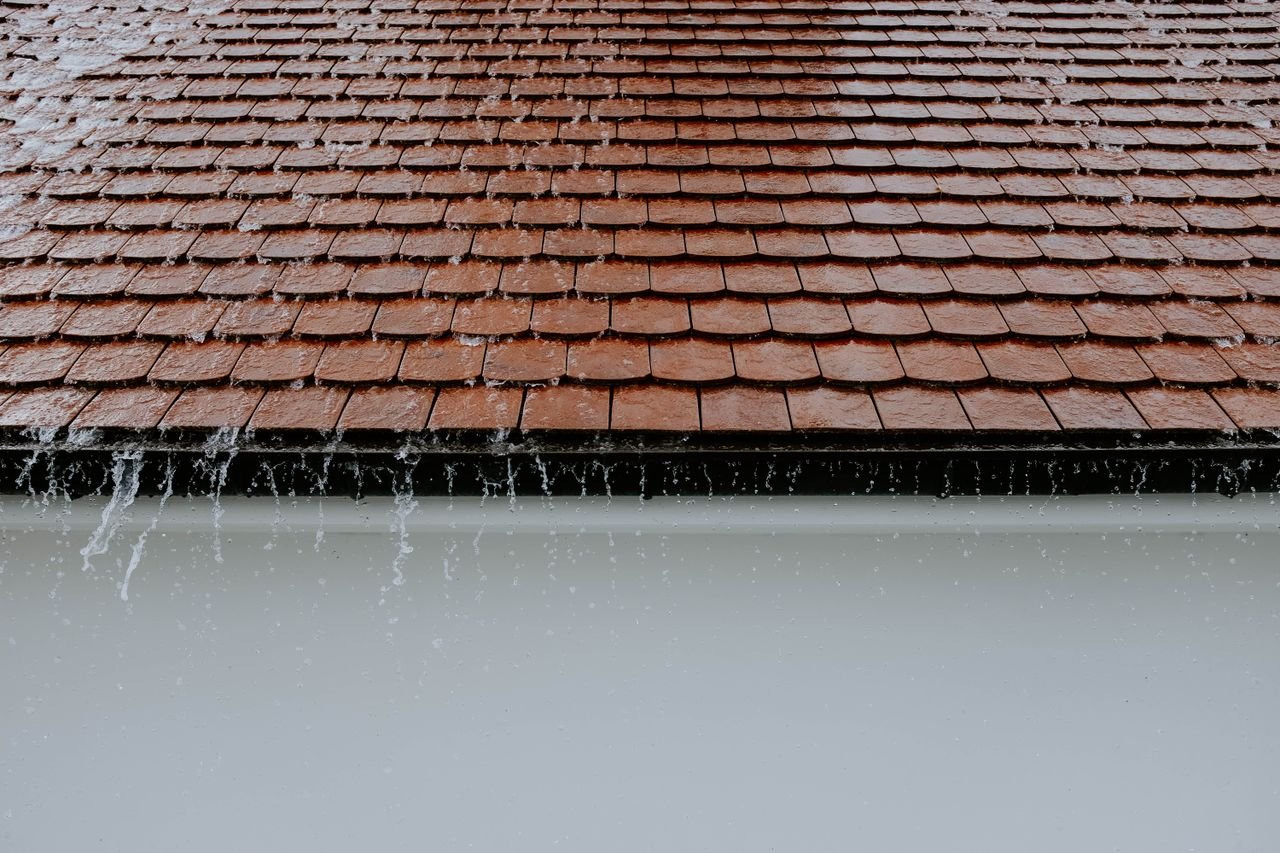
Rain or melting snow flows down the roof surface. When it reaches the eave, the apron creates a continuous, sloped metal surface that carries the water past the fascia and deposits it directly into the gutter channel. The metal also acts as a physical barrier so that capillary action or wind-driven rain cannot pull moisture backward under the shingles or behind the gutter hanger system.
In heavy rain the volume of water coming off a roof can be substantial. A short standard drip edge may allow some of that water to overshoot or splash behind the gutter. The longer face of the apron reduces that risk significantly. In winter, when ice begins to form at the eave, the apron still helps guide meltwater into the gutter rather than letting it sit against the wood fascia.
The apron does not prevent ice dams by itself—that requires proper attic insulation, ventilation, and often an ice-and-water shield membrane—but it does protect the vulnerable edge once water starts moving.
Gutter Apron vs. Drip Edge: Clear Differences
These two pieces are frequently confused, yet they serve related but distinct purposes.
| Feature | Standard Drip Edge | Gutter Apron |
|---|---|---|
| Primary function | Directs water away from fascia and roof deck edge | Directs water into the gutter trough |
| Lower flange length | Typically 1–1.5 inches | Typically 3–4 inches or longer |
| Best location | Rake edges (gables) and sometimes eaves without gutters | Eave edges where gutters are installed |
| Installation timing | During new roofing, under underlayment | Can be installed with new roofing or as a retrofit |
| Code status | Required by most modern codes on new roofs | Best practice, not usually code-mandated |
| Profile | L-shaped or T-shaped | Extended L-shaped (Type F) |
On a complete roof system you often want both: drip edge along the rakes for a clean, protective edge, and gutter apron (or an extended drip-edge profile) at the eaves to feed the gutters properly. Some modern drip-edge profiles are long enough to serve both roles at the eaves, but many older or standard installations leave a gap that only a true apron closes.
Why You Actually Need One
The fascia board is the horizontal trim that sits just behind the gutter. It is usually painted wood or composite, and it is not designed to stay wet. Water that consistently runs behind the gutter saturates the fascia, leads to peeling paint, soft wood, and eventually rot that can spread into the soffit and roof deck edge. Once the wood softens, gutter hangers lose their grip and the entire gutter system can sag or pull away.
Beyond the fascia, water behind the gutter can stain siding, soak insulation in the eaves, and create conditions for mold or insect activity. In freeze-thaw climates the repeated wetting and freezing accelerates the damage. A properly installed gutter apron is one of the simplest ways to stop that cycle at the source.
It also improves gutter performance. When water is delivered cleanly into the trough instead of partially missing it, the gutters handle the volume they were designed for, reducing overflow during intense storms.
Common Signs You’re Missing One
- Dark vertical streaks or “tiger striping” on the outside of the gutters
- Water stains or soft spots on the fascia board
- Peeling paint on the fascia or soffit
- Visible gap between the bottom of the shingles and the back of the gutter
- Water running down the face of the house or foundation during moderate rain
- Frequent need to reattach or realign gutters
If you can look up from the ground and see daylight or a clear gap between the roof edge and the gutter, an apron is probably missing or inadequate.
Materials and Profiles
Most gutter aprons are made from aluminum (lightweight, corrosion-resistant, available in many colors) or galvanized steel (stronger, slightly heavier). Copper is used on higher-end or historic work. Thickness is usually 0.019 to 0.027 inches for aluminum; heavier gauges last longer in harsh climates.
The profile should be chosen so the lower leg reaches well into the gutter without interfering with hangers or debris flow. Custom brake-formed pieces can be made to match unusual roof-to-gutter geometry.
Installation Overview
On a new roof the sequence is typically: drip edge or apron fastened to the roof deck, underlayment lapped over it at the eave, then starter shingles. The lower leg of the apron hangs into the gutter once the gutter is installed.
For a retrofit the process involves carefully lifting the bottom course of shingles, sliding the upper leg of the apron underneath, fastening it to the deck or fascia as appropriate, and letting the lower leg drop into the existing gutter. Care must be taken not to damage the shingles or create new entry points for water. Many installers prefer to do this work when the gutters are being replaced so everything lines up cleanly.
Nails should be placed on the vertical face where possible so that heads are less exposed to weather. The apron must be continuous and properly lapped at joints.
Can You Retrofit a Gutter Apron?
Yes. Retrofitting is one of the most common and cost-effective upgrades I recommend when inspecting older homes that already have gutters but show signs of fascia wetting. It is more labor-intensive than installing during a full roof replacement because the bottom row of shingles must be lifted, but the long-term protection is usually worth the effort.
Cost Considerations
Material cost is modest—often in the same range as standard drip edge or only slightly higher. Labor is the larger variable, especially on a retrofit. When combined with new gutter installation the incremental cost is usually small relative to the protection gained. Compared with the expense of replacing rotted fascia, soffit, or sections of roof deck, the apron is inexpensive insurance.
Limitations and What It Doesn’t Fix
A gutter apron will not compensate for clogged gutters, undersized gutters, improper gutter slope, or missing downspouts. It will not prevent ice dams caused by heat loss from the attic. It cannot fix a roof that already has extensive edge rot—those boards need repair or replacement first. Think of it as the final link in the water-management chain rather than a cure-all.
Practical Tips from the Field
- Inspect the roof-to-gutter connection every year or two, especially after heavy storms or ice events.
- If you are replacing gutters, insist on a proper apron or an extended drip-edge profile that reaches into the new trough.
- In snowy climates, pair the apron with ice-and-water shield at the eaves for layered protection.
- Keep the lower leg of the apron clear of debris so water can flow freely into the gutter.
- Color-match the metal to the gutters or fascia for a cleaner appearance.
FAQs
Is a gutter apron the same as drip edge?
No. They are related forms of edge flashing, but the apron has a longer lower leg specifically designed to feed the gutter.
Do building codes require a gutter apron?
Most codes require drip edge on new roofs. A dedicated gutter apron is generally considered best practice rather than a strict code item, though some local amendments or manufacturer instructions may call for it.
Can I install one myself?
A careful homeowner with roofing experience can retrofit a simple run, but lifting shingles without damage and achieving a continuous, watertight fit takes skill. Professional installation is recommended for most people.
Will it stop all water from getting behind the gutters?
When correctly sized and installed, it dramatically reduces the problem. Extreme wind-driven rain or completely clogged gutters can still create issues.
How long does a gutter apron last?
Aluminum and galvanized versions typically last as long as the roof or gutters when properly installed—often 20–40 years depending on climate and gauge.
Looking Ahead
As roofing systems become more integrated and energy codes push for better attic performance, edge detailing continues to receive more attention. Manufacturers are offering longer-profile drip edges that combine the functions of traditional drip edge and gutter apron in a single piece. Color-matched and pre-finished options make the detail less noticeable. The fundamental principle, however, remains the same: close the gap so water has only one place to go—into the gutter.
Final Thoughts
A gutter apron is a small, inexpensive piece of metal that performs an outsized job. It turns an almost inevitable leak path into a controlled drainage path. After years of seeing the quiet damage that occurs when that path is left open, I now look for a proper apron or extended edge flashing on every roof I evaluate. If your home has gutters and you can see daylight between the shingles and the gutter back, adding or upgrading this simple flashing is one of the highest-return maintenance steps you can take. Your fascia, your soffit, and your future self will be grateful.
About the Author
The author is an independent roofing and exterior systems specialist with extensive field experience inspecting, repairing, and detailing residential roof edges and gutter systems. Work has included diagnosing chronic fascia and soffit damage, specifying and installing both drip edge and gutter apron flashing, and advising homeowners on practical water-management upgrades in a range of climates. The focus remains on clear explanations and durable, real-world solutions rather than marketing claims.