





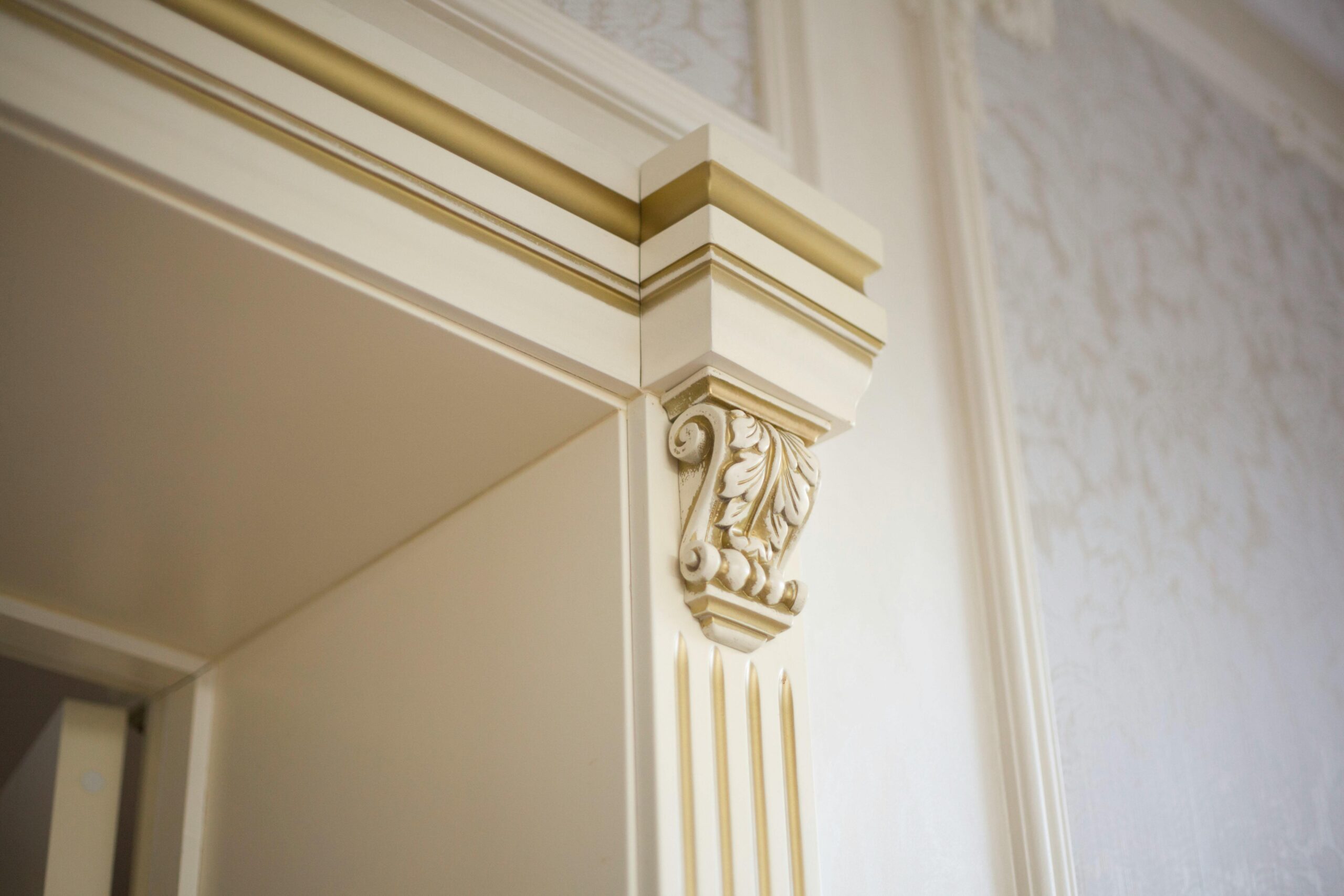
What is millwork? This question often comes up when people plan home renovations, interior design projects, or construction work. Millwork refers to custom-made woodwork that is produced in a mill and used to enhance both the function and appearance of a space.
From doors and window frames to cabinets and decorative moldings, millwork plays a major role in shaping how a home or building looks and feels. This guide explains millwork in simple terms, using practical examples, expert insights, and real-world tips.
What Is Millwork? (Simple Definition)
It is any wood product that is manufactured in a mill and then installed in a building. It includes both structural and decorative elements.
Common Millwork Examples
- Doors and door frames
- Window casings
- Baseboards and crown molding
- Cabinets and shelving
- Wall paneling
- Stair parts (railings, balusters)
Unlike raw lumber, it is finished, shaped, and ready for installation.
Why Millwork Matters in Modern Construction
It is not just about decoration. It improves usability, durability, and overall design quality.
1. Improves Interior Design
It adds clean lines and detail to walls, ceilings, and floors. It helps create a polished look.
2. Increases Property Value
High-quality millwork makes a home look more refined, which can increase resale value.
3. Adds Functionality
Cabinets, shelves, and storage units are all part of millwork that improve daily use.
4. Customization Options
It’s allows you to design according to your space and style needs.
Types of Millwork
Understanding different types helps you choose the right materials for your project.
Architectural
This includes structural elements like doors, window frames, and trims.
Decorative
Focused on design, such as crown molding, wall panels, and trim details.
Custom
Made specifically for a project. It fits unique spaces and design ideas.
Casework vs Millwork
Casework (like cabinets) is sometimes grouped with it, but technically it refers to box-style storage units.
Materials Used in Millwork
The quality of millwork depends on the materials used.
Solid Wood
- Strong and long-lasting
- High-end appearance
- More expensive
MDF (Medium Density Fiberboard)
- Smooth surface
- Budget-friendly
- Best for painted finishes
Plywood
- Strong and stable
- Used for cabinets and shelving
Veneer
- Thin layer of real wood on engineered boards
- Cost-effective alternative to solid wood
Insider Tip: For humid areas like kitchens and bathrooms, use moisture-resistant materials.
Millwork vs Carpentry: Key Difference
Many people confuse millwork with carpentry.
- Millwork: Factory-made products
- Carpentry: On-site construction and installation
Carpenters install it, but they do not always manufacture it.
Where Millwork Is Used
It is used in both residential and commercial spaces.
In Homes
- Kitchen cabinets
- Door frames
- Decorative trims
- Wardrobes
In Offices and Commercial Buildings
- Reception desks
- Wall paneling
- Custom shelving
- Conference room finishes
Benefits of Using it
Consistent Quality
Factory production ensures uniform size and finish.
Time-Saving
Ready-made components reduce construction time.
Better Finish
Machines provide smooth edges and precise cuts.
Design Flexibility
Custom it allows creative designs.
Installation Process
Understanding the process helps avoid mistakes.
Step 1: Measurement
Accurate measurements are critical.
Step 2: Design Planning
Choose style, material, and finish.
Step 3: Manufacturing
It is produced in a factory.
Step 4: Installation
Professionals install and adjust the pieces on-site.
Expert Insight: Poor measurement is the most common reason for installation issues.
Common Mistakes to Avoid
Choosing Cheap Materials
Low-quality materials wear out quickly.
Ignoring Moisture Levels
Wood expands and contracts with humidity.
Poor Installation
Even high-quality millwork fails if installed incorrectly.
Overdesigning
Too many decorative elements can make a space look cluttered.
Insider Tips for Better Millwork Results
- Always check material quality before buying
- Match it style with your interior theme
- Use professional installers for complex work
- Seal wood properly to increase lifespan
- Plan storage needs before designing cabinets
Cost of Millwork
Costs vary based on material, design, and customization.
Average Price Factors
- Material type (solid wood vs MDF)
- Design complexity
- Labor cost
- Project size
Custom it is more expensive but offers better fit and finish.
How to Maintain
Proper maintenance increases lifespan.
Basic Care Tips
- Clean with a soft cloth
- Avoid excess water
- Polish wood surfaces occasionally
- Repair scratches early
Is Millwork Worth It?
Yes, if you want long-term value, better design, and improved functionality. While it may cost more upfront, quality reduces repair and replacement costs over time.
Conclusion
Understanding what is millwork helps you make better decisions in construction and interior design. From cabinets to trims, it shapes both the look and function of a space.
By choosing the right materials, planning carefully, and avoiding common mistakes, you can achieve durable and visually appealing results.