




Blue vs Green Hydrangeas: How to Grow, Care & Change Colors is a practical guide for gardeners who want to understand why hydrangeas change color and how to control it. Hydrangeas are popular for their large blooms and seasonal color shifts, but many people are confused about why some flowers turn blue while others appear green or stay pale.
The answer is not random. Color depends on soil chemistry, plant type, and growing conditions. With the right approach, you can influence these colors and maintain healthy plants at the same time.
This guide explains how hydrangea colors work, how to grow them properly, and how to safely adjust soil conditions for the results you want.
Understanding Hydrangea Colors
Hydrangeas are unique because their flower color can change based on soil conditions.
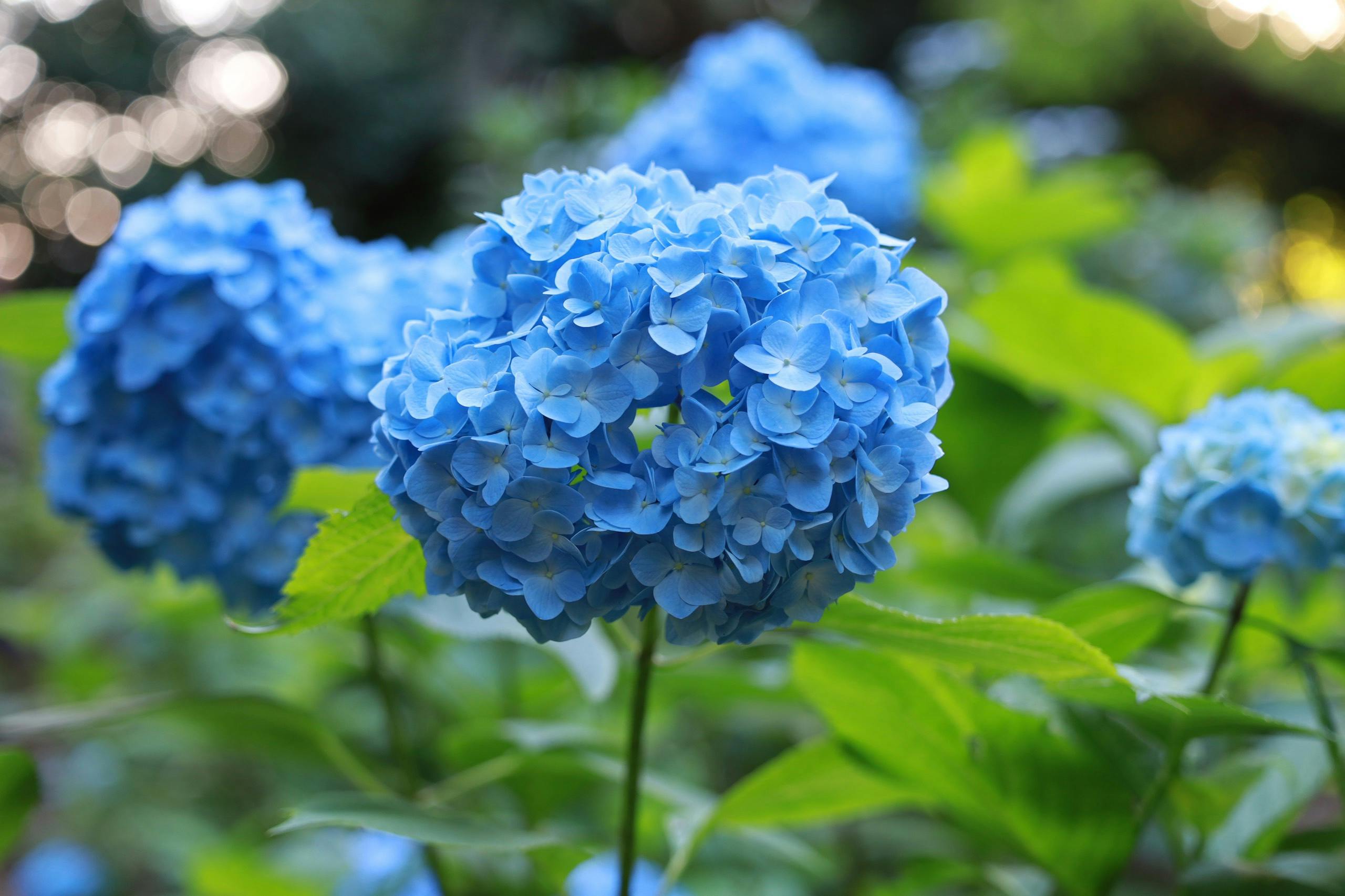
Blue Hydrangeas
Blue flowers appear when soil is acidic.
- Soil pH below 6.0
- Aluminum is available in the soil
Green Hydrangeas
Green tones are different. They usually appear due to:
- Young or aging blooms
- Certain hydrangea varieties
- Environmental stress or nutrient imbalance
Expert Insight: Green hydrangea blooms are often a natural stage in the plant’s life cycle, not a permanent color caused by soil pH.
Types of Hydrangeas That Change Color
Not all hydrangeas respond to soil changes.
Bigleaf Hydrangea (Hydrangea macrophylla)
- Most responsive to pH changes
- Can turn blue, pink, or purple
Mountain Hydrangea
- Similar to bigleaf
- Slightly more cold-tolerant
Hydrangeas That Do Not Change Color
- Panicle hydrangea
- Oakleaf hydrangea
These types may turn green naturally but not because of soil pH.
Why Hydrangeas Turn Blue
Blue color depends on aluminum absorption.
Conditions Required
- Acidic soil (pH 5.0–5.5)
- Available aluminum in soil
- Proper root absorption
If soil lacks aluminum, flowers may not turn blue even if pH is low.
Why Hydrangeas Turn Green
Green is often misunderstood.
Common Reasons
1. Bloom Age
- Young buds start green
- Mature flowers change color
- Old blooms fade to green
2. Heat Stress
High temperatures can dull flower color.
3. Nutrient Imbalance
Low phosphorus or poor soil health affects color intensity.
4. Natural Variety Traits
Some hydrangeas are bred to have green tones.
How to Change Hydrangea Color to Blue
Step 1: Test Soil pH
Use a simple soil test kit.
Step 2: Lower Soil pH
To make soil more acidic:
- Add sulfur
- Use peat moss
- Apply acidic compost
Step 3: Add Aluminum Sulfate
This helps plants absorb aluminum for blue color.
Step 4: Water Consistently
Moist soil improves nutrient absorption.
Insider Tip: Apply changes gradually. Sudden pH shifts can damage roots.
Can You Turn Hydrangeas Green?
You cannot force a stable green color through soil chemistry alone.
Green is usually:
- A natural phase
- A result of aging blooms
However, you can maintain greener tones by:
- Reducing direct sunlight
- Avoiding strong fertilizers
Best Growing Conditions for Healthy Hydrangeas
Sunlight
- Morning sun, afternoon shade
- Avoid harsh midday sun
Soil
- Well-draining soil
- Rich in organic matter
Watering
- Keep soil consistently moist
- Avoid waterlogging
Temperature
- Moderate climates are ideal
Fertilizing Hydrangeas
Balanced Fertilizer
Use a slow-release fertilizer during growing season.
Avoid Excess Nitrogen
Too much nitrogen leads to more leaves and fewer flowers.
Seasonal Feeding
- Spring: start feeding
- Mid-season: light feeding
Pruning Tips
Why Pruning Matters
- Encourages new growth
- Improves flowering
When to Prune
- After blooming season
How to Prune
- Remove dead stems
- Shape plant lightly
Common Problems and Solutions
1. No Color Change
Cause: Wrong plant type Solution: Confirm variety
2. Faded Flowers
Cause: Heat or poor soil Solution: Improve conditions
3. Weak Growth
Cause: Poor nutrients Solution: Add compost
4. Yellow Leaves
Cause: Overwatering Solution: Improve drainage
Seasonal Care Guide
Spring
- Fertilize
- Adjust soil pH
Summer
- Maintain watering
- Protect from heat
Autumn
- Reduce feeding
- Prepare for dormancy
Winter
- Protect roots in cold climates
Landscaping Ideas with Hydrangeas
Garden Borders
Creates soft, colorful edges.
Mixed Flower Beds
Combines well with roses and shrubs.
Container Gardening
Ideal for patios and balconies.
Shade Gardens
Works well in partially shaded areas.
Insider Tips for Best Results
- Always test soil before adjusting pH
- Use organic matter to improve soil health
- Avoid frequent drastic changes
- Observe plant response over time
- Focus on plant health first, color second
Cost and Tools Needed
- Soil test kit: $10–$30
- Aluminum sulfate: $10–$20
- Fertilizer: $10–$25
These are affordable and improve long-term results.
Is It Worth Changing Hydrangea Colors?
Yes, if you want customized garden aesthetics. However, focus on plant health first. Color changes should support growth, not harm it.
Conclusion
Blue vs Green Hydrangeas: How to Grow, Care & Change Colors shows that hydrangea color is controlled by science, not luck. By understanding soil pH, plant type, and environmental factors, you can influence flower color while keeping plants healthy.
The key is balance proper care, gradual changes, and consistent monitoring.