





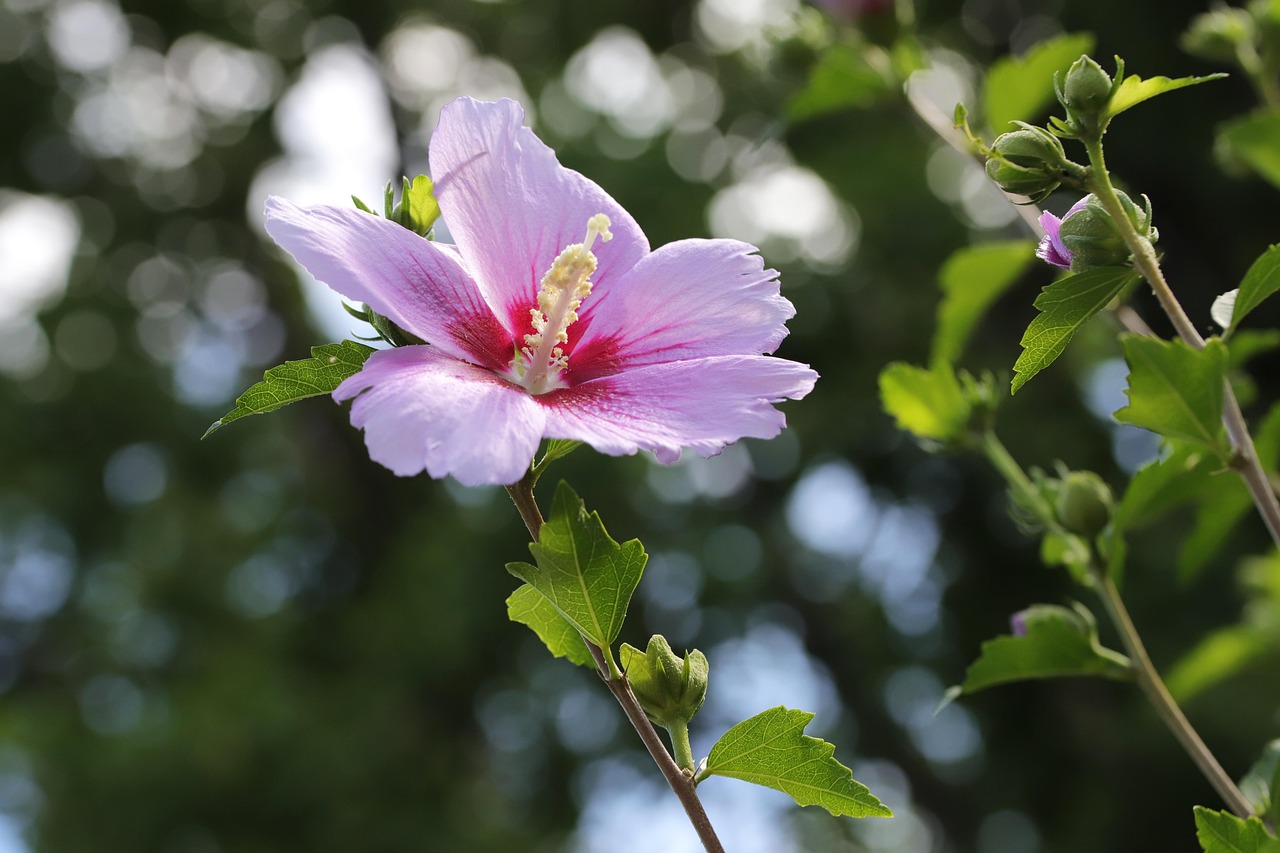
Sugar Tip Rose of Sharon: Blooming Guide & Garden Design Ideas is a practical guide for gardeners who want a reliable flowering shrub that delivers color, structure, and long seasonal interest. The Sugar Tip Rose of Sharon (Hibiscus syriacus ‘Sugar Tip’) is widely valued for its striped foliage, soft pink blooms, and strong performance in warm and temperate gardens.
This guide explains how to grow it, how to keep it blooming longer, and how to use it in real garden designs. The focus is on practical gardening methods based on plant behavior, not theory.
What Is Sugar Tip Rose of Sharon?
Sugar Tip Rose of Sharon is a variegated ornamental shrub in the hibiscus family. It is known for:
- Light pink flowers with a red center
- Green leaves edged with creamy white margins
- Upright, structured growth habit
- Long blooming season in summer
Unlike many shrubs, it combines both flower interest and foliage interest, making it useful even when not in bloom.
Expert Insight: Many gardeners choose Sugar Tip Rose of Sharon because it provides two layers of design value: flowers in summer and variegated foliage all season.
Why Sugar Tip Rose of Sharon Is Popular in Modern Gardens
1. Long Blooming Period
It blooms from mid-summer into early fall when many plants stop flowering.
2. Low Maintenance Growth
Once established, it requires minimal care compared to other flowering shrubs.
3. Strong Landscape Structure
It grows upright, making it ideal for borders and focal points.
4. Pollinator Friendly
It attracts bees and butterflies, supporting garden biodiversity.
Ideal Growing Conditions
Understanding the plant’s natural needs is key to consistent flowering.
Sunlight Requirements
- Full sun is best (6+ hours daily)
- Partial shade is acceptable but reduces blooms
Soil Type
- Well-draining soil
- Loamy or slightly sandy soil preferred
- Avoid heavy clay unless amended
Water Needs
- Moderate watering
- Deep watering is better than frequent shallow watering
Insider Tip: Established plants tolerate short dry periods better than overwatered soil.
How to Plant Sugar Tip Rose of Sharon
1: Choose Location
Select a spot with full sun and enough space for mature growth.
2: Prepare Soil
- Mix compost into soil
- Ensure drainage is adequate
3: Planting Process
- Dig a hole twice the width of root ball
- Place plant at soil level
- Fill and press soil gently
4: Watering After Planting
- Water deeply after planting
- Maintain moisture for first 2–3 weeks
Watering Guide
Newly Planted Shrubs
- Water 2–3 times per week
Established Shrubs
- Water once per week (adjust for climate)
Hot Weather
- Increase watering if leaves droop
Expert Insight: Deep watering encourages stronger root systems compared to surface watering.
Fertilizing for Better Blooms
Best Fertilizer Type
- Balanced slow-release fertilizer (10-10-10)
- Organic compost also works well
Feeding Schedule
- Early spring: first feeding
- Mid-summer: second feeding
Important Warning
Too much nitrogen reduces flowers and increases leaf growth.
Pruning Sugar Tip Rose of Sharon
Why Pruning Matters
- Controls size
- Improves airflow
- Encourages more blooms
When to Prune
- Late winter or early spring
How to Prune
- Remove dead or weak branches
- Shape lightly for structure
- Avoid heavy cutting during growing season
Insider Tip: Light annual pruning produces better flowering than aggressive cutting.
Common Problems and Solutions
1. Few or No Flowers
Cause: Lack of sunlight or overfertilizing Solution: Increase sun exposure and reduce nitrogen
2. Yellow Leaves
Cause: Overwatering or poor drainage Solution: Adjust watering and improve soil
3. Pest Issues
Common pests: aphids, Japanese beetles Solution: Use neem oil or insecticidal soap
4. Weak Growth
Cause: Poor soil or overcrowding Solution: Add compost and space plants properly
Seasonal Care Guide
Spring
- Prune and fertilize
- Prepare for new growth
Summer
- Peak blooming period
- Maintain watering schedule
Autumn
- Reduce fertilizing
- Clean fallen debris
Winter
- Plant goes dormant
- No heavy maintenance needed
Landscaping Ideas with Sugar Tip Rose of Sharon
1. Garden Borders
Use as a structured hedge along fences or walkways.
2. Focal Point Planting
Place a single shrub as a centerpiece in garden beds.
3. Mixed Shrub Gardens
Combine with hydrangeas, spirea, or ornamental grasses.
4. Privacy Screening
Plant in rows to create natural privacy walls.
Companion Plants
Good companions include:
- Lavender
- Coneflowers
- Daylilies
- Ornamental grasses
These plants complement both color and height.
Benefits of Sugar Tip Rose of Sharon
- Long flowering season
- Attractive foliage even when not blooming
- Low maintenance once established
- Supports pollinators
- Works in multiple landscape styles
Common Mistakes to Avoid
- Planting in full shade
- Overwatering young plants
- Skipping pruning for several years
- Using high-nitrogen fertilizer
- Overcrowding with other shrubs
Propagation Methods
Softwood Cuttings
- Take cuttings in early summer
- Root in moist soil or water
Layering
- Bend low branch into soil
- Allow roots to form naturally
Insider Tip: Softwood cuttings are faster and more reliable than seed propagation.
Design Tips for Better Garden Impact
- Use odd-number planting groups (3 or 5 plants)
- Combine with contrasting leaf textures
- Place near walkways for visibility
- Maintain clean spacing for airflow
Is Sugar Tip Rose of Sharon Worth Growing?
Yes. It offers strong seasonal blooms, attractive foliage, and low maintenance needs. It is especially valuable for gardeners who want structure and color without constant care.
Conclusion
Sugar Tip Rose of Sharon: Blooming Guide & Garden Design Ideas shows that this shrub is both practical and decorative. With the right sunlight, soil, and simple maintenance, it can provide long-lasting beauty in almost any garden.
The key to success is consistency proper planting, light pruning, and balanced care.