

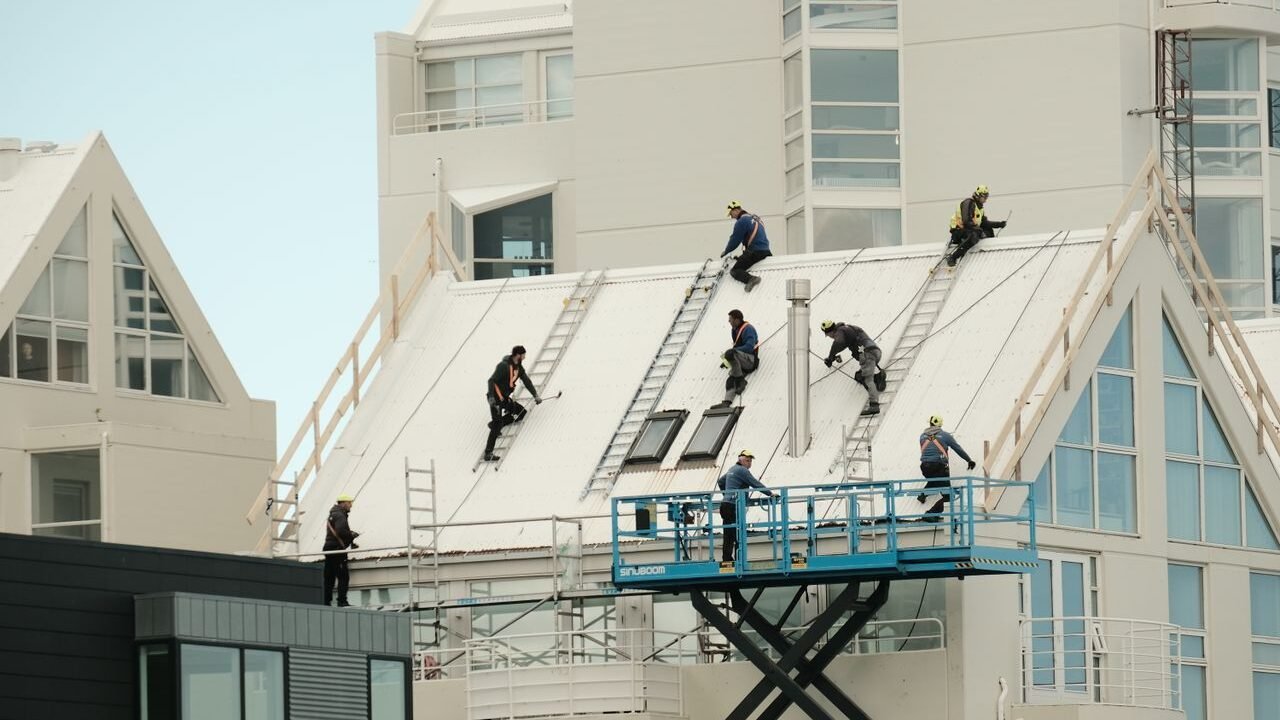

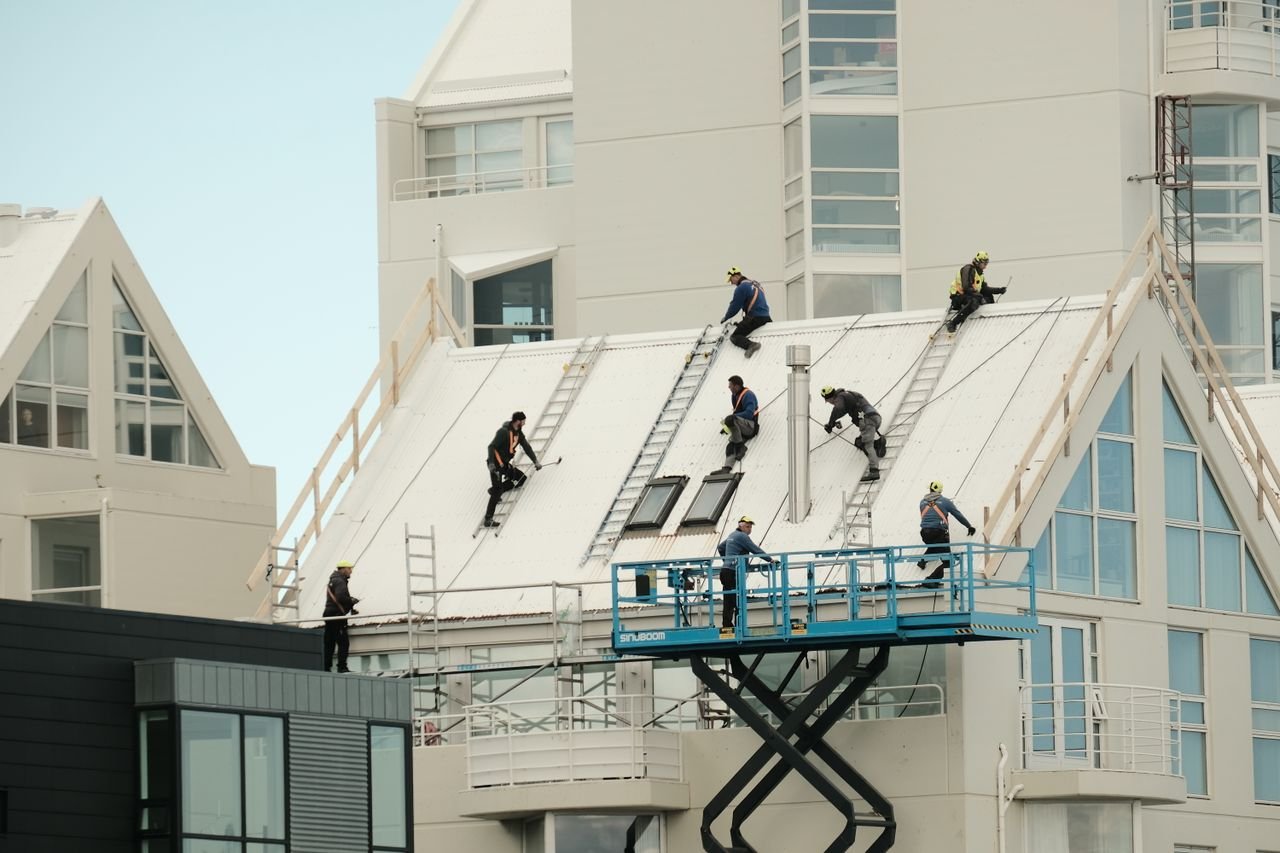
I have walked more metal roofs than I can count—standing-seam systems that look brand new after twenty years and exposed-fastener roofs that started leaking because a few rubber washers gave out. Metal roofs are remarkably durable, but they are not maintenance-free. When problems appear, catching them early keeps repairs modest. Ignoring them turns a $400 fix into a much larger bill. This guide covers the issues I see most often, realistic cost ranges, and practical solutions that actually last.
Table of Contents
- Why Metal Roofs Still Need Attention
- Most Common Problems and What Causes Them
- Typical Repair Costs in 2026
- Step-by-Step Solutions for Frequent Issues
- When to Repair vs. When to Replace or Restore
- DIY vs. Professional Work
- Prevention and Maintenance Tips
- Frequently Asked Questions
- Final Thoughts
Why Metal Roofs Still Need Attention
Metal roofs expand and contract with temperature changes. Fasteners work loose, sealants dry out, and coatings eventually thin. Hail, wind, falling branches, and coastal salt air accelerate wear. Even a high-quality system benefits from periodic inspection. Most leaks begin at fasteners, seams, penetrations, or flashings rather than in the middle of an undamaged panel.
Most Common Problems and What Causes Them
Loose or failed fasteners
This is the single most frequent cause of leaks on exposed-fastener roofs. The rubber (EPDM) washers degrade from UV exposure and thermal cycling. Screws back out slightly as the metal moves. Water follows the screw hole into the roof deck.
Failed seam or lap sealant
Panels overlap and rely on sealant or butyl tape. Over 10–15 years the sealant becomes brittle. Wind-driven rain then finds the gap.
Flashing failures
Chimneys, vents, skylights, valleys, and wall transitions depend on properly integrated flashing. Sealant dries, metal corrodes, or the original installation was imperfect.
Rust and corrosion
Usually starts at cut edges, scratches, or areas where the protective coating has worn away. Coastal and industrial environments see it sooner.
Oil canning
Visible waviness in the flat areas of panels. It is almost always cosmetic and does not affect weather performance, though severe cases can sometimes be reduced by adjusting fasteners or adding stiffeners.
Impact damage and punctures
Hail, fallen limbs, or foot traffic can dent or pierce panels.
Pipe boots and penetration seals
Rubber boots around plumbing vents crack and split with age—another very common leak source.
Typical Repair Costs in 2026
Most residential metal roof repairs fall between $300 and $1,500. National averages often land around $900–$2,000 depending on scope and location.
| Repair Type | Typical Cost Range |
|---|---|
| Fastener / screw replacement | $150 – $1,000 |
| Minor leak sealing | $200 – $1,000 |
| Seam resealing | $250 – $1,100 |
| Flashing repair/replacement | $300 – $1,200+ |
| Panel patch or single panel | $3 – $14 per sq ft |
| Rust treatment & coating | $300 – $3,000 |
| Full panel section work | Higher, case-by-case |
Emergency or after-hours work and difficult access (steep pitch, multi-story, limited staging) increase costs. Full replacement runs far higher—often $8–$25+ per square foot installed—so targeted repairs almost always make economic sense when the overall system is still sound.
Step-by-Step Solutions for Frequent Issues
Fastener problems
Remove the failed screw. If the hole is enlarged, use a slightly larger diameter or longer screw with a fresh EPDM washer, or install a backing plate. Drive the new fastener snug but not so tight that the washer is crushed. Replace all visibly degraded washers in the same area while you are up there.
Seam and lap leaks
Clean the joint thoroughly. Remove old sealant. Apply a compatible butyl tape or high-quality metal-roof sealant. For extra durability, some crews add a fabric-reinforced coating strip over the joint.
Flashing repairs
Clean, prime if needed, and reseal. When the metal itself is corroded or bent, the section must be replaced and properly lapped so water sheds over, never under, the adjacent material.
Small punctures or rust spots
Clean to bare metal, treat rust, apply a metal patch with compatible sealant or butyl, and coat the repair to match the surrounding finish as closely as possible.
Pipe boots
Replace the entire boot with a new flexible flashing boot sized for the pipe. Seal the top and base carefully.
Always work with materials rated for metal roofing and compatible with the existing coating system. Incompatible sealants are a frequent cause of early re-failure.
When to Repair vs. When to Replace or Restore
Repair is the clear choice for isolated fastener, seam, flashing, or minor corrosion issues when the majority of the panels and substrate remain sound.
Restoration (cleaning, rust treatment, full seam sealing, and a high-performance coating) makes sense when the roof is aging but structurally intact and you want another 10–15 years of service.
Full replacement becomes the better long-term decision when corrosion is widespread (roughly 30 % or more of the surface), panels are distorted, or the underlying deck is compromised. An experienced metal-roof contractor can help evaluate remaining service life honestly.
DIY vs. Professional Work
Minor, accessible work—replacing a few fasteners, sealing a visible seam on a low-slope roof, or treating a small rust spot—can be handled by a careful homeowner with proper safety gear and the right materials.
Anything involving panel replacement, standing-seam systems, complex flashing, steep slopes, or work that could affect a manufacturer’s warranty should be left to professionals. Fall risk is real, and improper materials or techniques often create new leak paths.
Prevention and Maintenance Tips
Inspect the roof at least once a year and after major storms. Look for backed-out screws, cracked washers, dried sealant, and debris in valleys or gutters. Keep gutters clear so water does not back up under panels. Trim overhanging branches. Address small issues promptly—most expensive metal-roof failures began as inexpensive ones that were ignored.
Frequently Asked Questions
How long do metal roof repairs last?
A properly executed fastener or sealant repair can last many years. Matching materials and technique to the original system is the key.
Is oil canning a problem that needs fixing?
Usually no. It is cosmetic. Only severe cases that affect water shedding or panel integrity require attention.
Can I walk on my metal roof?
Yes, but carefully and preferably on the structural supports or with proper load distribution. Avoid walking on the middle of wide flat pans when possible.
Will a repair void my warranty?
Using non-approved materials or improper methods can. Professional work that follows manufacturer guidelines generally preserves coverage.
How do I find the source of a leak?
Water can travel. Look for the highest point of staining or dampness inside, then inspect the corresponding exterior area, focusing first on fasteners, seams, and penetrations.
Final Thoughts
Metal roofs earn their reputation for longevity, but they still require occasional attention. Most problems are localized and relatively inexpensive when caught early. Focus on fasteners, seams, flashings, and penetrations—the places where the system is most vulnerable. Choose compatible materials, prioritize safety, and bring in experienced help for anything beyond simple, accessible work. Done correctly, a repair restores weather-tightness and preserves the long service life that made metal attractive in the first place.
Author Bio
Thomas Hale is a roofing contractor and consultant specializing in metal roofing systems. With more than twenty years of hands-on experience installing, inspecting, and repairing residential and light-commercial metal roofs, he focuses on practical diagnostics and durable, cost-effective solutions. His goal is to help property owners understand what their roof actually needs so they can avoid both unnecessary replacement and delayed repairs that become far more expensive.