




Cup Fungus in Garden: What It Is and How to Get Rid of It is an essential guide for gardeners who notice small cup-shaped fungi growing in soil, mulch, or plant beds. Cup fungus may look harmless at first, but its appearance often signals excess moisture, decaying organic matter, or poor garden hygiene conditions.
While most cup fungi are not dangerous to plants or humans, they indicate that the garden environment is overly damp or rich in decomposing material. If ignored, they can spread quickly and create an unbalanced soil ecosystem that may affect plant health indirectly.
This guide explains what cup fungus is, why it grows in gardens, whether it is harmful, and step-by-step methods to remove and prevent it effectively. It also includes expert insights and practical tips used in professional garden maintenance.
What Is Cup Fungus?
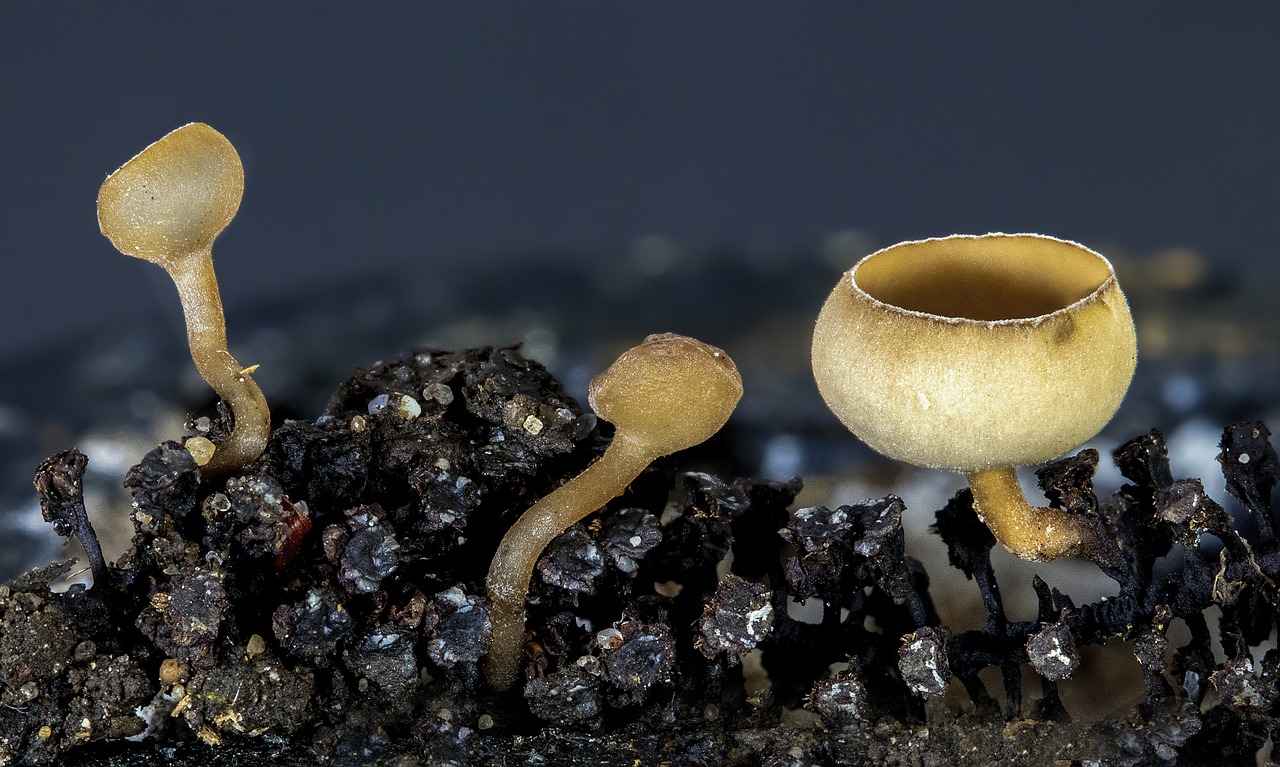
Cup fungus refers to a group of fungi that produce small, cup-shaped fruiting bodies. These fungi belong to different genera, often appearing in moist soil, wood mulch, compost, or decaying plant matter.
Common Characteristics
- Cup or bowl-shaped structure
- Color ranges from brown, yellow, orange, or reddish tones
- Appears in clusters or scattered patches
- Grows in damp and shaded areas
Expert Insight: Cup fungi are saprophytic organisms, meaning they feed on decaying organic material rather than living plants.
Why Cup Fungus Grows in Gardens
Cup fungus does not appear randomly. It grows under specific environmental conditions.
1. Excess Moisture
Overwatering or poor drainage creates ideal fungal conditions.
2. Decaying Organic Matter
Mulch, dead roots, and decomposing leaves provide food sources.
3. Poor Air Circulation
Shaded, enclosed garden areas retain humidity.
4. Rich Soil Compost
High organic content increases fungal activity.
5. Seasonal Conditions
Cool, wet seasons encourage rapid fungal growth.
Is Cup Fungus Harmful?
In most cases, cup fungus is not harmful to plants, pets, or humans. However, it can indicate underlying garden issues.
What It Means for Your Garden
- Soil is too moist
- Organic matter is decomposing excessively
- Drainage may be poor
Important Note: Some wild fungi can be toxic if ingested, so avoid direct contact or consumption.
Types of Cup Fungus Commonly Found in Gardens
1. Orange Peel Fungus (Aleuria aurantia)
Bright orange cup fungus often found in soil.
2. Brown Cup Fungus (Peziza species)
Common in mulch and compost piles.
3. Yellow Cup Fungus
Appears in damp lawns and shaded areas.
How Cup Fungus Spreads
Cup fungi spread through spores released into the air.
Spore Distribution Process
- Mature fungus releases spores
- Wind carries spores to new locations
- Spores germinate in moist environments
How to Identify Cup Fungus in Your Garden
Visual Signs
- Small cup-shaped structures
- Moist or slimy texture
- Clusters in mulch or soil
Environmental Signs
- Damp soil
- Rotting organic matter
- Shaded garden areas
Step-by-Step Guide to Remove Cup Fungus
1: Manual Removal
- Wear gloves
- Remove visible fungi from soil
- Dispose in sealed bag
2: Reduce Moisture Levels
- Water less frequently
- Improve drainage
3: Remove Decaying Material
- Clear dead leaves
- Replace old mulch
4: Improve Air Circulation
- Trim overgrown plants
- Increase sunlight exposure
5: Replace Contaminated Soil (if needed)
- In severe cases, remove topsoil layer
Natural Methods to Control Cup Fungus
1. Sunlight Exposure
Sunlight dries out fungal growth conditions.
2. Vinegar Solution (Mild Use)
Can be applied carefully to affected areas.
3. Reduce Organic Overload
Balance compost and mulch levels.
Expert Insight: Chemical fungicides are rarely necessary for cup fungus and may harm beneficial soil organisms.
Preventing Cup Fungus Growth
Proper Watering Practices
Avoid overwatering plants.
Soil Drainage Improvement
Add sand or organic amendments for better drainage.
Mulch Management
Replace old mulch regularly.
Garden Cleaning Routine
Remove dead plant matter consistently.
Cup Fungus vs Other Garden Fungi
Cup Fungus
- Saprophytic
- Harmless indicator species
Mold Fungi
- May affect plant health
- Often white or gray
Mushroom Fungi
- Larger fruiting bodies
- Some edible, some toxic
Common Mistakes When Dealing With Cup Fungus
Using Too Much Fungicide
Can disrupt soil ecosystem.
Ignoring Drainage Problems
Fungus will return repeatedly.
Leaving Mulch Unchanged for Years
Encourages fungal growth.
When to Be Concerned
Cup fungus is usually harmless, but take action if:
- It spreads rapidly
- Plants show root rot
- Soil remains constantly wet
Expert Garden Maintenance Tips
- Rotate mulch types annually
- Monitor soil moisture regularly
- Use raised beds for better drainage
- Avoid over-fertilizing organic soil
- Keep garden tools clean
Environmental Role of Cup Fungus
Cup fungi help decompose organic matter and recycle nutrients into the soil.
Benefits
- Break down dead plant material
- Improve soil nutrient cycle
- Support microbial ecosystem balance
Should You Remove Cup Fungus Completely?
Not always. If your garden ecosystem is healthy, occasional cup fungus is normal and even beneficial. Removal is only necessary when growth becomes excessive or indicates poor drainage.
Conclusion
Cup Fungus in Garden: What It Is and How to Get Rid of It shows that cup fungus is usually a sign of environmental imbalance rather than a direct threat. While it does not typically harm plants, it signals excess moisture and organic buildup.
By improving drainage, managing mulch, and maintaining proper garden hygiene, you can control and prevent cup fungus effectively while maintaining a healthy soil ecosystem.