




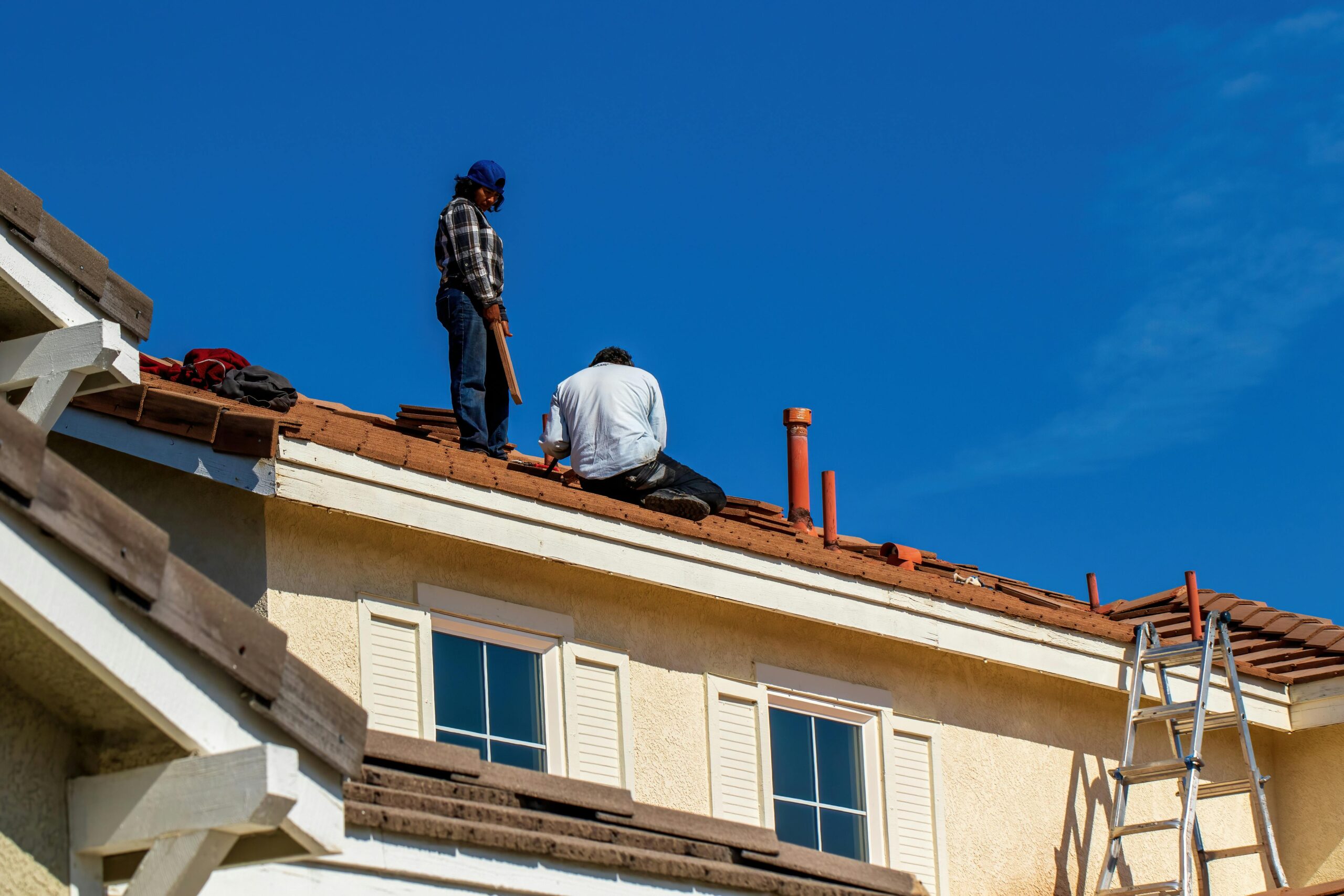
Rainy Season Roof Maintenance: Protect Your Home from Leaks and Water Damage is essential for every homeowner who wants to avoid costly repairs, structural damage, and indoor moisture problems during heavy rainfall. Roofs are the first line of defense against weather, and during the rainy season, even small issues can quickly turn into serious leaks.
Most roof problems do not start suddenly. They begin as minor cracks, loose shingles, blocked drainage paths, or worn-out waterproofing layers. When rain arrives, these weak points allow water to enter and spread damage inside ceilings, walls, and insulation.
This guide explains how roof systems fail during rainy seasons, how to inspect your roof properly, maintenance steps that actually work, and expert-level strategies used by professionals to prevent water damage before it starts.
Why Roof Maintenance Is Critical During Rainy Season
Rainy season creates constant exposure to water, humidity, and wind pressure. These conditions test the strength of every roofing material.
Main Risks During Heavy Rain
- Water leakage into ceilings
- Mold and mildew growth
- Structural wood rot
- Electrical damage from moisture
- Weakening of roof joints
Expert Insight: Most roof leaks do not come from the center of the roof but from edges, joints, and drainage points where water accumulates.
Common Causes of Roof Leaks
Understanding the root causes helps prevent damage early.
1. Damaged or Missing Shingles
Shingles act as a protective layer. When they crack or fall off, water enters directly.
2. Blocked Gutters and Drains
Leaves, dust, and debris block water flow, causing overflow and seepage.
3. Cracked Roof Flashing
Flashing seals joints around chimneys, vents, and skylights. Damage leads to hidden leaks.
4. Poor Waterproofing Layer
Old or low-quality waterproof coatings lose effectiveness over time.
5. Roof Age and Wear
Older roofs naturally develop weak spots and material fatigue.
How to Inspect Your Roof Before Rainy Season
A proper inspection can prevent major problems.
1: Visual Exterior Check
- Look for missing shingles
- Check for cracks or sagging areas
2: Gutter Inspection
- Ensure smooth water flow
- Remove debris and leaves
3: Interior Ceiling Check
- Look for water stains
- Check for peeling paint
4: Attic Inspection
- Look for damp insulation
- Check for mold growth
Insider Tip: Use a flashlight during attic inspection to spot early moisture signs that are not visible from below.
Essential Roof Maintenance Steps
1. Clean the Roof Surface
Remove leaves, dirt, and debris regularly.
2. Repair Damaged Shingles
Replace broken or missing shingles immediately.
3. Seal Cracks and Gaps
Use waterproof sealants for small cracks.
4. Maintain Gutters
Clean gutters at least twice before rainy season.
5. Apply Waterproof Coating
Add protective layers to increase resistance.
Roof Waterproofing Methods
Liquid Waterproofing
- Easy application
- Suitable for flat roofs
Membrane Waterproofing
- Strong protection layer
- Used for long-term durability
Bitumen Coating
- Common in residential roofs
- Good water resistance
Sheet Membranes
- High durability
- Used in commercial buildings
Expert Insight: Combining waterproof coatings with proper drainage systems gives the best long-term protection.
How Gutters Protect Your Roof
Gutters control rainwater flow and prevent roof overflow.
Importance of Gutters
- Direct water away from structure
- Prevent foundation damage
- Reduce roof load pressure
Signs Your Roof Needs Immediate Repair
- Water dripping inside house
- Dark ceiling stains
- Mold smell indoors
- Visible sagging roof areas
Preventive Maintenance Schedule
Before Rainy Season
- Full roof inspection
- Gutter cleaning
- Waterproof coating check
During Rainy Season
- Monitor leaks
- Remove debris after storms
After Rainy Season
- Structural inspection
- Repair damage early
Common Roof Maintenance Mistakes
Ignoring Small Leaks
Small leaks grow into major structural damage.
Delaying Repairs
Postponing fixes increases repair costs.
Using Low-Quality Materials
Cheap sealants fail quickly in heavy rain.
Poor Drainage Design
Water pooling leads to long-term damage.
DIY vs Professional Roof Maintenance
DIY Maintenance
- Cleaning gutters
- Visual inspections
- Minor sealing
Professional Maintenance
- Structural repair
- Waterproofing systems
- Leak detection tools
Insider Tip: Hire professionals for annual inspections even if no visible damage is present.
Roof Maintenance for Different Roof Types
Flat Roofs
- Require strong drainage
- Need frequent waterproofing checks
Sloped Roofs
- Better water flow
- Shingle maintenance important
Metal Roofs
- Check for rust
- Tighten loose screws
Cost of Roof Maintenance
- Basic cleaning: low cost
- Minor repairs: moderate cost
- Full waterproofing: higher investment
Preventive care always costs less than repair.
Expert Tips for Rainy Season Roof Protection
- Inspect roof twice a year
- Keep trees trimmed near roof
- Install gutter guards
- Use high-quality waterproof materials
- Fix issues immediately, not later
Benefits of Regular Roof Maintenance
- Longer roof lifespan
- Reduced repair costs
- Better indoor comfort
- Protection against mold
- Higher property value
Conclusion
Rainy Season Roof Maintenance: Protect Your Home from Leaks and Water Damage is not optional it is a necessary part of home care. A well-maintained roof protects your entire home structure from moisture, mold, and costly damage.
With regular inspection, timely repairs, and proper waterproofing, homeowners can avoid most rainy season problems before they begin.