





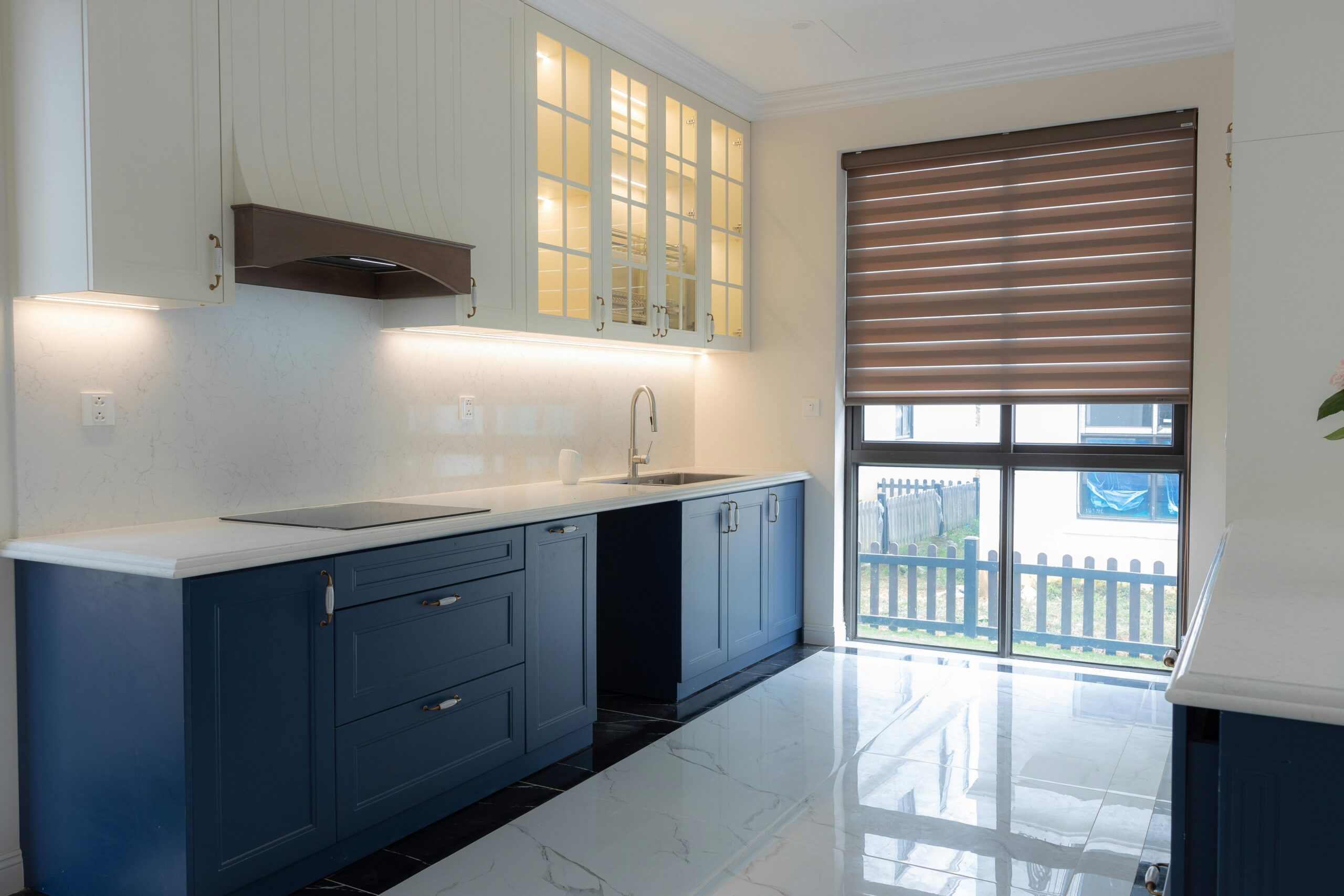
Micro Shaker Kitchen Cabinets: Compact Style for Small Modern Kitchens is a practical and design-focused guide for homeowners, apartment dwellers, and interior designers who want to maximize small kitchen spaces without losing style or storage efficiency. Micro shaker cabinets combine the classic shaker door design with compact proportions tailored specifically for modern small kitchens.
Unlike bulky traditional cabinetry, micro shaker cabinets are built to create visual order, improve storage efficiency, and maintain a clean architectural look in tight spaces. They are especially popular in urban apartments, studio homes, and compact modular kitchens where every inch matters.
This guide explains what micro shaker cabinets are, why they are trending, how they improve small kitchen functionality, and how to choose, design, and install them correctly. It also includes expert insights and practical tips used by kitchen designers.
What Are Micro Shaker Kitchen Cabinets?
Micro shaker kitchen cabinets are a scaled-down version of traditional shaker cabinets. They retain the signature five-piece door style with a recessed center panel but are optimized for compact kitchens.
Key Characteristics
- Slimmer frame width
- Lightweight proportions
- Minimal hardware design
- Clean, flat recessed panels
- Designed for space efficiency
Expert Insight: Micro shaker cabinets are not just smaller cabinets. They are redesigned storage systems that prioritize proportion, accessibility, and visual balance in compact kitchens.
Why Micro Shaker Cabinets Are Perfect for Small Kitchens
Small kitchens require smart design decisions. Micro shaker cabinets solve multiple problems at once.
1. Visual Space Expansion
Slim frames create an illusion of larger kitchen space.
2. Better Storage Efficiency
Optimized internal layouts maximize storage capacity.
3. Clean Aesthetic Appeal
Simple lines reduce visual clutter.
4. Flexibility in Design
Works with modern, minimalist, and transitional interiors.
Design Features of Micro Shaker Cabinets
1. Slim Door Frames
Frames are thinner than standard shaker cabinets, making them visually lighter.
2. Recessed Center Panels
The recessed panel creates depth without bulk.
3. Matte or Satin Finishes
Common finishes include:
- Matte white
- Soft gray
- Natural wood tones
4. Minimal Hardware
Handles are often slim bar pulls or hidden grips.
5. Modular Construction
Designed for easy customization in small kitchen layouts.
Insider Tip: Handleless micro shaker designs are ideal for ultra-small kitchens as they eliminate visual interruptions.
Benefits of Micro Shaker Kitchen Cabinets
1. Space Optimization
Designed specifically for compact layouts.
2. Modern Aesthetic
Blends traditional shaker style with modern minimalism.
3. Easy Maintenance
Simple surfaces reduce dust and grease buildup.
4. Versatile Styling
Works with multiple countertop and backsplash materials.
5. Long-Term Durability
Strong frame construction ensures stability.
Best Materials for Micro Shaker Cabinets
Solid Wood
- Premium quality
- Long lifespan
- Higher cost
MDF (Medium Density Fiberboard)
- Budget-friendly
- Smooth finish
- Common in modern kitchens
Plywood
- Strong and moisture-resistant
- Balanced cost and durability
Laminated Finishes
- Easy maintenance
- Variety of styles
Ideal Color Choices for Small Kitchens
Light Colors
- White
- Cream
- Light gray
These improve brightness and space perception.
Dark Colors
- Navy blue
- Charcoal
Used for contrast in modern designs.
Natural Wood Finishes
- Oak
- Walnut
Adds warmth and texture.
Expert Insight: Light colors reflect more light, making micro shaker cabinets especially effective in kitchens with limited natural light.
Layout Ideas for Micro Shaker Kitchens
1. L-Shaped Layout
- Efficient corner usage
- Ideal for small apartments
2. Galley Kitchen Layout
- Parallel cabinets
- High efficiency workflow
3. One-Wall Kitchen
- Maximum space saving
- Clean minimalist look
4. U-Shaped Compact Kitchen
- More storage
- Suitable for slightly larger small kitchens
Storage Optimization Tips
Use Vertical Space
Install tall cabinets up to ceiling height.
Add Pull-Out Drawers
Improves accessibility in deep cabinets.
Corner Solutions
Use rotating or pull-out corner systems.
Hidden Storage
Toe-kick drawers and built-in organizers.
Installation Guide for Micro Shaker Cabinets
Step 1: Accurate Measurement
Measure wall length, height, and appliance gaps.
Step 2: Layout Planning
Position sink, stove, and refrigerator efficiently.
Step 3: Wall Preparation
Ensure walls are level and dry.
Step 4: Base Cabinet Installation
Install lower units first for stability.
Step 5: Upper Cabinets
Align carefully with lower units.
Step 6: Finishing and Alignment
Check doors, handles, and spacing.
Common Mistakes in Small Kitchen Cabinet Design
Overcrowding Cabinets
Too many cabinets reduce usable space.
Ignoring Workflow Triangle
Poor placement of sink, stove, and fridge.
Wrong Color Choice
Dark tones in very small kitchens reduce brightness.
Poor Lighting Integration
Cabinets should work with lighting, not block it.
Micro Shaker Cabinets vs Traditional Shaker Cabinets
Micro Shaker
- Slim design
- Space-efficient
- Modern appearance
Traditional Shaker
- Wider frames
- Heavier visual presence
- Classic aesthetic
Maintenance Tips
Daily Cleaning
- Wipe with soft cloth
Deep Cleaning
- Use mild detergent
Avoid Harsh Chemicals
- Protect finish and coating
Cost Considerations
Budget Range
- MDF micro shake cabinets
Mid Range
- Plywood with laminated finish
Premium Range
- Solid wood custom designs
Insider Design Tips
- Use under-cabinet lighting for depth
- Combine open shelves with closed cabinets
- Keep handles consistent across all units
- Use reflective backsplash to enhance space
- Choose slim appliances to match cabinet scale
Are Micro Shaker Cabinets Worth It?
Yes, especially for small modern kitchens. They offer a balance of style, efficiency, and practicality while improving visual space and storage performance.
Conclusion
Micro Shaker Kitchen Cabinets: Compact Style for Small Modern Kitchens demonstrates how smart cabinetry design can transform small kitchens into highly functional and visually appealing spaces. By combining slim proportions with classic shaker aesthetics, these cabinets solve both storage and design challenges.
When planned correctly, they enhance usability, improve organization, and elevate the overall kitchen experience without overwhelming limited space.