




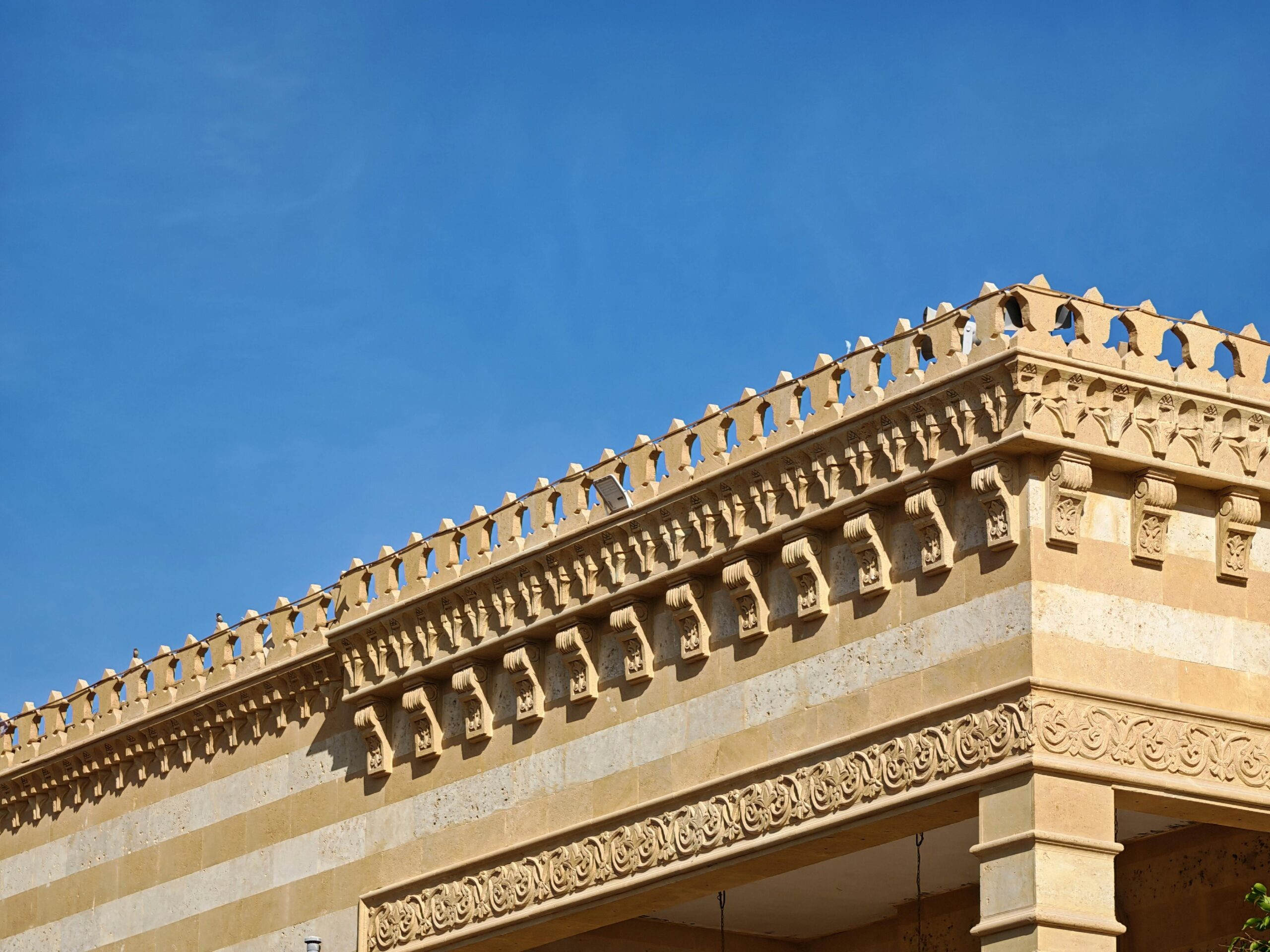
Exterior Sandstone Guide: Benefits, Uses, and Installation Tips is a practical, expert-level resource for homeowners, builders, and designers who want to use sandstone in outdoor spaces. Sandstone is one of the most widely used natural stones for exterior architecture because it offers a balance of durability, natural beauty, and design flexibility.
However, sandstone is not a simple material. Its performance depends on correct selection, proper installation, sealing, and maintenance. If handled poorly, it can weather faster, absorb moisture, or lose its natural color over time.
This guide explains everything in clear, practical terms. You will learn what sandstone is, why it is used outdoors, where it performs best, how to install it correctly, and how to maintain it for long-term durability.
What Is Exterior Sandstone?
Sandstone is a sedimentary rock formed from compressed sand particles over millions of years. It is naturally porous, meaning it can absorb water and respond to weather conditions.
Key Characteristics
- Natural grainy texture
- Warm earth-tone colors
- Medium hardness
- Porous structure
Expert Insight: Sandstone is valued not only for strength but for its natural, timeless appearance that blends well with outdoor environments.
Why Exterior Sandstone Is So Popular
Exterior sandstone is widely used in landscaping and architecture due to its visual appeal and versatility.
Main Reasons for Popularity
- Natural aesthetic appeal
- Wide range of colors
- Easy to cut and shape
- Suitable for both modern and traditional designs
Benefits of Using Exterior Sandstone
1. Natural Beauty
Sandstone offers warm, earthy tones that enhance outdoor spaces.
2. Design Flexibility
It can be used for walls, patios, pathways, and facades.
3. Slip Resistance
Textured sandstone surfaces provide good grip in wet conditions.
4. Thermal Comfort
It stays cooler under sunlight compared to artificial materials.
5. Long-Term Value
Properly installed sandstone can last for decades.
Insider Tip: Choose lighter sandstone shades in hot climates to reduce heat absorption.
Common Uses of Exterior Sandstone
1. Outdoor Flooring
- Patios
- Courtyards
- Garden walkways
2. Wall Cladding
- Boundary walls
- Facade coverings
3. Landscaping Features
- Garden edging
- Decorative stone beds
4. Steps and Staircases
- Outdoor stair treads
- Entrance steps
5. Pool Surrounds
- Non-slip surfaces around pools
Types of Exterior Sandstone
1. Natural Split Sandstone
- Rough texture
- Best for rustic designs
2. Honed Sandstone
- Smooth surface
- Modern appearance
3. Sandblasted Sandstone
- Slightly textured
- Balanced grip and style
4. Tumbled Sandstone
- Aged look
- Soft edges
Choosing the Right Sandstone for Exterior Use
Climate
- Rainy areas need dense sandstone
- Hot areas need light-colored stone
Usage
- High traffic areas need harder stone
Finish
- Smooth for modern spaces
- Rough for natural landscapes
Expert Insight: Always test sandstone samples outdoors before final selection to see how they react to light and moisture.
Installation Guide for Exterior Sandstone
1: Surface Preparation
- Clean and level the base
- Ensure proper drainage
2: Base Layer Setup
- Use compacted gravel or concrete base
3: Dry Layout Planning
- Arrange stones before fixing
- Check spacing and alignment
4: Applying Adhesive or Mortar
- Use exterior-grade mortar
- Apply evenly under each stone
5: Placement and Leveling
- Press stones firmly
- Maintain consistent level
6: Joint Filling
- Use sand or grout
- Fill gaps carefully
7: Cleaning Surface
- Remove excess mortar immediately
Common Installation Mistakes
Poor Drainage Planning
Leads to water damage and moss growth.
Incorrect Mortar Use
Weak bonding reduces durability.
Uneven Base Layer
Causes cracking over time.
Ignoring Expansion Gaps
Stone may shift or crack under pressure.
Maintenance Tips for Exterior Sandstone
Regular Cleaning
- Use mild detergent and water
- Avoid harsh acids
Sealing the Surface
- Apply sealant every 1–2 years
Preventing Moss Growth
- Ensure sunlight exposure
- Keep surface dry when possible
Seasonal Inspection
- Check for cracks or loose stones
Weather Resistance of Sandstone
Rain
Can cause absorption if unsealed
Sun
May fade colors slightly over time
Frost
Freeze-thaw cycles can damage porous stone
Insider Tip: Always choose frost-resistant sandstone for colder regions.
Sandstone vs Other Exterior Materials
Granite
- Sandstone: softer, more decorative
- Granite: harder, more durable
Concrete
- Sandstone: natural appearance
- Concrete: cheaper but less aesthetic
Limestone
- Sandstone: better texture variety
- Limestone: smoother but more delicate
Design Ideas Using Exterior Sandstone
Modern Minimalist Gardens
Use uniform sandstone slabs with clean lines.
Rustic Outdoor Spaces
Combine irregular sandstone pieces with greenery.
Luxury Entrances
Use polished sandstone for elegant pathways.
Cost of Exterior Sandstone Projects
Material Cost
- Basic sandstone: affordable range
- Premium sandstone: higher cost
Installation Cost
Depends on labor and surface preparation
Maintenance Cost
Low to moderate with sealing included
Sustainability of Sandstone
Sandstone is a natural and eco-friendly material.
Environmental Benefits
- Low processing energy
- Long lifespan reduces waste
- Natural sourcing
Expert-Level Tips for Better Results
- Always install with proper slope for drainage
- Use matching grout color for seamless look
- Combine sandstone with greenery for natural effect
- Avoid chemical cleaners
- Seal before first rain exposure
Is Exterior Sandstone Worth It?
Yes, if you want a natural, long-lasting, and visually appealing outdoor material. It requires proper installation and maintenance, but the aesthetic value is high.
Conclusion
Exterior Sandstone Guide: Benefits, Uses, and Installation Tips shows that sandstone is a reliable and beautiful choice for outdoor design when handled correctly. Its success depends on proper selection, correct installation, and ongoing maintenance.
When used thoughtfully, sandstone enhances outdoor environments with natural elegance and long-term durability.