

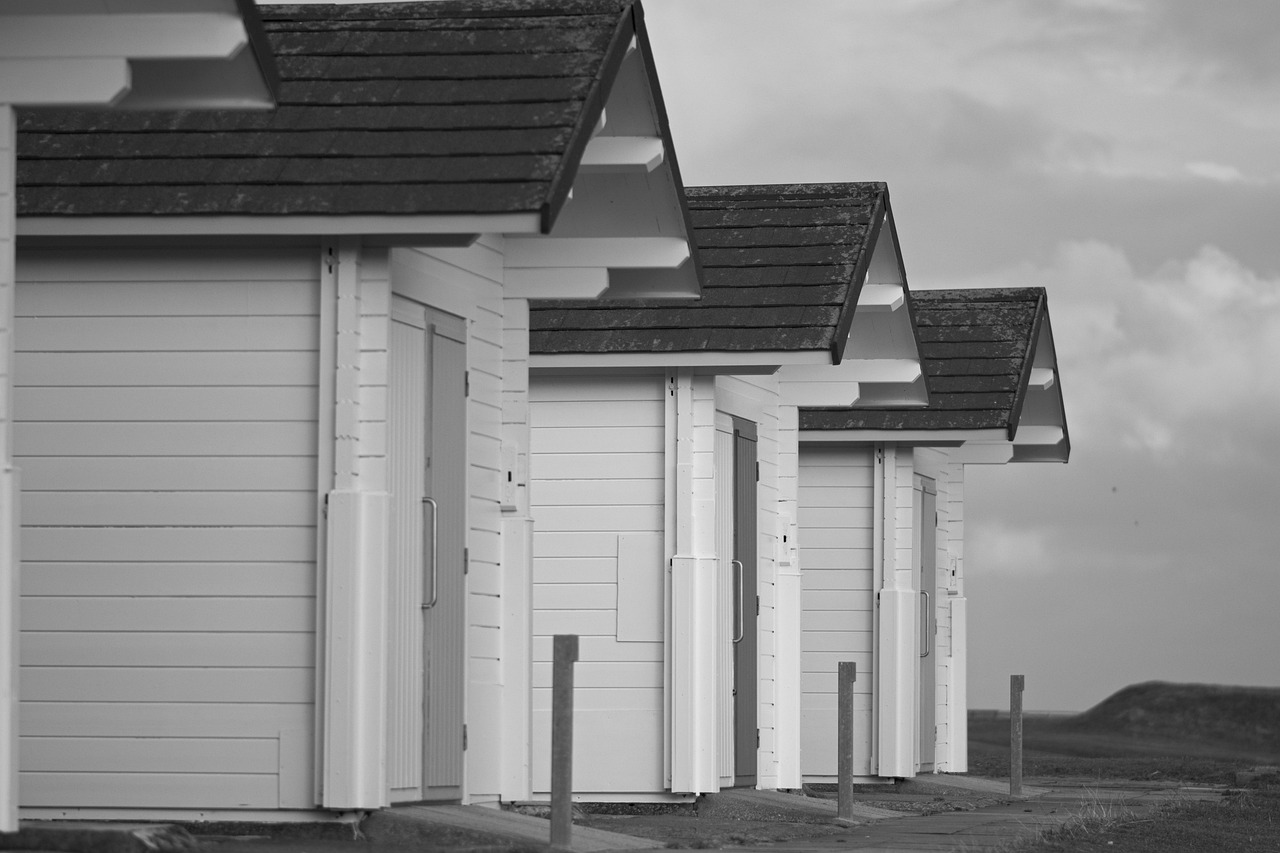
Coastal architecture is more than just building homes near the ocean. It’s a thoughtful design approach that responds to salt air, strong winds, flooding risks, and stunning natural views. If done right, it creates homes that are durable, functional, and deeply connected to their surroundings.
This guide breaks down coastal architecture in simple, human-friendly terms what it is, why it matters, and how it works in real life.
What is Coastal Architecture?
Coastal architecture refers to the design and construction of buildings in coastal areas places near seas, oceans, or large bodies of water. These structures are specifically built to handle environmental challenges like:
- High humidity
- Saltwater corrosion
- Strong winds and storms
- Flooding and rising sea levels
At the same time, coastal homes are designed to maximize natural beauty, ventilation, and sunlight.
In simple words:
Coastal architecture balances durability with comfort while embracing ocean-side living.
Why Coastal Architecture Matters
Living near the coast sounds peaceful, but it comes with serious challenges. Regular construction methods often fail in these environments.
Here’s why coastal architecture is important:
1. Protection Against Harsh Weather
Coastal areas often face storms, cyclones, and hurricanes. Buildings must withstand high wind speeds and flying debris.
2. Resistance to Salt Damage
Salt in the air can quickly damage metal, wood, and concrete. Without proper materials, buildings deteriorate faster.
3. Flood Safety
Rising water levels and storm surges can flood homes. Coastal architecture includes elevation and drainage strategies.
4. Energy Efficiency
Smart designs use natural airflow and sunlight, reducing the need for artificial cooling.
Key Features of Coastal Architecture
Coastal homes have distinct features that make them both practical and visually appealing.
Elevated Structures
Many coastal homes are built on stilts or raised foundations. This helps:
- Prevent flood damage
- Improve airflow underneath the house
- Reduce moisture buildup
Open Floor Plans
Open layouts allow better air circulation and create a relaxed, airy feel. This is ideal for hot and humid climates.
Large Windows and Glass Doors
These serve two purposes:
- Maximize ocean views
- Allow natural light and ventilation
Sloped Roofs
Sloped or pitched roofs help rainwater drain quickly and reduce pressure during storms.
Wide Verandas and Decks
Outdoor spaces are essential in coastal homes. They provide:
- Shade
- Relaxation areas
- A stronger connection to nature
Common Materials Used in Coastal Architecture
Material choice is critical. The wrong materials can fail within a few years.
Weather-Resistant Wood
Treated wood like teak or cedar resists moisture and insects.
Concrete and Reinforced Steel
These provide strength against storms and flooding. Special coatings are used to prevent corrosion.
Fiber Cement Siding
This is a popular alternative to wood. It looks similar but lasts longer in humid conditions.
Stainless Steel Fixtures
Regular steel rusts quickly near the sea. Stainless steel or coated metals last much longer.
Impact-Resistant Glass
Windows are often reinforced to handle strong winds and debris.
Types of Coastal Architecture Styles
Coastal architecture is not one-size-fits-all. It varies based on location, culture, and climate.
Tropical Coastal Style
Common in warm regions, this style includes:
- Lightweight materials
- High ceilings
- Wide openings for airflow
Mediterranean Coastal Style
Inspired by seaside regions in Europe, it features:
- Stucco walls
- Red-tiled roofs
- Arched windows
Modern Coastal Style
A clean and minimal approach with:
- Large glass panels
- Neutral colors
- Simple geometric shapes
Traditional Coastal Cottages
Often found in older coastal towns:
- Compact structures
- Wooden finishes
- Cozy interiors
Design Principles Behind Coastal Architecture
Understanding the “why” behind the design helps you appreciate its value.
1. Climate Responsiveness
Every design choice is based on local weather conditions. For example:
- Wind direction affects window placement
- Sun exposure influences shading systems
2. Sustainability
Modern coastal architecture focuses on eco-friendly solutions:
- Solar panels
- Rainwater harvesting
- Natural cooling systems
3. Durability
Structures must last long despite harsh conditions. This requires:
- Strong foundations
- High-quality materials
- Regular maintenance planning
4. Indoor-Outdoor Connection
Coastal homes blur the line between inside and outside. This improves:
- Comfort
- Visual appeal
- Lifestyle quality
Challenges in Coastal Architecture
Designing coastal buildings is not easy. Here are the main challenges:
Salt Corrosion
Salt can damage:
- Metal fixtures
- Electrical systems
- Structural components
High Humidity
Moisture can cause:
- Mold growth
- Wood rot
- Paint damage
Strong Winds
High-speed winds can:
- Break windows
- Damage roofs
- Shift structures
Flood Risks
Flooding can destroy interiors and weaken foundations.
Solutions Used by Architects
Experts use smart strategies to solve these problems.
Elevated Foundations
Raising buildings above ground level reduces flood damage.
Wind-Resistant Design
- Aerodynamic shapes
- Reinforced walls
- Strong roof anchoring
Proper Ventilation
Cross-ventilation helps reduce humidity and indoor heat.
Protective Coatings
Special coatings protect materials from salt and moisture.
Coastal Architecture vs Regular Architecture
Let’s quickly compare the two:
| Feature | Coastal Architecture | Regular Architecture |
|---|---|---|
| Environment Focus | High | Moderate |
| Material Durability | Very High | Standard |
| Elevation | Often raised | Usually ground level |
| Wind Resistance | Strong | Basic |
| Maintenance Needs | Higher | Lower |
Cost of Coastal Architecture
Coastal homes usually cost more than regular homes. But the extra cost is necessary for safety and durability.
Why It Costs More:
- Specialized materials
- Stronger structures
- Advanced engineering
- Protective systems
Is It Worth It?
Yes. Spending more upfront reduces long-term repair and damage costs.
Tips for Building a Coastal Home
If you’re planning to build near the coast, keep these practical tips in mind:
Choose the Right Location
Avoid areas too close to water unless proper elevation is possible.
Hire Experienced Architects
Work with professionals who understand coastal conditions.
Use Quality Materials
Cheap materials will fail quickly in coastal environments.
Plan for Maintenance
Regular inspections help prevent long-term damage.
Follow Local Building Codes
Coastal areas often have strict safety regulations.
Future Trends in Coastal Architecture
Coastal design is evolving with climate change and new technology.
Climate-Resilient Design
Buildings are now designed to survive extreme weather events.
Floating Structures
Some modern homes are built to float during floods.
Smart Homes
Technology helps monitor:
- Weather conditions
- Structural safety
- Energy usage
Eco-Friendly Materials
Sustainable materials are becoming more common.
Benefits of Coastal Architecture
Despite the challenges, coastal living offers many benefits.
Natural Beauty
Ocean views and fresh air improve quality of life.
Better Ventilation
Homes stay cooler with natural airflow.
Relaxed Lifestyle
Coastal environments promote calm and well-being.
Final Thoughts
Coastal architecture is a smart blend of design, engineering, and environmental awareness. It’s not just about building near water it’s about building with nature, not against it.





How Hydro Jet Drain Cleaning Works (and When It’s Worth It) - Home Zyron
[…] Instead of pushing clogs further down or dissolving them partially, hydro jetting: […]