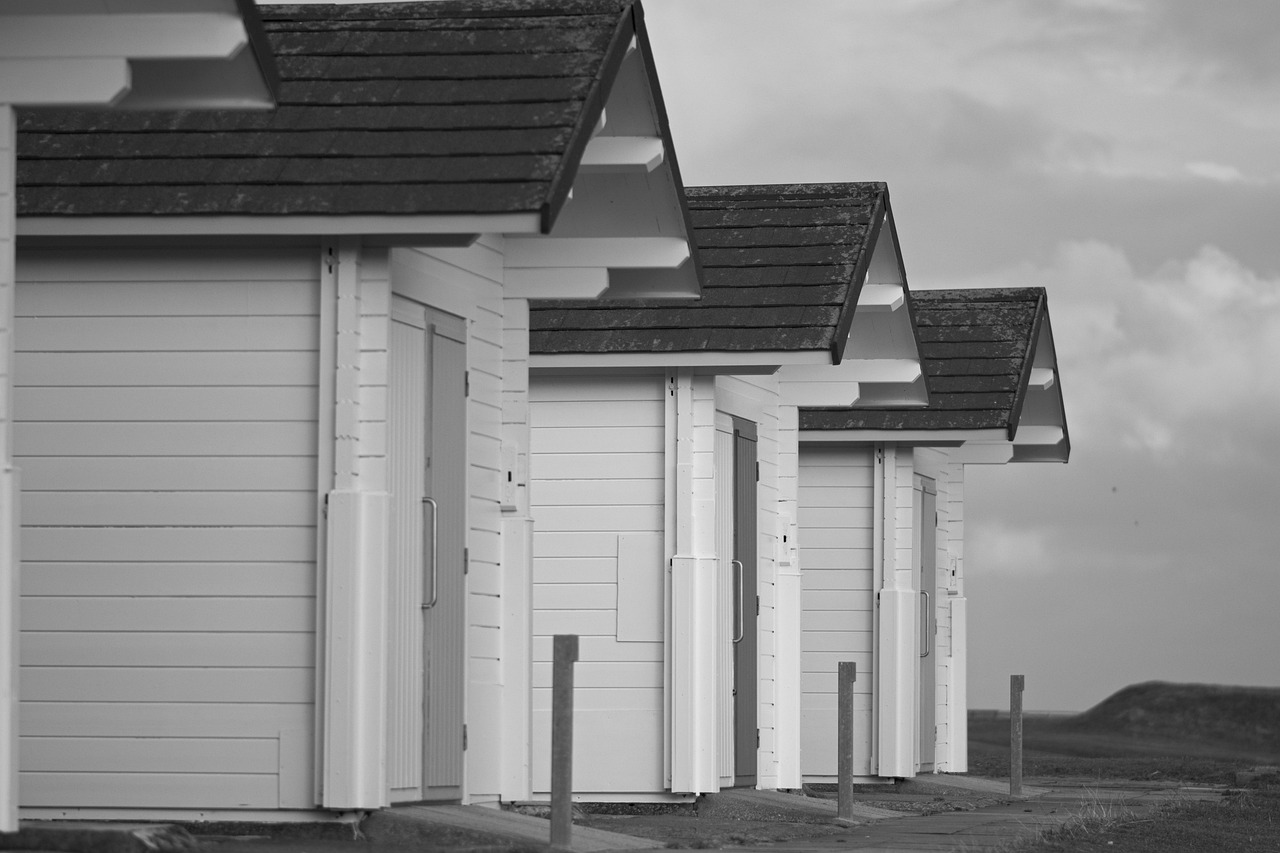
Coastal architecture refers to the planning, engineering, and aesthetic design of buildings developed specifically for seaside environments. It pairs beauty with resilience. Coastal homes withstand salt corrosion, humidity, flooding, erosion, and extreme winds while maximizing ocean views, natural light, and indoor-outdoor living.
Today’s coastal architecture has come a long way from the typical beach house look. In 2026, coastal architectural design emphasizes sustainability, climate resilience, open floor plans, natural materials, and seamless blending with the coastal landscape. Architects focus on durability, energy efficiency, and wellness-driven spaces that strengthen the long-term connection between people and nature.
Characteristics of Coastal Architecture
Good architectural design for the coast responds to harsh coastal conditions and creates comfortable, visually inspiring living environments.
Flood Resilience and Elevated Foundations
Coastal residential properties often feature elevated foundations such as pilings, raised slabs, or stilts. These systems protect structures from storm surges, flooding, and erosion while meeting FEMA flood requirements and local building codes.
Design for Resistance to Wind
Many modern coastal homes use reinforced roofs, hurricane-rated glass, aerodynamic rooflines, and impact-resistant materials. These features help structures withstand strong coastal storms and high winds.
Eco-Friendly and Long-Lasting Material Options
Choosing the right materials is critical in a coastal living environment. Popular options include:
- Fiber cement cladding
- Marine-grade stainless steel
- Sealed concrete
- Cedar, cypress, and ipe wood
- Weathered wood details
- Corrosion-resistant coatings
These natural and engineered materials last longer and support the relaxed elegance of the modern coastal look. Learn more about top-performing materials here.
Natural Light and Open Floor Plans
One of the fundamental design principles of coastal homes is to maximize natural light. Architects often use floor-to-ceiling windows, open layouts, open-plan kitchen and living areas, large sliding glass doors, skylights, and clerestory windows. These features create bright interiors while framing ocean views and enhancing the relationship between interior and exterior spaces.
Indoor-Outdoor Living and Cross Ventilation
Cross ventilation remains a key feature of coastal architectural design. Properly situated windows increase airflow, reduce energy use, and improve comfort in humid climates.
Indoor-outdoor living also strongly influences coastal residential design. Features include covered patios, outdoor kitchens, spacious decks, courtyards, and seamless connections between interior and exterior spaces.
Integration of Coastal Landscapes
Modern coastal architecture respects surrounding ecosystems by minimizing disruption to dunes, wetlands, and native vegetation. Many architects use elevated structures, native plants, and living shorelines to preserve coastal landscapes naturally.
Historical Development and Coastal Patterns by Region
Coastal architecture has evolved differently across regions based on climate, culture, and geography.
Cape Cod and New England
Coastal homes feature steep roofs, compact forms, and cedar shingles that age beautifully. The style focuses on durability in harsh weather conditions.
Gulf Coast and Southern Architecture
Lowcountry and Carolina coastal homes typically include raised foundations, large porches, metal roofs, and shaded outdoor areas designed for heat and humidity.
Mediterranean Coastal Design
Mediterranean-inspired beach house architecture remains popular in Florida and California. It features stucco walls, arches, tiled roofs, and shaded courtyards that promote cooling and ventilation.
Mid-Century Coastal Modernism
This style introduced minimalist forms, open floor plans, post-and-beam structures, and expansive glazing systems that enhanced indoor-outdoor living.
Modern Global Coastal Architecture
Today’s modern coastal homes around the world blend local traditions, sophisticated engineering, sustainable technologies, and luxurious material palettes.
Sustainable and Climate-Resilient Architecture for Coastal Areas
Climate resilience now ranks among the most important design principles in coastal architecture. Architects increasingly incorporate high-performance building systems, passive cooling techniques, solar power, rainwater harvesting, flood-resistant landscaping, and low-carbon natural materials.
Biophilic design is common in modern coastal architecture. It enhances health and well-being through greater exposure to sunlight, airflow, water, and nature. Many high-end coastal homes pursue LEED certification or similar sustainability standards while balancing performance, beauty, and longevity.
Trends in Coastal Architecture Design 2026
Contemporary trends in coastal living favor sophistication over over-the-top nautical decor.
Warm, Organic Interiors
Designers use fewer bright whites and more softer material palettes, including sand tones, terracotta, limestone, warm wood, stone textures, and weathered wood finishes. Seamless interior-to-exterior transitions are essential. Explore current trends in this ELLE Decor guide.
Luxury Minimalism
Modern coastal architecture means timeless simplicity, craftsmanship, and natural materials rather than trendy beachy décor.
Designing for Wellness
Natural ventilation, open-plan living, daylight optimization, spa-inspired bathrooms, and outdoor wellness spaces appear more frequently in luxury coastal homes.
Coastal Construction Building Codes and Standards
Coastal building follows strict safety rules due to environmental risks. Key regulations include FEMA flood zone requirements, ASCE 7 wind load standards, the International Residential Code (IRC), and the International Building Code (IBC).
In hurricane-prone areas, coastal homes often feature raised structures, impact-resistant windows and doors, and stronger roofs. Progressive coastal architecture design considers sea-level rise projections alongside historical climate data. Detailed guidance is available in the FEMA Coastal Construction Manual.
Coastal Architecture Benefits
Improved Lifestyle and Beachside Living
Coastal homes provide healthier and more relaxing environments through natural light, fresh air, and strong connections to water and landscape.
Long-Term Durability
Although coastal homes face extreme conditions, proper design often leads to lower long-term maintenance costs.
High Property Value
Limited waterfront sites and growing demand for resilient housing make high-quality coastal architecture highly desirable.
Sustainability Benefits
Energy-efficient systems, passive cooling, and sustainable materials reduce environmental impact while improving comfort.
Coastal Architecture Challenges
Coastal architectural design brings benefits as well as challenges:
- Higher building costs
- Strict permit requirements
- Material abrasion and salt corrosion
- Flood and storm hazards
- Insurance complications
- Long-term climate change adaptation
Successful coastal residential projects require careful planning and experienced professionals.
Common Questions About Coastal Architecture
What is a coastal architecture home?
A coastal home is specially designed or adapted for conditions such as wind, humidity, flooding, and salt exposure. It supports coastal living and maximizes views, airflow, and natural light.
What separates modern coastal architecture from beach house style?
Decorative themes often dominate beach house design, but performance, resilience, sustainability, and sophisticated architectural integration lead modern coastal architecture.
Why do coastal homes often have open floor plans?
Open floor plans improve airflow and cross ventilation. They allow more natural light and enhance indoor-outdoor living experiences.
What are the best materials for coastal home construction?
Fiber cement, concrete, stainless steel, cedar, cypress, and weathered wood rank among the most durable materials for coastal conditions.
Is building a home on the coast more expensive?
Yes. Coastal architecture usually costs more because of specialized engineering, raised foundations, durable materials, and stricter code requirements.
Final Thoughts
Coastal architecture balances beauty, resilience, and environmental consciousness. Modern coastal architecture in 2026 emphasizes sustainable design principles, climate adaptation, natural materials, open floor plans, and deeper integration with coastal landscapes.
Whether designing a luxury beach house or a practical coastal residential retreat, successful coastal architectural design requires careful planning, durable construction, and thoughtful connections between interior and exterior living spaces. As climate conditions evolve, the future of premium coastal living lies in homes that combine resilience, efficiency, and timeless design.
Expert Comment:
“Coastal architecture in 2026 succeeds when performance meets poetry. Elevated, resilient structures protect against rising seas and storms, while biophilic elements and natural materials create homes that feel alive with the rhythm of the ocean. The best projects don’t just withstand the coast—they celebrate and endure with it.” Dr. Elena Voss, Coastal Resilience Architect.
References and Further Reading:
This article draws on verified industry sources for accuracy and authority as of May 8, 2026.
1 thought on “What is Coastal Architecture?”