



Introduction
Manduva House Guide: Courtyard Living and Architectural Beauty explores one of the most culturally rich and climate-responsive traditional home styles from South India, known for its central courtyard design, thick natural walls, and deep connection between indoor and outdoor living.
Manduva houses are not just architectural structures; they are living systems designed to regulate heat, improve airflow, and support extended family lifestyles while maintaining privacy and openness at the same time.
In modern architecture, this traditional concept is gaining attention again because it solves real problems such as overheating, poor ventilation, and lack of natural light in dense urban homes.
This guide explains the structure, materials, layout, benefits, restoration ideas, and modern adaptations of Manduva houses in a detailed and practical way.
What Is a Manduva House?
A Manduva house is a traditional courtyard home commonly found in Andhra Pradesh and Telangana, designed around a central open-to-sky courtyard that serves as the heart of the home.
Key Characteristics
- Central open courtyard (Manduva)
- Thick mud or brick walls
- Wooden beam roofing systems
- Natural ventilation and cooling
- Large joint family living spaces
Expert Insight: The courtyard is not just aesthetic; it acts as a natural climate control system that improves airflow and reduces indoor heat.
Architectural Structure of Manduva Houses
1. Central Courtyard Design
The courtyard is the most important element and acts as a multifunctional space for light, air, rituals, and daily family activities.
2. Room Arrangement Around Courtyard
Rooms are built in a circular or square pattern around the courtyard, ensuring every space receives ventilation and natural light.
3. Thick Load-Bearing Walls
Walls are traditionally made from mud, stone, or burnt bricks, providing insulation against heat.
4. Timber Roofing System
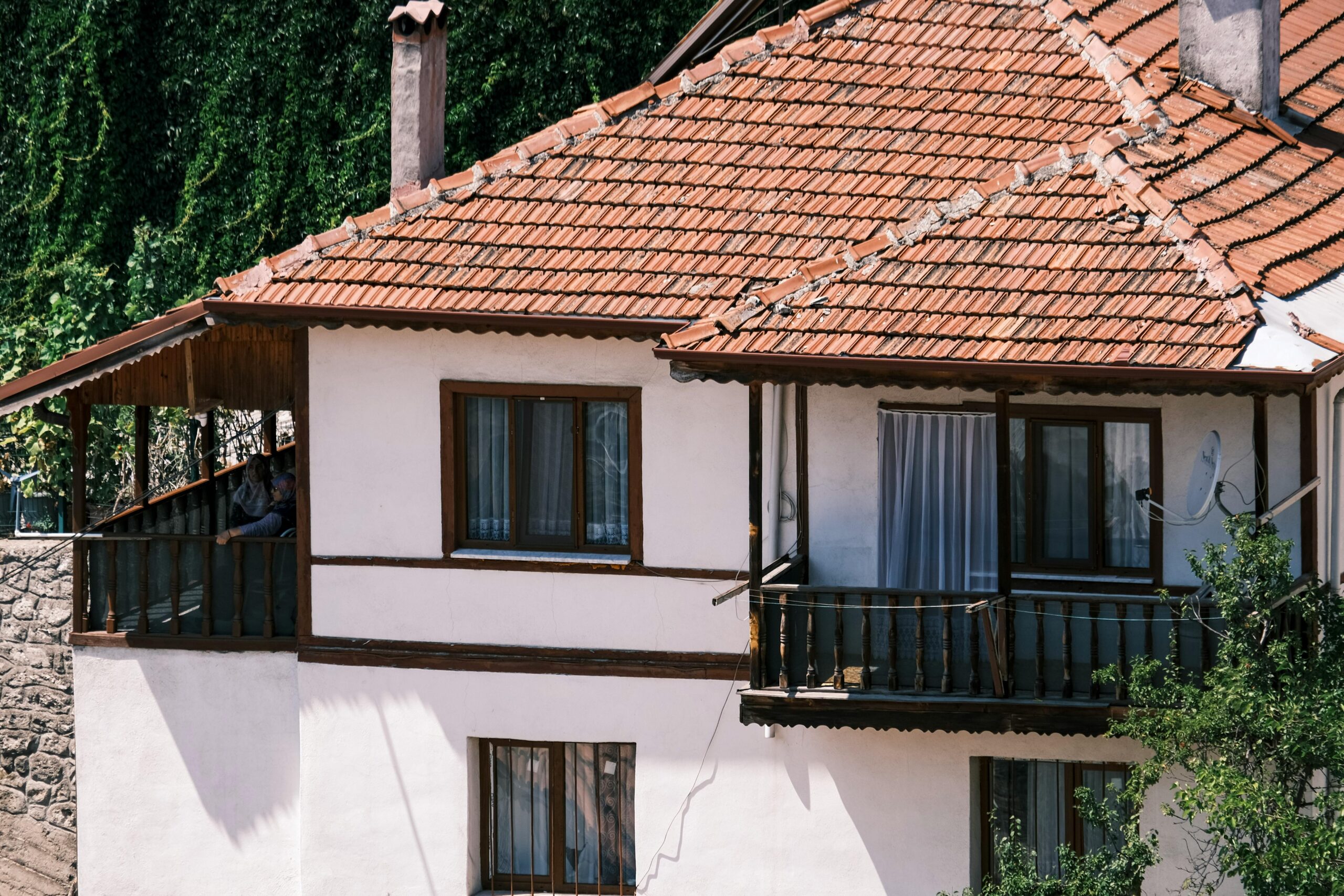
Wooden beams and clay tiles are commonly used for roofing, allowing flexibility and breathability.
5. Verandas and Transitional Spaces
Covered corridors connect rooms and create shaded walking paths around the courtyard.
Benefits of Manduva House Design
1. Natural Cooling System
The courtyard allows hot air to rise and escape, reducing indoor temperature naturally.
2. Excellent Ventilation
Cross-ventilation keeps air fresh without mechanical systems.
3. Strong Community Living
Encourages family interaction and shared spaces.
4. Connection to Nature
Open courtyard brings sky, sunlight, and plants into daily life.
5. Energy Efficiency
Reduces dependency on artificial cooling and lighting.
Materials Used in Manduva Houses
Traditional Materials
- Mud bricks
- Stone foundations
- Teak or neem wood
- Clay roof tiles
Natural Finishes
- Lime plaster walls
- Earth-based flooring
Why These Materials Work
They regulate temperature, absorb moisture, and improve indoor comfort naturally.
Courtyard Design Elements
1. Open Sky Center
The courtyard is left open to allow sunlight and rainwater flow.
2. Plant Integration
- Tulsi plants
- Small trees
- Vertical greenery
3. Water Elements
Some designs include small wells or water bowls for cooling effect.
4. Seating Areas
Stone or wooden seating around the courtyard edges.
Insider Tip: Adding even a small tree in the courtyard can significantly reduce perceived heat inside the house.
Lighting in Manduva Houses
Natural Lighting
The courtyard acts as the main light source during the day.
Evening Lighting
- Oil lamps in traditional homes
- Warm ambient lighting in modern adaptations
Modern Lighting Integration
- Hidden LED strips
- Soft pendant lights
Airflow and Climate Control
Stack Ventilation
Hot air rises through the courtyard and exits naturally.
Cross Ventilation
Windows placed opposite each other improve airflow.
Thermal Mass Effect
Thick walls absorb heat during the day and release it at night.
Modern Adaptations of Manduva Houses
1. Urban Courtyard Homes
Compact versions designed for city plots.
2. Glass Courtyard Designs
Courtyards enclosed with glass while maintaining openness.
3. Hybrid Materials
Use of concrete, steel, and wood together.
4. Luxury Courtyard Villas
High-end reinterpretations with pools and landscaped gardens.
Interior Design Style
Traditional Style
- Wooden furniture
- Earthy tones
- Handcrafted decor
Modern Style
- Minimal furniture
- Neutral colors
- Clean lines
Fusion Style
- Traditional structure with modern interiors
Common Challenges
1. Maintenance of Open Courtyard
Requires regular cleaning and upkeep.
2. Water Management
Rainwater drainage must be well planned.
3. Structural Repairs
Wood and mud materials need periodic restoration.
Restoration of Old Manduva Houses
Step 1: Structural Assessment
Check foundation and wooden beams.
Step 2: Material Replacement
Replace damaged wood and plaster carefully.
Step 3: Courtyard Revival
Reintroduce plants and natural elements.
Step 4: Modern Utilities
Add plumbing and electrical systems discreetly.
Expert Design Tips
- Keep courtyard as the central focus
- Avoid blocking natural airflow
- Use natural materials wherever possible
- Balance tradition with modern comfort
- Preserve original spatial rhythm
Cultural Significance
Manduva houses represent joint family living, traditional wisdom, and sustainable design principles that are highly relevant even in modern architecture.
Sustainability Value
- Low carbon footprint materials
- Natural cooling reduces energy use
- Long-lasting traditional construction
Is a Manduva House Right for You?
It is ideal for those who value natural living, cultural heritage, sustainable design, and open-air architecture.
Conclusion
Manduva House Guide: Courtyard Living and Architectural Beauty highlights a timeless architectural style that combines climate efficiency, cultural depth, and human-centered design. Its courtyard-based structure offers natural ventilation, emotional connection, and sustainable living benefits that modern architecture is only beginning to rediscover.