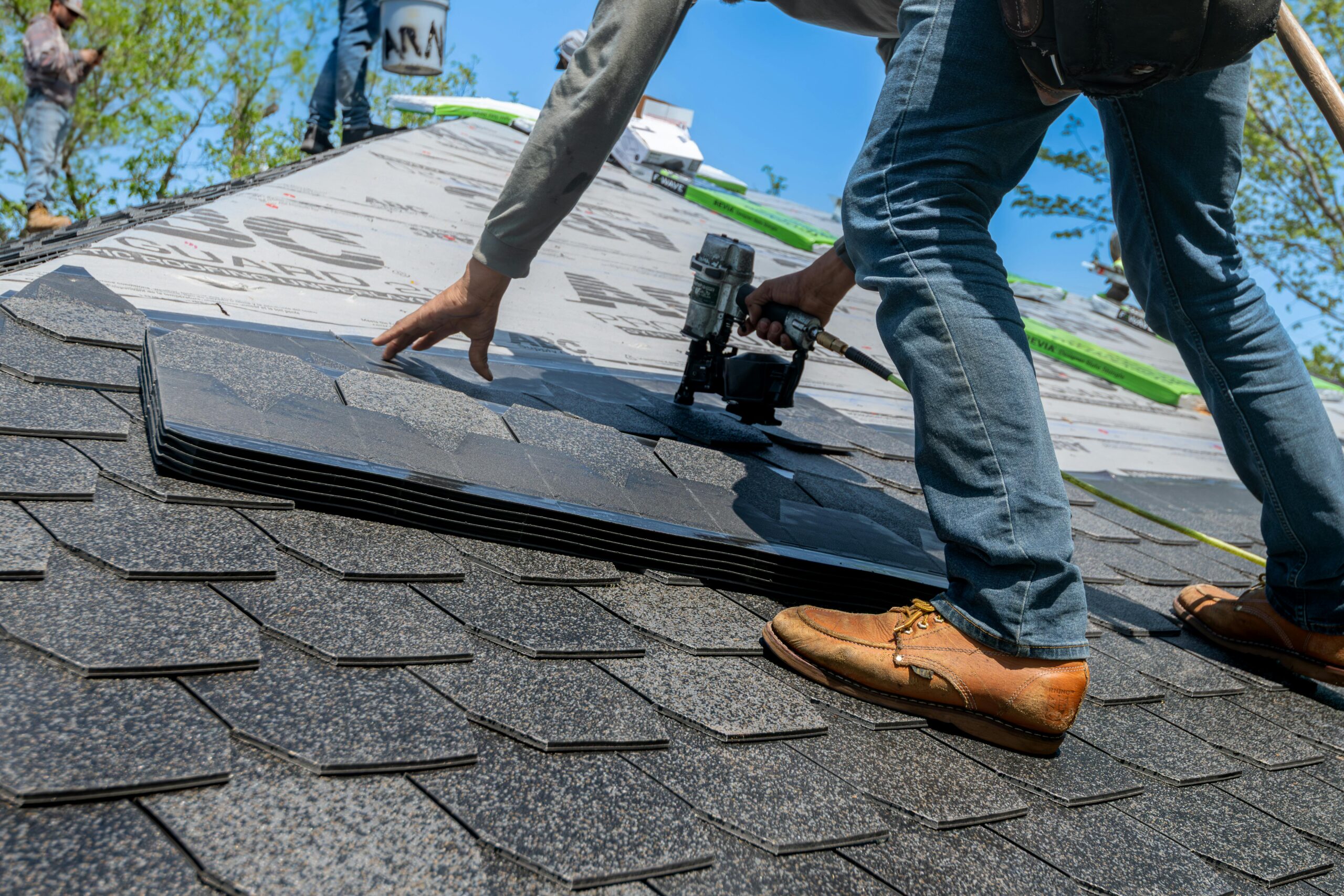
Roof maintenance is the best way to extend the life of your roof, prevent costly repairs, and protect your home from water damage. Regular roof maintenance helps extend your roof’s lifespan by 5–10 years or more while reducing energy bills and insurance risks. (Updated May 8, 2026)
With repair and replacement costs on the rise (up nearly 30% since 2022) and weather patterns becoming increasingly severe, proper care matters more than ever. This guide shares seven proven best practices, current standards, and actionable insights for effective regular roof maintenance.
Why Roof Maintenance is Important in 2026
A well-maintained roof system lasts much longer. Asphalt shingles usually last 15–30 years, architectural shingles 25–35 years, metal roofs 40–70+ years, and slate or tile 50–100+ years with proper maintenance. Neglect causes damaged shingles, leaks, mold growth, structural damage, and early replacement. Routine roof maintenance also boosts property values and makes insurance claims easier after storms.
Roof Maintenance tips
1. Have Professional Inspections Scheduled Twice a Year
Qualified professional roofing contractors inspect your roof regularly. They examine it every spring and fall, plus after major storms. Experts check for damaged shingles, flashing issues, granule loss, ventilation problems, and early signs of ice damming. Catching problems early prevents them from becoming costly repairs.
Pro Tip: Pair regular roof inspection with gutter cleaning for maximum efficiency.
2. Clean Gutters and Downspouts
Clean your gutters at least twice a year (spring and fall) to ensure proper water flow. Leaves and tree branches clog gutters, causing water to back up under shingles. This leads to rot, leaks, and foundation issues. Professional gutter cleaning is one of the most important roof maintenance tasks.
3. Clear Debris and Trim Overhanging Tree Branches
Clear leaves, branches, and moss regularly. Trim tree branches so they stay 6–10 feet from the roof. Debris holds moisture and promotes moss and algae growth that erodes roofing materials faster.
4. Make Small Repairs Promptly
Fix damaged shingles, cracked flashing, or small leaks right away. Quick action stops water intrusion, prevents leaks, and avoids widespread damage. In 2026, roofers recommend repair-first approaches before full replacement.
5. Control the Growth of Moss and Algae
Control moss and algae with soft-wash cleaning methods or zinc/copper strips along the ridge. Avoid high-pressure washing because it can remove granules and void warranties. Algae-resistant roofing materials with built-in protection are gaining popularity.
6. Ventilate and Insulate the Attic Correctly
Good airflow reduces heat and moisture buildup that shortens the life of your roof. Check soffit vents, ridge vents, and insulation levels annually. Proper ventilation is a major factor in extending the life of your roof and improving energy efficiency.
7. Think About Protective Coatings and Modern Upgrades
Apply reflective or protective coatings on suitable roofs (especially flat or metal) every 3–7 years. In 2026, trends include cool roof technologies, self-cleaning surfaces, and solar-integrated systems that enhance the durability and efficiency of various roofing materials.
Latest Trends in Roof Maintenance (2026)
- Smart Tech Adoption: Drone inspections, AI analysis, and roof sensors for early leak detection.
- Cool and Sustainable Roofing: Environmentally friendly, reflective materials lower urban heat gain and energy bills.
- Maintenance Contracts: Contractors offer subscription-based annual service plans for regular maintenance.
- Climate-Resilient Practices: More emphasis on building codes and maintenance protocols for wind, hail, ice damming, and flood resistance.
Roof Maintenance Checklist (PDF Print Friendly)
- Spring: Full inspection, clean gutters, check for winter damage.
- Fall: Debris removal, trim tree branches, prepare for winter.
- After Storms: Immediate visual check and professional assessment.
- Annually: Professional inspection + ventilation check.
Benefits of Regular Roof Maintenance
- Extends the life of your roof by 5–10+ years.
- Reduces long-term energy and repair costs.
- Decreases the risk of interior water damage and mold growth.
- Increases home resale value and insurance eligibility.
- Supports sustainability goals with fewer replacements.
- Provides long-term peace of mind that your roof system is protected.
Common Roof Maintenance Questions
How frequently should I perform roof maintenance?
Have professionals check your roof twice a year (spring and fall) plus after severe weather. Clean gutters seasonally and fix problems promptly.
Can I clean my roof myself?
You can remove light debris yourself, but hire professionals for cleaning—especially soft washing—to avoid damaging shingles or voiding warranties.
When do I need to replace my roof instead of maintaining it?
Replace the roof when repairs exceed 25–30% of replacement cost, or when it nears the end of its service life with widespread problems.
How much does roof maintenance cost?
Expect to pay $300–$1,500 annually for professional inspections and minor repairs. This is far cheaper than the $9,500+ average for a full replacement.
Do different roofing materials need different maintenance?
Yes. Asphalt shingles need more frequent checks, while metal and slate require less but still benefit from debris removal and coating refreshers.
Conclusion – Don’t Forget Your Roof Maintenance
Roof maintenance is a smart investment that pays off in durability, safety, savings, and peace of mind. By following these seven best practices — regular roof inspection, gutter cleaning, timely roof repair, and staying current with 2026 trends — you can greatly extend the life of your roof and protect your home for years to come.
Schedule your next professional roofing inspection today and stick to a consistent schedule. Being proactive is the smartest strategy for a long-lasting, high-performing roof system in any climate.
Expert Comment:
“Consistent roof maintenance remains the single most effective way to protect your biggest investment. In 2026, homeowners who combine twice-yearly professional inspections with prompt repairs and smart upgrades see dramatically longer roof life and fewer emergencies.” — Mike Thompson, Certified Master Roofer & President, National Roofing Consultants (2026).
References and Further Reading:
- FEMA Roof Maintenance & Storm Preparation
- Roof Maintenance Checklist 2026 – Fox Haven Roofing
- Average Roof Replacement Cost 2026
- RICOWI Best Practices Guide for Roofing
This article reflects current roofing industry standards and data as of May 8, 2026. Always consult a licensed local roofing professional for advice specific to your roof and location.