



I still remember the first time I walked into the 1890s farmhouse that would become my longest project. The plaster was cracked in patterns that looked like a road map, the floors dipped in places, and the air carried that particular mix of old wood, dust, and faint mildew that every old-house person knows. I bought it anyway. Ten years and more than a few hard lessons later, that house taught me what most glossy renovation shows never show: restoring an old house is less about paint colors and more about patience, sequencing, and accepting that the building itself will keep revealing secrets long after you think you’ve seen everything.
This guide pulls from those years of hands-on work, consulting on other projects, and watching what succeeds versus what turns into expensive regrets. It is written for people who want the house to keep its soul while becoming safe, comfortable, and livable for modern life.
Table of Contents
- Why Restore Instead of Gut or Tear Down
- The Critical First Step: Honest Assessment
- Budgeting Realistically (and the Contingency You Actually Need)
- Sequencing the Work So You Don’t Redo Everything Twice
- Structural and Envelope Work
- Systems: Electrical, Plumbing, and HVAC
- Moisture, the Silent Enemy
- Tools That Actually Matter (with Comparisons and Honest Verdicts)
- Interior Finishes Without Erasing Character
- Exterior Restoration and Curb Appeal That Lasts
- Historic Guidelines and When to Call Specialists
- Common Pitfalls and How to Avoid Them
- Future Trends Worth Watching
- Frequently Asked Questions
- Closing Thoughts
1. Why Restore Instead of Gut or Tear Down
An old house carries embodied history, craftsmanship that is hard to replicate today, and often better materials than the modern equivalent. Full gut jobs or teardowns erase that while generating enormous waste. Restoration, done thoughtfully, keeps the character that made you fall for the house in the first place and can still deliver modern performance.
That said, not every house is a good candidate. Severe foundation failure, widespread termite damage that has compromised the framing, or a structure that has been altered beyond recognition can tip the economics toward more aggressive intervention. The decision starts with data, not romance.
2. The Critical First Step: Honest Assessment
Before you buy tools or hire a crew, spend money on knowledge. Hire a home inspector who understands older construction (not just the 1980s builder specials). Follow with a structural engineer if the inspector flags foundation, floor joists, or roof framing concerns. Test for lead paint and asbestos if the house predates the 1980s—disturbing either without proper protocols creates real health and liability problems.
Walk the house yourself with a notebook and camera. Note every soft floor, every window that sticks, every place water stains appear. Photograph everything. I once found a previous owner had “fixed” a leaking roof by covering the problem with another layer of asphalt; the underlying sheathing was rotten for years. Documentation becomes your memory when the project stretches across seasons.
If the house sits in a historic district or carries landmark status, contact the local preservation office early. The National Park Service’s Guidelines for Rehabilitating Historic Buildings remain the clearest public resource for understanding recommended versus not-recommended treatments. They emphasize repairing rather than replacing character-defining features and making new work compatible but distinguishable.
3. Budgeting Realistically (and the Contingency You Actually Need)
Expect full restoration costs in the range of $100–$300 per square foot depending on condition, location, and how much original fabric you preserve versus replace. Electrical rewires commonly run $8,000–$25,000, full plumbing repipes $6,000–$20,000, roof work $8,000–$30,000+, and foundation repairs anywhere from a few thousand to $50,000 or more.
The single most important number is contingency. For ordinary remodels 10–15% is common advice. For old houses I budget 20–40%. Hidden rot, outdated knob-and-tube wiring that must come out for insurance or code reasons, and previous amateur repairs that must be undone all surface once walls open. Projects that ignore this almost always stall or force painful compromises later.
Break the budget into must-do (structure, weatherproofing, life-safety systems), should-do (efficient heating/cooling, functional kitchens and baths), and nice-to-have (high-end finishes, perfect period hardware). Fund the first category fully before touching the third.
4. Sequencing the Work So You Don’t Redo Everything Twice
Wrong order wastes money. Stabilize the structure and dry the building before installing finishes. Make the roof and exterior envelope weathertight early. Rough-in mechanical, electrical, and plumbing systems while walls and ceilings are open. Only then move to insulation, drywall or plaster repair, flooring, and trim.
I have seen beautiful new kitchens installed only to be torn out months later when the plumbing stack above them failed. Sequence protects your investment.
5. Structural and Envelope Work
Foundation issues show up as cracks, sticking doors, or sloping floors. Not every crack is catastrophic—some are normal settlement—but differential movement or active water intrusion needs professional evaluation. Repointing masonry with the correct lime-based mortar (not modern Portland cement, which can trap moisture and damage soft historic brick) is a frequent and worthwhile task.
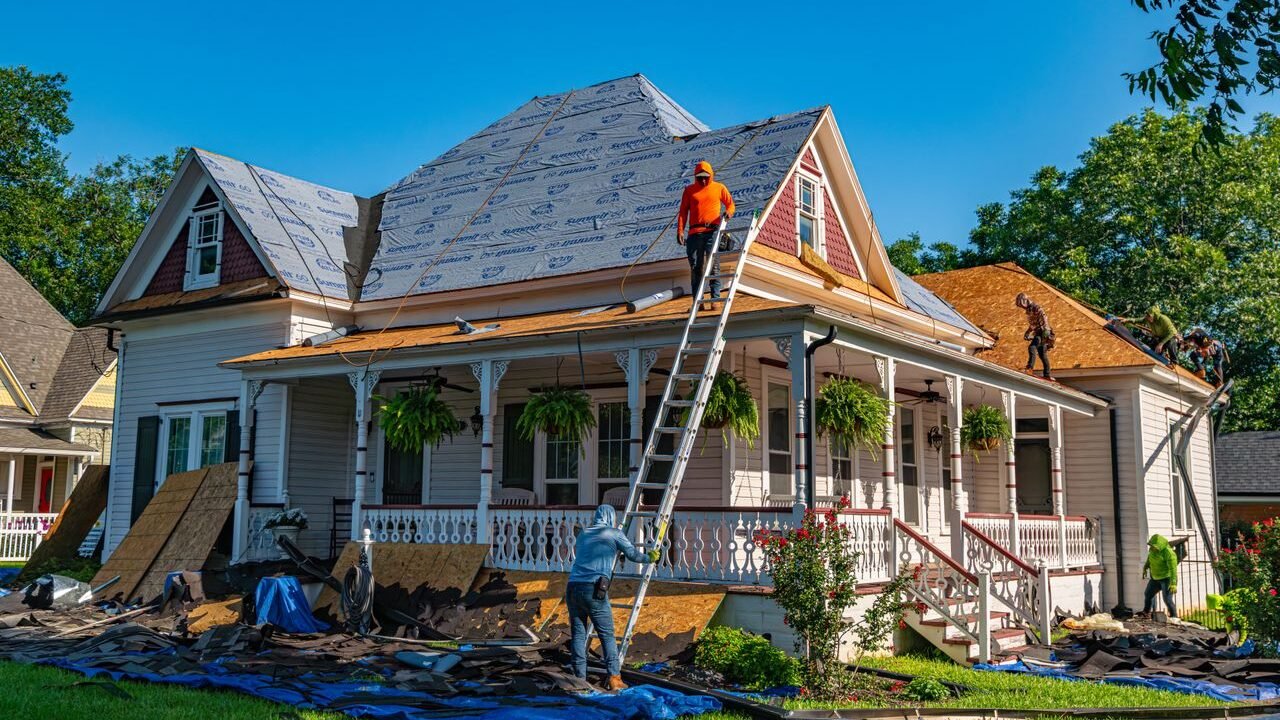
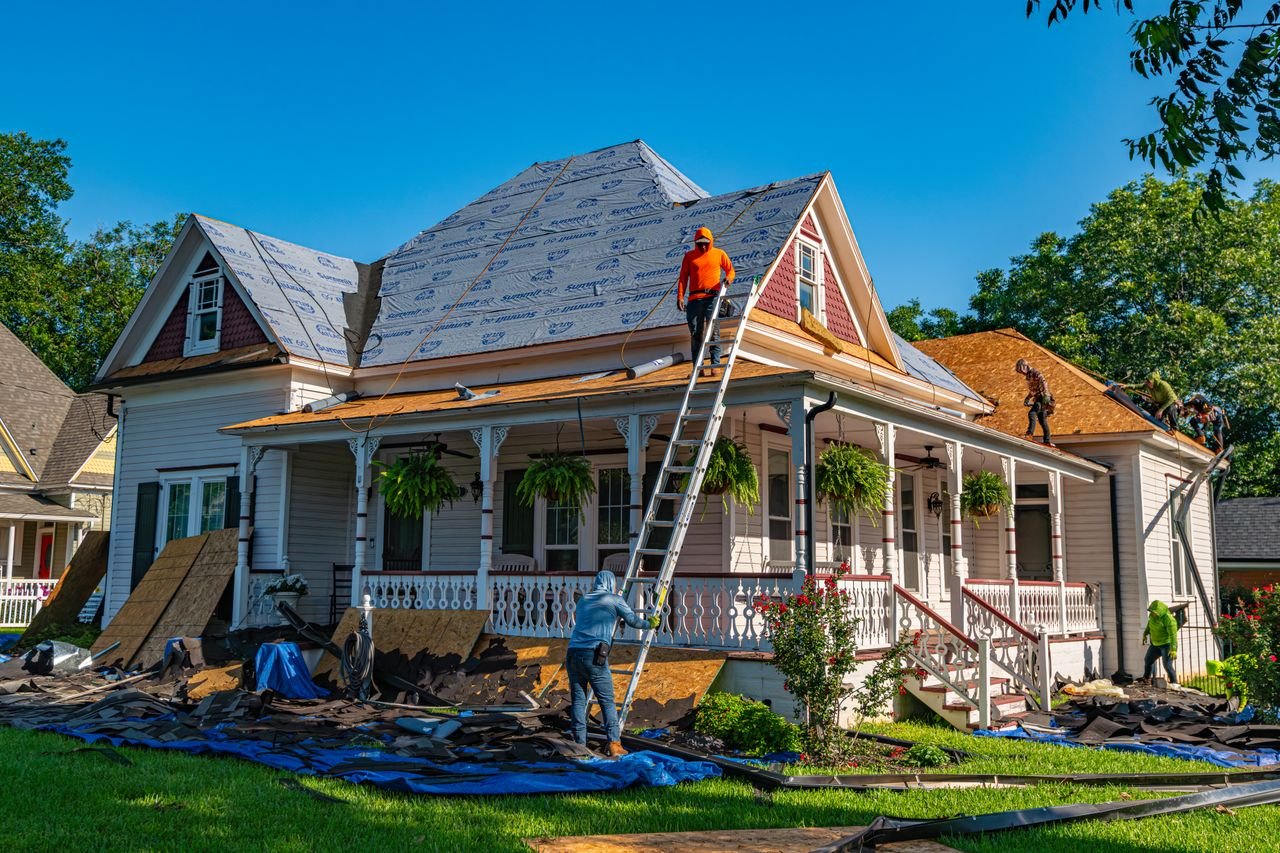
Roof work should match the original material where possible or use compatible alternatives that do not change the visual character. Original wood windows are almost always worth restoring rather than replacing. They can be made far more efficient with weatherstripping, proper hardware adjustment, and interior storm panels while preserving the thin muntins and wavy glass that give old houses their look.
6. Systems: Electrical, Plumbing, and HVAC
Knob-and-tube or early cloth-insulated wiring is a fire and insurance liability in many jurisdictions. A full rewire with a modern panel is expensive but transformative for safety and capacity. Plumbing in galvanized or old cast-iron lines frequently needs replacement; consider the opportunity to improve layout and add modern fixtures without destroying original room proportions.
HVAC is where many restorations gain the most daily comfort. High-efficiency systems, careful duct design that respects existing framing, and sometimes mini-splits in additions or hard-to-reach rooms can dramatically improve performance without destroying plaster walls. Energy improvements should still allow the building to breathe—vapor-impermeable assemblies can create new moisture problems in old construction.
7. Moisture, the Silent Enemy
Moisture ruins more old houses than almost any other single factor. Rising damp, roof leaks, plumbing failures, and condensation all leave traces. Before closing any wall, verify dryness.
A good moisture meter is non-negotiable. Pin meters give precise readings by penetrating the material; pinless meters scan larger areas without damage. In practice I carry both.
Tool comparison (moisture meters):
| Tool | Type | Approx. Price | Strengths | Weaknesses | Best For |
|---|---|---|---|---|---|
| Klein Tools ET140 | Pinless | $80–$100 | Fast scanning, multiple material modes, durable | Less precise depth control | Quick whole-house surveys |
| General Tools MMD4E / similar combo | Pin + pinless options | $30–$60 | Affordable, usable readings | Lower accuracy, basic features | Homeowners starting out |
| Delmhorst BD-10 | Pin | $250–$350 | Industry standard accuracy, reliable for wood | Leaves small holes | Professionals confirming readings |
| Wagner Orion 940 | Premium pinless | $400–$500 | Species calibration, depth options | Expensive for occasional use | Flooring and high-end work |
Honest verdict: For most homeowners restoring one house, start with a solid pinless unit like the Klein and add a basic pin meter. Professionals who document for insurance or reports justify the Delmhorst or Wagner. Pair any meter with a quality dehumidifier and a wet/dry vacuum during active drying phases. Fix the source of water first; equipment only manages the symptom.
8. Tools That Actually Matter
Beyond moisture meters, a few tools earn their keep repeatedly: a good laser level for checking floors and walls, a quality reciprocating saw and oscillating multi-tool for careful demolition, a shop vacuum with HEPA filtration, and proper respiratory protection when dealing with dust or possible contaminants. Brand loyalty between DeWalt and Milwaukee often comes down to existing battery platforms and local service. Both make reliable tools; the difference shows more in ergonomics and accessory ecosystems than pure performance for typical restoration tasks.
Rent specialized equipment (scaffold, concrete saws, large dehumidifiers) rather than buying unless you plan multiple projects. Document every tool purchase against actual hours of use—many shiny tools sit idle after the first month.
9. Interior Finishes Without Erasing Character
Plaster walls can often be repaired rather than replaced with drywall. The sound and feel are different, and skilled plasterers still exist. Original floors, once cleaned and refinished carefully, usually outperform new material in character. When replacement is necessary, match species, width, and finish as closely as practical.
Hardware, trim profiles, and door styles deserve attention. Salvage yards and specialty suppliers can supply missing pieces. Avoid the temptation to “update” every surface into anonymity; the accumulated irregularities are part of what makes the house interesting.
10. Exterior Restoration and Curb Appeal That Lasts
Paint preparation on old wood is labor-intensive but essential—scraping, sanding, and proper priming prevent early failure. Match historic colors when documentation exists, or choose schemes that respect the architectural period. Landscaping should manage water away from the foundation; many moisture problems begin with poor grading or clogged gutters.
11. Historic Guidelines and When to Call Specialists
Follow the Secretary of the Interior’s Standards for Rehabilitation when the property is significant or regulated. Repair rather than replace. New additions or alterations should be compatible yet distinguishable. When in doubt, consult a preservation architect or contractor experienced with similar buildings. The cost of good advice is almost always less than the cost of correcting work that fails review or damages original fabric.
12. Common Pitfalls and How to Avoid Them
- Underestimating contingency and running out of money mid-project.
- Starting cosmetic work before systems and structure are sound.
- Using incompatible materials (modern cement mortar on soft brick, vapor barriers that trap moisture).
- Ignoring lead and asbestos protocols.
- Hiring the cheapest bid without checking references or previous old-house work.
- Changing the plan constantly once construction starts.
13. Future Trends Worth Watching
Energy codes continue to tighten, pushing better insulation and air-sealing strategies that still respect breathability. Heat pumps and high-efficiency systems are becoming more adaptable to older floor plans. Digital documentation (3D scans, detailed photo records) helps future owners and can support tax-credit applications. Supply chains for traditional materials (lime mortar, period hardware, matching millwork) are improving through specialty suppliers and online networks, though lead times remain longer than big-box inventory.
14. Frequently Asked Questions
How long does a full restoration usually take?
Six to eighteen months is common for a whole-house project, longer if historic review or major structural work is involved. Phased approaches can stretch the timeline but spread costs.
Is it cheaper to restore or buy new?
It depends on purchase price, local market values after restoration, and how much free labor you can contribute. Many people restore because the specific house or neighborhood cannot be replaced.
Can I live in the house during the work?
Possible for phased projects, miserable and sometimes unsafe for full gut-level work. Dust, noise, and temporary loss of systems make temporary housing worth considering for intensive phases.
What about tax credits or grants?
Federal historic tax credits exist for income-producing properties that meet the Standards. Some states and localities offer additional incentives or low-interest loans. Research early; applications require documentation and often professional involvement.
Closing Thoughts
Restoring an old house is not a weekend project or a pure financial calculation. It is a relationship with a building that has already outlived several generations of owners. The work demands humility—the house will teach you things—and a willingness to prioritize what matters: structural honesty, weather resistance, systems that keep people safe and comfortable, and the quiet details that make the place feel continuous with its past.
When the last coat of paint is dry and the floors have settled into their new life, the satisfaction is different from building new. You have not created something from nothing; you have given something enduring another chapter. That is worth the dust, the surprises, and the careful decisions along the way.
Author Bio
Marcus Hale is an independent researcher and practitioner focused on the adaptive reuse and careful restoration of pre-1940 residential buildings. Over the past fifteen years he has restored multiple houses ranging from modest farmhouses to more elaborate Victorian and Craftsman examples, documented materials performance in older assemblies, and consulted with homeowners and small contractors on sequencing, moisture management, and preservation-compatible upgrades. His work emphasizes practical, evidence-based approaches that balance historic integrity with contemporary livability. He continues to track evolving techniques, material availability, and policy changes that affect older housing stock.