

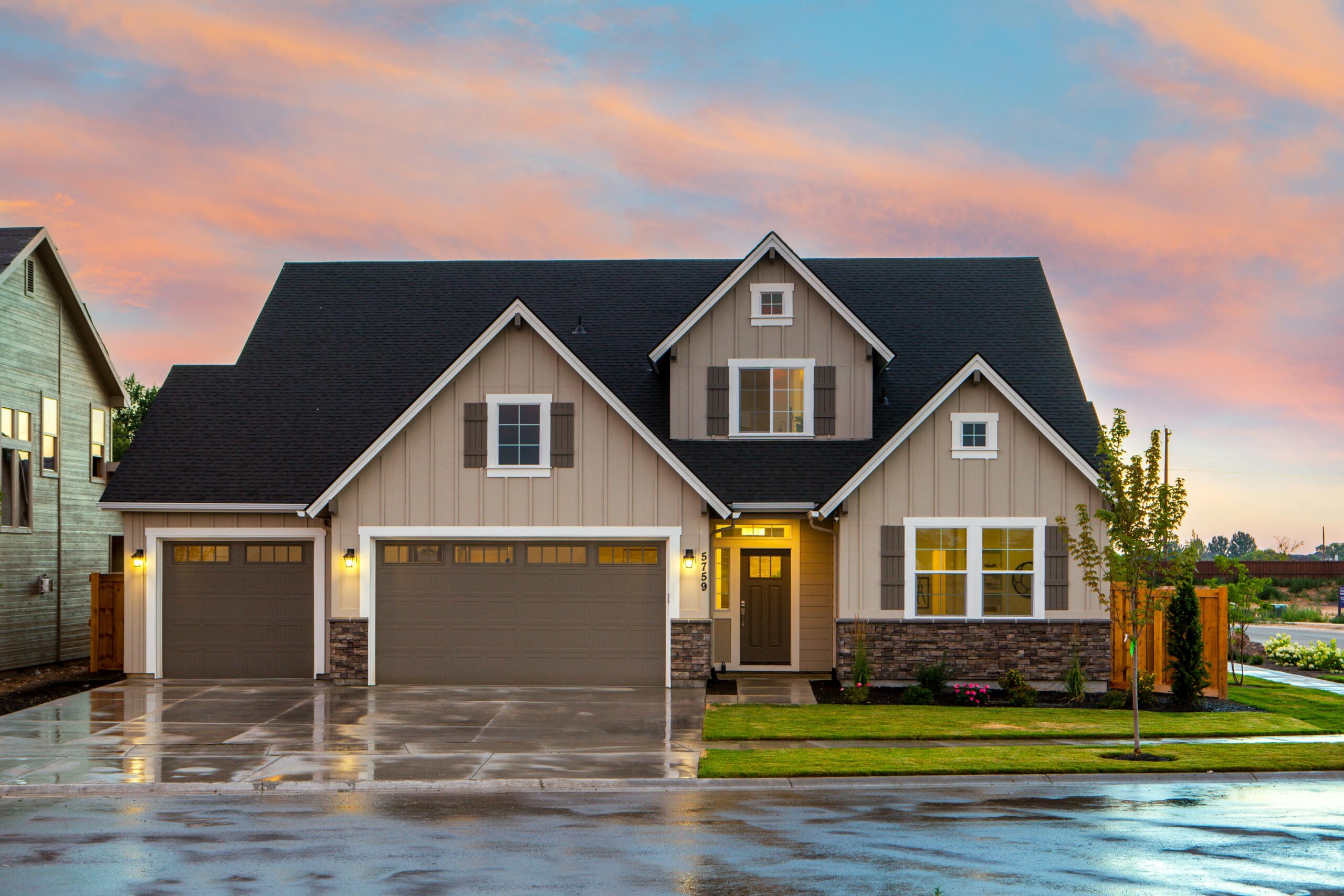
Finding the perfect home design becomes challenging when land is limited. In many cities, plot sizes are shrinking while property prices are rising. That’s why narrow lot house plans have become a popular and practical solution.
These homes are designed to make the most of limited width without sacrificing comfort, style, or functionality.
In this guide, you’ll learn everything about narrow lot house plans how they work, their benefits, design ideas, and how to choose the right one.
What Is a Narrow Lot House Plan?
A narrow lot house plan is a home design created for plots with limited width, usually:
- 20 to 40 feet wide
- Longer in depth than width
Instead of spreading outward, these homes are built:
- Vertically (multiple floors)
- With efficient layouts
- With smart space usage
In simple terms:
It’s a home designed to fit tight spaces without feeling cramped.
Why Narrow Lot Homes Are Becoming Popular
Urban living has changed how homes are designed. Narrow lot homes are now common in both developed and developing cities.
Key reasons for their popularity:
1. Rising Land Costs
Wider plots are expensive. Narrow lots are more affordable, especially in prime areas.
2. Urban Density
Cities are growing fast. Builders need to fit more homes into limited space.
3. Efficient Living
People prefer smart, low-maintenance homes instead of large, unused spaces.
4. Flexible Design Options
Modern architecture allows creative layouts even in tight spaces.
Key Features of Narrow Lot House Plans
These homes are designed with purpose. Every inch matters.
Vertical Layout (Multi-Story Design)
Most narrow homes have:
- Two or three floors
- Separate zones for living, sleeping, and storage
This helps maximize usable space.
Open Floor Plans
Walls are minimized to create:
- Better airflow
- A sense of openness
- More natural light
Smart Storage Solutions
Storage is built into the design:
- Under stairs
- Wall cabinets
- Hidden compartments
Large Windows and Natural Light
Narrow homes can feel dark. To solve this, designers use:
- Large front and rear windows
- Skylights
- Glass doors
Minimal Hallways
Hallways waste space. Narrow plans reduce or eliminate them.
Types of Narrow Lot House Designs
Different styles suit different lifestyles and locations.
1. Two-Story Narrow Homes
The most common option.
Features:
- Living areas on the ground floor
- Bedrooms upstairs
Best for: Families who want separation between living and private spaces.
2. Three-Story Homes
Ideal for very tight plots.
Features:
- Multiple living zones
- Rooftop terrace or balcony
Best for: Urban areas with high land prices.
3. Duplex Designs
Two units built on one narrow lot.
Features:
- Shared wall
- Separate entrances
Best for: Rental income or extended families.
4. Modern Narrow Homes
Focus on clean and simple design.
Features:
- Straight lines
- Neutral colors
- Large glass panels
5. Traditional Narrow Homes
Inspired by cultural or classic styles.
Features:
- Detailed facades
- Smaller windows
- Defined rooms
Best Floor Plan Ideas for Narrow Lots
A good floor plan makes a narrow home feel spacious.
Ground Floor Layout
Typical layout includes:
- Living room near the entrance
- Open kitchen and dining area
- Guest bathroom
Tip: Combine kitchen and dining to save space.
Upper Floor Layout
Usually includes:
- Bedrooms
- Bathrooms
- Small lounge or study area
Rooftop or Terrace
Many narrow homes include:
- Open terrace
- Laundry area
- Relaxation space
Design Tips to Make Narrow Homes Feel Bigger
A narrow home doesn’t have to feel small. Smart design changes everything.
Use Light Colors
Light shades make spaces look larger and brighter.
Choose Multi-Functional Furniture
Examples:
- Sofa beds
- Foldable tables
- Storage beds
Add Mirrors
Mirrors reflect light and create the illusion of space.
Keep Ceilings High
Higher ceilings make rooms feel more open.
Use Sliding Doors
They save space compared to traditional doors.
Pros of Narrow Lot House Plans
Affordable Land Cost
Narrow plots are cheaper, especially in cities.
Lower Construction Cost
Smaller footprint means:
- Less material
- Faster construction
Easy Maintenance
Less space means less cleaning and upkeep.
Ideal for Urban Living
Perfect for city lifestyles with limited land.
Cons of Narrow Lot Homes
Limited Width
Rooms may feel smaller if not designed well.
Less Privacy
Homes are often close to neighbors.
Parking Challenges
Limited space for garages or driveways.
Natural Light Issues
Middle sections of the home may lack sunlight.
Common Mistakes to Avoid
Avoid these errors when planning a narrow home:
Ignoring Natural Light
Always plan window placement carefully.
Poor Ventilation
Cross-ventilation is essential in tight spaces.
Overcrowding Furniture
Too much furniture makes rooms feel smaller.
Weak Layout Planning
Bad layout wastes space and reduces comfort.
Cost of Building a Narrow Lot House
Costs depend on location, materials, and design.
Factors that affect cost:
- Number of floors
- Quality of materials
- Interior finishing
- Labor costs
General idea:
- Narrow homes can be more cost-efficient
- Multi-story construction may increase structural costs
Who Should Choose Narrow Lot House Plans?
These homes are ideal for:
- First-time homeowners
- Small to medium families
- Urban residents
- Investors building rental units
Narrow Lot Homes vs Standard Homes
| Feature | Narrow Lot Homes | Standard Homes |
|---|---|---|
| Width | Limited | Spacious |
| Floors | Usually multi-story | Single or multi-story |
| Cost | Lower land cost | Higher land cost |
| Design | Space-efficient | Flexible |
| Maintenance | Easier | More effort |
Future Trends in Narrow Lot Home Design
Narrow homes are evolving with modern needs.
Smart Home Integration
Technology improves comfort and efficiency.
Sustainable Design
Eco-friendly materials and energy-saving systems are becoming common.
Flexible Spaces
Rooms that serve multiple purposes are in demand.
Rooftop Living
Terraces are being used as:
- Gardens
- Lounges
- Workspaces
Final Thoughts
Narrow lot house plans prove that limited space doesn’t mean limited living. With the right design, even a small plot can become a comfortable and stylish home.
The key is smart planning:
- Use vertical space
- Focus on natural light
- Keep layouts simple and functional
If done right, a narrow home can feel just as spacious as a larger one sometimes even more efficient.







Guide to Design for a Two Bedroom House - Home Zyron
[…] Every area should have a purpose. Avoid wasted corners and unnecessary hallways. […]