

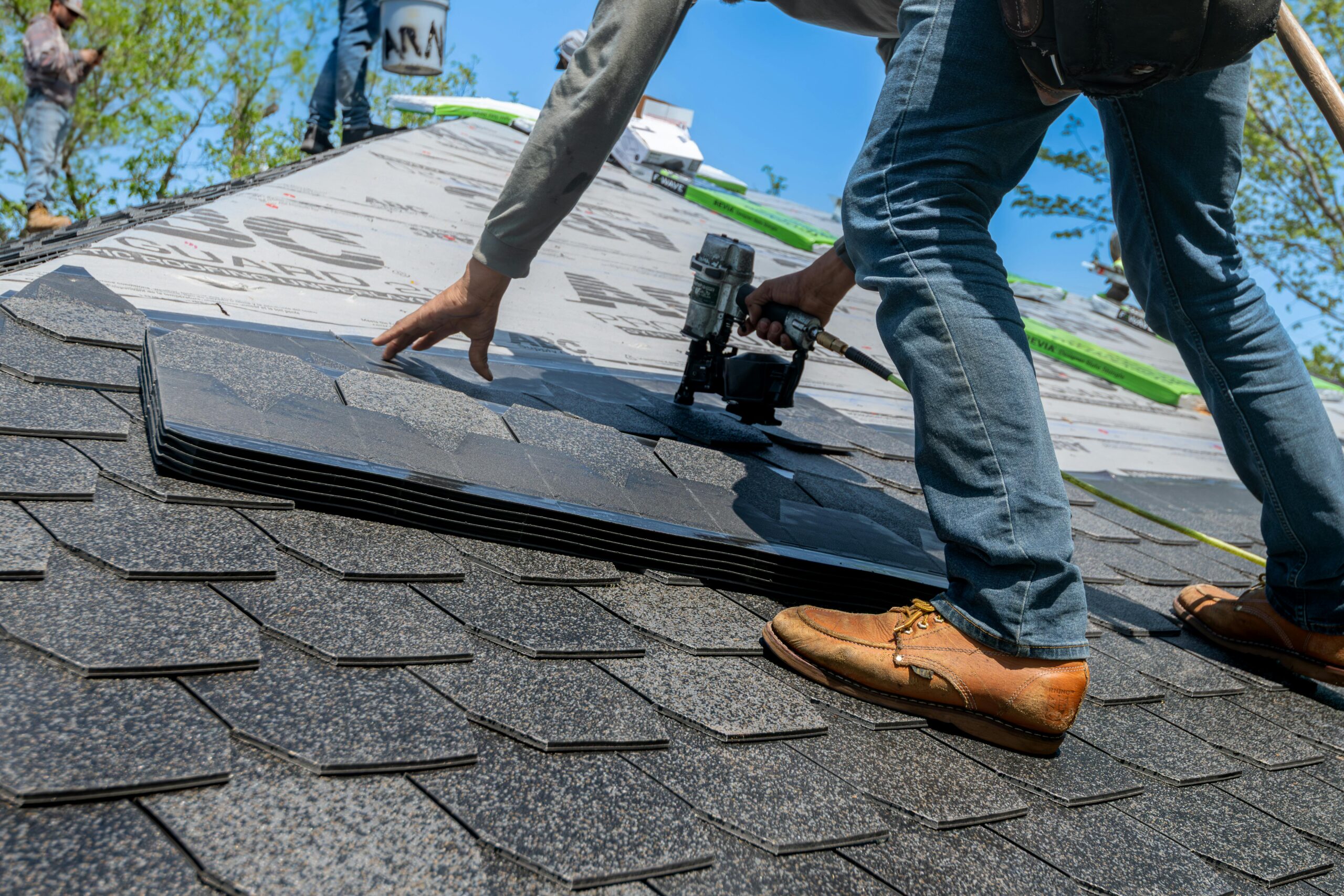
Your roof does more than sit on top of your house it protects everything inside. Yet many homeowners ignore it until a leak appears. By then, repairs are often expensive and avoidable. The good news? A few simple maintenance habits can extend your roof’s life by years. This guide explains 7 practical roof maintenance practices in clear, easy language. No fluff. Just what works.
Why Roof Maintenance Matters
A well-maintained roof can last 20–50 years, depending on the material. Without care, even a strong roof can fail early.
Here’s what proper maintenance helps you avoid:
- Water leaks and interior damage
- Mold and mildew growth
- High repair costs
- Reduced home value
Regular upkeep saves money and keeps your home safe.
1. Inspect Your Roof Regularly
Routine inspections help you catch small issues before they turn into big problems.
How often should you inspect?
- Twice a year (spring and fall)
- After heavy storms or strong winds
What to look for:
- Missing or damaged shingles
- Cracks or holes
- Rusted flashing
- Sagging areas
You don’t always need to climb the roof. Use binoculars or inspect from the ground when possible.
Why this matters
Small cracks or loose shingles may seem minor. But they allow water to seep in over time.
2. Clean Gutters and Downspouts
Clogged gutters are one of the most common causes of roof damage.
What happens if gutters are blocked?
Water builds up and backs onto the roof. This can lead to:
- Roof leaks
- Rotting wood
- Foundation damage
Best practice:
- Clean gutters every 3–4 months
- Remove leaves, dirt, and debris
- Check for proper water flow
Pro tip:
Install gutter guards to reduce debris buildup.
3. Remove Debris from the Roof
Leaves, branches, and dirt can trap moisture on your roof.
Why this is a problem
Moisture leads to:
- Mold growth
- Shingle damage
- Faster wear and tear
What to do:
- Use a soft broom or blower
- Avoid sharp tools that can damage roofing material
Pay attention to:
- Valleys (where two roof slopes meet)
- Areas behind chimneys
These spots collect debris quickly.
4. Fix Minor Repairs Immediately
Delaying small repairs is a costly mistake.
Common minor issues:
- Loose shingles
- Small leaks
- Cracked flashing
Why quick fixes matter
A small leak can spread and damage:
- Insulation
- Ceilings
- Walls
Action step:
If you notice a problem, fix it right away or call a professional.
5. Trim Overhanging Tree Branches
Trees near your home can damage your roof more than you think.
Risks of overhanging branches:
- Scratching and tearing shingles
- Dropping leaves and debris
- Falling during storms
What you should do:
- Trim branches at least 6–10 feet away from your roof
- Remove weak or dead branches
Extra benefit:
Less shade means less moisture buildup.
6. Check and Maintain Roof Flashing
Flashing is the metal material around chimneys, vents, and skylights.
It seals gaps and prevents water from entering.
Signs of flashing problems:
- Rust or corrosion
- Loose edges
- Cracks
Why it’s important
Flashing failure is one of the top causes of leaks.
Maintenance tips:
- Inspect during routine checks
- Reseal or replace damaged sections
7. Ensure Proper Ventilation and Insulation
Your attic plays a big role in roof health.
Poor ventilation can cause:
- Heat buildup
- Moisture accumulation
- Shortened roof lifespan
In colder climates, it can also cause:
- Ice dams (water freezing at roof edges)
What to do:
- Install proper vents
- Check airflow in the attic
- Ensure insulation is balanced
Result:
A well-ventilated roof lasts longer and performs better.
Signs Your Roof Needs Immediate Attention
Even with maintenance, problems can still occur.
Watch for these warning signs:
- Water stains on ceilings
- Peeling paint near the roofline
- Sudden increase in energy bills
- Visible sagging
If you notice any of these, act quickly.
How Often Should You Schedule Professional Maintenance?
While DIY checks are helpful, professional inspections are still important.
Recommended schedule:
- Once a year
- After major storms
What professionals do:
- Identify hidden damage
- Check structural integrity
- Provide repair recommendations
This adds an extra layer of protection.
Common Roof Maintenance Mistakes to Avoid
Avoid these mistakes to keep your roof in good shape:
Ignoring small issues
Small problems grow fast.
Using pressure washers
They can damage shingles.
Walking on the roof too often
This can weaken roofing material.
Skipping safety measures
Always prioritize safety when inspecting.
Roof Maintenance Tips Based on Material
Different roofing materials need slightly different care.
Asphalt Shingles
- Most common and affordable
- Check for curling or cracking
Metal Roofs
- Durable but can rust
- Inspect for loose panels
Tile Roofs
- Long-lasting but fragile
- Avoid stepping directly on tiles
Cost of Roof Maintenance vs Repairs
Many homeowners delay maintenance to save money. But this often backfires.
Maintenance costs:
- Low and predictable
Repair costs:
- High and unexpected
For example:
- Cleaning gutters: low cost
- Fixing water damage: expensive
Regular care is always cheaper in the long run.
Seasonal Roof Maintenance Checklist
Spring
- Inspect for winter damage
- Clean gutters
Summer
- Check for heat-related wear
- Trim trees
Fall
- Remove leaves
- Prepare for rain
Winter
- Watch for ice buildup
- Check attic insulation
Final Thoughts
A long-lasting roof doesn’t happen by chance. It requires consistent care and attention.
By following these 7 roof maintenance practices, you can:
- Extend your roof’s lifespan
- Avoid costly repairs
- Keep your home safe and dry
Start small. Even simple actions like cleaning gutters or checking for damage can make a big difference.






Leave a Reply