



Over the years I’ve worked with herbs in my garden and home, smudge sticks have become a simple, grounding tool for clearing stagnant energy. I started with basic white sage bundles years ago and now mostly make my own from garden plants. The practice feels personal and effective when done with respect and care.
This guide walks you through everything: what smudge sticks are, how to choose or make them, proper use, safety, and storage. You’ll get practical steps I actually use, plus insider tips from trial and error.
What Are Smudge Sticks and Where Did They Come From?
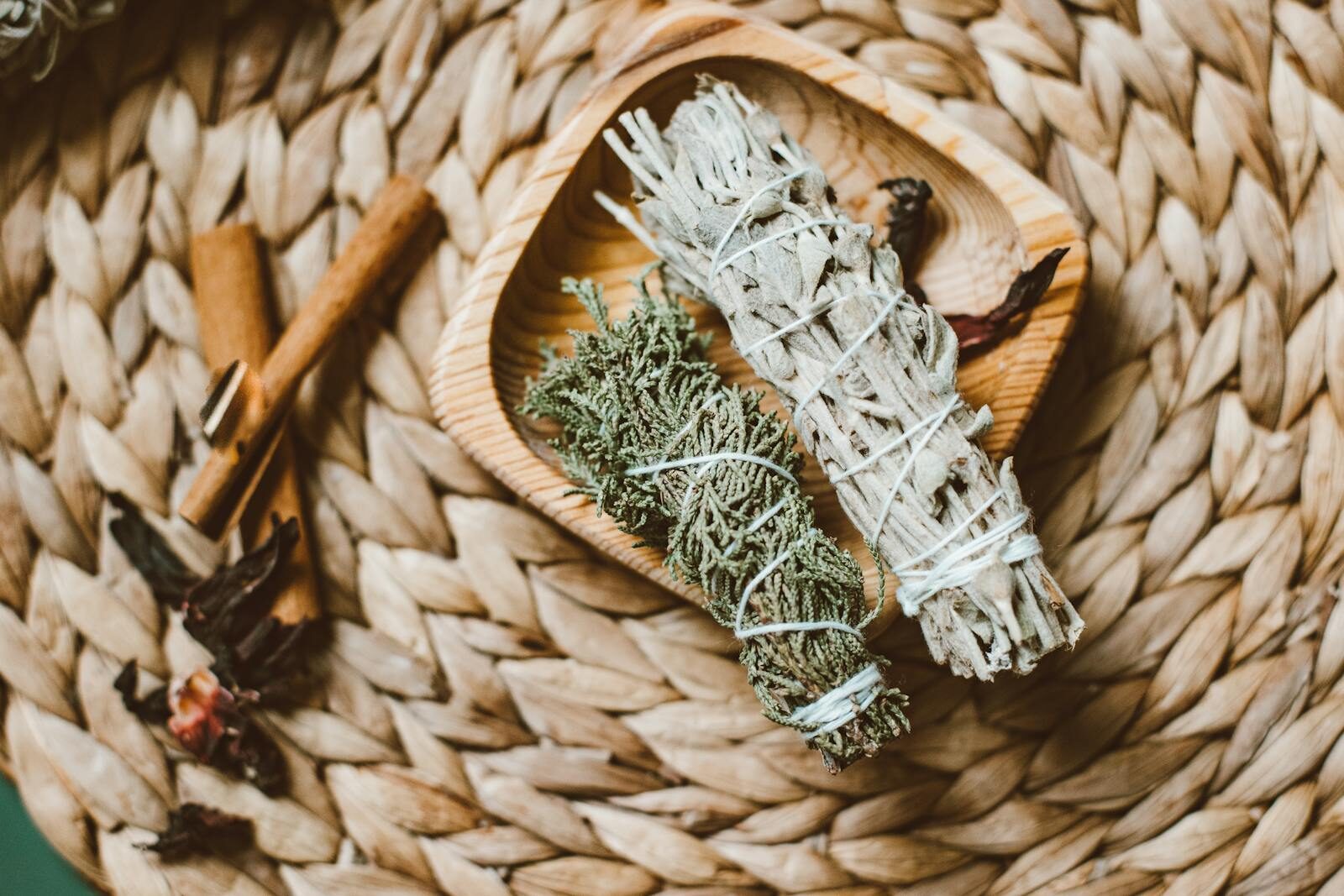
Smudge sticks are bundles of dried herbs tied together and burned to produce fragrant smoke. People use the smoke to cleanse spaces, objects, or themselves. Many traditions worldwide have used smoke for purification for thousands of years.
In North America, Indigenous peoples have long practiced smudging with sacred plants like sage, cedar, and sweetgrass as part of ceremonies. These practices carry deep spiritual meaning. Many modern users adapt the idea into “smoke cleansing” to avoid stepping on cultural traditions.
I focus on intention and sustainability. The goal stays the same: clear heavy or negative feelings and invite calm.
Insider tip: Approach this with respect. Learn a bit about the plants’ origins. If you buy bundles, choose suppliers who harvest ethically and support Indigenous communities when possible.
Benefits of Using Smudge Sticks
Many people notice a lighter feeling in rooms after smudging. The aromatic smoke can reduce stress, improve mood, and create a fresh start. Certain herbs carry traditional associations:
- Sage — Strong cleansing and protection.
- Cedar — Grounding and purification.
- Lavender — Calm and peace.
- Rosemary — Clarity and protection.
Smoke also has practical antimicrobial properties in some studies, though the main appeal remains energetic and emotional for most users.
I smudge after arguments, when moving into a new place, or when the house just feels “off.” It marks a reset.
Choosing or Making Your Own Smudge Sticks
You can buy ready-made sticks or create custom ones. Making your own connects you to the plants and ensures freshness.
Popular Herbs and Their Uses
- White Sage (Salvia apiana): Potent cleanser but overharvested in the wild. Use sparingly or choose cultivated sources.
- Blue Sage or Desert Sage: Gentler alternatives with good cleansing power.
- Rosemary: Easy to grow, smells wonderful, and offers strong protection.
- Mugwort: Earthy and abundant in many areas.
- Cedar or Juniper: Woody, grounding scent.
- Lavender: Adds sweetness and relaxation.
Insider tip: Grow your own herbs. Rosemary, sage, and lavender thrive in pots or garden beds in many climates, including Islamabad’s. Harvest on dry mornings for best quality.
How to Make Smudge Sticks at Home
- Gather materials: Fresh or semi-dry herbs, cotton string or twine, scissors.
- Bundle: Lay stems together, about 6-8 inches long. Mix herbs for custom blends.
- Tie tightly: Wrap string from one end to the other in a crisscross pattern. Secure with knots.
- Dry: Hang bundles upside down in a dark, dry, airy spot for 1-4 weeks. They must be completely dry before burning to avoid mold or uneven burning.
Insider tip: Make smaller “tester” bundles first. Some herbs shrink a lot when drying. Tighter bundles burn slower and last longer.
Step-by-Step Guide to Smudging Properly
Preparation matters more than perfection.
What you need:
- Smudge stick
- Fireproof bowl or abalone shell
- Matches or lighter
- Feather (optional)
- Small dish of sand or salt to extinguish
Steps:
- Prepare the space: Open windows or doors for ventilation and to let smoke (and energy) flow out. Remove clutter if possible.
- Set your intention: Take a quiet moment. Say something simple like “I clear this space of heavy energy and welcome peace and clarity.”
- Light the stick: Hold the tip to flame until it catches, then blow out so it smolders and produces smoke.
- Smudge yourself first: Wave smoke gently around your body, starting from feet upward or as feels right. Use hands to direct it.
- Cleanse the space: Walk clockwise through rooms. Pay attention to corners, doorways, windows, and closets. Use a feather or hand to guide smoke.
- Finish mindfully: Place the stick in the bowl and let it burn out naturally or extinguish safely. Give thanks.
Move slowly. Stay present. A full home cleanse might take 15-30 minutes.
Insider tip: Start small. Smudge one room first to get comfortable with the smoke and flow. Trust your instincts on where the smoke seems to linger.
Smudging Different Areas and Situations
- New home: Thorough cleanse before moving in.
- After illness or conflict: Focus on bedrooms and living areas.
- Objects: Pass crystals, jewelry, or tools through the smoke.
- Yourself: Great before meditation or after stressful days.
- Car or workspace: Quick pass with a small stick.
I smudge my garden tools in spring and digital devices occasionally sounds odd but helps me feel reset.
Safety Tips You Must Follow
Smoke cleansing involves fire and smoke, so safety comes first.
- Always use a fireproof container.
- Never leave burning sticks unattended.
- Keep away from children, pets, and flammable materials.
- Ventilate well—especially important for people with asthma or respiratory issues.
- Extinguish completely after use.
If smoke bothers you, try loose herbs on a charcoal disc or herbal sprays instead.
Cultural Respect and Ethical Considerations
Smudging carries sacred meaning for many Indigenous peoples. Over-commercialization of white sage has caused real harm through unsustainable harvesting.
I recommend learning about local plants and traditions. Many cultures have their own smoke rituals. Use what grows near you or ethically sourced alternatives. Intention and mindfulness matter more than any specific plant.
Storing and Maintaining Your Smudge Sticks
Keep bundles in a cool, dry place away from direct sunlight. Paper bags or open baskets work better than plastic. Check for moisture or pests occasionally.
Well-made and stored sticks can last 1-2 years or more. If they get dusty, gentle brushing helps.
Insider tip: Label your bundles with dates and herb mixes. After a year, the scent and potency can fade even if they still burn.
Common Mistakes to Avoid
- Using damp sticks (produces poor smoke or won’t stay lit).
- Not ventilating (heavy smoke buildup).
- Rushing the ritual without intention.
- Buying from questionable mass-produced sources.
- Ignoring personal sensitivities to smoke.
Start slow and adjust what works for your home and lifestyle.
Making It a Regular Practice
You don’t need to smudge daily. Many people do it weekly, monthly, or as needed. Combine with other habits like opening windows, playing music, or decluttering for better results.
I like evening smudges with soft lighting it turns a simple task into a calming wind-down ritual.
Alternatives if Smoke Isn’t for You
- Herbal room sprays with essential oils.
- Sound cleansing with bells or singing bowls.
- Salt bowls or crystals in corners.
- Fresh herbs in water or simmer pots.
Experiment and find what resonates.
Building Your Own Smudge Kit
Basic kit: Several bundles, shell or bowl, feather, lighter, and a small journal for notes on how you feel after each session. Over time you’ll develop favorite blends.
Insider tip: Add a pinch of local dried flowers or resins for personal touches. My favorite mix includes rosemary, lavender, and a bit of garden mint.
Final Thoughts
Smudge sticks offer a simple way to shift the feeling in your home and mind. Done with care, respect, and proper technique, they become a meaningful part of your routine. Start with what you have, stay safe, and pay attention to how the space and you feel afterward.
The real power lies in your presence and intention, not perfection. Try it this week in one area of your home and notice the difference.