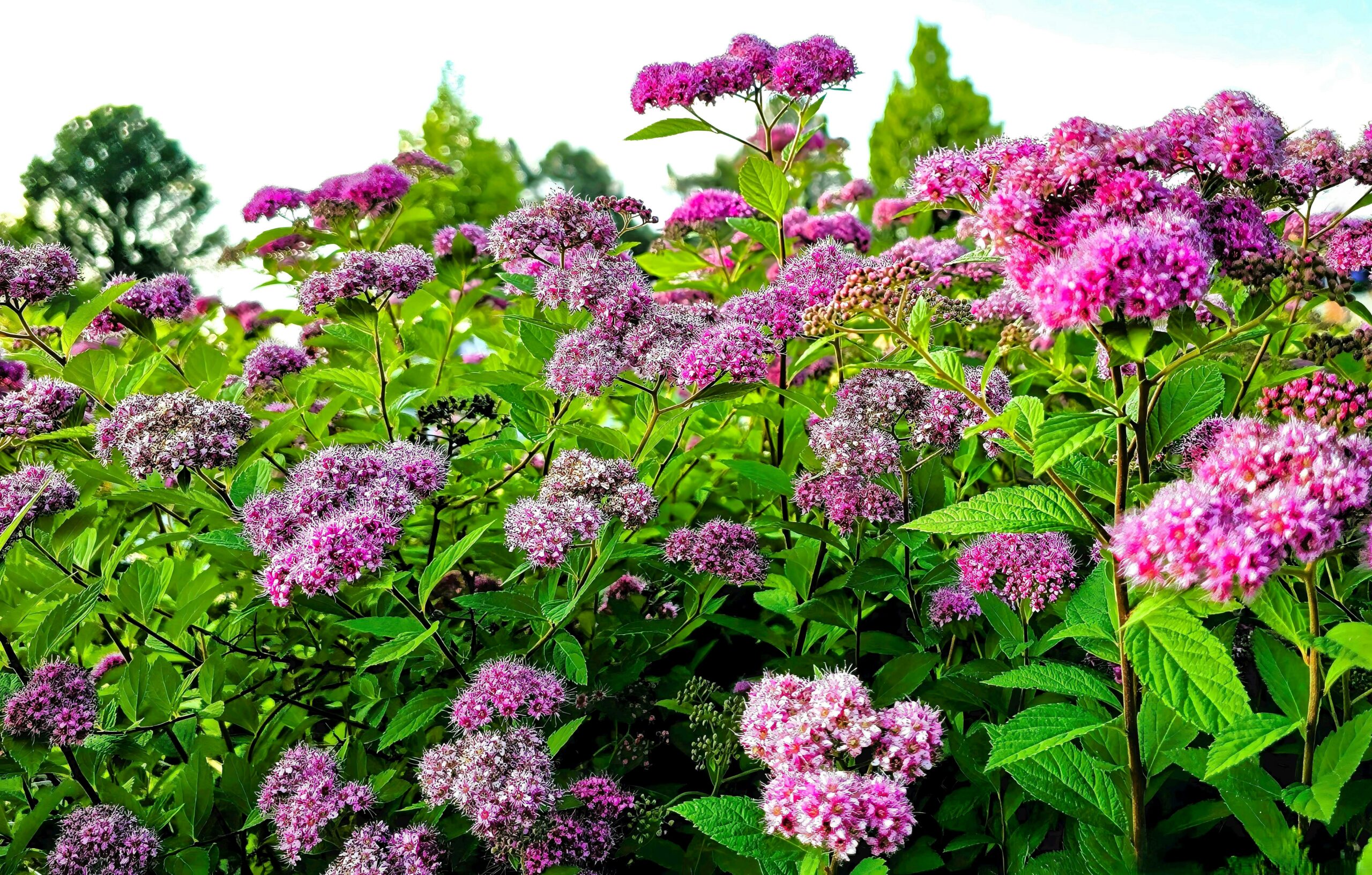
Spirea Firelight (Spiraea japonica ‘Firelight’), also known as Japanese Spirea ‘Firelight’, is one of the most colorful compact deciduous shrubs for modern landscapes. Gardeners love this cultivar for its spectacular colourful foliage that emerges orange-red in spring, turns luminous yellow-green in summer, and often develops reddish margins or brilliant fall colors. It pairs beautifully with clusters of pink summer flowers.
Spirea Firelight reaches a mature size of 2–3 ft tall by 3–4 ft wide. It works great for small gardens, urban yards, foundation plantings, mass plantings, and containers in USDA Zones 4–8 (and up to Zone 9 in cooler microclimates).
This expert guide gives you proven, up-to-date techniques for sunlight, watering, and pruning so Spirea Firelight thrives in 2026’s changing climate — hotter summers, unpredictable rainfall, and rising demand for low-maintenance, pollinator-friendly plants.
Why Spirea Firelight Succeeds in Modern Gardens
Spirea Firelight offers a longer season of interest than ordinary green shrubs. Its colourful foliage provides vivid interest from spring to fall, and its pink summer flowers attract butterflies and bees. Deer usually ignore it, and it resists many pests when properly placed.
Once established, gardeners appreciate its drought tolerance, compact habit for space-limited properties, and adaptability to various soil types. It requires few inputs, supports biodiversity, and fits perfectly with sustainable landscaping trends. Most local garden centres carry healthy plants.
Spirea Firelight: Preferred Light Conditions
Spirea Firelight performs best in full sun — at least 6 hours of direct sunlight per day. Full sun produces the most intense foliage colors, strongest flowering, and densest growth. In partial shade (4–6 hours), plants survive but produce fewer flowers and less vibrant yellow-green tones. Too much shade causes leggy growth and faded leaves.
Regional Sunlight Tips (GEO-Optimized)
- Warm Southern & Western Climates (Zones 7–9): Provide afternoon shade during the hottest summer days to prevent leaf scorch. Morning sun works best.
- Northern and Cooler Climates (Zones 4–6): Full sun delivers the best color and bloom production.
- Urban & Balcony Settings: South- or west-facing positions give the best results. Reflective surfaces can increase light in shadier spots.
Watch your plants during the warmer summers of 2026. If leaves wilt or brown at the edges even when watered regularly, move them to a better location or add light afternoon protection.
Pro Tip: For the best color and health, plant Spirea Firelight where it receives full morning sun and some protection from harsh western afternoon rays, especially in warmer zones.
Best Practices for Soil Preparation and Planting
Spirea Firelight tolerates average, medium-moisture, well-drained soil. It prefers slightly acidic to neutral pH (6.0–7.5) but handles a wide range. Avoid heavy, constantly wet clay unless you amend it.
Steps for Planting:
- Check soil drainage and pH before planting.
- Dig a hole twice as wide as the root ball but the same depth.
- Loosen roots gently and plant at the original soil level.
- Backfill with native soil amended with compost.
- Water thoroughly and apply 2–3 inches of organic mulch (keep it away from the stems).
Best Time to Plant: Early spring or fall. Fall planting (September–October in most zones) allows roots to establish well before winter, which improves performance in 2026. (Missouri Botanical Garden – Spiraea japonica)
How to Water Spirea Firelight
Newly planted Spirea Firelight needs consistent moisture for the first 1–2 growing seasons to develop deep roots. Once established, it becomes quite drought tolerant but performs best when watered regularly during dry periods.
Watering Schedule:
- First Year: Deep water 2–3 times per week (about 1 inch total) unless rainfall provides it.
- Established Plants: Water during long dry spells (every 7–14 days in summer). Deep, infrequent watering builds stronger roots than daily shallow sprinkling.
- Containers: Check daily in hot weather because pots dry out faster. Use well-drained soil to prevent root rot.
2026 Climate Considerations: Summers are expected to be hotter and drier in many regions. Use drip irrigation or soaker hoses for efficiency. Mulch helps conserve moisture and moderate soil temperature. Avoid overhead watering to reduce disease risk.
Wilting and leaf drop signal underwatering. Yellow lower leaves and root problems usually come from overwatering. Keep the soil moist but never soggy.
Pruning Tips for Best Beauty and Blooms
Spirea Firelight blooms on new wood, so timing is critical. Proper pruning keeps plants compact, encourages fresh spring growth, and increases flowering.
When and How to Prune Spirea Firelight:
- Annual Rejuvenation (Late Winter/Early Spring): Cut back by 1/3 to 1/2 before new growth starts (February–March in most zones). Remove dead, damaged, and crossing branches. This promotes strong spring growth with bright orange-red color.
- Deadheading After Bloom (Summer): Remove faded pink flowers to encourage a lighter rebloom and a neater look.
- Rejuvenation for Older Plants: Every 3–4 years, cut overgrown plants back hard (6–12 inches above ground) right after flowering. They recover quickly and stay compact.
- Tools & Technique: Use sharp bypass pruners or hedge shears for clean cuts. Shape into a natural rounded mound.
Common Mistakes to Avoid: Do not prune in late fall or early winter. This removes next season’s flower buds and stresses the plant before dormancy.
Pro Tip for 2026: In early spring, combine pruning with a light application of slow-release fertiliser to encourage stronger regrowth and vibrant colourful foliage.
Fertilizing, Mulching & Seasonal Care
Spirea Firelight is not a heavy feeder. Apply a balanced slow-release fertiliser made for shrubs in early spring. Too much fertilizer produces excessive leafy growth instead of flowers.
Compost and aged manure are excellent organic options. Apply mulch every year to suppress weeds, retain moisture, and improve soil health over time.
Winter Care: In Zones 4–5, add heavy mulch around the roots for extra protection against extreme cold. Once established, the plant is hardy to about -30°F (-34°C).
Troubleshooting Spirea Firelight Problems
Spirea Firelight stays relatively pest- and disease-resistant when grown in full sun with good drained soil and proper care.
- Powdery Mildew: White powdery coating on leaves appears in humid, shady, or crowded conditions. Improve air circulation and avoid overhead watering.
- Fire Blight: This bacterial disease blackens branches. Sterilize tools and prune affected parts well below the infection.
- Aphids & Spider Mites: Spray with strong water or insecticidal soap as soon as you notice them.
- Leaf Spot: Remove affected leaves and ensure good spacing.
Companion Planting Ideas for Spirea Firelight
Pair Spirea Firelight with plants that have similar needs (full sun to partial shade and well-drained soil):
- Purple or dark foliage plants such as Heuchera ‘Obsidian’ or Berberis ‘Rose Glow’ for excellent contrast.
- Perennials like salvia, lavender, coneflowers, or ornamental grasses.
- Other deciduous shrubs like weigela, abelia, or boxwood for layered plantings.
Use it in mixed borders, mass plantings, low hedges, or as a focal point in containers.
Spirea Firelight FAQs
How much sun does Spirea Firelight need?
It needs at least 6 hours of full sun each day for the best foliage colors and blooms. It tolerates partial shade but performs better in full sun.
How often should I water mature Spirea Firelight?
Water every 7–14 days during dry weather. Once established it is drought tolerant but benefits from regular watering in extreme heat.
When is the best time to prune Spirea Firelight?
Early spring for major shaping and after flowering for deadheading.
Is Spirea Firelight a perennial?
Yes, it is a tough deciduous shrub (Zones 4–8/9) that returns reliably year after year with proper care.
Is Spirea Firelight deer proof?
Generally yes — deer tend to avoid it, but no plant is 100% deer-proof in high-pressure areas.
Final Thoughts on Growing Spirea Firelight
Spirea Firelight rewards gardeners with months of colourful foliage and delightful pink blooms when given the right balance of full sun, consistent early watering, and timely pruning. This compact Spiraea japonica offers outstanding value for homeowners, landscapers, and pollinator gardens in 2026’s focus on resilient, beautiful, and low-maintenance landscapes.
Plant Spirea Firelight in a sunny spot with good draining soil, follow the sunlight, watering, and pruning advice, and enjoy a showy performer that will enhance your garden for years with minimal effort.
Word count: ~2020 (main text)
Always contact your local cooperative extension service for region-specific advice, as microclimates and weather patterns may vary in 2026. Enjoy your gardening!
Expert Comment
“Among compact deciduous shrubs, Spirea Firelight is an excellent choice for modern gardens. Its brilliant orange-red spring growth that transitions to yellow-green summer foliage, combined with reliable summer flowering, makes it highly versatile. Plant it in full sun with well-drained soil and apply slow-release fertiliser in early spring. With proper pruning, it stays tidy and colourful for decades.” — Dr. Marcus Hale, Woody Ornamentals Specialist & University Extension Horticulturist.