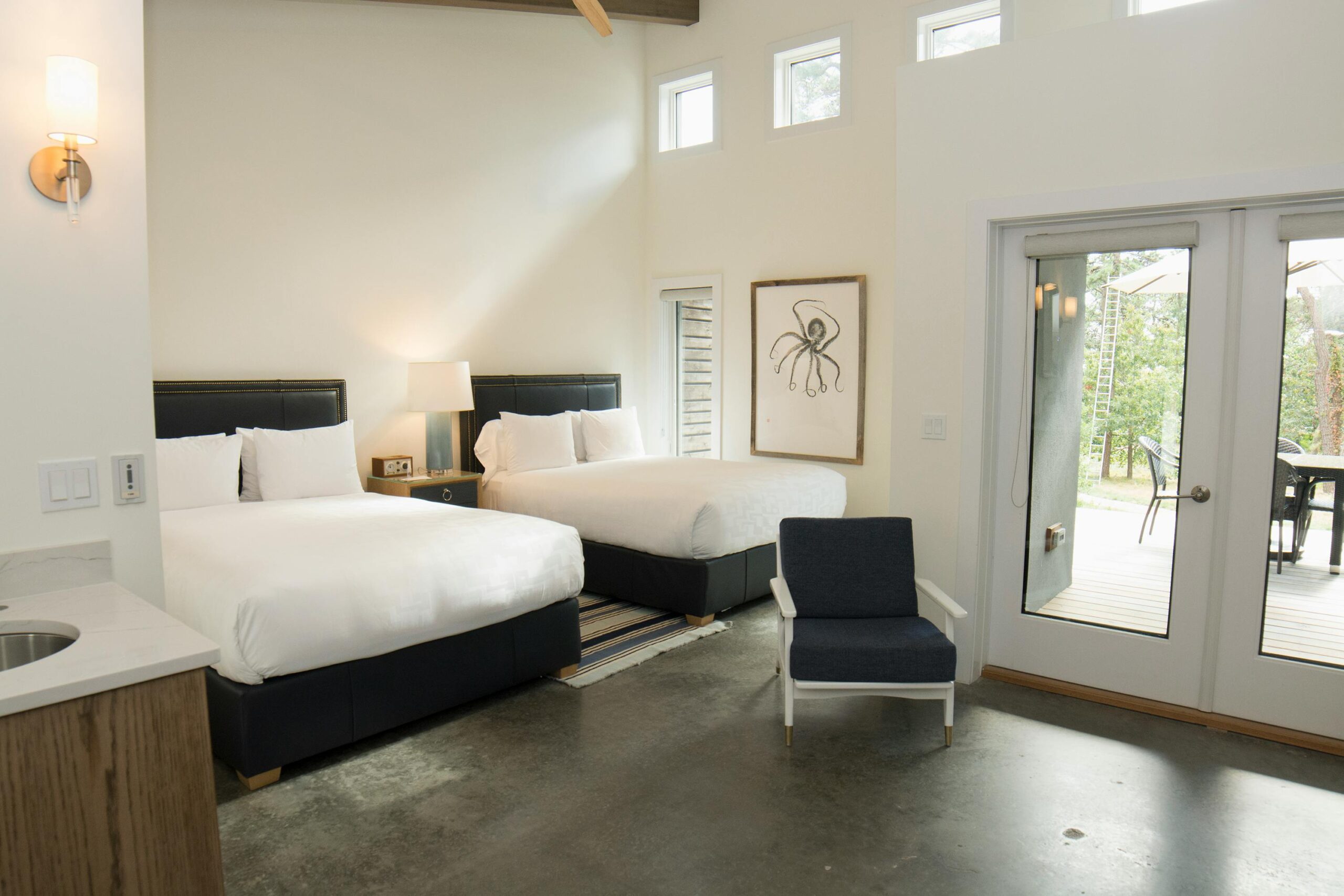
Designing a two bedroom house sounds simple but doing it well requires smart planning. You’re working with limited space, yet you still need comfort, privacy, storage, and style.
A good design makes a small home feel open and functional. A poor layout does the opposite—it wastes space and creates daily frustration.
This guide explains how to design a two bedroom house step by step, using clear and practical advice. No fluff. Just what works.
What Is a Two Bedroom House Design?
A two bedroom house typically includes:
- Two bedrooms
- One or two bathrooms
- A living area
- A kitchen
- Sometimes a dining space
It can be:
- A single-story home
- A double-story house
- An apartment or portion
The goal is simple:
Make every square foot useful without making the home feel crowded.
Who Should Choose a Two Bedroom House?
This type of home works well for many people.
Ideal for:
- Small families
- Couples
- First-time homeowners
- Rental property investors
Why it works:
- Affordable to build and maintain
- Easier to manage
- Flexible design options
Key Principles of a Good Two Bedroom House Design
Before jumping into layouts, understand the basics.
1. Smart Space Planning
Every area should have a purpose. Avoid wasted corners and unnecessary hallways.
2. Natural Light and Ventilation
Good airflow and sunlight improve comfort and reduce energy use.
3. Privacy Between Rooms
Bedrooms should not open directly into living areas if possible.
4. Functional Flow
Movement between spaces should feel natural. For example:
- Living → Dining → Kitchen
- Bedrooms placed away from noisy areas
Best Layout Options for Two Bedroom Homes
The layout you choose affects how the house feels and functions.
1. Open-Plan Layout
This is one of the most popular choices.
Features:
- Living, dining, and kitchen combined
- Fewer walls
- Better airflow
Best for: Small homes that need a spacious feel.
2. Compact Linear Layout
Rooms are arranged in a straight line.
Features:
- Simple structure
- Easy construction
Best for: Narrow plots.
3. L-Shaped Layout
Rooms form an “L” shape.
Features:
- Better separation of spaces
- More privacy
4. Double-Story Layout
Ideal when land is limited.
Features:
- Living areas downstairs
- Bedrooms upstairs
Designing Each Space in Detail
Let’s break down each part of the house.
Living Room Design
The living room is the first space people see.
Tips:
- Keep it near the entrance
- Use light colors to make it look bigger
- Avoid bulky furniture
Ideal features:
- Large window for natural light
- Comfortable seating
- Minimal clutter
Kitchen Design
A well-designed kitchen saves time and effort.
Choose the right layout:
- L-shaped kitchen for flexibility
- Straight kitchen for narrow spaces
Key tips:
- Keep work areas close (sink, stove, fridge)
- Add enough storage cabinets
- Ensure proper ventilation
Dining Area Design
Not every home has a separate dining room.
Smart options:
- Combine with living area
- Use a foldable table
- Place near the kitchen
Bedroom Design
Bedrooms should feel calm and private.
Master Bedroom
This is the main bedroom.
Include:
- Comfortable bed
- Wardrobe
- Side tables
Optional:
- Attached bathroom
Second Bedroom
Can be used as:
- Kids’ room
- Guest room
- Home office
Tips:
- Keep layout flexible
- Use multi-purpose furniture
Bathroom Design
Bathrooms should be practical and easy to clean.
Options:
- One shared bathroom
- One attached + one common
Design tips:
- Use anti-slip tiles
- Ensure good ventilation
- Install space-saving fixtures
Storage Solutions for Small Homes
Storage is often overlooked but it makes a big difference.
Smart ideas:
- Built-in wardrobes
- Under-bed storage
- Wall shelves
- Cabinets above doors
Lighting Design Tips
Lighting affects how your home feels.
Use natural light first
- Large windows
- Glass doors
Add layered lighting
- Ceiling lights
- Task lighting (kitchen, study)
- Soft lighting for bedrooms
Ventilation and Airflow Planning
Good airflow keeps your home fresh.
Tips:
- Place windows on opposite walls
- Use ventilators in kitchens and bathrooms
- Avoid blocking airflow with furniture
Furniture Selection for Two Bedroom Homes
Choosing the right furniture is important.
Go for multi-functional furniture
- Sofa beds
- Foldable tables
- Storage beds
Keep it minimal
Too much furniture makes the space feel crowded.
Common Mistakes to Avoid
Avoid these issues to get better results.
Poor layout planning
A bad layout wastes space.
Ignoring storage
Lack of storage creates clutter.
Blocking natural light
Avoid heavy curtains or large furniture near windows.
Overdesigning
Keep it simple and practical.
Cost Considerations
Design choices affect your budget.
Factors that influence cost:
- Size of the house
- Quality of materials
- Number of bathrooms
- Interior finishes
How to save money:
- Use simple designs
- Avoid unnecessary features
- Plan everything before construction
Two Bedroom House Design Ideas
Here are some practical ideas you can use:
Modern Style
- Clean lines
- Neutral colors
- Minimal decoration
Traditional Style
- Defined rooms
- Warm colors
- Classic furniture
Compact Urban Style
- Space-saving design
- Multi-use rooms
- Smart storage
Future-Proofing Your Design
Think ahead when designing your home.
Plan for flexibility
Rooms should adapt to future needs.
Add extra storage
You will always need more space later.
Consider expansion
If possible, design for future extension.
Sample Two Bedroom Floor Plan (Concept)
A simple and effective layout:
- Entrance → Living room
- Open dining + kitchen
- Two bedrooms at the back
- One shared bathroom
- Optional attached bathroom
This layout balances privacy and functionality.
Final Thoughts
Designing a two bedroom house is about making smart choices. You don’t need a large space to create a comfortable home you need a well-planned one.
Focus on:
- Efficient layout
- Natural light
- Practical storage
- Simple design
When these elements come together, even a small house can feel spacious, modern, and easy to live in.
1 thought on “Guide to Design for a Two Bedroom House”