



I killed my first Elatior begonia in about three weeks. I’m telling you that upfront because most plant guides pretend the author has never failed at anything, and that’s not how real plant knowledge gets built. Mine rotted from the base because I treated it like a regular houseplant and watered it on a schedule instead of watching what it actually wanted. Since then I’ve grown probably a dozen of these plants across different seasons, light setups, and pots, and I’ve learned that Elatior begonias are simultaneously one of the most rewarding and most misunderstood flowering plants you can bring home.
This guide is everything I wish someone had told me before that first one died.
Table of Contents
- What Exactly Is an Elatior Begonia?
- Light Requirements: Where Most People Go Wrong
- Watering: The Single Biggest Factor in Survival
- Soil and Potting Choices That Actually Matter
- Temperature and Humidity Sweet Spots
- Feeding Your Begonia for Continuous Blooms
- Pruning and Deadheading for Shape and Vigor
- Common Problems and How I’ve Fixed Them
- Reblooming After the First Flush
- Propagation: Getting More Plants for Free
- Seasonal Care Calendar
- Tool and Product Comparisons
- FAQs
- Final Thoughts
- Author Bio
1. What Exactly Is an Elatior Begonia?
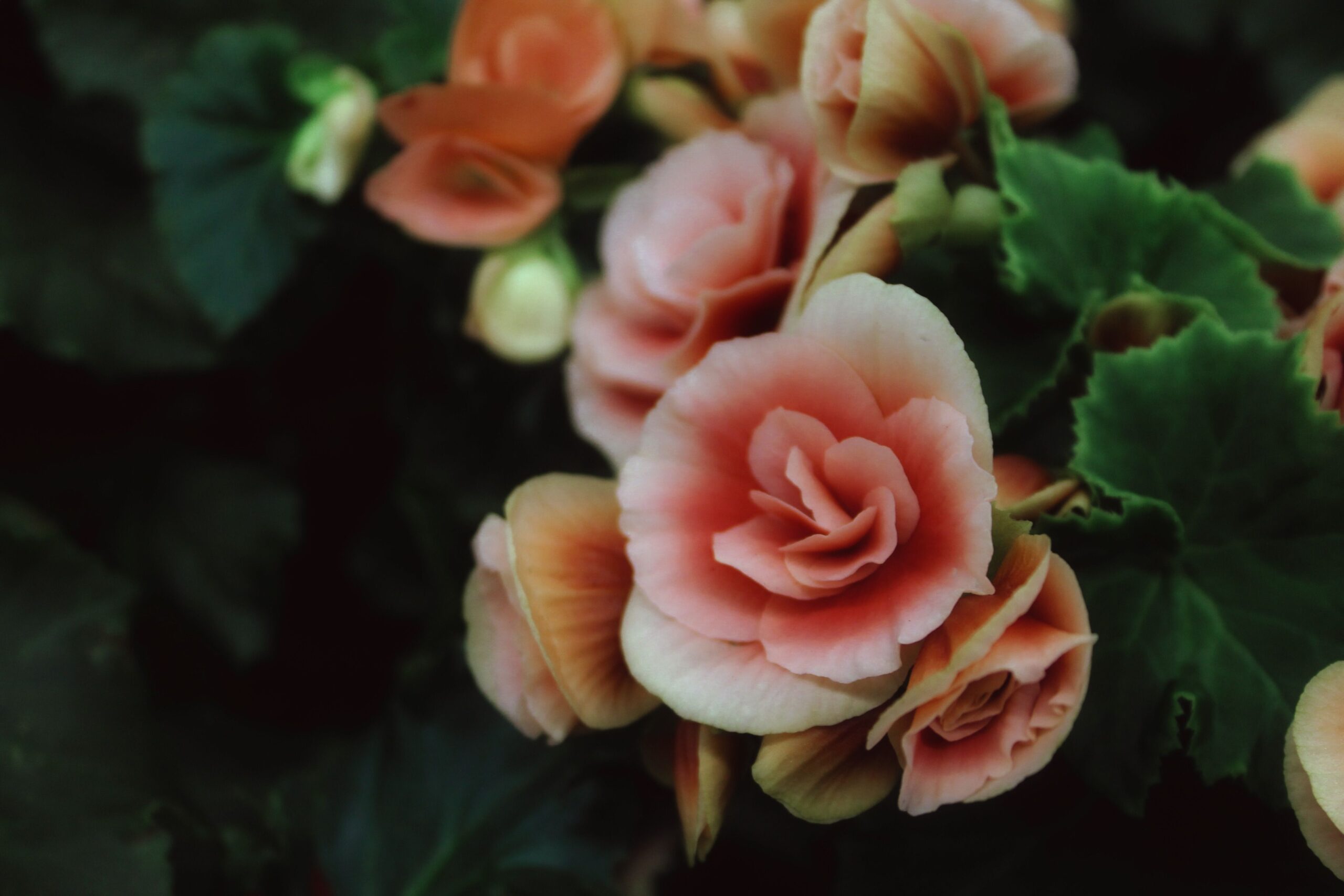
Elatior begonia (often sold under the name Begonia x hiemalis, or “Rieger begonia”) are hybrid tuberous begonia developed in Germany decades ago by crossing ElatiorBegonia socotrana with various tuberous begonia varieties. The goal was a plant that blooms heavily indoors during the colder months when most flowering plants are dormant. That’s exactly why you see them flooding grocery stores and garden centers around Christmas and Mother’s Day — growers have timed them to flower on demand using controlled light cycles.
What makes them distinct from wax begonia or rex begonia is the flower density. A healthy Elatior can produce 50+ blooms at once, in shades of red, orange, pink, salmon, white, and yellow. The foliage is glossy, slightly waxy, and asymmetrical a begonia signature.
The catch: these plants are bred for short-term retail beauty, not necessarily long-term resilience. That doesn’t mean they can’t live for years. It means you need to understand what they were built for and work with that, not against it.
2. Light Requirements: Where Most People Go Wrong
Here’s the biggest misconception I see repeated everywhere: people assume “begonia” means “shade plant.” Elatior begonias actually want bright, indirect light — more than most people give them.
In my own home, the ones that thrived were three feet back from an east-facing window, getting strong morning light without direct afternoon sun. The ones that struggled were tucked into a north-facing corner that felt “bright enough” to my eyes but was actually too dim for sustained blooming.
A practical test: if you can’t read fine print comfortably in that spot without extra light, your begonia probably can’t bloom well there either.
Direct hot afternoon sun, though, will scorch the leaves within days — I have a begonia with permanent crispy brown patches on three leaves from a single bad afternoon on a south-facing sill in July. Filtered light through a sheer curtain works beautifully if direct sun is your only option.
3. Watering: The Single Biggest Factor in Survival
This is where my first plant died, and it’s where most Elatior begonias die in general. These plants have fibrous, somewhat fleshy root systems that rot fast in soggy soil but also sulk and drop leaves when they dry out completely.
The method that’s worked consistently for me: water thoroughly until it drains from the bottom, then don’t water again until the top inch of soil is dry to the touch. I check by sticking my finger in, not by guessing on a calendar.
Overwatering symptoms (the more common killer):
- Lower leaves turning yellow and soft, not crispy
- A sour or musty smell from the soil
- Stems feeling mushy near the base
Underwatering symptoms:
- Leaf edges turning dry and curling
- Flowers wilting fast and dropping early
- Soil pulling away from the pot edges
One detail that changed my success rate dramatically: never let the plant sit in a saucer of standing water. I lost a second plant to this before I caught on. Always empty the saucer within 20–30 minutes of watering.
4. Soil and Potting Choices That Actually Matter
Standard potting mix straight from the bag holds too much water for these plants long-term. I now mix a standard peat-based potting soil with perlite at roughly a 3:1 ratio, which mimics the airy, fast-draining structure begonias evolved with in their native semi-tropical habitats.
Pot material matters more than people expect, too. Terracotta pots, because they’re porous, pull moisture out of the soil and dramatically reduce the rot risk for beginners. Plastic and glazed ceramic pots look nicer but hold water longer — fine once you’ve calibrated your watering instincts, risky before that.
Drainage holes are non-negotiable. If you fall in love with a decorative pot that doesn’t have one, use it as an outer cachepot and keep the begonia in its nursery pot or a plastic liner with holes inside it.
5. Temperature and Humidity Sweet Spots
Elatior begonia prefer temperatures between 65–75°F (18–24°C). They tolerate brief dips but decline quickly in anything below 55°F (13°C), and they hate hot, dry air from heating vents just as much as cold drafts.
Humidity is an underrated factor. These plants come from genetically humid-loving ancestry, and dry indoor winter air (especially with central heating running) causes bud drop before flowers even open — something I didn’t understand until my second winter growing them.
My fix: a small humidifier nearby, or grouping the begonia with other plants to create a more humid microclimate. I avoid misting the leaves directly, since standing water on begonia foliage invites powdery mildew.
6. Feeding Your Begonia for Continuous Blooms
A begonia in bloom is working hard, and it needs more than just water and light to keep producing flowers. I feed mine every two weeks during active growth and flowering with a balanced liquid fertilizer diluted to half strength — full strength tends to cause leaf-edge burn on these particular plants in my experience.
During dormancy or slower winter growth, I cut feeding back to once a month or stop entirely, depending on how the plant looks.
A fertilizer slightly higher in phosphorus (the middle number on the NPK label) tends to support better blooming than a nitrogen-heavy formula, which pushes leafy growth at the expense of flowers.
7. Pruning and Deadheading for Shape and Vigor
Spent flowers should be snipped off rather than left to drop naturally. This single habit extends bloom time noticeably — energy that would go into seed production gets redirected into new buds instead.
I also pinch back leggy stems in early spring to encourage bushier, fuller growth rather than a sparse, top-heavy plant. It feels counterintuitive to cut a healthy-looking stem, but the plant rewards you within a few weeks with denser new growth.
8. Common Problems and How I’ve Fixed Them
Powdery mildew — a white, dusty coating on leaves, almost always from poor air circulation combined with damp foliage. Fix: increase airflow, avoid wetting leaves, and remove affected leaves promptly.
Botrytis (gray mold) — fuzzy gray growth on flowers or stems, common in cool, damp, stagnant conditions. Fix: improve ventilation, remove affected material immediately, and avoid overcrowding plants.
Stem rot — soft, blackened stems near soil level. This is almost always overwatering plus poor drainage. Unfortunately, once it’s advanced, the plant rarely recovers; prevention is the real cure here.
Leggy, sparse growth — usually a light problem, not a feeding problem. Move it closer to a brighter window before reaching for fertilizer.
9. Reblooming After the First Flush
Many people treat Elatior begonias as disposable gift plants and toss them once the first round of flowers fades. That’s a shame, because with the right care they’ll rebloom.
After the first flowering cycle slows, I reduce watering slightly, skip fertilizing for two to three weeks, and let the plant rest. Once I see fresh new growth emerging, I resume regular feeding and watering, and a second bloom cycle typically follows within six to eight weeks.
10. Propagation: Getting More Plants for Free
Stem cuttings are the easiest method. I take a 3–4 inch cutting below a leaf node, remove the lower leaves, let the cut end air-dry for an hour to reduce rot risk, then place it in a light, moist potting mix. Roots typically establish within three to four weeks at room temperature, kept out of direct sun until established.
11. Seasonal Care Calendar
- Spring: Resume regular feeding, repot if rootbound, pinch back for fullness.
- Summer: Watch for heat stress and increased water needs; avoid direct afternoon sun.
- Fall: Reduce feeding gradually as light decreases.
- Winter: Lower water frequency, watch humidity, expect peak blooming if light is adequate.
12. Tool and Product Comparisons
Over the years I’ve tested several moisture meters and fertilizers specifically with begonias in mind.
Moisture meters: A basic analog meter (the kind with a simple probe and dial) gave me consistently useful readings and cost under $10. A pricier digital model with a phone app added little practical value — the readings weren’t more accurate, just prettier to look at. My honest verdict: skip the app-connected version unless you genuinely enjoy data logging as a hobby.
Liquid fertilizers: A balanced 10-10-10 diluted formula outperformed a bloom-boosting 5-15-10 formula for me in terms of overall plant health, though the bloom-booster did produce slightly larger individual flowers. If you want quantity of blooms, go balanced; if you want a few showstopper flowers, the bloom booster has its place.
Pots: Terracotta consistently outperformed plastic for beginners in my testing, purely because of how forgiving it is with watering mistakes. Once you’re confident in reading the plant’s needs, the pot material matters far less.
13. FAQs
Why are my begonia leaves turning yellow? Most often overwatering. Check the soil moisture before assuming it’s a nutrient or light issue.
Can Elatior begonia survive outdoors? Yes, in shaded, frost-free conditions during warm months, but they’re not cold-hardy and should come indoors before temperatures drop.
Are these begonia toxic to pets? Begonias contain oxalic acid concentrated mostly in the underground tuber portions, and ingestion can cause mouth irritation in pets. Keep them out of reach of curious cats and dogs.
Why did my begonia stop flowering? Usually insufficient light or a natural rest period after a bloom cycle. Patience and proper light correction often bring blooms back.
14. Final Thoughts
What I find genuinely fascinating about Elatior begonia is how much they reward attentiveness over rigid routine. They’re not a “water every Sunday” plant. They’re a plant that asks you to actually look at it — at the soil, the leaf color, the bud formation — and respond accordingly. That’s a harder skill to build than following a schedule, but it’s also a far more transferable one, because once you learn to read a begonia, you start reading every other plant in your home more accurately too. The plant I killed years ago taught me more than any of the ones that thrived, and I think that’s true of most things worth getting good at.
15. Author Bio
Hannah Voss is a horticultural writer and indoor plant researcher who has spent over eight years studying flowering houseplant care, with a particular focus on begonia cultivars and their adaptation to indoor environments. Her work draws on hands-on cultivation experience combined with research into plant physiology, and she regularly tests soil compositions, feeding schedules, and propagation techniques to translate horticultural science into practical, real-world guidance for home growers.