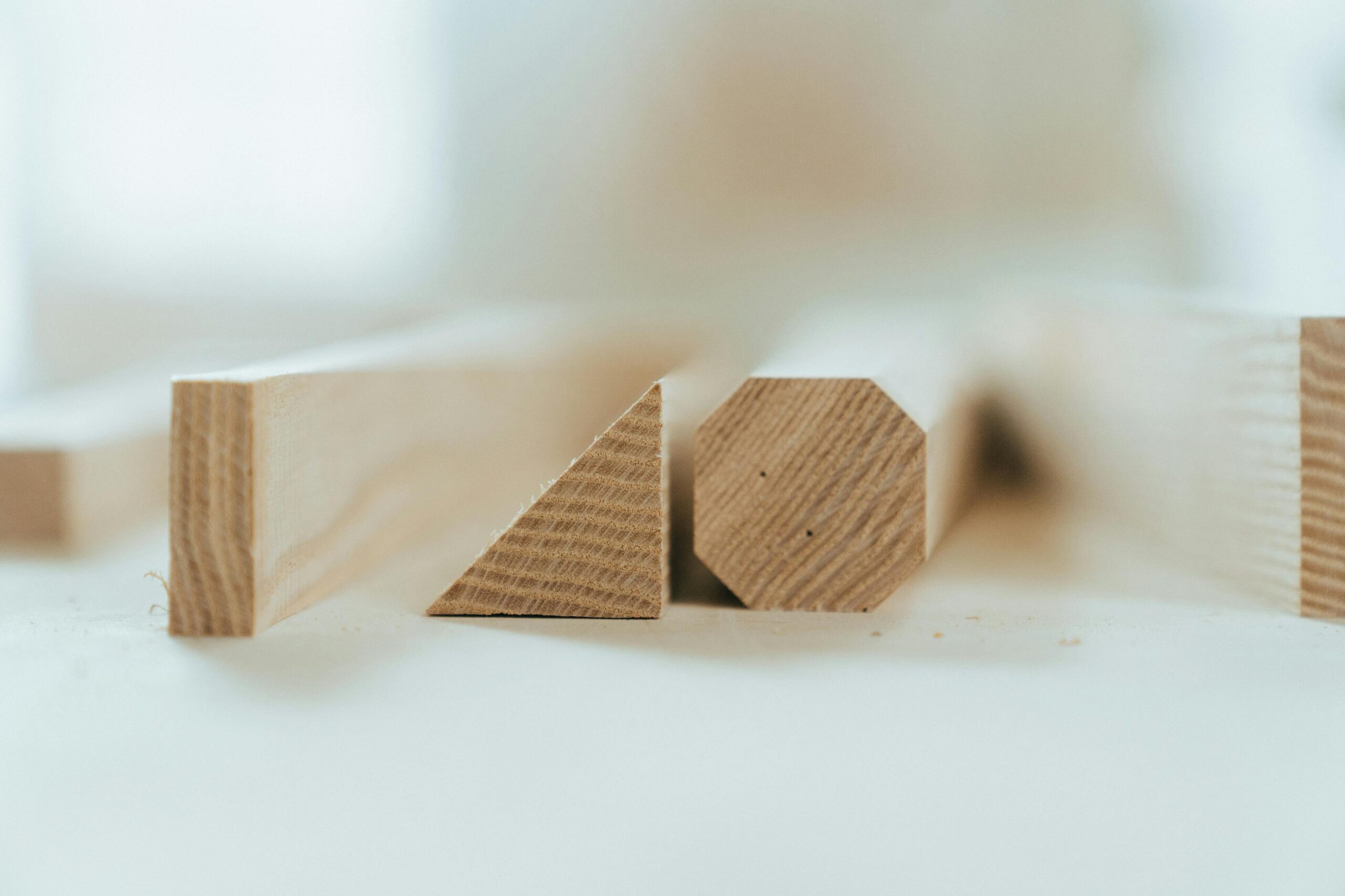
Dressed Timber: Furniture is not just about looks. It’s about durability, comfort, and long-term value. If you’ve ever compared cheap wooden furniture with high-quality pieces, you’ve probably noticed a big difference in finish, strength, and lifespan.
One key factor behind that difference is dressed timber.
In this guide, you’ll learn what dressed timber is, how it improves furniture quality, and why it’s worth choosing for your home.
What Is Dressed Timber?
it is wood that has been processed, planed, and smoothed to create a clean and uniform surface.
In its raw form, timber is rough, uneven, and full of imperfections. Through a process called “dressing,” the wood is:
- Cut to precise dimensions
- Smoothed on all sides
- Treated for better performance
In simple terms:
it is refined wood that is ready for use in furniture and construction.
How Dressed Timber Is Made
Understanding the process helps you see why it offers better quality.
1. Cutting and Sizing
The timber is cut into required sizes based on design needs.
2. Planing
Machines smooth the surface by removing rough layers. This creates:
- Even thickness
- Straight edges
- Clean surfaces
3. Sanding
The wood is further polished to remove small imperfections.
4. Treatment (Optional but Common)
Timber may be treated to improve:
- Moisture resistance
- Pest resistance
- Durability
Why Dressed Timber Improves Furniture Quality
Dressed timber is not just about appearance. It directly affects how furniture performs over time.
1. Smooth and Refined Finish
Rough wood looks unfinished and feels uncomfortable.
Dressed timber provides:
- A clean surface
- Better touch and feel
- A polished appearance
This makes furniture more appealing and comfortable to use.
2. Better Strength and Stability
During the dressing process, weak outer layers are removed.
This results in:
- Stronger core wood
- Reduced chances of cracks
- Improved load-bearing capacity
3. Accurate Dimensions
Precision matters in furniture making.
Dressed timber ensures:
- Straight edges
- Exact measurements
- Better fitting joints
This leads to stronger and more stable furniture.
4. Improved Durability
Well-processed wood lasts longer.
Dressed timber resists:
- Warping
- Splitting
- Wear and tear
5. Better Resistance to Moisture and Pests
Treated dressed timber can handle environmental challenges.
It offers protection against:
- Termites
- Fungal growth
- Moisture damage
Types of Dressed Timber Used in Furniture
Different types of timber are used depending on the purpose and budget.
Hardwood
Examples include:
- Teak
- Oak
- Sheesham
Features:
- Strong and durable
- Long-lasting
- Higher cost
Softwood
Examples include:
- Pine
- Cedar
Features:
- Lightweight
- Easier to work with
- More affordable
Engineered Timber
Includes:
- Plywood
- MDF (Medium Density Fiberboard)
Features:
- Smooth surface
- Cost-effective
- Consistent quality
Common Furniture Made from Dressed Timber
it is used in a wide range of furniture.
Beds
Strong frames that last for years.
Tables
Smooth surfaces perfect for dining or work.
Cabinets and Wardrobes
Precise fitting improves functionality and durability.
Chairs
Better finishing makes them comfortable and sturdy.
Dressed Timber vs Undressed Timber
Let’s compare both to understand the difference clearly.
| Feature | Dressed Timber | Undressed Timber |
|---|---|---|
| Surface | Smooth | Rough |
| Accuracy | High | Low |
| Durability | Strong | Less reliable |
| Appearance | Clean and polished | Raw and uneven |
| Ready for use | Yes | Needs processing |
Benefits of Using Dressed Timber Furniture
Long-Term Value
Although it may cost more initially, it lasts longer and reduces replacement costs.
Better Aesthetic Appeal
Smooth and polished surfaces improve the look of your home.
Safer to Use
No sharp edges or splinters.
Easy to Maintain
Clean surfaces are easier to wipe and care for.
Is Dressed Timber Worth the Cost?
Yes especially if you care about quality.
Why it’s worth it:
- Longer lifespan
- Better performance
- Less maintenance
- Higher resale value
Cheaper furniture often uses low-quality or untreated wood, which wears out quickly.
How to Identify Quality of Furniture
Not all dressed timber is the same. Here’s how to spot good quality:
Check the Surface
It should feel smooth and even.
Look at the Edges
Edges should be straight and clean.
Inspect the Joints
Well-made furniture has tight and strong joints.
Ask About Treatment
Check if the wood is treated for moisture and pests.
Common Mistakes to Avoid
Choosing Based on Price Only
Cheap options often compromise quality.
Ignoring Wood Type
Different woods perform differently.
Skipping Maintenance
Even good wood needs care.
Buying Without Inspection
Always check the finish and build quality.
Maintenance Tips for the Furniture
Proper care extends the life of your furniture.
Keep It Dry
Avoid excess moisture.
Clean Regularly
Use a soft cloth to remove dust.
Avoid Direct Sunlight
Too much sun can fade and damage wood.
Use Protective Coatings
Polish or sealants help maintain the finish.
Environmental Benefits of Dressed Timber
When sourced responsibly, it can be eco-friendly.
Sustainable Forestry
Many suppliers use wood from managed forests.
Long Lifespan
Durable furniture reduces waste.
Recyclability
Wood can be reused or repurposed.
When Should You Choose It’s Furniture?
It’s a great choice if you:
- Want long-lasting furniture
- Care about finish and comfort
- Prefer low maintenance
- Value quality over short-term savings
Final Thoughts
it plays a major role in furniture quality. It transforms raw wood into a refined material that is strong, smooth, and reliable.
If you want furniture that looks good and lasts for years, it is a smart investment.
Focus on:
- Quality materials
- Proper finishing
- Trusted manufacturers
With the right choice, your furniture won’t just fill space—it will add value to your home.
1 thought on “Dressed Timber: How These Furniture Pieces Give You Quality”