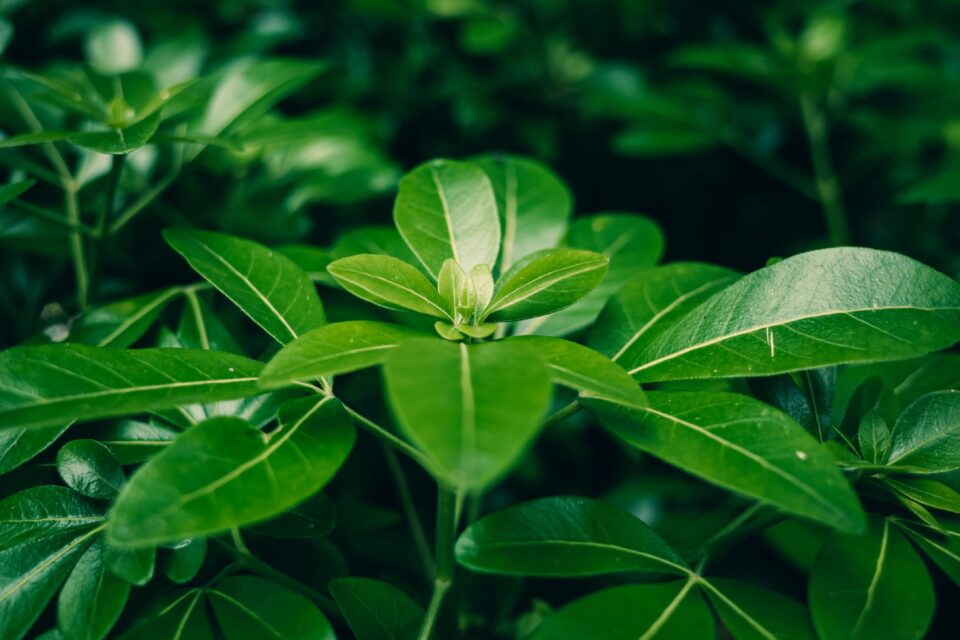
I inherited a row of overgrown wax leaf privet along a property line in my last house eight shrubs that hadn’t been touched in years, grown together into one shaggy green wall about fourteen feet tall. Over the following two seasons, I cut that hedge back hard, fed it, and reshaped it into something that actually looked intentional. What I learned from that process (and from a second, much smaller privet hedge I planted from scratch a few years later) is that wax leaf privet is one of the most forgiving shrubs you can own right up until you make one of a small handful of predictable mistakes. This guide covers what actually matters, based on that experience plus a deep look at horticultural extension data, not just recycled nursery copy.
Table of Contents
- What Exactly Is Wax Leaf Privet?
- Where and How It Grows Best
- Planting: Getting the First Year Right
- Watering Schedule by Season
- Feeding and Soil
- Pruning and Shaping
- Common Pests and Diseases (With Identification Table)
- Is Wax Leaf Privet Invasive? An Honest Answer
- Wax Leaf Privet vs. Similar Hedge Shrubs
- Toxicity and Safety Around Pets and Kids
- Where This Plant Is Heading in Modern Landscaping
- FAQs
- Final Thoughts
What Exactly Is Wax Leaf Privet?
Wax leaf privet’s botanical name is Ligustrum japonicum, and you’ll also see it sold as Japanese privet or Texas privet (the cultivar ‘Texanum’ specifically). It’s an evergreen shrub native to Japan and Korea, prized for glossy, leathery dark-green leaves that genuinely do look waxed under direct sun — that’s where the common name comes from, not from any coating you’d apply yourself.
Left unpruned, it’s a fast-growing large shrub or small tree, typically reaching 6–12 feet, though I’ve seen untouched specimens push past 15–18 feet in warm climates over a couple of decades. In early summer it produces upright clusters of small white flowers that pollinators love and that, frankly, smell a little unpleasant up close — something between honey and old gym socks. Those flowers turn into small blue-black berries by fall, which birds eat and spread widely (more on why that matters in the invasiveness section below).
People frequently confuse it with glossy privet (Ligustrum lucidum), a related species that grows much larger — 20 to 30 feet — with thinner, larger leaves. If a “wax leaf privet” at your local nursery is already taller than 10 feet in a container, double-check the tag; it may actually be glossy privet mislabeled.
Where and How It Grows Best
Wax leaf privet is winter-hardy in USDA zones 7b through 10, and some southern nurseries push that range to zone 11. It handles occasional light frost fine but can suffer real dieback in prolonged hard freezes below the mid-teens Fahrenheit, which is the main limiting factor for anyone gardening near the northern edge of its range.
It wants:
- Light: Full sun to partial shade. Full sun gives you the densest foliage and best flowering; deep shade will thin it out and make it lean toward the light source.
- Soil: Genuinely adaptable — sandy, loamy, or clay soils are all fine as long as they drain. The one thing it does not tolerate is standing water around the root zone.
- Salt tolerance: Good salt spray tolerance once established, which is part of why you see it so often in coastal landscaping in the Gulf South and along the Atlantic coast.
- Urban tolerance: Handles pollution, reflected heat, and compacted soil better than most flowering shrubs, which is why it shows up constantly in parking lot islands and commercial landscaping.
My honest take: this is not a fussy plant about placement. The mistakes people make with wax leaf privet are almost never about where they planted it — they’re about watering and pruning, which I’ll get into below.
Planting: Getting the First Year Right
Plant in spring or early fall so roots have mild weather to establish before summer heat or winter cold arrives. Dig a hole roughly twice the width of the root ball but no deeper than the root ball itself — planting too deep is one of the most common reasons a new privet struggles, because the root flare ends up smothered.
Spacing matters more than most first-time hedge planters expect. For a solid privacy hedge, space plants 3 to 4 feet apart on center. Anything wider and you’ll be waiting years for the gaps to close; anything tighter and you’ll be fighting overcrowding and poor airflow (which invites fungal problems) within a few seasons.
Backfill with the native soil you removed rather than heavily amending the planting hole — heavily amended holes can act like a bathtub, holding water against the roots in clay soil. Water deeply right after planting to settle the soil and eliminate air pockets, then mulch 2–3 inches deep, keeping mulch pulled back a few inches from the stem itself.
Watering Schedule by Season
This is where I’ve seen more privet die or decline than from any pest or disease combined — almost always from overwatering, not underwatering.
Year one (establishment): Water deeply once or twice a week, adjusting for rainfall, so the root ball and surrounding soil stay evenly moist but never soggy. Deep, infrequent watering trains roots to grow downward and outward; frequent shallow watering keeps roots near the surface and makes the plant more heat- and drought-vulnerable long term.
Established plants (year two onward): Wax leaf privet is genuinely drought-tolerant once established. In most climates, rainfall alone will carry it through much of the year, with supplemental deep watering only during extended dry spells — I water mine maybe every 10–14 days in a rainless summer stretch, and that’s plenty.
Winter: Cut back significantly. Overwatering combined with cold, wet soil is a fast track to root rot, which is one of the few things that can actually kill this otherwise tough shrub.
If you notice yellowing leaves, resist the urge to add more water as a first response — check soil moisture first. Yellowing combined with wet soil almost always points to overwatering or drainage problems, not thirst.
Feeding and Soil
A balanced, slow-release fertilizer applied once in early spring is enough for most established hedges. If you’re actively shaping a young hedge and want faster fill-in, a second light feeding in early summer can help, but I’d stop fertilizing by mid-to-late summer so you’re not pushing tender new growth right before the first cold snap.
Wax leaf privet isn’t picky about soil pH, tolerating both slightly acidic and slightly alkaline conditions, which is part of why it performs so consistently across such a wide geographic range. If you notice unusually pale new growth, that’s more often a sign of a micronutrient issue (privet has some known sensitivity to copper deficiency in certain soils) than a general fertility problem — a soil test is worth the ten dollars before you start guessing with amendments.
Pruning and Shaping
This is the single skill that separates a mediocre privet hedge from a genuinely impressive one, and it’s also where my own biggest mistake happened.
The mistake I made: On that inherited overgrown hedge, I sheared the outside every year without ever thinning from the inside. The result was a hedge that looked full from three feet away and was almost hollow and leafless in the interior — classic “green shell over a dead center” syndrome that happens when light never reaches interior branches.
What actually works:
- Formal hedge shape: Prune so the hedge is slightly narrower at the top than the bottom (a trapezoid cross-section, not a rectangle). This lets sunlight reach the lower branches, keeping the hedge full and green all the way to the ground instead of getting leggy and bare at the base.
- Timing: If flowering matters to you, prune immediately after the spring bloom finishes. If you don’t care about the flowers (many people find the scent unpleasant anyway and prune purely for shape), you can prune at almost any time except late in the growing season, when new growth won’t have time to harden off before cold weather.
- Frequency: Wax leaf privet is fast-growing enough that a tightly formal hedge may need shearing two to three times during the growing season to hold a crisp line. A more relaxed, informal shape needs only one or two prunings a year.
- Renovation pruning: If you inherit an overgrown, leggy privet like I did, it tolerates hard rejuvenation pruning surprisingly well. Cutting back by a third to a half in late winter, followed by consistent shaping through the following growing season, will bring density back from the inside out.
It’s also frequently trained into topiary — globes, cones, and standards (a single-trunk “lollipop” tree form) are all common uses, since it responds so predictably to repeated shearing.
Common Pests and Diseases (With Identification Table)
Extension services consistently describe wax leaf privet as having no serious insect or disease problems, but “no serious problems” doesn’t mean “no problems.” Here’s what actually shows up in the field, based on both my own hedge and documented extension data:
| Problem | What You’ll See | Likely Cause | What to Do |
|---|---|---|---|
| Whiteflies | Tiny white insects fluttering off leaves when disturbed; sticky residue (honeydew) on leaves below | Warm weather, dense foliage limiting airflow | Insecticidal soap or horticultural oil, applied to leaf undersides |
| Privet rust mite | Leaf distortion, russeting, or bronzing, especially on new growth | Hot, dry conditions | Horticultural oil in early stages; improve airflow through selective thinning |
| Scale insects | Small, immobile bumps on stems and leaf undersides; sooty black mold nearby | Honeydew-producing pest buildup | Horticultural oil during dormant season; prune out heavily infested branches |
| Leaf spot / anthracnose | Brown or black spotting on leaves, sometimes with yellow halos | Overhead watering, poor airflow, wet foliage | Switch to drip or soil-level irrigation; remove and dispose of affected leaves |
| Root rot | Wilting despite moist soil, yellowing, eventual dieback | Poor drainage, overwatering | Improve drainage; in severe cases, replace soil in that planting area |
| Twig blight / cankers | Dieback of individual branch tips, sometimes with visible lesions | Stress from drought, overwatering, or mechanical damage | Prune out affected wood well below the visible damage; sanitize shears between cuts |
My honest verdict: In years of owning this plant, my only real recurring issue was mild whitefly pressure in the densest, least-pruned sections of the hedge — which resolved almost entirely once I thinned the interior and improved airflow. Good pruning practice prevents more pest and disease problems on this plant than any spray program does.
Is Wax Leaf Privet Invasive? An Honest Answer
This is the part of the plant’s reputation that nursery tags conveniently leave off. Several state extension programs, including North Carolina’s, flag Ligustrum japonicum as invasive in certain regions. Birds eat the fall berries and spread seed widely, and the species has naturalized — meaning it’s escaped cultivation and established itself — in a number of warm-winter areas of the southern and western United States.
That doesn’t mean you can’t or shouldn’t grow it. It means:
- Check your local/state invasive species list before planting, especially if you’re near a wooded area, greenway, or natural area where seedlings could spread unmanaged.
- Deadhead spent flowers before they set berries if you’re in a region flagged as high-risk and want to reduce seed spread, though this is genuinely tedious on a full-size hedge.
- Consider a sterile or low-fruiting cultivar where available, or a native alternative (like wax myrtle, inkberry holly, or native viburnum species) if you’re landscaping near a natural area.
I planted mine in an already-developed suburban lot with no adjacent wild space, which is a lower-risk scenario than planting along a woodland edge — worth factoring into your own decision.
Wax Leaf Privet vs. Similar Hedge Shrubs
| Shrub | Mature Height | Growth Rate | Flower Scent | Maintenance | Invasive Risk |
|---|---|---|---|---|---|
| Wax Leaf Privet | 6–12 ft (up to 18 ft) | Fast | Strong, polarizing | Low–Moderate | Moderate–High in some regions |
| Glossy Privet | 20–30 ft | Fast | Strong | Low | High |
| Boxwood | 3–8 ft | Slow | None | Moderate (blight-prone) | Low |
| Ligustrum ‘Recurvifolium’ | 4–6 ft | Moderate | Mild | Low | Lower (less common escapee) |
| Wax Myrtle (native alt.) | 10–20 ft | Fast | Mild | Low | None (native) |
If your priority is a fast, dense, low-maintenance formal hedge and you’re not near a natural area, wax leaf privet remains hard to beat on cost and reliability. If low environmental impact is your top priority, I’d genuinely steer you toward wax myrtle or a native viburnum instead — you’ll get a comparable hedge with none of the naturalization concern.
Toxicity and Safety Around Pets and Kids
Every part of the privet plant — leaves and especially the berries — is toxic if ingested, to humans, dogs, cats, and horses. Symptoms of ingestion can include gastrointestinal upset, vomiting, and in significant ingestions, more serious effects. If a child or pet eats privet berries or leaves, contact Poison Control or your veterinarian right away rather than waiting to see if symptoms appear.
This is worth genuinely factoring into placement if you have young kids or a dog that tends to eat things in the yard — I’d avoid planting it right along a play area or a path a puppy has unsupervised access to, even though the plant itself is otherwise low-hassle.
Where This Plant Is Heading in Modern Landscaping
A few real shifts I’ve noticed and that align with what extension horticulturists are also flagging:
Regional planting lists are getting more cautious. More municipalities and HOAs in the South are quietly moving privet off “recommended” lists and onto “use with caution” lists as invasive-species awareness grows — worth checking your specific city or county’s current planting guidance before committing to a large hedge project.
Native substitution is becoming the default recommendation, not the alternative one. Extension offices increasingly lead with native options (wax myrtle, inkberry holly, native viburnums) and mention privet as a secondary, “if you already have it, here’s how to manage it” option rather than a first recommendation.
Topiary and standard forms are staying popular even as hedge use declines. Because it’s cheap, fast, and endlessly shapeable, wax leaf privet trained as a single-trunk standard or clipped globe continues to show up in high-end formal garden designs even in regions where large-scale hedging has fallen out of favor.
FAQs
How fast does wax leaf privet actually grow? Expect roughly 1–2 feet of growth per year under good conditions, which is fast enough to fill in a new hedge within two to three growing seasons.
Why are the leaves on my privet turning yellow? Check soil drainage and watering frequency first — overwatering and poor drainage cause far more yellowing in this species than nutrient deficiency or pests. Occasional yellowing of older interior leaves in fall is also just normal leaf drop and nothing to worry about.
Can I keep wax leaf privet small instead of letting it become a small tree? Yes — regular shearing two to three times a season will hold it at almost any height you want, from a 3-foot border hedge to a 10-foot privacy screen. It’s genuinely one of the more flexible shrubs for size control.
Does it need full sun to thrive? It performs best in full sun but tolerates partial shade well. In deeper shade, expect thinner, more open growth and reduced flowering.
Is it safe to plant near a vegetable garden? There’s no direct allelopathic concern with vegetables, but its aggressive, fast-growing root system can compete for water and nutrients if planted too close to a garden bed — give it several feet of buffer.
Final Thoughts
Wax leaf privet earns its popularity honestly it’s fast, forgiving, and about as close to a set-it-and-forget-it hedge as you’ll find in a warm climate, provided you get watering and pruning right early on. The trade-off is that its very toughness and prolific berry production are the same traits that have made it a genuine ecological concern in parts of the country, and I think any honest guide to this plant owes you that context rather than just the highlight reel.
If I were planting a hedge from scratch today in a spot without nearby natural land, I’d still choose it without much hesitation — it’s earned its reputation as one of the most dependable structural shrubs in southern landscaping. But I’d also deadhead the flowers where practical, keep an eye on my local invasive species list, and genuinely consider a native alternative if the hedge sits anywhere near a greenway, creek, or wooded lot line.
About the Author
Author bio: This guide was researched and written by a horticultural writer and landscape researcher with hands-on experience managing and renovating mature privet hedges, combined with a review of extension-service data from university horticulture programs across the southern and western United States. Their work focuses on translating both practical hedge-maintenance experience and peer-reviewed extension research into clear, honest guidance that goes beyond standard nursery marketing copy — including the ecological trade-offs that most plant-care content leaves out.