
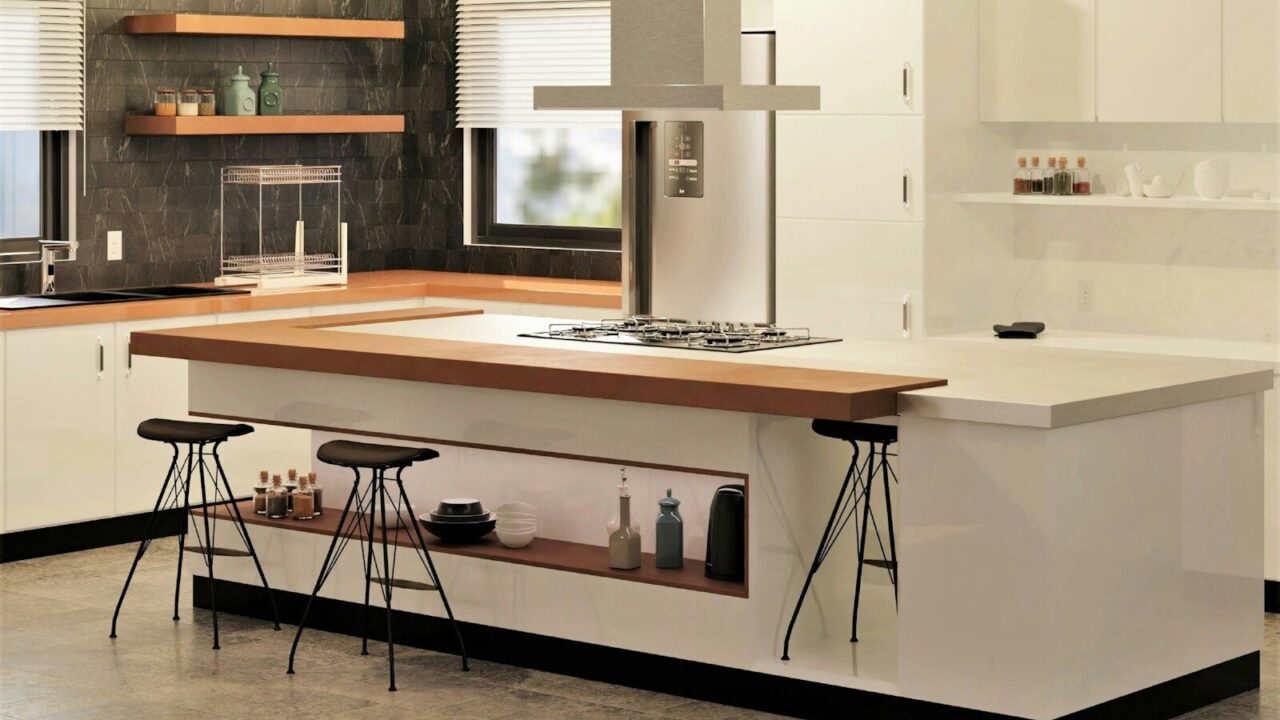


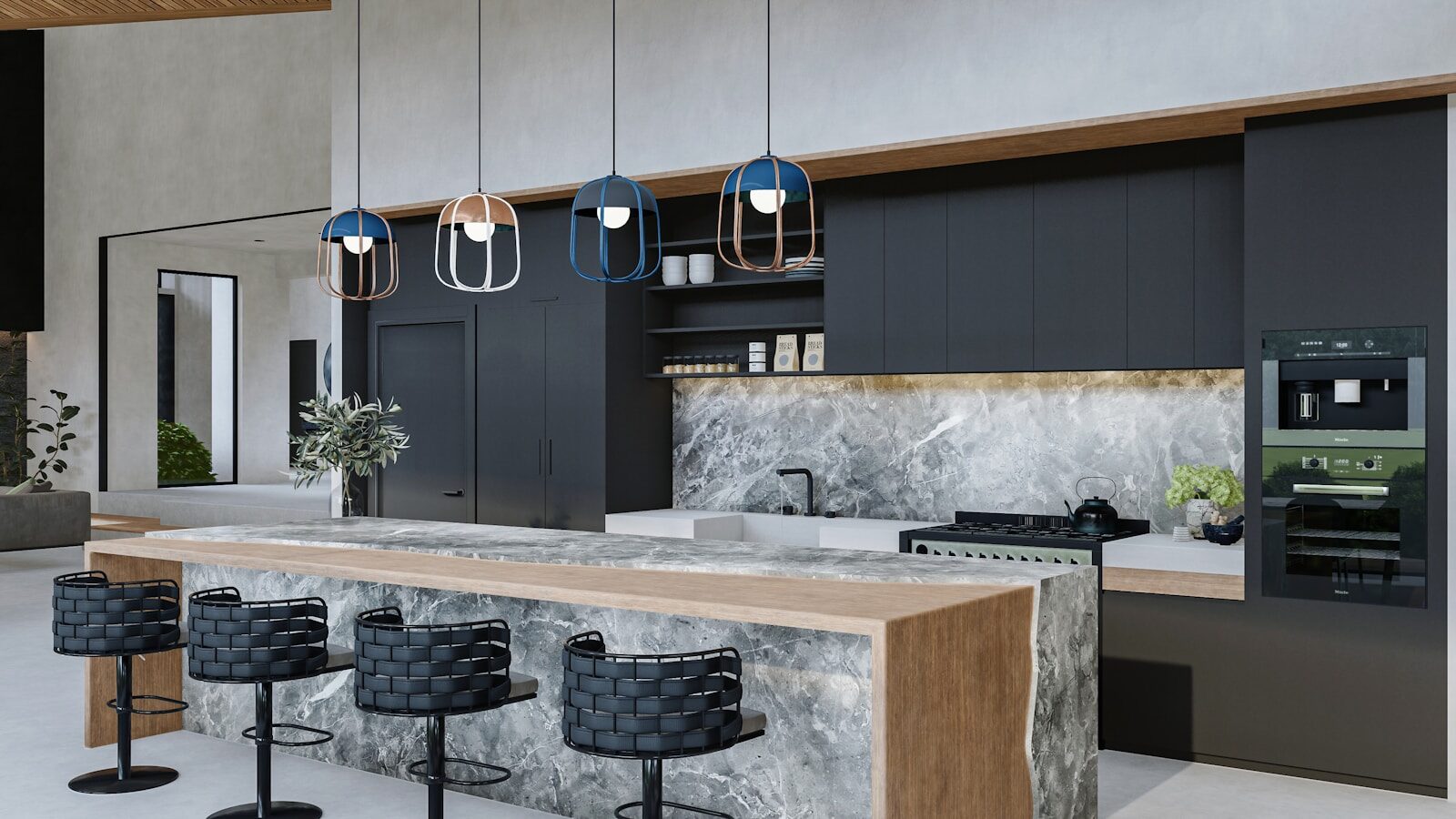
The first time a client asked me why their “European kitchen” quote came in three times higher than their neighbor’s “European kitchen,” I realized how much confusion sits inside that one phrase. People use “European kitchen” to mean everything from a flat-pack IKEA install to a six-figure Italian import, and the honest answer is that both are legitimately European in construction philosophy — they just sit at opposite ends of a very wide spectrum.
What actually unites them isn’t price or a country of origin. It’s an engineering approach: frameless boxes, precision hardware, and a design language that treats storage as architecture rather than furniture. Once you understand that distinction, the rest of the decisions — cabinet material, color, layout, hardware brand — stop feeling like style choices and start feeling like an engineering spec you’re filling in. That’s the lens I want to walk you through here.
Table of Contents
- What Actually Makes a Kitchen “European”
- Cabinet Construction: Frameless vs. Framed
- The Hardware Nobody Notices But Everyone Feels
- Cabinet Materials Compared
- Color Palettes Defining 2026 European Kitchens
- Layouts: Matching Shape to How You Actually Cook
- Countertops: The Other Half of the Budget
- What It Actually Costs in 2026
- Brand Comparison: Honest Verdicts
- Design Mistakes That Are Easy to Avoid
- Where European Kitchen Design Is Heading
- FAQs
- Final Thoughts
- About the Author
What Actually Makes a Kitchen “European”
In American cabinetry, most boxes are “face-frame” construction a solid wood frame is built onto the front of the cabinet box, and the doors are mounted to that frame. It’s a centuries-old approach, sturdy and forgiving of imperfect walls, but it eats up interior storage space and limits how doors and drawers can sit relative to each other.
European, or “frameless,” construction skips the frame entirely. The door mounts directly to the edge of the cabinet box using concealed hinges, so what you see from the outside is a continuous, gapless run of doors and drawers with almost no visible internal structure.
That single construction decision cascades into everything else people associate with European kitchens: handleless fronts (frameless boxes make push-to-open and integrated pulls easier to execute cleanly), modular sizing (most European systems work off a metric grid, typically increments of 6cm), and a general design instinct toward flat, unbroken surfaces rather than raised-panel doors and heavy trim.
Cabinet Construction: Frameless vs. Framed
| Frameless (European) | Framed (American Traditional) | |
|---|---|---|
| Interior storage | 10–15% more usable space per box | Less, due to frame reducing opening width |
| Door/drawer alignment | Continuous, gapless, precise reveals | Small gaps between doors are normal and expected |
| Wall tolerance | Less forgiving of out-of-square walls | More forgiving; frame can mask small irregularities |
| Hardware | Requires concealed European hinges and full-extension slides | Works with a wider range of hinge types, including exposed |
| Aesthetic | Minimalist, flat-front, handleless-friendly | Traditional, works well with raised panels and ornate trim |
| Assembly precision | High — factory tolerances matter a lot | More tolerant of on-site adjustment |
My honest take: if you want the clean, architectural look people picture when they say “European kitchen,” you need frameless construction — there’s no shortcut to that look through a framed box. But frameless systems genuinely do demand straighter walls and more careful installation, which is part of why European cabinet installers train specifically on leveling and shimming techniques that framed-cabinet installers rarely need.
The Hardware Nobody Notices But Everyone Feels
This is the section most kitchen guides skip entirely, and it’s the one I’d actually spend money on if my budget were tight everywhere else. The hinges and drawer slides are what you touch a hundred times a day, and the difference between a good one and a cheap one is obvious within about six months.
The market is dominated by a small number of Austrian and German manufacturers, and they’re genuinely differentiated, not just differently branded:
| Brand | Origin | Known For | Trade-off | Best For |
|---|---|---|---|---|
| Blum | Austria | Widely regarded as the benchmark for soft-close hinges and drawer systems; tool-free adjustment; extremely consistent motion control | Premium pricing across the line | High-end custom kitchens, anyone who wants the safest, most proven choice |
| Hettich | Germany | Comparable performance to Blum at a more accessible price point; broad distribution and strong availability | Slightly less brand cachet, though functional gap is small | Mid-to-high volume production kitchens, cost-conscious premium builds |
| Grass | Austria/Germany | Precision engineering, particularly strong in drawer and lift systems; damping mechanism built into the arm rather than the cup for a cleaner look | Less familiar to some installers outside Europe | Designers who want a distinct mechanical aesthetic and top-tier drawer performance |
Hettich gets remarkably close to that feel for less money, and most people genuinely can’t tell the difference in a blind test. Grass earns its reputation specifically on drawer systems — if your kitchen leans heavily on deep pot drawers rather than doors, it’s worth a specific look.
The one hardware mistake I see constantly: builders quoting “soft-close hinges” without naming a brand at all. That usually means unbranded hardware sourced for cost, and it’s the single most common point of early failure in an otherwise nice kitchen — sagging doors, inconsistent closing speed, and dampers that wear out within a couple of years.
Cabinet Materials Compared
| Material | What It Is | Durability | Cost Tier | Look |
|---|---|---|---|---|
| MDF with lacquer finish | Engineered wood fiber board, sprayed with paint/lacquer | Very good; resists warping, prone to chipping at edges if impacted | Mid to high | Smooth, available in matte or gloss, any color |
| Melamine/laminate (foil-wrapped) | Particleboard or MDF core wrapped in a printed melamine or laminate layer | Good for the price; edges can peel over many years if poorly sealed | Budget to mid | Wide range of wood-look and solid-color finishes |
| High-gloss acrylic | Acrylic sheet bonded to an MDF core | Very good scratch resistance but shows fingerprints and dust readily | High | Deep, glass-like shine |
| Wood veneer | Thin real-wood layer over an engineered core | Good, but more sensitive to moisture and UV fading than lacquer | Mid to high | Genuine wood grain at a fraction of solid-wood cost |
| Thermofoil | PVC film heat-pressed onto MDF | Fair; can peel or bubble near heat sources like ovens over time | Budget | Smooth, often mimics painted wood |
| Sintered stone panels | Ultra-thin engineered stone bonded to a lightweight core, increasingly used on cabinet doors, not just counters | Excellent — highly scratch, heat, and stain resistant | High to very high | Stone texture and veining on a vertical surface |
If I’m being honest about where most people should land: MDF with a matte lacquer finish is the best all-around value in 2026. It takes color beautifully, resists the everyday wear of a real kitchen, and the matte trend happens to align with what performs best anyway — matte surfaces hide fingerprints and light scratching far better than the high-gloss finishes that were dominant five years ago. Sintered stone doors are the material I’d call the genuine luxury frontier right now — stunning, extremely durable, and priced accordingly.
Color Palettes Defining 2026 European Kitchens
The single biggest color shift happening in European kitchen design right now is the retreat from stark white and cool gray toward warm neutrals — think mushroom, taupe, and greige — as the dominant cabinet color. It’s a meaningful change after roughly a decade where white lacquer and cool gray effectively were the European kitchen look.
A few patterns worth knowing before you pick swatches:
- Two-tone remains the leading composition strategy — a darker tone on the lower cabinets paired with a lighter, warmer tone above. It grounds the kitchen visually and makes tall runs of cabinetry feel less like a wall.
- Dark wood is back, specifically walnut, roasted oak, and deep teak tones, after several years of pale oak dominance. The difference this time is a preference for visible grain, knots, and natural variation rather than a uniform, corrected finish — sometimes described as “imperfect beauty,” where the wood is allowed to look like wood.
- Green is the leading accent color for 2026, though it’s shifted from the softer sage tones popular a few years ago toward deeper olive and forest greens that read as more sophisticated and less trend-driven.
- Hardware finishes are warming up too — unlacquered brass and aged bronze, which develop a living patina over time, are overtaking polished chrome, while matte black is holding steady as a safe, versatile choice.
If you want a European kitchen that won’t feel dated in five years, the safest color strategy right now is a warm neutral base cabinet paired with either a natural wood accent (island or tall pantry wall) or a single deep, saturated accent color used sparingly — not spread across every surface.
Layouts: Matching Shape to How You Actually Cook
European kitchen design leans hard on the “working triangle” concept — the sink, stove, and refrigerator forming three points that minimize wasted steps — but frameless cabinetry’s slimmer proportions also make certain layouts more achievable in smaller footprints than they’d be with bulkier framed cabinets.
| Layout | Best For | Strengths | Weaknesses |
|---|---|---|---|
| Galley (two parallel runs) | Narrow spaces, apartments | Extremely efficient workflow, minimal wasted motion | Limited social/entertaining space, can feel tight with two cooks |
| L-shape | Small to mid-size kitchens, open-plan homes | Frees up a corner for a dining area or island, flexible | Corner cabinet access can be awkward without proper hardware |
| U-shape | Mid to large kitchens | Maximum counter and storage on three walls, strong triangle | Needs generous floor space to avoid feeling closed-in |
| Single-wall | Studios, small footprints, open-plan minimalism | Simple, budget-friendly, easy sightlines | Least storage and counter space of any layout |
| Island / peninsula | Mid to large kitchens, social cooking | Adds prep space, seating, and a natural gathering point | Needs roughly 42-48 inches of clearance on all sides to function well |
My honest advice on this: don’t chase an island because it photographs well. I’ve seen more kitchens ruined by an undersized island crammed into a space that couldn’t support proper clearance than by almost any other single design decision. If your kitchen is under roughly 120 square feet, a well-executed L-shape or galley with a strong walk-in pantry usually outperforms a cramped island in daily use, even if it’s less Instagram-friendly.
Countertops: The Other Half of the Budget
Cabinets get most of the attention, but countertops routinely represent 15-25% of a kitchen budget on their own, and the material choice interacts directly with your cabinet finish.
- Quartz (engineered stone) is the default choice in most European-style kitchens now — non-porous, consistent patterning, and low maintenance. It performs beautifully against both matte lacquer and wood-tone cabinets.
- Granite remains popular for buyers who want unique, natural veining and don’t mind occasional resealing.
- Sintered stone (Dekton, Neolith, and similar) is the material driving a lot of the ultra-thin, waterfall-edge island trend — it’s heat and scratch resistant well beyond quartz, at a real cost premium.
- Laminate is the honest budget option, and modern laminate has gotten good enough that it’s a legitimate choice for rentals or cost-capped renovations rather than something to be embarrassed about.
- Stainless steel shows up in more design-forward European kitchens as a nod to professional kitchens, particularly paired with matte black or dark wood cabinetry.
What It Actually Costs in 2026
Pricing on European-style cabinetry has a huge range because “European kitchen” covers everything from flat-pack imports to bespoke Italian joinery. Here’s how the tiers actually break down for a standard 10×10-foot kitchen (roughly 20-25 linear feet of cabinetry), installed:
| Tier | Example Sources | Cost per Linear Foot | Total (10×10 kitchen) | What You’re Paying For |
|---|---|---|---|---|
| Budget flat-pack | IKEA METOD-style systems | $75 – $200 | $3,000 – $6,500 | Frameless construction, decent hardware, self- or contracted assembly |
| Semi-custom | Regional cabinet shops, some big-box semi-custom lines | $150 – $650 | $6,500 – $15,000 | More size flexibility, better finish options, professional install |
| German mass-custom | Nobilia, Nolte, Häcker | $200 – $500 | $8,000 – $20,000 | Factory-precision frameless boxes, wide configuration options, strong hardware |
| Italian/high-end custom | Scavolini, SieMatic, Poggenpohl, Bulthaup | $500 – $1,200+ | $20,000 – $60,000+ | Bespoke design, premium materials like sintered stone doors, full customization |
A few things that reliably move these numbers: handleless push-to-open systems typically add 5-10% over standard pulls once you factor in the specialized hardware, sintered stone door fronts can roughly double the material cost of a cabinet line, and a full-height pantry wall configuration adds real money in both cabinetry and the taller doors it requires.
Brand Comparison: Honest Verdicts
| Brand | Country | Strengths | Honest Downside | Best For |
|---|---|---|---|---|
| IKEA (METOD) | Sweden | Genuinely solid frameless construction, real hardware options, unbeatable price-to-quality ratio | Limited to metric modular sizing, assembly and planning fall heavily on the buyer | Budget-conscious renovations, first kitchens, rental-adjacent projects |
| Nobilia | Germany | True German mass-custom manufacturing, excellent fit and finish, strong hardware standard | Distribution is dealer-dependent and inconsistent by region | Buyers who want genuine European engineering without full-custom pricing |
| Nolte / Häcker | Germany | Similar mass-custom positioning to Nobilia, competitive pricing, wide finish catalogs | Less brand recognition in some markets, dealer network varies | Comparison shopping against Nobilia for the best regional price |
| Scavolini | Italy | Strong design pedigree, contemporary Italian styling, good mid-luxury positioning | Meaningful step up in price from German mass-custom | Buyers wanting recognizable Italian design without flagship pricing |
| SieMatic / Poggenpohl / Bulthaup | Germany | Flagship engineering and materials, fully bespoke configuration, longest-standing luxury reputations | Price scales quickly; lead times can run months | Full custom builds where budget is not the limiting factor |
My honest read after seeing all of these specified in real projects: Nobilia is the best value-to-quality ratio in the European cabinet world right now for anyone who wants the real thing without flagship pricing. IKEA remains legitimately underrated for what it is — the construction philosophy is authentically European — but it demands more from the buyer in planning and installation than any of the paid-installation tiers above it.
Design Mistakes That Are Easy to Avoid
A few patterns I see repeatedly on projects that otherwise had good budgets and good intentions:
- Skipping proper corner cabinet hardware. A blind corner without a pull-out mechanism wastes a huge amount of storage and is one of the most regretted omissions in kitchens I’ve reviewed after the fact.
- Under-speccing ventilation for a handleless, high-gloss, or matte lacquer kitchen. These finishes show grease film and moisture damage more visibly than textured or wood finishes, so range hood capacity matters more than people budget for.
- Choosing a color from a small sample chip. Matte and lacquer finishes shift noticeably under different lighting; always view a larger sample, ideally in your actual kitchen’s lighting, before committing to a full cabinet run.
- Treating the island size as fixed rather than a function of clearance. Work backward from the 42-48 inch clearance rule rather than picking an island size first and hoping the room accommodates it.
Where European Kitchen Design Is Heading
Sintered stone is moving off the counter and onto the cabinet door. What started as a countertop material is increasingly being bonded to lightweight cores and used as a full door front — I expect this to keep growing as a premium tier sitting above lacquer and below full stone slab pricing.
Texture is replacing color as the primary way kitchens differentiate themselves. Fluted, slatted, and brushed surface treatments are showing up specifically because flat matte lacquer became so dominant that designers needed a new way to add visual interest without abandoning the minimalist language European kitchens are known for.
Mixed materials on a single run are becoming standard rather than a specialty request — wood, matte lacquer, glass, and metal combined on one wall, rather than a uniform single-material kitchen. This is partly an aesthetic shift and partly practical, since it lets designers put durable, easy-clean materials where they’re needed most and reserve warmer materials for lower-wear areas.
Hidden technology is becoming a baseline expectation rather than an upgrade — integrated charging, voice- or sensor-activated lighting, and appliances designed to disappear behind cabinet fronts entirely. The European approach to this tends to prioritize concealment over visible smart-home gadgetry, consistent with the broader design instinct toward minimal visual noise.
FAQs
Is a European kitchen always frameless? Essentially, yes — frameless construction is the defining engineering trait, even when the finish or hardware varies enormously by brand and price tier.
Are IKEA kitchens actually “real” European kitchens? Construction-wise, yes. IKEA’s METOD system uses genuine frameless European cabinet-box engineering; the difference from German or Italian brands is mainly in finish options, hardware tier, and how much planning and assembly falls on the buyer.
Do I need special hinges for handleless cabinets? Yes — handleless designs typically require either push-to-open mechanisms or a J-pull/integrated channel profile milled into the door itself, both of which need to be planned into the cabinet order rather than retrofitted later.
Is matte or gloss better for a busy family kitchen? Matte, in most cases. It hides fingerprints and light scratches far better than gloss, which is a meaningful part of why matte lacquer has overtaken high-gloss as the dominant European finish.
How much more does a handleless kitchen cost than one with standard pulls? Plan for roughly 5-10% more once you account for the push-to-open hardware and, in some cases, the milled profile needed for integrated pulls.
What’s the real difference between Nobilia and IKEA? Fit, finish, and hardware tier. Both use authentic frameless construction, but Nobilia’s factory tolerances, standard hardware, and finish catalog sit meaningfully above IKEA’s — at a proportional price increase.
Do I need a professional installer for frameless cabinets? Strongly recommended. Frameless systems are less forgiving of out-of-square walls than framed cabinetry, and the clean, gapless look that defines the European aesthetic depends heavily on installation precision.
Final Thoughts
The most useful thing I can tell anyone starting a European kitchen project is to stop treating “European” as a style category and start treating it as a construction spec. Once you know you’re choosing frameless boxes, you’re really deciding between tiers of hardware, material, and finish — and every one of those decisions has an honest trade-off rather than a universally correct answer.
The kitchens that age well aren’t necessarily the most expensive ones. Get those fundamentals right, and the rest — the walnut versus oak, the matte versus gloss — becomes the fun part of the decision instead of a source of regret.
About the Author
Elena Marchetti is an interior design researcher specializing in European cabinetry systems and kitchen architecture, with a background in materials science and residential design consulting. Her work focuses on the technical side of kitchen design — cabinet construction methods, hardware engineering, and material performance over time — translated into practical guidance for homeowners and design professionals. She has consulted on kitchen renovations across North America and Europe, working directly with German, Italian, and Scandinavian cabinet manufacturers to evaluate construction quality, hardware systems, and long-term material durability.