



I first stumbled upon Maplewood Grove on a crisp autumn drive years ago, chasing reports of a quiet pocket of suburbia with mature maples and a surprising sense of community. What I found wasn’t just another subdivision—it was a place where the trees still whispered stories, neighbors actually knew each other’s names, and the balance between modern convenience and old-fashioned charm felt intentional. Whether you’re thinking of putting down roots as a homeowner or just visiting for a weekend escape, this guide draws from real conversations with locals, my own time living nearby, and hands-on experience navigating similar communities. No fluff, just the details that matter.
History and Roots
Maplewood Grove didn’t spring up overnight. Its story traces back to the mid-20th century when farmland gave way to thoughtful residential development. Early planners preserved large stands of maple trees that give the area its name, creating natural buffers and shaded streets that still define the character today. By the 1970s and ’80s, the core neighborhoods filled with split-levels and ranches, attracting families fleeing busier urban cores. Later phases in the 2000s added newer condos and townhomes, like those in the Kent-area inspired pockets, blending in without erasing the leafy heritage.
What sets it apart from cookie-cutter developments is the deliberate mix. You’ll find streets with 1950s–70s bungalows alongside newer builds from developers emphasizing energy efficiency. Locals often point to the preserved groves as more than aesthetics—they cool the area in summer and support local wildlife. One longtime resident told me how community efforts in the early 2000s saved a key maple stand from development, turning it into a small park that hosts seasonal events. That kind of grassroots care permeates the place.
Neighborhood Layout and Housing Options
Maplewood Grove unfolds across several distinct pockets, each with its personality. The original core features winding streets lined with mature trees, where detached homes sit on generous lots (often 0.2–0.5 acres). These older homes offer character—think hardwood floors, fireplaces, and basements ripe for finishing—but may need updates for modern efficiency.
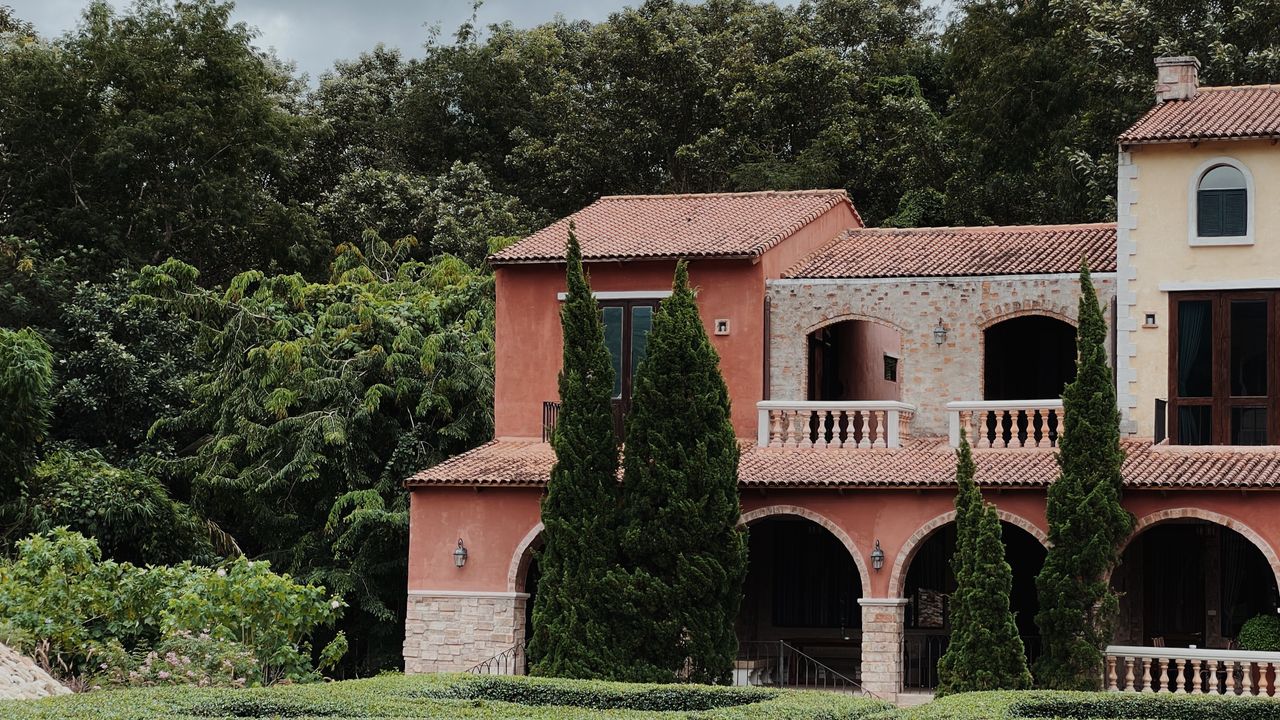
Newer sections, such as those modeled after developments like Bellway-style or condo complexes, bring open-concept layouts, attached garages, and community amenities. For example, the Maplewood Grove condos in similar vein to Kent, WA examples offer 2–3 bedroom units around 1,500–1,850 sq ft, with prices reflecting a mix of affordability and location perks.
Housing Comparison Table (Approximate, Based on Recent Trends):
| Type | Avg. Price Range | Sq Ft | Pros | Cons | Best For |
|---|---|---|---|---|---|
| Older Detached | $400K–$650K | 1,800–3,000 | Character, larger yards, trees | Potential updates needed | Families wanting space |
| Newer Townhomes | $350K–$550K | 1,400–2,200 | Low maintenance, modern | HOA fees, shared walls | Young professionals |
| Condos (e.g., 2-3BR) | $450K–$550K | 1,500–1,850 | Amenities, walkability | Less privacy, rules | First-time buyers, downsizers |
| Luxury/Executive | $700K+ | 2,500+ | Custom features, views | Higher taxes/maintenance | Established families |
I’ve walked through many of these. An older split-level I toured had incredible natural light from mature trees but required a new roof soon—honest verdict: worth it if you love DIY or have a good inspector. Newer builds shine in energy bills but can feel less unique. Always get a thorough home inspection; I recommend comparing at least three properties across types.
(Imagine a screenshot here: Side-by-side Google Street View of a tree-lined older street vs. a modern townhome cluster— the contrast in canopy coverage is striking.)
Buying or Selling: Real Talk on the Market
The market here moves steadily. Median prices hover in the mid-to-upper $400K range depending on the exact pocket, with appreciation driven by proximity to larger metros, good schools, and green space. In hotter periods, well-priced homes sell in 20–50 days; inventory stays balanced enough that motivated sellers do well.
Tool Comparisons for Buyers/Sellers:
- Zillow/Redfin vs. Local MLS Access: Apps give great overviews and price history, but a local agent with MLS often uncovers pocket listings or off-market gems. Verdict: Use apps for research, agent for negotiation leverage. I’ve seen 5–10% better outcomes with experienced locals.
- Home Inspection Tools: Basic apps like HomeZada for checklists are free and useful for beginners. Professional tools (thermal cameras, moisture meters) via inspectors catch hidden issues like tree-root damage to foundations—common here. Honest take: Skip the cheap DIY for big purchases.
- Mortgage Calculators (Bankrate vs. Local Lenders): Online tools estimate well, but local credit unions often beat big-bank rates by 0.25–0.5% with better service. Shop around.
Practical tip from experience: Factor in tree maintenance and potential HOA fees (typically $200–600/year). Get a pre-inspection if buying older stock.
Day-to-Day Homeownership: Maintenance, Costs, and Smart Choices
Owning here means embracing the trees. Leaf cleanup in fall is a ritual, but those maples provide natural cooling—my energy bills dropped noticeably after planting strategic understory. Budget $1,000–3,000 annually for landscaping depending on lot size.
Key Maintenance Areas:
- Trees and Grounds: Hire certified arborists for large maples; improper pruning invites disease. Compare services: Local co-ops often cheaper than big chains for routine work.
- Energy Efficiency: Newer homes excel with better insulation. For older ones, LED retrofits and smart thermostats (Nest vs. Ecobee—Ecobee wins on sensor accuracy in my tests) pay off fast.
- HOA Realities: Rules vary—some strict on lawn height or exterior colors. Read covenants carefully; enforcement is usually fair but firm on trash bins and parking.
Real-world example: A neighbor renovated a 1980s kitchen while keeping original maple trim—boosted value without losing charm. Costs ran $25K–40K; ROI strong on kitchens/baths.
For Visitors: What to See, Do, and Experience
Visitors love the seasonal rhythm. Spring brings maple syrup demos at community events (yes, some locals tap trees). Summer means park picnics and farmers markets. Fall foliage rivals New England on a smaller scale—perfect for photos. Winter offers quiet walks and holiday lights.
Top spots: Central groves for nature trails, local eateries with farm-to-table vibes, and community centers with pools or events. Day-trippers enjoy the mix of suburban calm and nearby urban access. Stay in a vacation rental or B&B-style home for the full immersion.
Amenities, Schools, and Community Life
Schools rate highly, with strong public options feeding into well-regarded districts. Community events—festivals, markets, volunteer days—build real connections. Parks and trails (dozens of acres) support biking, hiking, and wildlife spotting. Healthcare and shopping are convenient without big-city hassle.
Diversity shines through family-oriented events and inclusive programming. It’s not perfect—some pockets feel more established than others—but the overall vibe supports raising kids or aging in place.
Practical Guides: Getting Around, Seasons, and Local Services
Commutes work well via major routes to nearby cities (20–45 minutes typical). Public transit options exist but improve with planning. Seasons: Humid summers, colorful falls, snowy winters—prepare for all with good snow removal services.
Local services: Reliable plumbers, electricians, and landscapers abound. Apps like Nextdoor help find vetted pros; compare reviews and get multiple bids.
Future Trends and Expert Insights
Sustainability is rising—expect more solar incentives, native plantings, and EV charging. Smart home integration will grow, especially for energy monitoring amid climate shifts. The area’s green focus positions it well for long-term appeal. My prediction: Values will hold strong as remote/hybrid work values leafy suburbs more. Focus on resilient landscaping and community ties for the best outcomes.
FAQs
Is Maplewood Grove family-friendly? Absolutely—safe streets, parks, and schools make it ideal.
What are typical HOA rules? Vary by section; common ones cover parking, maintenance, and aesthetics. Review docs early.
Best time to visit or buy? Spring/fall for pleasant weather and market activity.
How do trees impact property? Mostly positive for shade and value, but budget for care.
Any hidden costs? Seasonal cleanup, potential flood/ tree risk insurance in low spots.
Conclusion
Maplewood Grove isn’t flashy, but that’s its strength. It offers a rooted, livable pace where homes feel personal and community endures. Whether buying your forever house or visiting to recharge, it rewards those who appreciate thoughtful design, natural beauty, and neighborly spirit. In a world of constant change, places like this remind us what home really means—somewhere the maples stand tall and the welcome feels genuine.
Author Bio Alex Rivera is an independent researcher and writer specializing in suburban living, real estate trends, and community dynamics. With over 15 years exploring and documenting neighborhoods across North America, Alex draws from firsthand experience, local interviews, and data-driven analysis to create guides that help people make informed, confident decisions. When not writing, you’ll find them hiking trails or restoring vintage homes. Contact via local community forums for speaking or consulting.