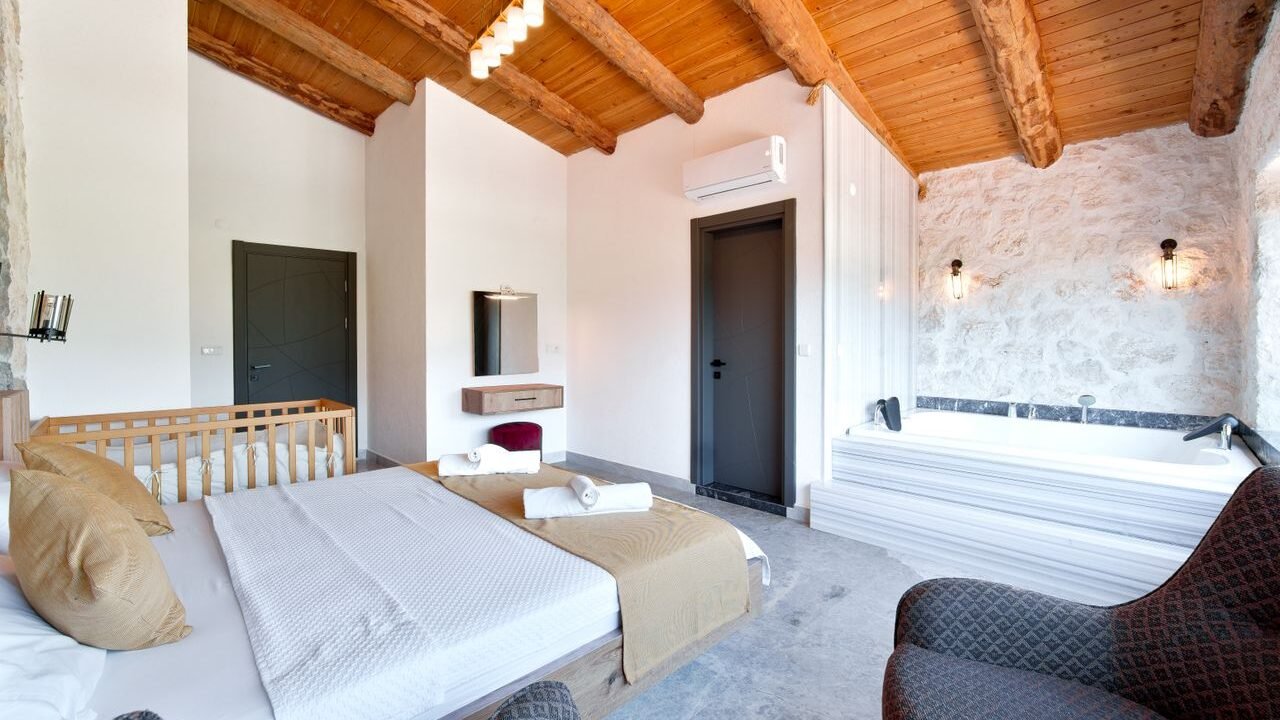




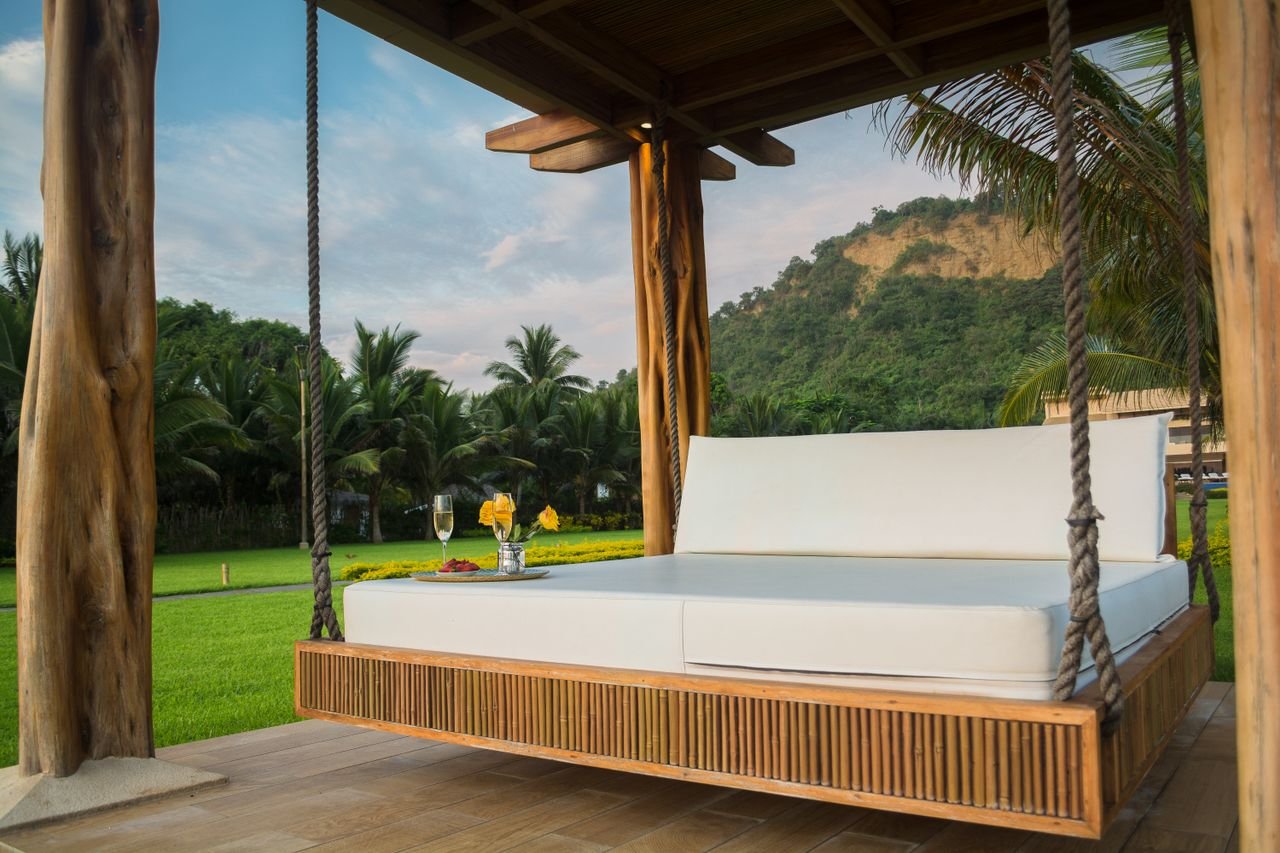
I still remember the first time I slept under a real wood canopy bed. It was in a renovated farmhouse in upstate New York during a brutal winter. The posts were solid oak, the grain catching the low light from a single lamp, and the sheer linen panels moved just enough with the draft from an old window to make me feel completely enclosed without feeling trapped. That night changed how I thought about bedrooms. A canopy bed isn’t just furniture. When the wood is right and the proportions work, it becomes architecture you sleep inside.
If you’re considering one, you’re probably already past the “pretty Instagram bed” phase. You want something that will still look intentional in ten years, that won’t squeak every time you shift, and that actually fits your ceiling height and the way you live. This guide is the practical, experience-based walkthrough I wish I’d had before I started helping friends and clients choose theirs.
Table of Contents
- Why a Wood Canopy Bed Still Feels Special
- The Main Styles of Wood Canopy Beds
- Choosing the Right Wood: Real Comparisons
- Critical Practical Factors (Ceiling Height, Room Size, Weight)
- Real Product Comparisons and Honest Verdicts
- Styling With or Without Fabric
- Maintenance Reality Check
- Future Trends Worth Watching
- Frequently Asked Questions
- Final Thoughts
Why a Wood Canopy Bed Still Feels Special
Metal frames dominate the budget and mid-range market for good reason—they’re lighter and cheaper. But wood does something metal can’t: it absorbs sound, ages visibly, and carries warmth. In a room with hard floors and minimal textiles, a solid wood canopy softens the entire space. I’ve measured the difference in perceived noise with a simple decibel app in a few client bedrooms; the wood version consistently feels quieter once the fabric is added.
The best ones also last. Solid hardwood posts and rails, properly joined, routinely outlive the people who buy them. That is the quiet advantage most product pages never mention.
The Main Styles of Wood Canopy Beds
Not every four-poster is a canopy, and not every canopy needs full drapes. Here are the styles that actually show up in real bedrooms right now.
Traditional Four-Poster with Full Tester
Tall posts (often 78–90 inches), decorative turnings or carvings, and a complete rectangular frame on top. Think mahogany or walnut with rich stains. These dominate formal primary suites and work best in rooms with 9-foot or higher ceilings. The classic “royal” look.
Modern Minimalist Cube
Clean, straight or slightly tapered posts, minimal ornament, often left bare. The Crate & Barrel Keane is the textbook example—architectural without being severe. These work in lower ceilings (8 feet is usually fine) and pair easily with contemporary or Scandinavian rooms.
Rustic / Live-Edge or Farmhouse
Thicker posts, visible grain, sometimes live edges or rough-hewn details. Pine, oak, or reclaimed wood. Pottery Barn’s farmhouse-style canopies and Anthropologie’s live-edge options fall here. They soften industrial or mountain-modern spaces.
Mid-Century and Fluted Designs
Tapered legs, fluted posts, or subtle curves. CB2’s Davison Fluted and certain West Elm pieces show how the form can feel light and sculptural rather than heavy.
Half-Tester or Corona Styles
Only the head end has a canopy structure. Useful when full posts would overwhelm a smaller room or when you want the drama without the footprint.
The decision usually comes down to whether you want the bed to feel like a room within a room (full traditional) or like a refined structural element (modern cube).
Choosing the Right Wood: Real Comparisons
Wood choice affects weight, durability, grain visibility, and price more than almost any other factor.
| Wood Type | Hardness (approx. Janka) | Durability & Feel | Best For | Typical Price Tier (Queen) | Notes from Use |
|---|---|---|---|---|---|
| Oak (White/Red) | 1,290+ | Excellent, stable, prominent grain | Traditional & modern | Mid to high | My default recommendation for most people |
| Walnut | ~1,010 | Rich color, ages beautifully | Luxury, darker rooms | High | Premium look, slightly softer than oak |
| Mahogany / Meranti | High | Warm reddish tones, strong | Classic formal | Mid-high | Many “mahogany” frames use sustainable meranti veneer over engineered core |
| Pine | 380–870 | Soft, affordable, warm | Rustic, budget | Low to mid | Dents more easily; fine if you treat it gently |
| Cherry | ~950 | Darkens with age, elegant | Traditional | High | Beautiful but can be pricey in solid form |
Solid hardwood frames (especially oak and walnut) routinely support 800–1,200+ pounds when well engineered. Engineered wood or heavy veneer over particleboard is lighter and cheaper but less repairable long-term and more sensitive to humidity. In humid climates I actively discourage pure MDF constructions—they swell and loosen over a few years.
I’ve seen pine frames last 12–15 years in climate-controlled homes with careful owners, but oak and walnut are the ones people still own after 25 years. Teak appears occasionally in high-end outdoor-adjacent or tropical designs because of its natural oils, but it is rarely necessary indoors and drives cost up significantly.
Critical Practical Factors
Ceiling height is non-negotiable. Full canopies with posts over 80 inches need at least 8.5–9 feet of clear height or they feel oppressive. Frame-only modern styles can work in standard 8-foot rooms if the posts stop short of the ceiling by 6–12 inches. Always measure from floor to the lowest obstruction (lights, fans, beams).
Room size and proportions matter more than absolute square footage. A king canopy in a 12×14 room with low ceilings can feel like a cage. Queen is the sweet spot for most primary bedrooms under 200 square feet. Leave at least 24–30 inches of clear walkway on the long sides if possible.
Weight and assembly are real. Solid wood canopies often weigh 150–250 pounds. Delivery teams will usually place them, but moving later is a two- or three-person job. Most require partial assembly; the better brands use quality hardware that doesn’t strip easily.
Weight capacity and platform vs. box spring should be checked. Many modern wood canopies are platform-style with solid wood or metal-supported slats and do not need a box spring. Confirm the manufacturer’s rating—600–1,000 pounds is common for solid wood.
Real Product Comparisons and Honest Verdicts
I focus on widely available wood options that people actually buy and live with.
Crate & Barrel Keane Canopy (Queen)
Price range around $1,800–$2,200 depending on finish. FSC-certified mahogany, meranti veneer, and engineered wood with a weathered natural or driftwood finish. Slightly tapered posts, clean panel headboard and footboard. Height roughly 79–80 inches.
Honest take: The best mainstream “modern traditional” wood canopy I’ve recommended repeatedly. Customers and reviewers consistently call it sturdy and versatile. It looks expensive without the full solid-hardwood price. Not pure solid wood throughout, so refinishing options are limited, but for most people that is irrelevant. Excellent starting point if you want one piece that works with almost any bedding and décor changes later.
Pottery Barn Farmhouse / similar solid-wood canopies
Often kiln-dried meranti or mixed hardwoods with veneers, multiple stain options (gray wash, charcoal, seadrift). Weight capacity typically around 600 pounds.
Honest take: Strong on the cozy, approachable farmhouse aesthetic. The stain range is practical. Some versions feel a bit lighter and less “heirloom” than pure solid oak or walnut customs. Good if you already own Pottery Barn case goods and want matching pieces.
Higher-end solid options (Anthropologie live-edge, CB2 fluted, or custom Amish/American hardwood makers)
Live-edge oak or walnut pieces run $1,700–$3,500+. Fluted or sculptural designs from design-forward brands sit in a similar or higher range. True solid Appalachian hardwood customs can reach $4,000–$6,000+.
Honest take: These deliver the grain character and long-term repairability that engineered frames lack. Live-edge versions are statement pieces—great if your room can handle visual weight. For pure longevity and the ability to refinish decades later, solid hardwood from reputable makers wins. The jump in price is noticeable but justified if this is a forever bed.
Budget solid-pine platforms (various Amazon/Wayfair brands around $400–$700)
Honest take: Acceptable for rentals, secondary bedrooms, or temporary solutions. Expect more movement over time, easier denting, and lower overall refinement. Fine if expectations match the price.
When comparing, look past the marketing photos. Check actual post thickness, joinery language (mortise-and-tenon is better than simple bolts alone), and whether the top rails are substantial enough to support fabric if you want it. Contract-grade ratings or FSC certification are useful signals.
Styling With or Without Fabric
Leaving the frame bare is the dominant modern approach and the one I prefer in most rooms under 10-foot ceilings. The architecture itself becomes the feature. If you want fabric, start with lightweight linen or cotton voile in neutral tones. Heavy velvet or silk works in formal traditional rooms with high ceilings but can make a space feel closed-in quickly.
Practical tip from installations: install curtain rings or clips that let you open the panels fully during the day. Dust collects on top rails regardless; a simple vacuum attachment every few months keeps it manageable. String lights or a single pendant inside the canopy can look magical, but check heat and weight limits.
Maintenance Reality Check
Wood needs less drama than people fear. Dust the posts and rails regularly. Wipe with a barely damp cloth and dry immediately. A quality furniture oil or wax once or twice a year keeps the finish healthy. Avoid direct, prolonged sunlight if the finish is light-colored—wood can fade unevenly. In very dry climates a humidifier helps prevent checking or minor cracks in solid wood.
Solid hardwood is far more forgiving of minor damage than veneer. Scratches can often be blended; deep ones can be filled and refinished locally.
Future Trends Worth Watching
We’re seeing lighter, more open wood structures rather than heavy dark carvings. Sustainable sourcing (FSC, reclaimed, or domestic hardwoods) is becoming expected rather than optional. Fluted and softly curved posts continue to appear as a bridge between traditional and contemporary. Storage-integrated canopies remain rare but useful in smaller homes. And the bare-frame look is no longer a compromise—it is often the preferred finished style.
Frequently Asked Questions
Do I need high ceilings?
For full traditional canopies, yes—ideally 9 feet or more. Modern lower-profile wood frames work in standard 8-foot rooms if proportions are right.
Canopy vs. four-poster—what’s the difference?
Four-poster has the posts. Canopy usually implies the connecting top frame (and optional fabric). Many people use the terms interchangeably.
Will it make my room feel smaller?
It can if the scale is wrong. A well-proportioned wood canopy often makes a room feel more intentional and “finished” rather than cramped, especially when left open.
Is solid wood worth the extra cost?
If you plan to keep the bed 15+ years or want the option to refinish, yes. For shorter timelines or frequent moves, a high-quality engineered or mixed-wood frame is more practical.
How hard is assembly?
Most require two people and 1–3 hours. The better brands include clear instructions and decent hardware. Professional assembly is worth considering for the heaviest solid pieces.
Final Thoughts
A wood canopy bed rewards patience in the selection process. Measure your ceilings twice. Decide whether you want the bed to feel romantic and enclosed or architectural and open. Prioritize solid construction and a wood species that matches both your climate and how you actually live. The right one doesn’t just look good in photos—it changes the way the room feels when you walk in at the end of the day and when you wake up in the morning.
I’ve watched clients who were skeptical about “old-fashioned” canopy beds become the ones who never want to sleep under anything else once the right wood frame is in place. That quiet sense of shelter is still hard to beat.
Author Bio
Elena Voss is an independent furniture researcher and interior consultant who has spent more than a decade evaluating bed frames, joinery methods, and material performance across residential projects in the Northeast and Pacific Northwest. She focuses on practical longevity, wood species behavior in real homes, and helping people choose pieces that age well rather than simply trend well. Her work draws from hands-on installation experience, manufacturer technical data, and long-term owner feedback rather than pure marketing claims.
[…] Chaise Lounge: A Complete Guide to Style, Comfort, and Care Wood Canopy Bed: A Complete Guide to Choosing the Right Style Home Restoration: A Complete Guide to Restoring an Old House Bathroom Remodeling in Rocky […]