

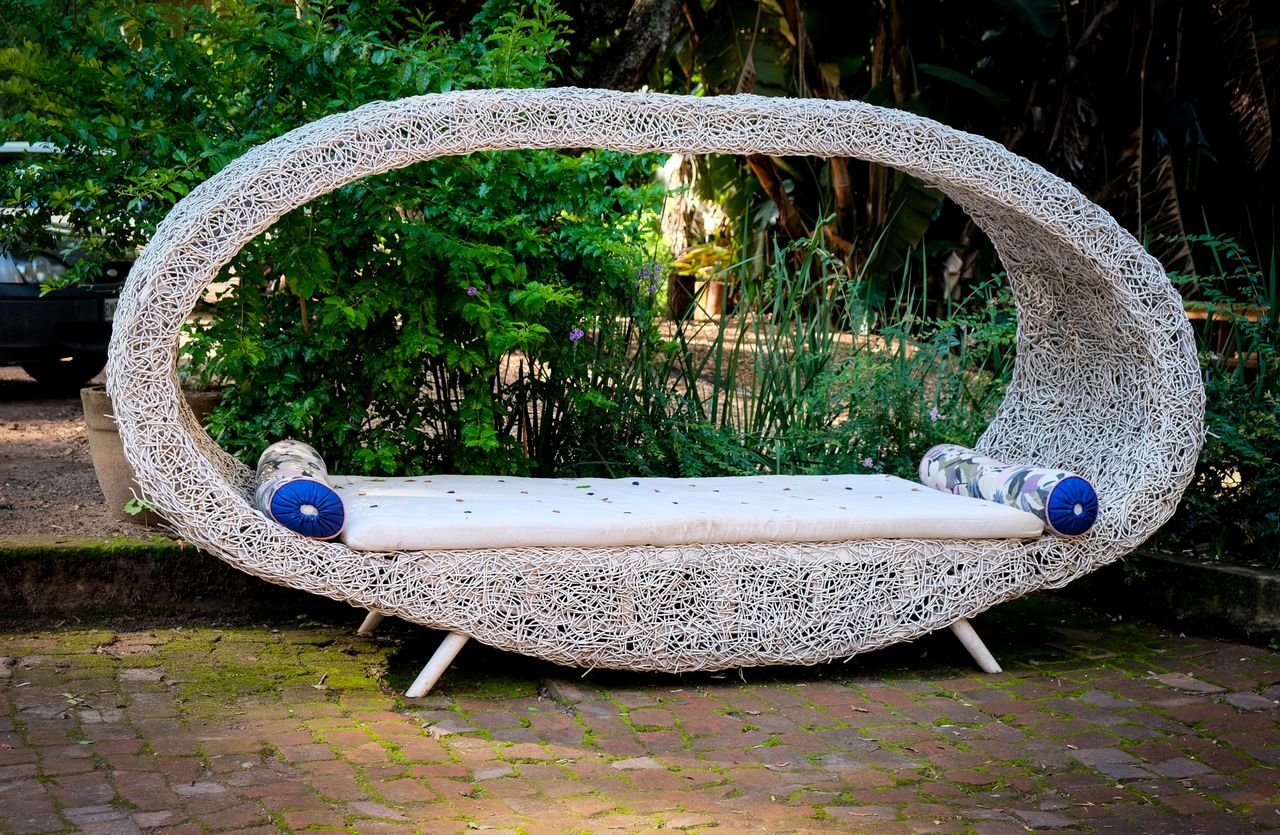
I still remember the first time I dragged a wicker chaise lounge onto my small backyard patio. It was a humid July afternoon, the kind where the air feels thick enough to swim through. I had just moved into a house with a narrow concrete slab out back and zero outdoor furniture. The chaise looked almost too elegant for the space—woven in a warm honey tone, with a gently curved back and thick cushions that promised hours of reading and napping. By the end of that summer, it had become my favorite spot in the house. Years later, after testing dozens of outdoor pieces, swapping materials, and learning the hard way what holds up (and what doesn’t), I can say with confidence that a well-chosen wicker chaise lounge is one of the smartest investments you can make for outdoor living.
This guide pulls together everything I’ve learned—materials that actually last, styles that work in real homes, comfort details most product pages gloss over, and the care routines that keep these pieces looking good for a decade or more. No hype, just practical advice.
Table of Contents
- What Exactly Is a Wicker Chaise Lounge?
- Natural vs. Synthetic Wicker: The Real Differences
- Frame Materials That Matter
- Styles and Design Trends Worth Considering
- Comfort Features That Separate Good from Great
- Buying Guide: What to Look For (and What to Avoid)
- Real-World Comparisons and Honest Verdicts
- Cleaning and Care: Step-by-Step Routines
- Protection, Storage, and Longevity Tips
- Future Trends in Outdoor Wicker
- Frequently Asked Questions
- Final Thoughts
- Author Bio
What Exactly Is a Wicker Chaise Lounge?
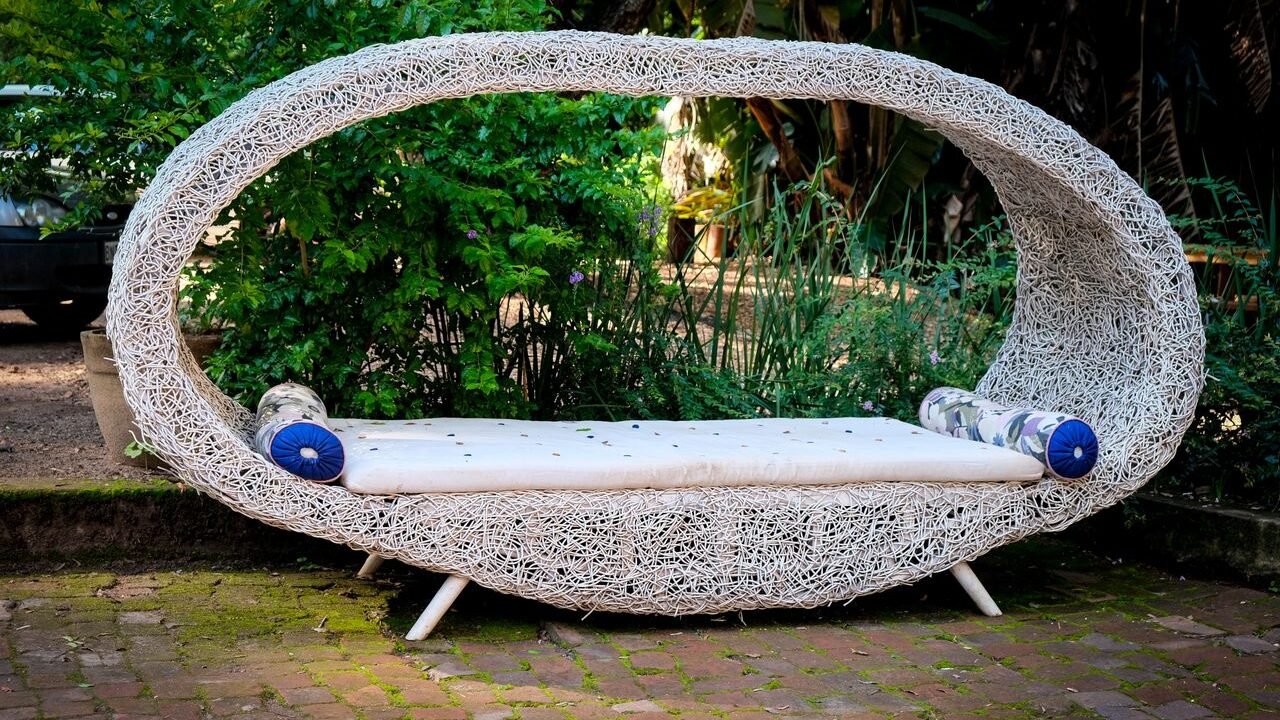
Wicker is a weaving technique, not a specific material. Craftspeople take flexible strands—whether natural plant fibers or modern synthetic resin—and interlace them over a frame to create furniture. A chaise lounge is simply a long, reclining seat designed for one person to stretch out fully. Combine the two and you get a piece that feels more intentional and elevated than a basic plastic sun lounger, yet more approachable than a full outdoor daybed.
I’ve used both indoor natural-wicker versions and outdoor synthetic ones. The outdoor versions dominate today’s market for good reason: they handle sun, rain, and temperature swings far better while still delivering that classic woven texture people love.
Natural vs. Synthetic Wicker: The Real Differences
Natural wicker usually comes from rattan, bamboo, willow, or reed. It has an organic warmth and subtle variation in color and texture that many people prefer for covered porches or indoor spaces. The downside is significant for true outdoor use. Moisture causes swelling, warping, and eventual rot. Direct sun dries the fibers until they become brittle and crack. Even under a covered patio, humidity and temperature swings take a toll. Lifespan outdoors is often limited to a few seasons without constant protection.
Synthetic (or all-weather) wicker is typically made from high-density polyethylene (HDPE) resin, sometimes called PE rattan. Quality versions include UV stabilizers so the color holds up for years instead of fading in one or two seasons. These strands don’t absorb water, resist mold, and stay flexible rather than turning brittle. Budget synthetic options made from lower-density materials (LDPE or polypropylene) can still crack or fade faster, so the grade of resin matters.
In my experience, for any location that sees real weather, quality HDPE resin woven over a solid frame is the clear winner. The look has improved dramatically—many pieces now closely mimic the irregular beauty of natural rattan while lasting far longer. You can explore detailed material comparisons in guides like those from reputable outdoor specialists that break down UV stability and outdoor lifespan differences.
Frame Materials That Matter
The weave is only half the story. What’s underneath determines how the chaise feels when you sit, how easy it is to move, and how long the structure lasts.
Powder-coated aluminum is the gold standard for outdoor use. It’s lightweight, naturally rust-resistant, and the powder coating adds another layer of protection against chips and fading. I’ve moved aluminum-framed chaises around my patio countless times without straining my back.
Steel frames offer more weight and rigidity, which can feel more substantial, but they need excellent rust-proofing. Without it, corrosion eventually works its way into the weave. Wood frames (teak or acacia) appear in some hybrid designs, but they add maintenance and aren’t ideal if the chaise sits fully exposed.
When shopping, check the frame description carefully. A solid aluminum frame with a good weave will usually outlast a heavier steel frame that starts rusting at the joints.
Styles and Design Trends Worth Considering
Wicker chaise lounges range from classic curved silhouettes with rolled arms to sleek, low-profile modern designs with clean lines. Adjustable backs are nearly universal now—most offer four to six positions so you can sit upright with a book or lie completely flat.
Color trends have shifted toward warmer, grounded tones: sand, terracotta, sage, and soft grays rather than stark white or pure black. These neutrals blend more easily with plants, stone, and wood. Black wicker remains popular for contemporary spaces because it creates strong contrast and hides dirt well.
Double chaises and modular pieces that can sit side-by-side are also gaining ground for couples or larger families. Some designs include wheels on one end for easy repositioning—something I didn’t appreciate until I tried moving a heavy fixed piece across a patio.
If your space is small, look for narrower profiles or pieces that fold or nest for storage. For larger decks or pool areas, wider models with thicker cushions deliver resort-level comfort.
Comfort Features That Separate Good from Great
A chaise can look perfect and still feel mediocre after twenty minutes. Here’s what actually matters:
- Cushion thickness and density. Aim for at least 4–5 inches of high-density foam. Quick-dry (reticulated) foam is better because water drains instead of pooling and becoming a mold factory.
- Fabric quality. Solution-dyed acrylics such as Sunbrella resist fading, mildew, and stains far better than basic polyester. Removable, machine-washable covers make life easier.
- Lumbar support and contour. Some models include a separate lumbar pillow or a subtly contoured back. I notice the difference on long afternoons.
- Arm height and width. Arms that are too low or narrow force you into awkward positions.
- Overall length and width. Measure your space and your own height. A chaise that cuts off at the ankles for a taller person quickly becomes annoying.
I once bought a stylish but under-cushioned model because the price was right. After two weeks of adjusting pillows, I replaced the cushions myself. Lesson learned: prioritize comfort specs over pure aesthetics when the piece is meant for real use.
Buying Guide: What to Look For (and What to Avoid)
Start with intended use. Fully exposed patio or pool deck? Prioritize UV-stabilized HDPE and aluminum. Covered porch or screened room? You have more flexibility, including higher-end natural options if you love the authentic look.
Check warranties. Quality makers often offer 3–5 years on the frame and at least 1–2 years on the weave and fabric. Read the fine print—some warranties exclude commercial use or improper care.
Weight capacity matters if multiple people will share or if you want extra durability. Many solid models handle 300–400 pounds or more.
Avoid ultra-cheap pieces with vague material descriptions (“weather-resistant wicker” without specifying HDPE or UV treatment). They often use thin strands that loosen or frames that flex under weight. Also watch for non-removable cushions or fabrics that aren’t labeled outdoor-grade.
Measure your doorway and path to the outdoor space before ordering. Some chaises arrive fully assembled and won’t fit through tight hallways.
Real-World Comparisons and Honest Verdicts
I’ve spent time with several popular categories:
Budget synthetic models (often under $200–300) can look surprisingly good out of the box and work fine for a season or two of moderate use. The weave is usually thinner, cushions thinner, and UV resistance shorter-lived. Fine for renters or temporary setups.
Mid-range options ($400–900) from established outdoor brands typically use better HDPE, powder-coated aluminum, and thicker outdoor cushions. These are the sweet spot for most homeowners. They hold color longer and feel more substantial.
Premium pieces (often $1,000+) feature denser weaves, marine-grade frames, superior fabrics, and refined details like continuous braided edges. They’re built for commercial or high-end residential use and can last well over a decade with basic care.
Compared with pure aluminum or plastic resin chaises, wicker wins on texture and visual warmth. Compared with teak, it usually requires less seasonal maintenance and stays lighter. My personal verdict after years of use: a mid-to-high quality synthetic wicker chaise over aluminum frame delivers the best balance of style, comfort, and low ongoing effort for most climates.
Cleaning and Care: Step-by-Step Routines
The biggest advantage of quality synthetic wicker is how little care it actually needs—if you stay consistent.
Weekly or bi-weekly routine
Remove cushions. Use a soft-bristle brush or vacuum with brush attachment to clear debris from the weave. Wipe surfaces with a damp cloth. Shake or brush cushions and let them air out.
Deep cleaning (seasonal or as needed)
- Remove all cushions.
- Brush or vacuum thoroughly.
- Mix a few drops of mild dish soap in warm water.
- Using a soft brush or sponge, gently scrub the weave, working the solution into crevices. A soft toothbrush helps in tight spots.
- Rinse thoroughly with a garden hose on gentle spray. Avoid pressure washers—they can force water under the weave or loosen strands.
- Allow the piece to dry completely in partial shade before replacing cushions.
For mildew spots (common in humid areas), a 1:1 white vinegar and water solution works well. Spray, wait 10–15 minutes, scrub gently, and rinse. Some people use a mild baking-soda paste for scuffs.
Natural wicker needs a gentler approach: dry dusting or a barely damp cloth only. Never soak it.
Cushion care is equally important. Spot-clean promptly. Many outdoor covers can be machine-washed on gentle cycles—always check the label. Air dry completely. Store cushions indoors or under a waterproof cover during long stretches of rain or winter.
Protection, Storage, and Longevity Tips
Even all-weather wicker benefits from smart habits. Position pieces under partial shade when possible to slow any UV effects. Use breathable furniture covers during extended periods of non-use or severe weather—avoid plastic tarps that trap moisture.
In colder climates, store cushions inside and either cover the frames or move them to a garage or shed. Elevate the chaise slightly off the ground if possible for better airflow.
Inspect periodically for loose strands. Small repairs with outdoor-grade adhesive can stop unraveling early. Tighten any bolts on adjustable mechanisms once a season.
With this level of care, a quality synthetic wicker chaise routinely lasts 10–15 years or longer in residential settings.
Future Trends in Outdoor Wicker
Looking ahead, expect continued improvement in UV-stabilized resins and more recycled-content options as sustainability becomes standard. Earthy color palettes and deeper, more lounge-oriented seating will stay strong. Modular and multi-function pieces that work for both solitary relaxation and small gatherings are gaining ground. Hybrid designs that combine woven elements with metal or sustainable wood accents are also appearing more frequently.
Comfort remains the priority—thicker quick-dry cushions and better ergonomics will keep evolving.
Frequently Asked Questions
Can I leave a wicker chaise outside year-round?
Quality synthetic versions yes, with covers and cushion storage recommended in harsh winters. Natural versions no.
How do I know if it’s real all-weather wicker?
Look for HDPE or PE resin with UV inhibitors and an aluminum frame. Vague “weather-resistant” language is a red flag.
Are wicker chaise lounges comfortable for long periods?
Yes, when they have adequate cushion thickness, good support, and an adjustable back. Thin, flat cushions rarely are.
What’s the best way to remove stubborn stains?
Mild soap first, then baking soda paste or vinegar solution. Test in an inconspicuous area.
Do they work well by the pool?
Excellent choice—synthetic wicker handles splash and humidity, and the texture doesn’t get as hot as dark metal in full sun.
Final Thoughts
A wicker chaise lounge does more than give you a place to sit. It changes how you use outdoor space. Mine turned a bare concrete slab into a daily retreat—morning coffee, afternoon reading, evening conversations that stretch longer because no one wants to leave. The key is choosing materials that match your climate and habits, then treating the piece with simple, consistent care.
Get the frame right, insist on UV-stabilized synthetic weave for outdoor use, prioritize real cushion quality, and you’ll have a piece that looks intentional and feels better with every season. Outdoor living should feel effortless. A thoughtfully chosen wicker chaise makes that possible.
Author Bio
Elena Voss is an independent researcher and outdoor living specialist with more than twelve years of hands-on experience testing and evaluating patio furniture across multiple climates. She has documented material performance, comfort metrics, and long-term maintenance outcomes for hundreds of pieces, contributing practical guides to design and lifestyle publications. Her work focuses on helping homeowners make durable, aesthetically satisfying choices grounded in real-world use rather than marketing claims.
[…] Bathroom Tiles: A Complete Guide to Choosing the Right Style Wicker Chaise Lounge: A Complete Guide to Style, Comfort, and Care Wood Canopy Bed: A Complete Guide to Choosing the Right Style Home Restoration: A Complete […]