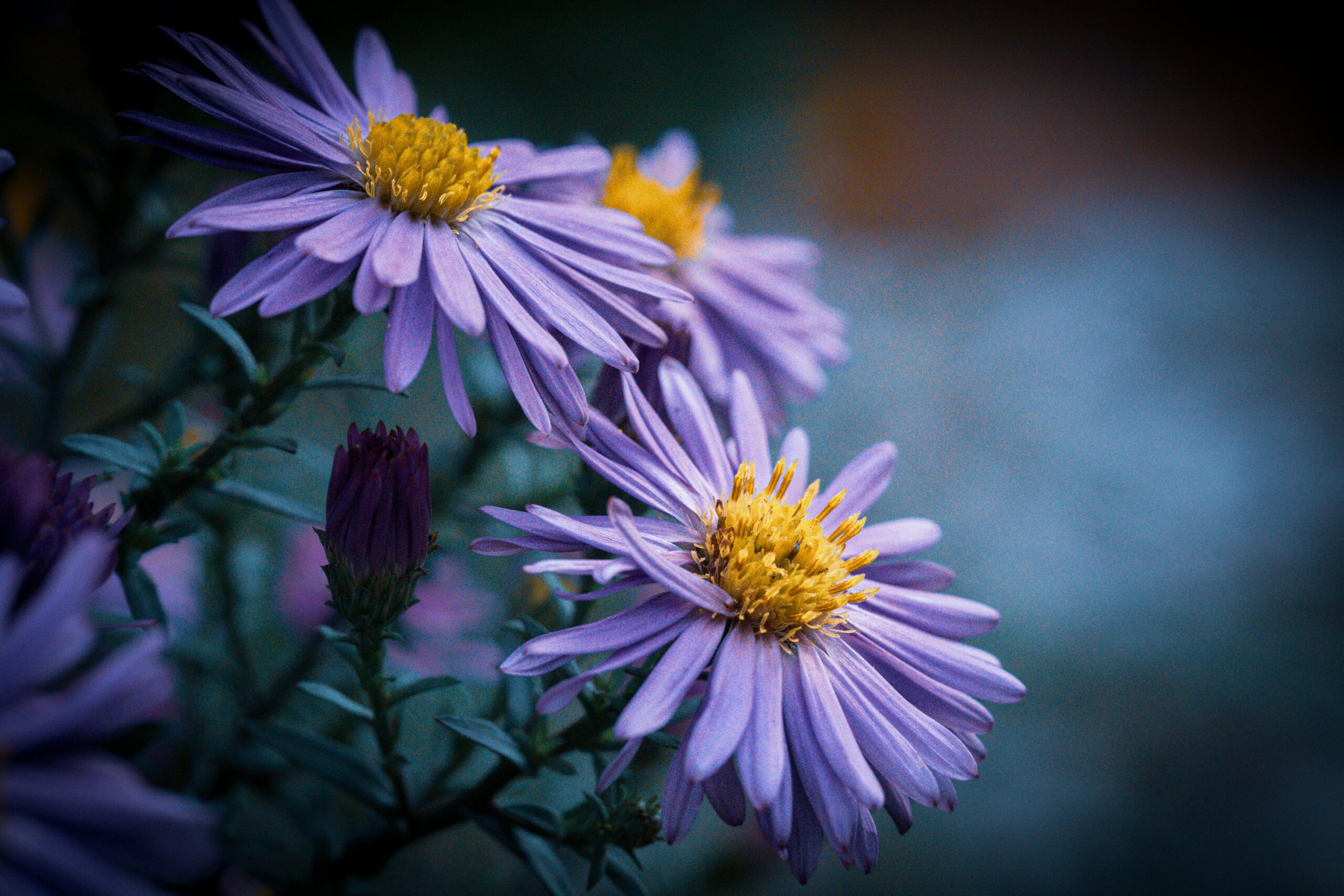
Purple and yellow flowers bring instant contrast, energy, and balance to any garden. Purple tones add depth and calm, while yellow shades create warmth and brightness. When used together, they create a visually striking combination that works in small home gardens, large landscapes, and even balcony pots.
This guide focuses on practical, real gardening knowledge what to plant, how to grow it, and how to design combinations that actually look good over time. It covers beginner-friendly options, seasonal choices, and insider tips used by experienced gardeners.
Why Purple and Yellow Flowers Work So Well Together
Color pairing is not just about looks. It affects how a garden feels and how long it stays visually appealing.
Strong Contrast That Stands Out
Purple and yellow sit opposite each other on the color wheel. This means:
- They naturally enhance each other
- Flowers appear more vibrant
- The garden looks alive, not dull
Balanced Visual Impact
- Purple tones (lavender, violet, deep plum) create a calm base
- Yellow tones (lemon, gold, mustard) add brightness
This balance prevents your garden from looking too heavy or too washed out.
Best Purple Flowers for a Vibrant Garden
These purple flowers are reliable, widely available, and suitable for different climates.
Lavender (Lavandula)
Lavender is one of the most popular purple flowering plants.
Why choose it:
- Strong fragrance
- Attracts bees and butterflies
- Drought-tolerant
Growing tips:
- Needs full sun (6–8 hours)
- Prefers well-drained soil
- Avoid overwatering
Insider Tip:
Prune lightly after flowering to keep the plant compact and encourage new blooms.
Petunia (Purple Varieties)
Petunias are ideal for beginners and containers.
Why choose it:
- Long blooming season
- Works in hanging baskets and beds
- Easy to maintain
Growing tips:
- Full sun for best flowering
- Regular watering, but not soggy soil
- Deadhead to promote new blooms
Salvia
Salvia adds vertical structure to your garden.
Why choose it:
- Tall spikes of purple flowers
- Attracts pollinators
- Heat-resistant
Growing tips:
- Full sun
- Moderate watering
- Cut back after first bloom for a second round
Allium (Ornamental Onion)
Allium produces globe-shaped purple blooms.
Why choose it:
- Unique shape
- Low maintenance
- Pest-resistant
Growing tips:
- Plant bulbs in fall
- Needs well-drained soil
- Full sun to partial shade
Verbena
Verbena spreads nicely and fills empty spaces.
Why choose it:
- Continuous blooms
- Good ground cover
- Attracts butterflies
Growing tips:
- Full sun
- Light watering
- Trim occasionally to keep shape
Best Yellow Flowers to Brighten Your Garden
Yellow flowers bring energy and light, especially in shaded or dull areas.
Sunflower (Helianthus)
A classic garden favorite.
Why choose it:
- Large, bright blooms
- Easy to grow from seed
- Great for borders
Growing tips:
- Full sun
- Needs space for growth
- Water deeply but not frequently
Insider Tip:
Use dwarf varieties for small gardens or containers.
Marigold (Tagetes)
Marigolds are one of the easiest flowers to grow.
Why choose it:
- Pest-repellent properties
- Long blooming season
- Budget-friendly
Growing tips:
- Full sun
- Tolerates poor soil
- Water when soil dries
Coreopsis
Coreopsis provides a soft yellow tone.
Why choose it:
- Long flowering period
- Low maintenance
- Drought-resistant
Growing tips:
- Full sun
- Minimal fertilizer
- Deadhead regularly
Black-Eyed Susan (Rudbeckia)
This plant adds a wild, natural look.
Why choose it:
- Strong and hardy
- Good for pollinators
- Works in large beds
Growing tips:
- Full sun
- Average watering
- Cut back in late season
Yellow Zinnia
Zinnias are perfect for colorful displays.
Why choose it:
- Fast-growing
- Bright blooms
- Ideal for cutting gardens
Growing tips:
- Full sun
- Well-drained soil
- Avoid overhead watering
Best Purple and Yellow Flower Combinations
Pairing the right plants improves both appearance and growth.
Lavender + Yellow Coreopsis
- Soft and balanced
- Works well in borders
Purple Petunia + Yellow Marigold
- Bright and bold
- Ideal for pots and containers
Salvia + Black-Eyed Susan
- Adds height and structure
- Great for larger gardens
Verbena + Yellow Zinnia
- Dense and colorful
- Perfect for filling empty spaces
Designing a Garden with Purple and Yellow Flowers
A good design makes the difference between a messy garden and a professional-looking one.
Use Layers for Depth
- Tall plants at the back (sunflower, salvia)
- Medium plants in the middle (zinnia, rudbeckia)
- Low plants in front (petunia, verbena)
Repeat Colors for Consistency
Do not place colors randomly. Repeat purple and yellow flowers across the garden to create flow.
Mix Textures and Shapes
Combine:
- Round blooms (allium)
- Spiky flowers (salvia)
- Soft clusters (verbena)
This adds visual interest without clutter.
Soil and Fertilizer Basics
Healthy soil leads to strong flowers.
Ideal soil:
- Well-drained
- Rich in organic matter
Fertilizer tips:
- Use balanced fertilizer (10-10-10)
- Apply during growing season
- Avoid overfeeding
Insider Tip:
Too much fertilizer reduces flowering and increases leaf growth.
Watering and Maintenance
Watering correctly is essential.
General rule:
- Water deeply but less often
Avoid:
- Waterlogging
- Daily shallow watering
Maintenance tasks:
- Remove dead flowers (deadheading)
- Check for pests
- Trim overgrown plants
Seasonal Planning for Continuous Color
A well-planned garden blooms all year.
Spring:
- Allium
- Early petunias
Summer:
- Sunflowers
- Zinnias
- Lavender
Fall:
- Rudbeckia
- Coreopsis
Tip:
Plant a mix of early, mid, and late bloomers.
Container Gardening with Purple and Yellow Flowers
You do not need a large space.
Best plants for pots:
- Petunia
- Marigold
- Zinnia
- Verbena
Tips:
- Use pots with drainage holes
- Choose good potting mix
- Water more frequently than ground plants
Common Mistakes to Avoid
1. Overcrowding Plants
Leads to poor airflow and disease.
2. Ignoring Sunlight Needs
Most flowering plants need full sun.
3. Overwatering
Causes root rot and weak growth.
4. Poor Color Planning
Random planting reduces visual impact.
Benefits of Growing Purple and Yellow Flowers
- Attract pollinators (bees, butterflies)
- Improve garden appearance instantly
- Boost mood with bright colors
- Easy to maintain for beginners
Advanced Tips for Better Results
1. Use Mulch
- Keeps soil moist
- Reduces weeds
2. Rotate Plants Seasonally
Prevents soil nutrient loss.
3. Companion Planting
Marigolds help protect nearby plants from pests.
4. Prune Regularly
Encourages bushier growth and more blooms.
Final Thoughts
Purple and yellow flowers are one of the easiest ways to create a bright, balanced, and visually strong garden. The key is not just choosing the right plants, but placing them correctly, maintaining soil health, and planning for seasonal blooms.
With the combinations and techniques shared above, you can build a garden that looks vibrant throughout the year without complex maintenance. The result is a space that feels lively, structured, and naturally attractive.