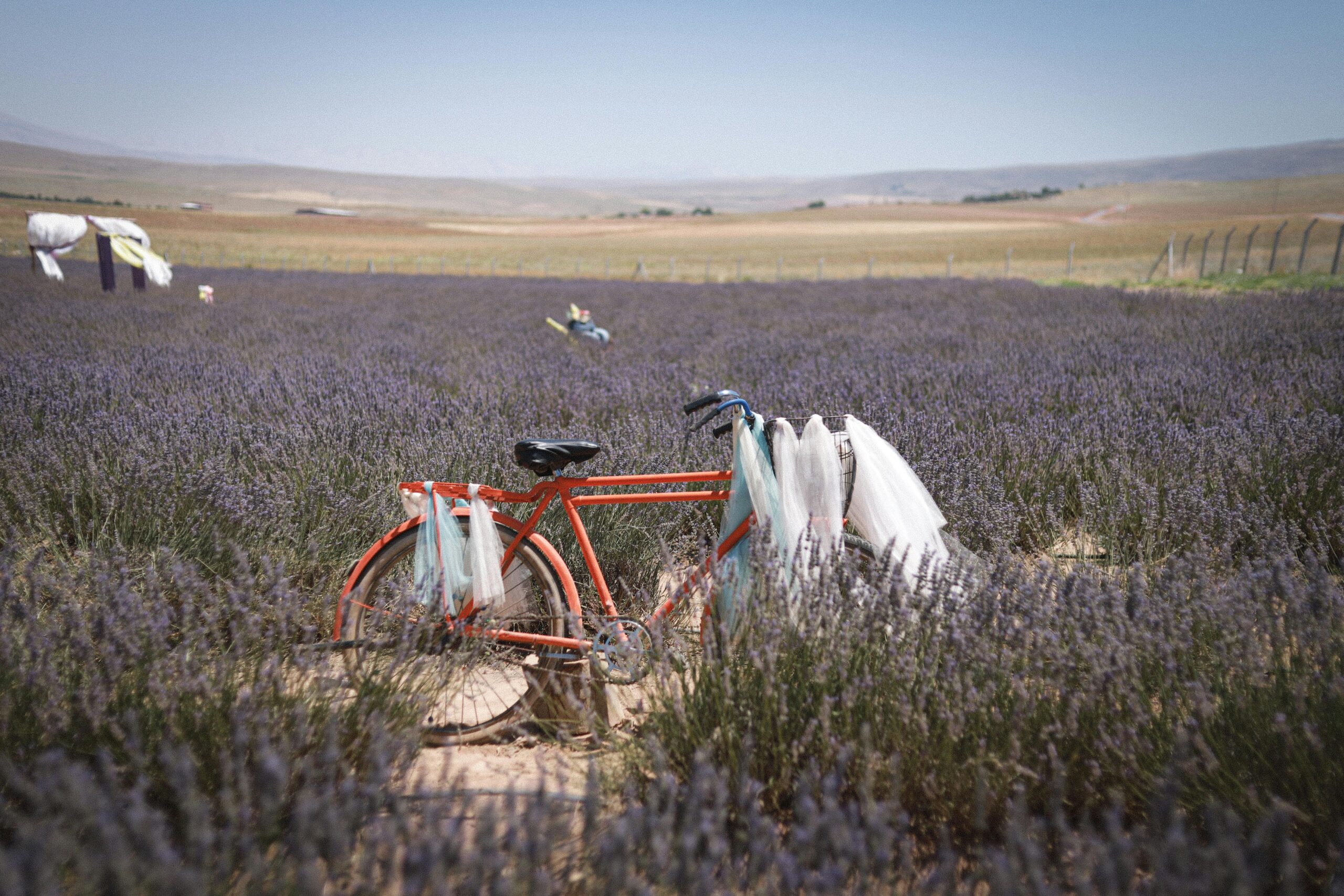
Lavender can grow well in Michigan, but success depends on how you handle cold winters, wet soil, and short growing seasons. Many gardeners struggle because lavender prefers dry, mild climates, while Michigan often brings freezing temperatures and moisture-heavy soil.
With the right variety, proper planting method, and seasonal care, you can grow healthy lavender plants that bloom every year. This guide explains exactly how to do that using practical, proven techniques.
Understanding Michigan’s Climate for Lavender
Michigan’s climate presents both advantages and challenges:
Advantages
- Cool temperatures support strong fragrance
- Long daylight hours in summer
- Fewer extreme heat waves
Challenges
- Cold winters (below freezing for long periods)
- Heavy, moisture-retaining soil
- Snow and ice damage
- Short growing season
Key Insight:
Cold is not the main problem wet soil during winter is what kills most lavender plants in Michigan.
Best Lavender Varieties for Michigan
Choosing the right variety is critical. Not all lavender types can survive Michigan winters.
1. English Lavender (Lavandula angustifolia)
This is the best option for Michigan.
Popular varieties:
- Hidcote
- Munstead
Why it works:
- Cold-hardy
- Compact growth
- Strong fragrance
2. Lavandin (Hybrid Lavender)
- Slightly less cold-hardy than English lavender
- Produces larger plants and more flowers
Best suited for southern Michigan or protected areas.
3. Avoid These Varieties
- Spanish lavender
- French lavender
These types cannot tolerate Michigan winters and usually die after the first frost.
Ideal Growing Conditions for Lavender
Sunlight
Lavender needs full sun, at least 6–8 hours daily.
- Choose a south-facing location
- Avoid shaded or damp areas
Soil Requirements
Soil is the most important factor.
Lavender needs:
- Well-drained soil
- Sandy or gravelly texture
- Low organic matter
Problem in Michigan:
Most soil is clay-heavy and holds water.
How to Fix Soil
- Mix sand or gravel into soil
- Add compost lightly (do not overdo it)
- Use raised beds for better drainage
Expert Tip:
If water sits in your soil after rain, lavender will not survive winter.
When to Plant Lavender in Michigan
Best Time
- Late spring (after last frost)
Why Not Fall Planting?
Young plants do not have enough time to establish roots before winter.
Step-by-Step Planting Guide
- Choose a sunny, well-drained location
- Dig a hole slightly larger than the root ball
- Mix soil with sand or gravel
- Place plant slightly above soil level
- Backfill and gently press soil
- Water lightly
Spacing:
Keep plants 2–3 feet apart to improve airflow.
Watering Lavender in Michigan
Lavender does not like wet soil.
First Year
- Water once or twice per week
- Allow soil to dry between watering
After Establishment
- Water only during dry periods
Before Winter
- Reduce watering significantly
Simple Rule:
Dry roots survive winter. Wet roots do not.
Fertilizing Lavender
Lavender grows best in low-nutrient soil.
- Use light fertilizer once in spring
- Avoid high nitrogen fertilizers
Too much feeding causes:
- Weak stems
- Fewer flowers
- Reduced winter survival
Winter Protection: The Most Critical Step
Michigan winters can be harsh. Protecting lavender is essential.
Mulching
- Use gravel or straw mulch
- Avoid heavy, moisture-trapping mulch
Snow Protection
Snow can act as insulation, but ice buildup is harmful.
Wind Protection
- Plant near a wall or fence
- Use wind barriers if needed
Covering Plants
- Use breathable fabric (like burlap)
- Avoid plastic covers
Insider Tip:
Do not trap moisture around the plant. Airflow is more important than warmth.
Pruning Lavender for Healthy Growth
When to Prune
- Early spring (light trim)
- After flowering
How to Prune
- Cut back about one-third of the plant
- Never cut into woody stems
Pruning helps:
- Maintain shape
- Encourage new growth
- Increase flowering
Common Lavender Growing Problems in Michigan
1. Plant Dies in Winter
Cause: Poor drainage
Fix: Improve soil, use raised beds
2. Yellow Leaves
Cause: Overwatering
Fix: Reduce watering
3. No Flowers
Cause: Lack of sunlight or over-fertilizing
Fix: Move to sunny spot, reduce feeding
4. Root Rot
Cause: Waterlogged soil
Fix: Remove plant, improve drainage
5. Leggy Growth
Cause: Not enough pruning
Fix: Regular trimming
Growing Lavender in Containers (Best for Michigan)
Container growing is a reliable option.
Benefits:
- Better drainage control
- Easy winter protection
- Mobility
Tips:
- Use pots with drainage holes
- Use sandy potting mix
- Bring pots indoors or into a garage during winter
Harvesting Lavender
When to Harvest
- When buds begin to open
How to Harvest
- Cut stems in the morning
- Tie bundles and hang upside down
Uses:
- Essential oils
- Tea
- Home fragrance
- Decoration
Long-Term Care Strategy
To keep lavender healthy for years:
- Focus on drainage first
- Avoid overwatering
- Prune regularly
- Protect plants in winter
Lavender can live 5–10 years in Michigan with proper care.
Expert Tips for Michigan Gardeners
- Raised beds increase survival rate significantly
- Gravel mulch works better than organic mulch
- Do not plant lavender in low-lying areas
- Winter moisture is more dangerous than cold
- Start with English lavender for best results
Quick Care Checklist
- Full sun (6–8 hours daily)
- Well-drained, sandy soil
- Minimal watering
- Proper spacing
- Winter protection
- Light pruning
Final Thoughts
Grow lavender in Michigan requires a different approach than warmer regions. The focus should always be on drainage, sunlight, and winter protection. Most failures happen because the soil stays too wet, especially during winter months.
If you prepare the soil properly, choose cold-hardy varieties, and protect plants during winter, lavender can thrive and produce beautiful blooms year after year.
With consistent care and attention to these details, you can successfully grow lavender in Michigan and enjoy its fragrance, beauty, and practical uses in your garden.