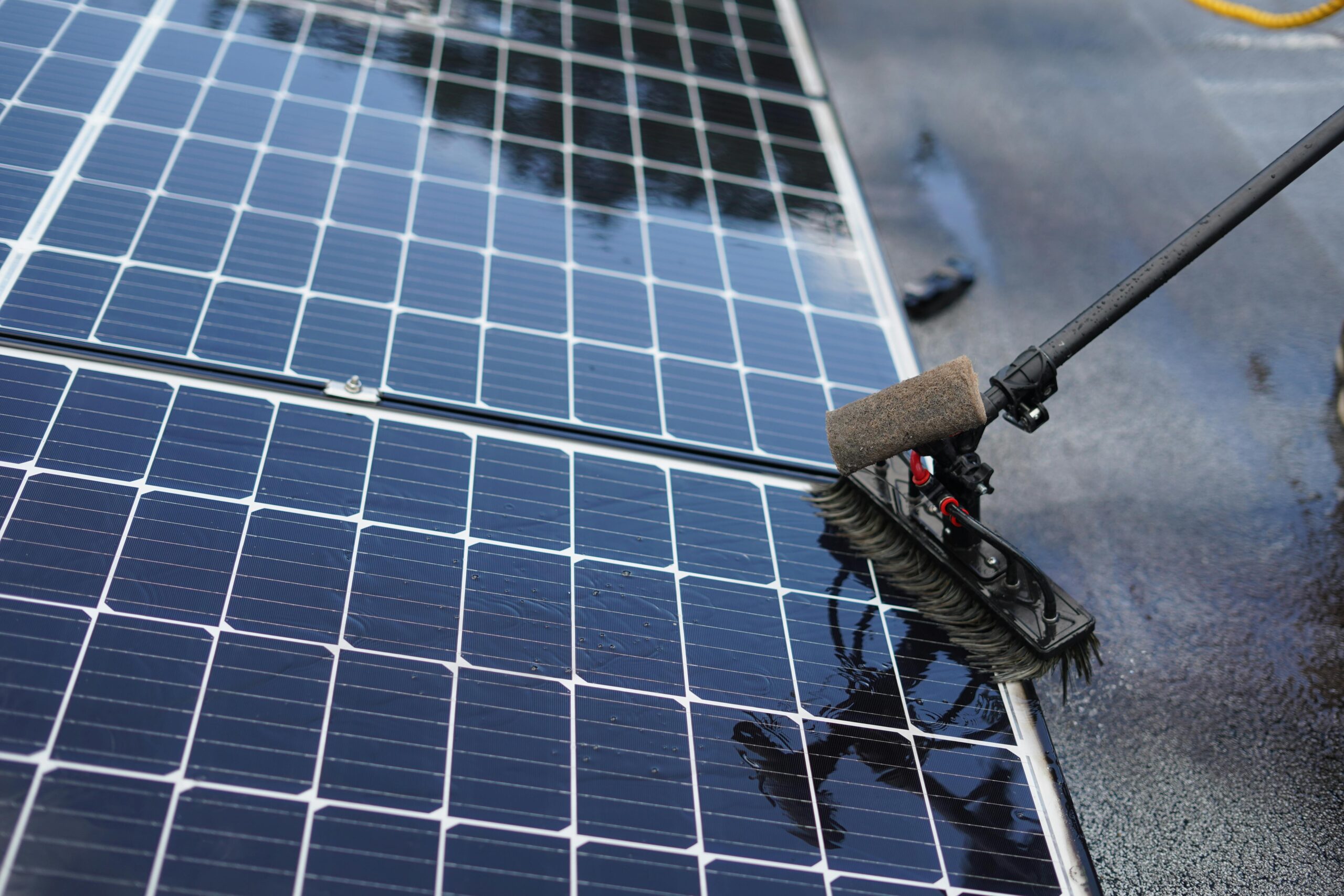
Solar panels are designed to work efficiently for decades, but their performance depends heavily on how clean they stay. Dust, dirt, bird droppings, and pollution slowly build up on the surface, blocking sunlight and reducing energy output. This is where a solar panel cleaning brush becomes essential.
Many people install solar systems and forget about maintenance. That approach leads to gradual efficiency loss and lower returns on investment. A simple cleaning routine, supported by the right tools, can make a noticeable difference.
This guide explains why a solar panel cleaning brush matters, how it improves performance, and how to choose the right one for your setup.
What Is a Solar Panel Cleaning Brush?
A solar panel cleaning brush is a specialized tool designed to clean the glass surface of solar panels without scratching or damaging them.
Unlike regular brushes, it is built with:
- Soft bristles to protect the panel surface
- Long or telescopic handles for reach
- Water flow compatibility in some models
- Lightweight materials for easy use
It allows safe and effective cleaning, especially for rooftop or hard-to-reach installations.
Why Clean Solar Panels at All?
Solar panels rely on direct sunlight to generate electricity. Even a thin layer of dust can block light and reduce performance.
Real Impact of Dirt on Efficiency
Studies and field observations show:
- Light dust can reduce output by 5–10%
- Heavy dirt buildup can reduce output by 20–30% or more
- Bird droppings or stains can create permanent efficiency loss if not cleaned
In dry or polluted areas, the impact is even greater.
Solar Panel Cleaning Brush: Why You Need It
1. Maintains Maximum Energy Output
A clean panel absorbs more sunlight. This directly increases energy production.
If your system produces less power than expected, dirt is often the first reason.
Insider Tip:
Track your energy output monthly. A sudden drop often indicates cleaning is needed.
2. Protects Your Investment
Solar systems are not cheap. Without proper maintenance, you lose potential savings over time.
A cleaning brush helps:
- Prevent long-term dirt buildup
- Avoid surface damage
- Extend panel lifespan
3. Safe Cleaning Without Scratches
Using the wrong tools, such as hard brushes or rough cloth, can scratch the glass surface.
Scratches reduce light absorption permanently.
A solar panel cleaning brush uses:
- Non-abrasive bristles
- Smooth contact surface
This ensures safe cleaning every time.
4. Easy Access to Hard-to-Reach Areas
Many solar panels are installed on rooftops or elevated structures.
A telescopic cleaning brush:
- Reaches high panels
- Reduces the need for ladders
- Improves safety
5. Saves Time and Effort
Cleaning panels manually without the right tools takes longer and gives poor results.
With a proper brush:
- Cleaning becomes faster
- Coverage is more even
- Less physical effort is needed
Types of Solar Panel Cleaning Brushes
Choosing the right type depends on your setup and cleaning needs.
1. Manual Cleaning Brush
This is the simplest type.
Features:
- Soft bristles
- Fixed or extendable handle
Best for:
- Small residential systems
2. Telescopic Water-Fed Brush
This brush connects to a water source and sprays water while cleaning.
Advantages:
- Removes dirt more effectively
- Reduces need for extra washing
- Covers large areas quickly
Best for:
- Medium to large installations
3. Rotating Brush (Motorized)
A powered brush that rotates automatically.
Benefits:
- Deep cleaning
- Less manual effort
- Professional-level results
Best for:
- Commercial or large-scale solar systems
4. Dual-Head Cleaning Brush
Features two brush heads for wider coverage.
Why it helps:
- Cleans faster
- Reduces cleaning time
Key Features to Look for in a Solar Panel Cleaning Brush
Soft and Non-Abrasive Bristles
This is the most important feature. Always choose brushes designed specifically for glass surfaces.
Adjustable or Telescopic Handle
Allows you to clean panels without climbing dangerously.
Lightweight Design
Heavy tools cause fatigue and make cleaning difficult.
Water Flow System
Brushes with built-in water flow improve cleaning efficiency.
Durable Build Quality
Look for materials like:
- Aluminum handles
- High-quality plastic components
How Often Should You Clean Solar Panels?
Cleaning frequency depends on your environment.
General Guidelines:
- Every 3–6 months in normal conditions
- Every 1–2 months in dusty or polluted areas
- After storms or heavy dirt accumulation
Signs Your Panels Need Cleaning
- Visible dirt or stains
- Reduced energy output
- Uneven performance across panels
Step-by-Step Guide to Cleaning Solar Panels
Step 1: Turn Off the System
Safety comes first. Always shut down the system before cleaning.
Step 2: Choose the Right Time
Clean panels:
- Early morning
- Late evening
Avoid cleaning under direct sunlight to prevent streaks.
Step 3: Use Clean Water
Avoid hard water if possible. It can leave mineral marks.
Step 4: Use the Cleaning Brush
- Gently scrub the surface
- Do not apply excessive pressure
- Focus on stubborn spots carefully
Step 5: Rinse Thoroughly
Ensure no residue is left behind.
Step 6: Let Panels Dry Naturally
Avoid wiping with rough cloths.
Common Mistakes to Avoid
Using Harsh Chemicals
Strong cleaning agents can damage the panel coating.
Using Hard Brushes or Scrubbers
These can cause scratches and permanent damage.
Cleaning During Peak Sunlight
Water evaporates quickly, leaving streaks and marks.
Ignoring Safety Measures
Never take risks while cleaning rooftop panels.
DIY vs Professional Cleaning
DIY Cleaning
Best for:
- Small systems
- Easy-to-reach panels
Advantages:
- Cost-effective
- Convenient
Professional Cleaning
Best for:
- Large systems
- Commercial setups
- Difficult access
Advantages:
- Deep cleaning
- Safety assurance
Cost vs Benefit of Using a Cleaning Brush
A solar panel cleaning brush is a small investment compared to the potential energy loss.
Example:
If your system loses 15% efficiency due to dirt:
- You lose energy savings every month
- Cleaning restores that loss quickly
Over time, the brush pays for itself.
Environmental Benefits of Clean Panels
Clean solar panels:
- Produce more clean energy
- Reduce reliance on fossil fuels
- Improve overall system efficiency
Maintaining your panels contributes to a more sustainable energy system.
Insider Tips for Better Results
- Use deionized water to avoid streaks
- Clean panels after rain for easier dirt removal
- Keep a maintenance schedule
- Inspect panels while cleaning for damage
- Store your cleaning brush properly to maintain its quality
When a Cleaning Brush Is Not Enough
Some situations require extra care:
- Sticky residues
- Bird droppings hardened over time
- Industrial pollution buildup
In such cases, use:
- Mild soap with water
- Professional cleaning services if needed
Final Thoughts
A solar panel cleaning brush is not just a cleaning tool it is a practical way to protect your solar investment and maintain energy efficiency.
Regular cleaning ensures your panels perform at their best, last longer, and deliver the savings you expect. Ignoring maintenance may seem harmless at first, but over time, it reduces both performance and value.
By choosing the right brush, following safe cleaning practices, and maintaining a consistent schedule, you can keep your solar system working efficiently for years.
A small effort in maintenance leads to long-term gains in performance, savings, and reliability.
1 thought on “Solar Panel Cleaning Brush: Why You Need It?”