



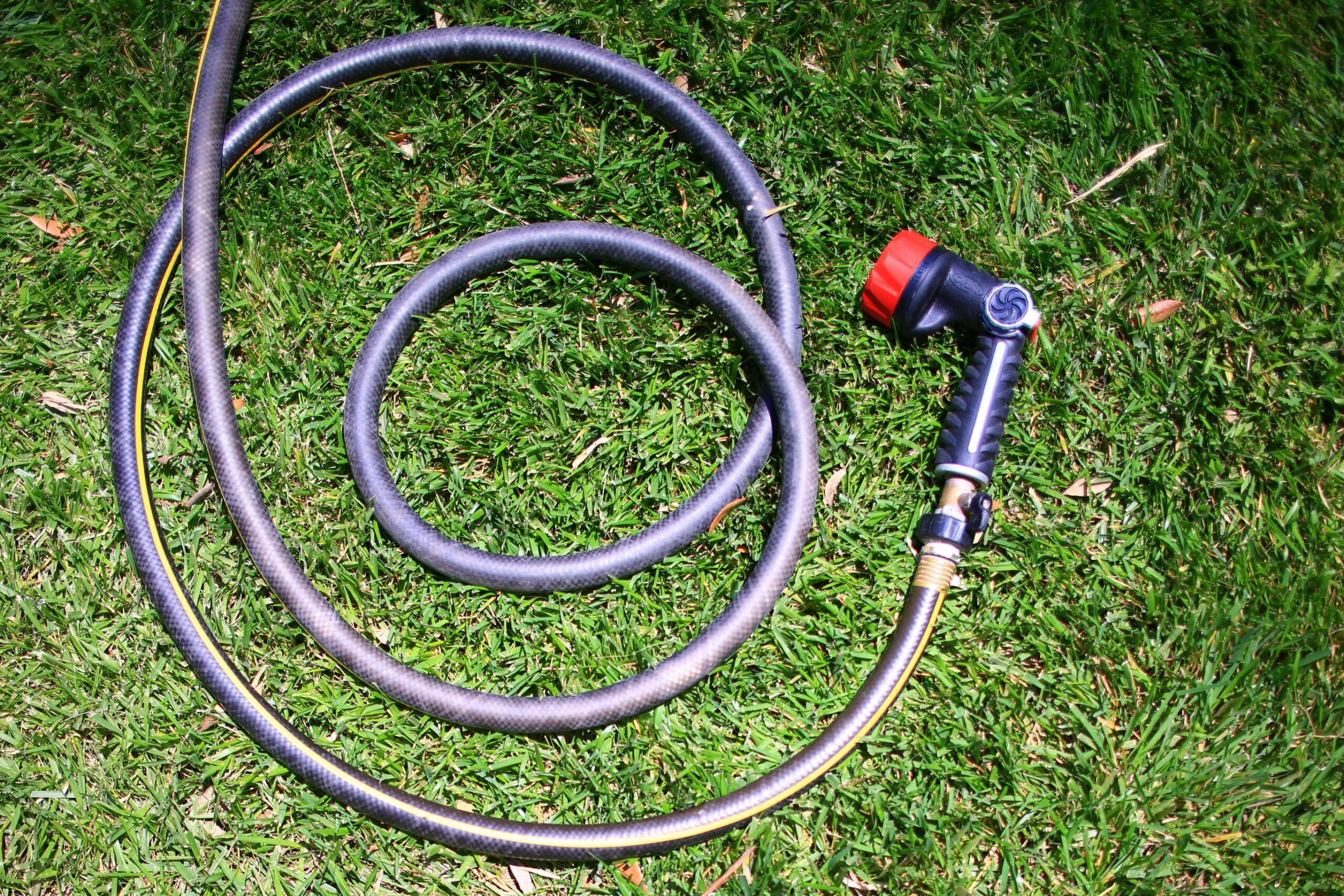
Flexible Hose Guide: Best Types, Uses, and How to Choose the Right One is an essential resource for homeowners, plumbers, gardeners, and DIY users who want to understand how flexible hoses work and which type fits their needs. A flexible hose is widely used in plumbing, irrigation, automotive systems, and industrial setups because it allows smooth water or fluid movement even in tight or moving spaces.
Choosing the wrong hose can lead to leaks, pressure loss, or early wear and tear. On the other hand, selecting the right flexible hose improves efficiency, safety, and long-term performance.
This guide explains all major hose types, their real-world uses, material differences, installation tips, and expert recommendations to help you make the right choice.
What Is a Flexible Hose?
A flexible hose is a bendable tube designed to transport liquids, gases, or sometimes light solids from one point to another. Unlike rigid pipes, flexible hoses can bend, stretch, and adapt to movement or limited space.
Key Characteristics
- Bendable structure
- Pressure resistance
- Lightweight design
- Easy installation
Expert Insight: Flexible hoses are preferred in systems where vibration, movement, or alignment changes occur frequently.
Why Flexible Hoses Are Important
Flexible hoses are used in almost every industry because they solve common plumbing and fluid transfer problems.
Main Advantages
- Easy installation in tight spaces
- Absorbs vibration and movement
- Reduces risk of pipe breakage
- Suitable for temporary or permanent setups
Best Types of Flexible Hoses
1. PVC Flexible Hose
PVC hoses are lightweight and cost-effective.
Features
- Good flexibility
- Resistant to corrosion
- Suitable for water transport
Common Uses
- Home gardening
- Light irrigation
- Household water supply
2. Rubber Flexible Hose
Rubber hoses are strong and durable.
Features
- High pressure resistance
- Heat tolerance
- Long lifespan
Common Uses
- Industrial systems
- Automotive applications
- Heavy-duty water flow
Insider Tip: Rubber hoses are best for high-pressure systems where PVC may fail.
3. Stainless Steel Braided Hose
These hoses have a metal outer layer for extra protection.
Features
- High durability
- Resistant to bursting
- Handles high pressure and temperature
Common Uses
- Plumbing fixtures
- Gas lines
- Commercial kitchens
4. Silicone Flexible Hose
Silicone hoses are highly flexible and heat resistant.
Features
- Excellent temperature resistance
- Non-toxic material
- Smooth internal flow
Common Uses
- Food industry
- Medical equipment
- HVAC systems
5. Reinforced Braided Hose
These hoses combine plastic or rubber with fiber reinforcement.
Features
- Extra strength
- Prevents bursting
- Flexible yet strong
Common Uses
- Washing machines
- Dishwashers
- Home plumbing systems
How to Choose the Right Flexible Hose
Selecting the right hose depends on usage conditions and performance requirements.
Step 1: Identify Application
- Gardening → PVC or rubber
- Plumbing → braided or stainless steel
- Industrial → reinforced rubber
Step 2: Check Pressure Rating
Always match hose pressure rating with system pressure.
Step 3: Consider Temperature Range
High heat systems require silicone or stainless steel hoses.
Step 4: Evaluate Flexibility Needs
Tight spaces require more flexible materials like PVC or silicone.
Step 5: Check Material Durability
Long-term systems require reinforced or metal-braided hoses.
Expert Insight: Never choose a hose based only on price. Incorrect material selection is the main cause of early hose failure.
Common Uses of Flexible Hoses
Home Use
- Kitchen plumbing
- Bathroom fittings
- Washing machines
Gardening Use
- Watering plants
- Lawn irrigation
- Outdoor cleaning
Industrial Use
- Chemical transfer
- Air compression systems
- Machinery cooling
Automotive Use
- Fuel lines
- Brake systems
- Engine cooling
Installation Tips for Flexible Hoses
Step 1: Measure Correct Length
Avoid stretching or tight bending.
Step 2: Use Proper Fittings
Ensure compatibility with connectors.
Step 3: Avoid Sharp Bends
Sharp bends reduce flow and damage hose structure.
Step 4: Secure Connections
Use clamps or threaded fittings for safety.
Common Mistakes When Using Flexible Hoses
Using Wrong Material
Leads to leaks or bursts.
Ignoring Pressure Limits
Overpressure causes hose failure.
Poor Installation
Loose fittings cause water loss.
Not Replacing Old Hoses
Aging hoses become brittle and unsafe.
Flexible Hose Maintenance Tips
Regular Inspection
Check for cracks or leaks.
Cleaning
Remove debris and buildup regularly.
Proper Storage
Avoid direct sunlight for PVC hoses.
Replacement Cycle
Replace every few years depending on usage.
Flexible Hose vs Rigid Pipe
Flexible Hose
- Easy installation
- Movement-friendly
- Temporary or flexible setups
Rigid Pipe
- Strong structural support
- Permanent installations
- Less flexibility
Cost Considerations
- PVC hoses: budget-friendly
- Rubber hoses: mid-range
- Stainless steel hoses: premium
Expert Buying Tips
- Always check certification standards
- Choose reinforced hoses for pressure systems
- Match hose diameter with flow requirement
- Prefer UV-resistant materials for outdoor use
- Avoid extremely cheap low-quality hoses
Safety Considerations
- Never exceed pressure rating
- Avoid chemical incompatibility
- Check fittings regularly
- Replace damaged hoses immediately
Environmental Considerations
Modern hoses are increasingly made with recyclable materials. Choosing durable hoses reduces waste and replacement frequency.
Conclusion
Flexible Hose Guide: Best Types, Uses, and How to Choose the Right One shows that selecting the right hose is not just about convenience but also about safety, performance, and long-term cost efficiency. Each type of hose has a specific role, and understanding these differences helps you make better decisions.
Proper selection, installation, and maintenance ensure reliable performance in both home and industrial applications.