


Yard Design Ideas: Transform Your Outdoor Space with Smart Landscaping is a practical guide for homeowners who want to improve their outdoor areas using functional, modern, and visually appealing landscaping strategies. A well-designed yard is not just about appearance; it directly affects how you use your outdoor space, how comfortable it feels, and even how much value it adds to your property.
Smart landscaping focuses on combining structure, greenery, lighting, and materials in a way that maximizes usability while minimizing maintenance. Whether you have a small backyard or a large garden, the right yard design ideas can completely change how the space feels and functions.
This guide covers essential design principles, layout strategies, planting ideas, hardscaping techniques, and expert tips used by professional landscape designers.
What Is Smart Yard Design?
Smart yard design refers to planning outdoor spaces with both aesthetics and function in mind. Instead of randomly placing plants and features, every element serves a purpose.
Key Principles of Smart Landscaping
- Efficient space usage
- Balanced visual composition
- Low-maintenance planning
- Seasonal adaptability
- Sustainable material selection
Expert Insight: A successful yard design always starts with understanding how the space will be used before choosing plants or materials.
Why Yard Design Matters
A well-designed yard improves lifestyle quality and property value.
Benefits of Good Yard Design
- Enhances outdoor living experience
- Increases property value
- Reduces maintenance effort
- Improves environmental balance
- Creates usable functional zones
Top Yard Design Ideas for Modern Homes
1. Minimalist Green Yard Design
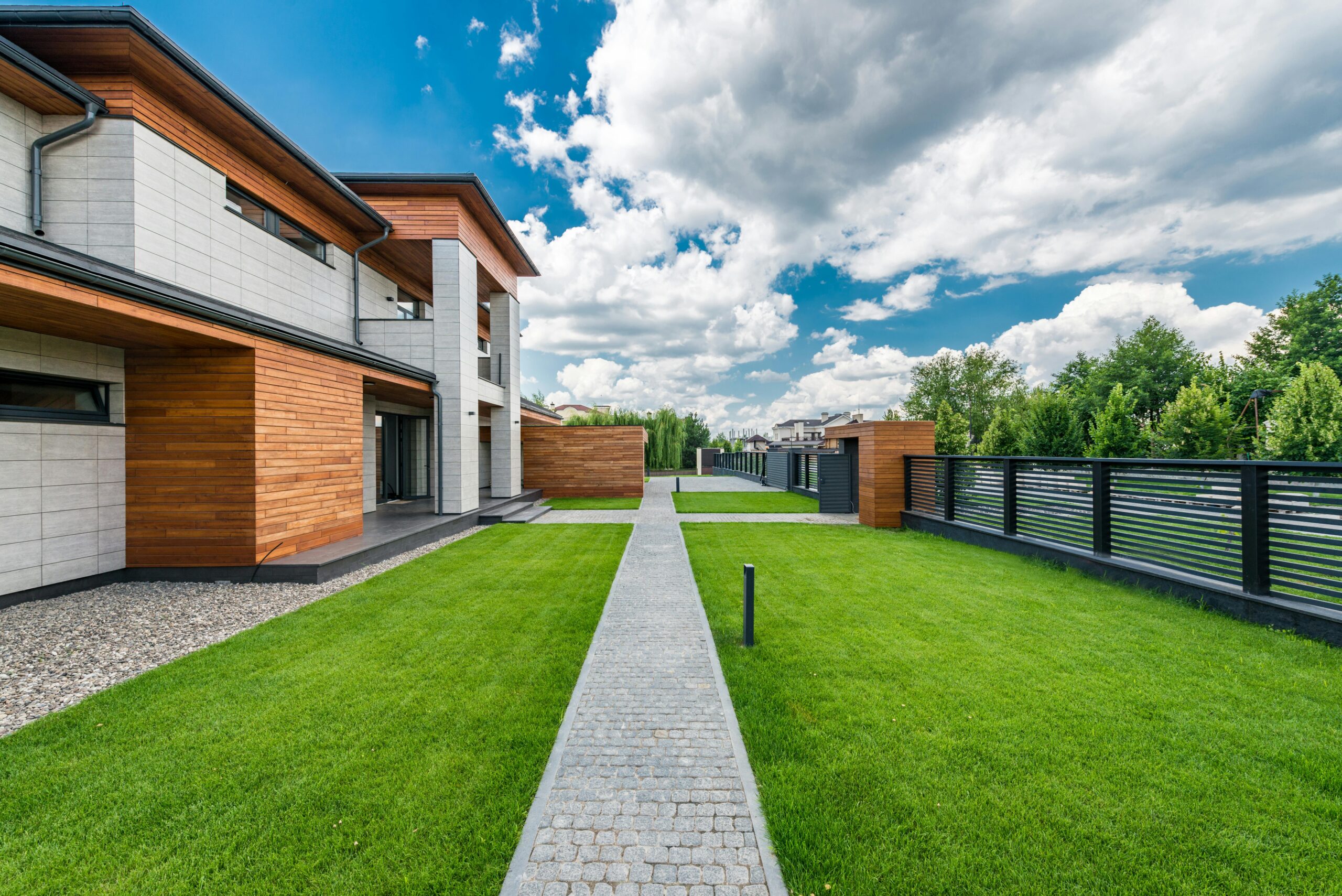
A minimalist yard uses clean lines, open spaces, and limited plant varieties.
Features
- Simple grass lawns
- Geometric pathways
- Limited plant palette
2. Outdoor Living Room Concept
Transform your yard into an extension of your home.
Elements
- Outdoor seating
- Pergolas or shade structures
- Fire pits or heaters
Insider Tip: Use weather-resistant furniture to ensure durability in all seasons.
3. Zen Garden Style Yard
Inspired by Japanese landscaping principles.
Features
- Gravel or sand patterns
- Stones and boulders
- Minimal plant use
4. Vertical Garden Design
Perfect for small yards with limited space.
Benefits
- Saves ground space
- Adds greenery to walls
- Improves air quality
5. Eco-Friendly Sustainable Yard
Focuses on environmental balance.
Features
- Native plants
- Rainwater collection
- Compost zones
Smart Landscaping Layout Strategies
1. Zoning the Yard
Divide space into functional zones:
- Relaxation zone
- Dining area
- Garden zone
- Play area
2. Pathway Planning
Paths guide movement and structure the yard.
- Stone pathways
- Wooden walkways
- Gravel trails
3. Focal Points
Every yard should have visual anchors like:
- Water fountains
- Sculptures
- Feature trees
Best Plants for Smart Yard Design
Low-Maintenance Plants
- Lavender
- Ornamental grasses
- Succulents
Shade Plants
- Ferns
- Hostas
- Hydrangeas
Evergreen Plants
- Boxwood
- Juniper
- Pine shrubs
Expert Insight: Native plants require less water and adapt better to local climates.
Hardscaping Elements in Yard Design
Hardscaping refers to non-living structural elements.
Common Hardscape Features
- Patios
- Retaining walls
- Decks
- Stone pathways
Lighting in Yard Design
Outdoor lighting improves safety and aesthetics.
Types of Lighting
- Path lights
- Spotlights
- String lights
- Wall-mounted lights
Insider Tip: Warm white lighting creates a more natural and relaxing outdoor atmosphere than bright white lighting.
Small Yard Design Ideas
1. Multi-Level Design
Use vertical layers to maximize space.
2. Mirror Illusion Technique
Strategically placed mirrors create depth illusion.
3. Compact Furniture Use
Foldable and lightweight furniture saves space.
Large Yard Design Ideas
1. Garden Sections
Divide large yards into themed areas.
2. Water Features
Ponds or fountains enhance luxury appeal.
3. Outdoor Kitchen Setup
Perfect for entertainment and gatherings.
Common Yard Design Mistakes
Overcrowding Plants
Reduces airflow and creates clutter.
Ignoring Drainage
Leads to water pooling and plant damage.
Poor Lighting Planning
Makes yard unusable at night.
Choosing Wrong Plants
Non-native plants increase maintenance needs.
Maintenance Tips for Smart Yards
Regular Pruning
Keeps plants healthy and structured.
Seasonal Cleanup
Remove dead leaves and debris.
Irrigation Management
Use drip systems for water efficiency.
Soil Health
Add compost for better plant growth.
Sustainable Yard Design Practices
Water Conservation
- Rainwater harvesting
- Drip irrigation systems
Energy Efficiency
- Solar-powered lights
Eco Materials
- Recycled wood
- Natural stone
Expert Yard Design Tips
- Always start with a layout plan
- Choose a consistent design theme
- Mix textures for visual depth
- Balance greenery and open space
- Prioritize low-maintenance solutions
Cost Considerations
Budget Yard Designs
- Basic plants
- Simple pathways
Mid-Range Design
- Hardscaping features
- Lighting installation
Premium Landscape Design
- Water features
- Outdoor kitchens
- Custom structures
Is Smart Yard Designs Worth It?
Yes, because it improves both functionality and aesthetics while reducing long-term maintenance costs. A well-planned yard becomes an extension of living space.
Conclusion
Yard Designs Ideas: Transform Your Outdoor Space with Smart Landscaping shows that outdoor spaces can be both beautiful and highly functional when designed thoughtfully. Smart landscaping combines structure, plants, lighting, and usability to create balanced environments.
Whether your yard is large or small, applying smart designs principles ensures long-term beauty, comfort, and value.