


Introduction
Aquavita Juniper Tree Guide: Size, Growth, and Landscaping Ideas explores one of the most resilient, versatile, and visually striking evergreen plants used in modern landscaping. The Aquavita Juniper is known for its structured form, year-round greenery, and ability to thrive in difficult soil and climate conditions.
This juniper variety is widely used in residential gardens, commercial landscapes, privacy screens, and slope stabilization projects. Its adaptability and low maintenance requirements make it a top choice for both beginner gardeners and professional landscapers.
This guide explains everything you need to know about Aquavita Juniper, including size, growth rate, care needs, soil conditions, pruning techniques, landscaping uses, and expert design strategies.
What Is Aquavita Juniper?
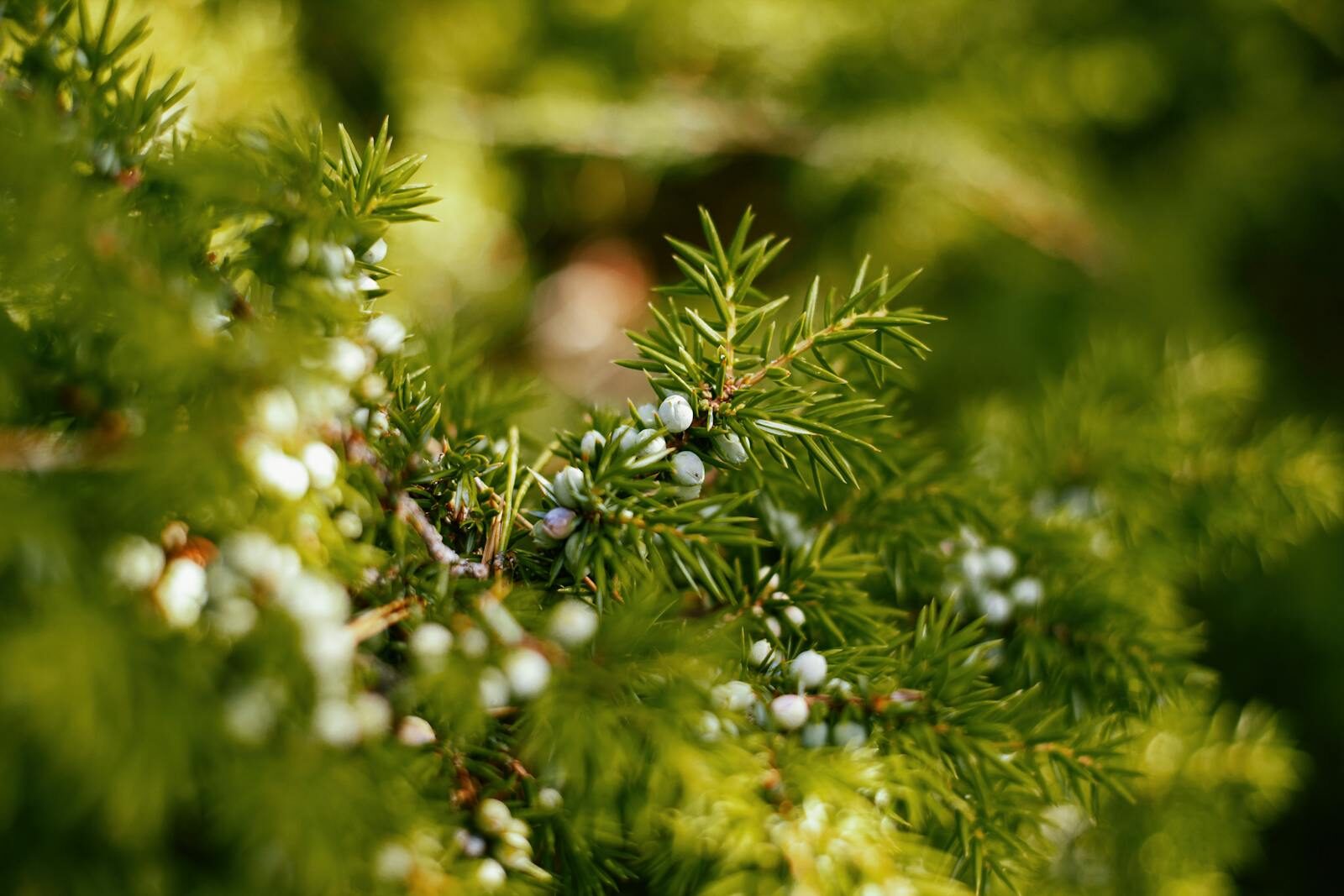
Aquavita Juniper is an evergreen conifer belonging to the Juniperus genus. It is valued for its dense foliage, strong structure, and drought tolerance.
Key Characteristics
- Plant type: Evergreen conifer shrub/tree
- Growth habit: Upright to spreading (varies by pruning)
- Foliage: Needle-like, deep green to bluish green
- Lifespan: Long-lived perennial evergreen
Expert Insight: Junipers like Aquavita are often used as “structural backbone plants” in landscape design because they maintain form throughout the year.
Size and Growth Rate
Mature Size
Aquavita Juniper size varies depending on environment and pruning practices:
- Height: 6–15 feet (typical range)
- Width: 3–10 feet
Growth Rate
- Moderate growth rate (6–12 inches per year)
- Faster growth in full sun and well-drained soil
Growth Habit
- Dense branching structure
- Can be shaped into hedges or left natural
Insider Tip: Regular light pruning in early years helps develop a stronger and more compact structure.
Ideal Growing Conditions
Sunlight Requirements
- Full sun (best growth and density)
- Partial shade tolerated but reduces compactness
Soil Requirements
- Well-drained soil is essential
- Tolerates sandy, rocky, or poor soils
- Avoid heavy clay soil without drainage improvement
Climate Suitability
- Hardy in temperate and dry climates
- Highly drought resistant once established
How to Plant Aquavita Juniper
1: Site Selection
Choose a location with:
- Full sunlight
- Good airflow
- No standing water
2: Soil Preparation
- Loosen soil deeply
- Add sand or gravel if drainage is poor
3: Planting Process
- Dig hole twice the root ball width
- Place plant at same soil level
- Backfill and firm soil gently
Step 4: Initial Watering
- Water deeply after planting
- Maintain consistent moisture for first few weeks
Watering Requirements
Newly Planted
- Water 2–3 times weekly
Established Plants
- Water only during dry periods
- Highly drought tolerant after root establishment
Expert Insight: Overwatering is more harmful than underwatering for junipers.
Fertilization Guide
Low Fertilizer Needs
Aquavita Juniper requires minimal feeding.
Recommended Fertilizer
- Slow-release evergreen fertilizer
- Organic compost (light application)
Frequency
- Once per year in early spring
Pruning and Maintenance
Natural Shape Maintenance
- Remove dead or damaged branches
Hedge Shaping
- Trim lightly for uniform appearance
- Avoid cutting into old wood excessively
Best Pruning Time
- Late winter or early spring
Common Problems and Solutions
1. Browning Foliage
Cause: Poor drainage or root stress
Solution: Improve soil drainage and reduce watering
2. Sparse Growth
Cause: Lack of sunlight
Solution: Relocate or prune surrounding shade plants
3. Pest Issues
- Spider mites
- Bagworms
Solution: Use horticultural oil or insecticidal soap
Landscaping Uses of Aquavita Juniper
1. Privacy Screens
Creates dense natural barriers.
2. Foundation Planting
Softens building edges.
3. Slope Stabilization
Prevents soil erosion on hillsides.
4. Garden Borders
Adds structure and definition.
5. Rock Gardens
Complements natural stone landscapes.
Insider Tip: Planting in clusters enhances visual density and wind resistance.
Companion Plants
Best Pairings
- Lavender
- Ornamental grasses
- Sedum
- Boxwood
Design Ideas with Aquavita Juniper
Modern Minimalist Gardens
- Clean lines
- Repeated planting patterns
Mediterranean Landscapes
- Gravel beds
- Warm stone textures
Natural Woodland Style
- Mixed evergreen planting
- Organic layout
Seasonal Care Guide
Spring
- Light fertilization
- Pruning
Summer
- Deep watering if needed
Autumn
- Mulching for root protection
Winter
- Minimal maintenance required
Benefits of Aquavita Juniper
Low Maintenance
Requires little care once established.
Year-Round Greenery
Maintains color in all seasons.
Drought Tolerance
Ideal for water-efficient landscaping.
Soil Adaptability
Thrives in poor or rocky soils.
Expert Landscaping Tips
- Avoid overwatering at all stages
- Space plants according to mature width
- Use mulch to retain soil moisture
- Combine with contrasting foliage plants
- Prune lightly for natural shape preservation
Is Aquavita Juniper Worth Planting?
Yes. It is one of the most reliable evergreen plants for structure, privacy, and low-maintenance landscaping. Its adaptability makes it suitable for residential gardens, commercial spaces, and erosion control projects.
Conclusion
Aquavita Juniper Tree Guide: Size, Growth, and Landscaping Ideas highlights a highly versatile evergreen that combines durability with strong visual appeal. Its moderate growth rate, drought resistance, and structural form make it a valuable addition to many landscape designs.
Whether used as a hedge, accent plant, or erosion control solution, Aquavita Juniper delivers long-term beauty and function with minimal maintenance.